
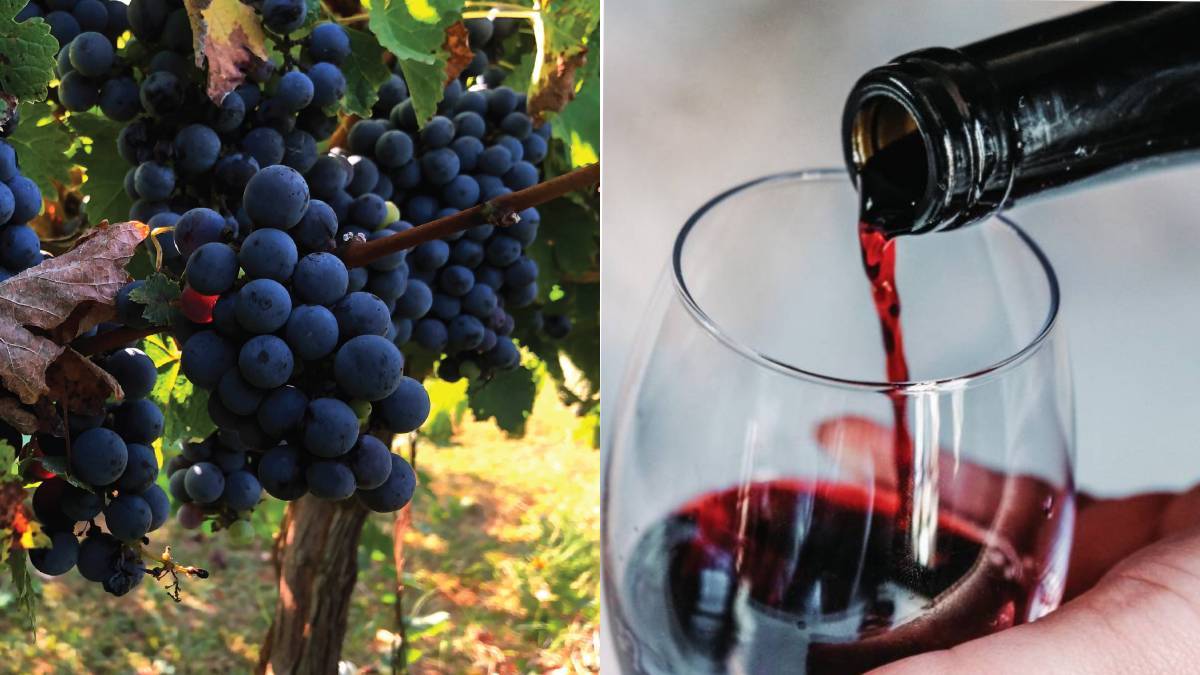


The wine drinking culture in the Philippines has been steadily growing, thanks to modern flavors that appeal to the Pinoy palate.
Let’s admit it, Filipinos are innately drawn to anything sweet—both food and beverages.
Originally, the taste of wine, which is “mapakla,” has been one of the setbacks why wine was not immediately embraced in the local drinking culture.
However, Filipinos still equate wine to affluence, which they aspire to have a taste of, so to speak.
“Because people have always aspired to have wine. Wine is a very aspirational product,” explains Vicente “Nonoy” Quimbo, the chief executive officer and founder of Novellino Wines, a local winemaker brand.
In 1999, Nonoy put up his own winemaking company in the country and came up with affordable wines, which also suit the Filipino tastebuds.
He understood that Filipinos perceive wine as “upscale, pangmayaman, sosyal,” and he wanted to create a brand that they can afford and enjoy.
Twenty-five years later, Nonoy is proud to say that his company continues to play an important role in increasing the wine drinking culture in the country.
“So, finally everyone can buy wine,” beams Nonoy in an interview with members of the press for the 25th anniversary of Novellino Wines last October 17, 2024.
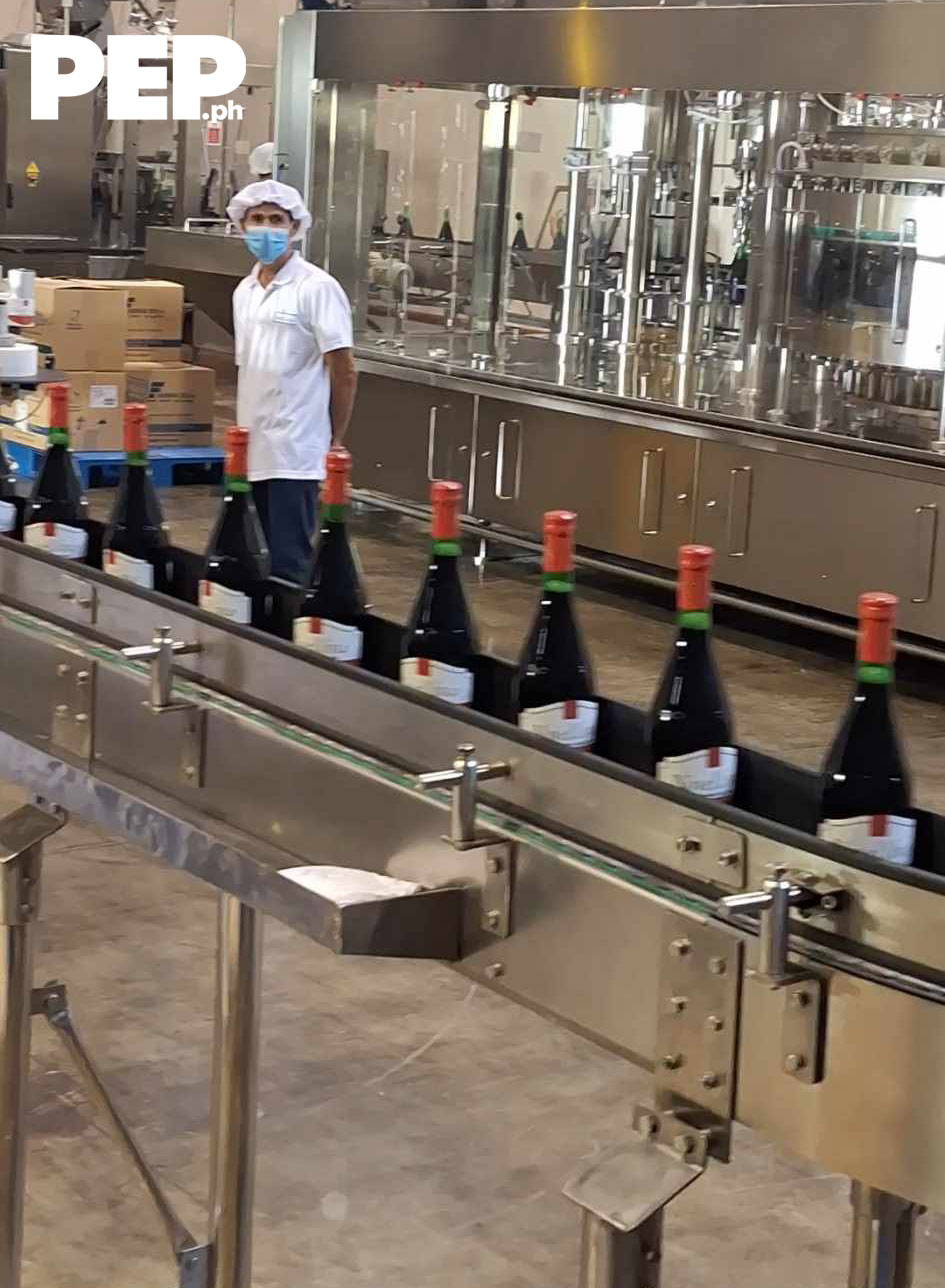
The press was given a tour to witness the company’s modern winemaking machine used in making wines at their plant located in Calamba, Laguna.
The company considered three factors to win Filipino clientele: taste, price, and familiarity with the brand.
Creating wine with a tinge of sweetness was the first consideration.
Admittedly, this is also the most arduous part of the process, says Nonoy’s son, Chris Quimbo, president and general manager of Novellino Wines.
The process should be done properly in order to come up with wine that has the right sweetness but will still retain its qualities as an alcoholic drink.
Chris explains, “What many people don’t know is that in order to make a sweet wine, mas mahirap gawin.
“It’s a much more complicated process in terms of winemaking.”
Generally, like any winemaking process anywhere else in the world, this drink is made from grape juice.
“At some point, that grape juice was matamis. But what happens in wine, is wine goes through the process of fermentation, where the yeast converts the sugar into alcohol.”
Read: Vaccines explained: Doctors reveal what’s true and what’s not

Usually, fermentation is done until all the sugar is converted into alcohol, giving it the “mapakla” taste.
Chris continues, “When you’re here in the Philippines, the Filipinos wanted something sweet.
“So we had to innovate the way to only allow some of the sugar to convert into alcohol.
“The most popular Novellino wines are only 4.5 percent alcohol," he adds.
In summary, Chris points out, “So mas mababa ang alcohol, mas mataas ang sweetness.”
The brand currently has 17 flavors, which cater to the Filipino tongue.
Their brand is also affordable in the wine market.
A LOCAL BRAND WITH SAME QUALITY AS THE IMPORTED BRAND
The father-and-son tandem has been all over the world to understand and study winemaking.
And truth be told, Chris says their wine production is on par with the winemaking process anywhere else.
“Most people think kung mahal masarap, kung mura hindi masarap,” says Chris.
He interjects, “We know from the business, first of all, that some of those wines are the exact same wine with different labels.
“Second of all, you do not get $900 more utility out of a bottle of wine that’s $1,000 versus one that is $100.
“And we learned that literally from the University of California, Davis. We did a study on this.”
Chris takes pride in saying that they make most of the work with their products, from converting grape juice to wine, to bottling, up to distribution.
In other cases abroad, the process is more tedious—a farmer sells his grape juice to a winemaker, then the winemaker sells it to a blender.
The blender then sells the product to a bottler, then the latter sells it to a distributor, who then sells it to a multitude of brands.
Given that process, no wonder other wine brands cost much more.
Chris further explains, “We do as much as making of wine—fermentation, bottling, blending, distribute as much as we can.”
Regardless if you buy imported products or locally-made wine, you still get the same product, assures the father and son.

Read: Architects cite common mistakes future homeowners should avoid
WINE WITH THE SAME QUALITY
For his part, Nonoy confidently says their product’s quality is better when compared to imported wine.
Chris expounds that it is saddening that Pinoys have this colonial mentality when it comes to product perception.
He explains, “We have a colonial mentality in the Philippines, especially in the wine industry. And it’s a shame.”
He does not deny the fact that their products also have “a sort of Italian influence,” which is a business strategy.
Even the name Novellino was partly thought of to sound European for marketing purposes.
Nonoy said the name came from the idea of coming up with wine that is something new (novel) and European sounding (lino), ergo the name Novellino.
However, his son Chris explains that they are turning this perception upside-down.
“We’re actually very proud of being a local company. I think that consumers should be too.
“They should be happy that there is a local player that thrives.
“We want people to be happy about buying a Filipino product.
“We know, we’ve seen wineries all over the world, we believe we do it as good, if not as better as anyone else in the world,” he concludes.