
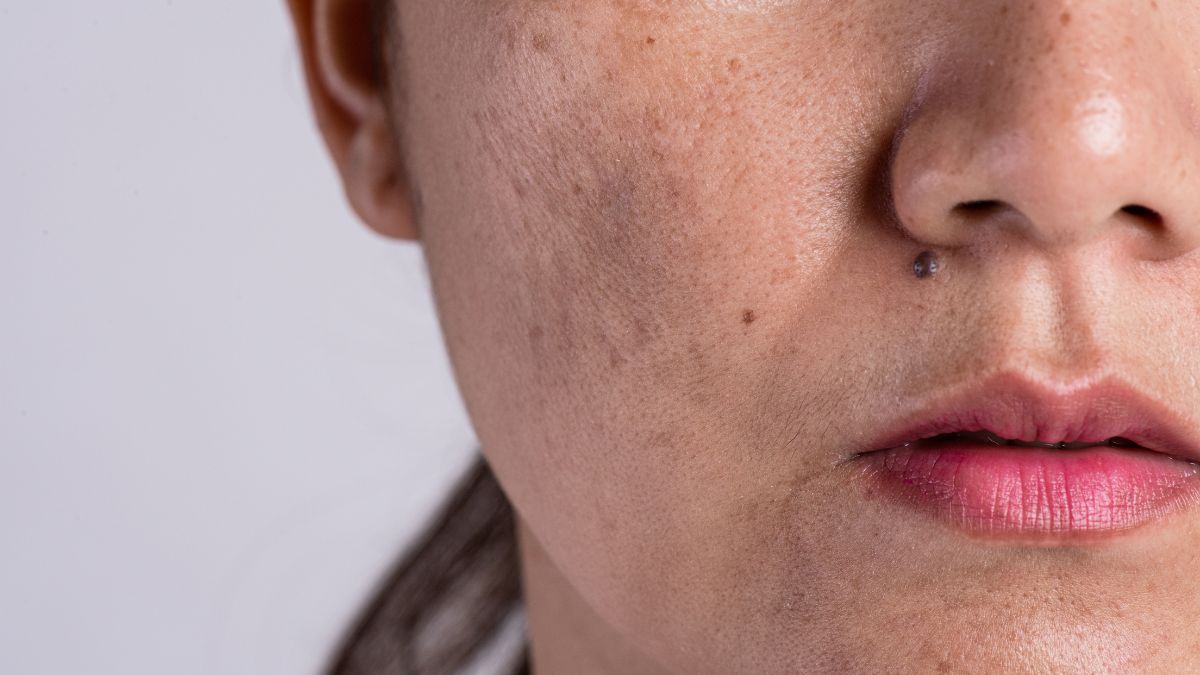

Hyperpigmentation remains one of the top skin concerns for Filipinas.
This condition occurs when skin cells produce an excess of melanin, the pigment responsible for giving skin its color.
The result can appear as freckles, age spots, or melasma—a skin condition often triggered by sun exposure.
At a Watsons event, PEP.ph (Philippine Entertainment Portal), along with select members of the press, had the opportunity to interview Dr. Charlene Ang-Tiu, a dermatologist and dermatologic surgeon from St. Luke’s Medical Center, Cardinal Santos Medical Center, and One World Skin and Wellness.
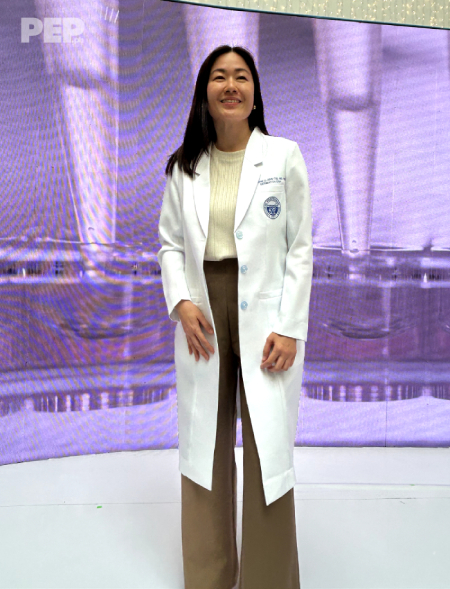
She explained, “We're in a tropical country, always exposed to the sun, especially during the summer, so that makes our skin more prone to sun damage.”
The best defense against this? Sunscreen.
"Never leave the house without it," Dr. Ang-Tiu advised.
For extra protection, bring an umbrella, too.
How to Lighten Skin
If dark spots or patches have already formed, she recommended using lightening products.
“Number one is hydroquinone. A lot of over-the-counter products have hydroquinone, which is actually a lightening agent.
“A lot of us gusto magpaputi, but hydroquinone is actually effective."
Dr. Ang-Tiu also mentioned tretinoin and retinol, which are effective for improving skin texture and combating signs of aging.
However, she cautioned that both hydroquinone and tretinoin are “photosensitive.”
This means they make the skin more vulnerable to sunlight and ultraviolet (UV) light, potentially leading to sunburn if exposed.
“Patients should know that it's also very photosensitive and damaging if used for a long time, and if you use it, tapos naarawan," she warned.
"So, serious po tayo dun, they're not really bad for the skin, it's just that you have to do an extra step to protect your skin.
"Actually, they're good. They're good for the skin.”
Dr. Ang-Tiu also advised that those with sensitive skin must consult a dermatologist before using these products.
How to Treat Melasma
Hydroquinone and tretinoin are often recommended for treating melasma, a condition that causes dark patches on areas of the face exposed to the sun.
Despite the availability of concentrated creams online, Dr. Ang-Tiu said there is no one-size-fits-all solution for melasma.
“There’s not one magic product that can cure melasma. [It is caused by] a lot of factors. They can be a vascular component, mga blood vessels, hormonal, sun exposure,” she explained.
There’s no single treatment for it.
"Melasma per se that you use one product and it can clear? It can improve, but it will come back.”
Laser Treatments for Melasma
When asked about laser treatments, Dr. Ang-Tiu recommended the Pico laser, which is known for its effectiveness in treating pigmentation issues.
"Pico is good for pigments. [It] is actually the top-of-the-line laser for pigments. So, it can lighten it.
"Pero yung melasma kasi is a chronic condition.
"Di siya parang, for example, mga sun spot or age spot that you can treat with one or two sessions of this.”
Meanwhile, an abstract published on the National Library of Medicine's website further supports pico laser’s benefits, showing that a higher nanometer wavelength can produce more significant results.
Between Pico laser with 532 nm versus 1,064 nm, the latter has been found to be more effective.
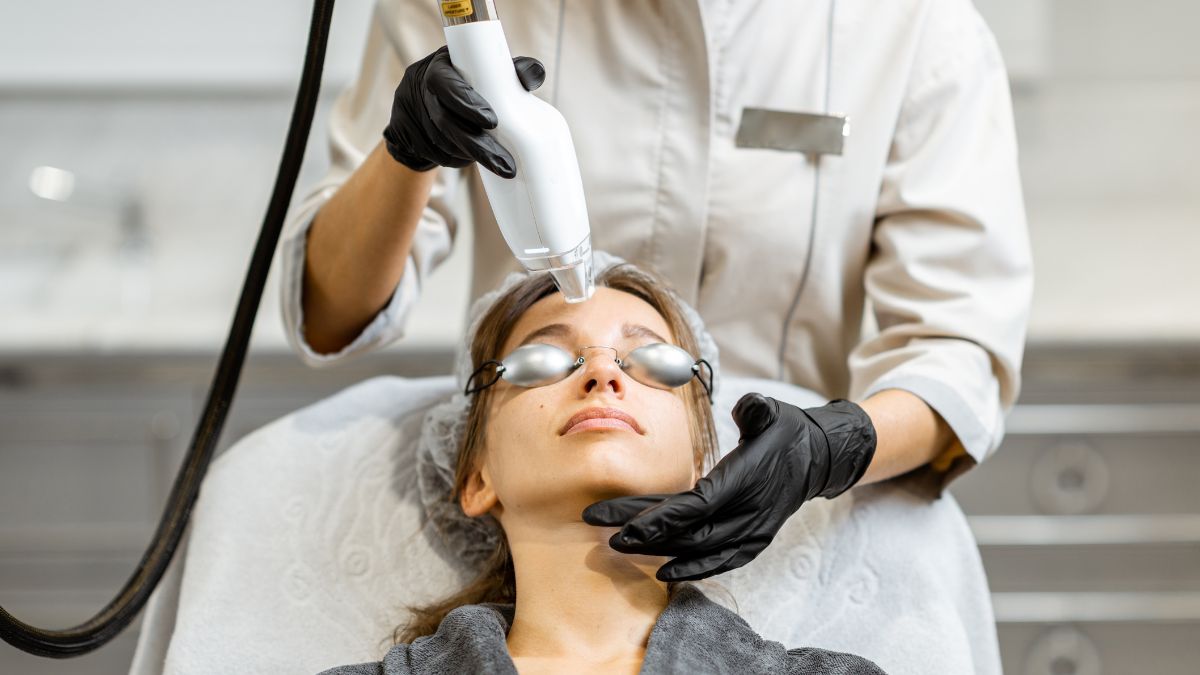
You can read more about this study here: National Library of Medicine.
On the other hand, the writer's personal experience with carbon laser was not that remarkable.
It works by using liquid carbon, which penetrates the pores and bonds with dead skin cells, contaminants, and oil.
The laser’s energy and heat then target and destroy the particles trapped in the pores.
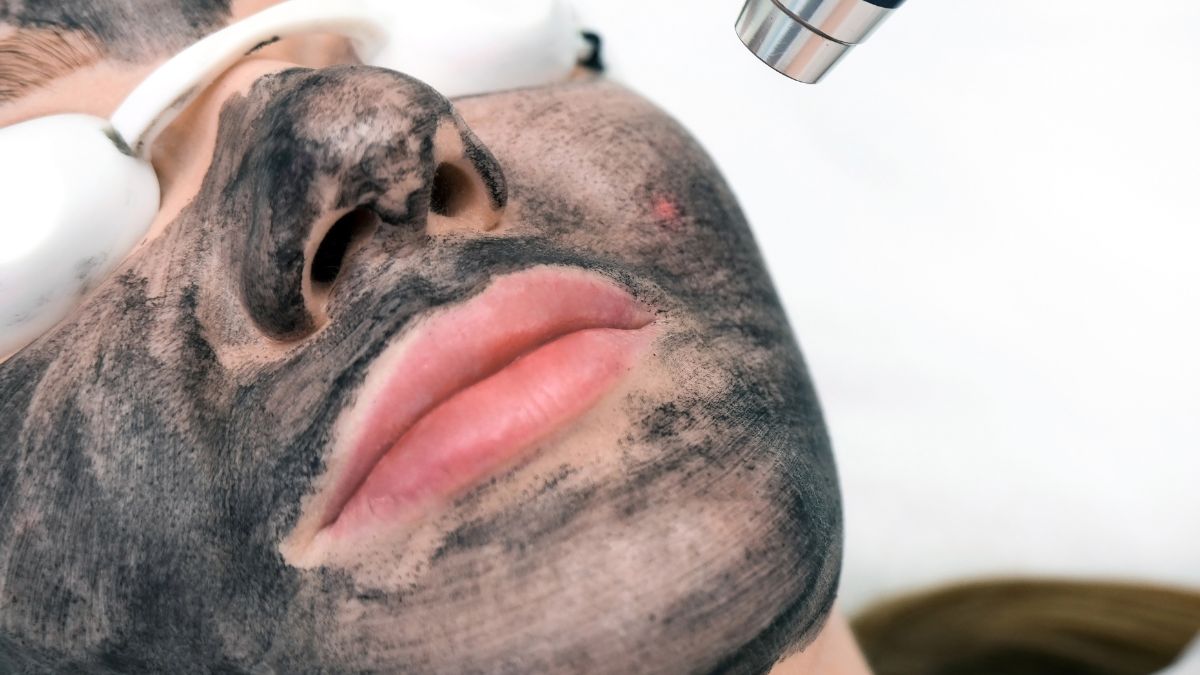
However, the results were not as satisfactory as expected based on the study of Dermatology Center.
Meanwhile, the CO2 fractional laser has proven to yield quicker results than Pico, though it comes with more discomfort.
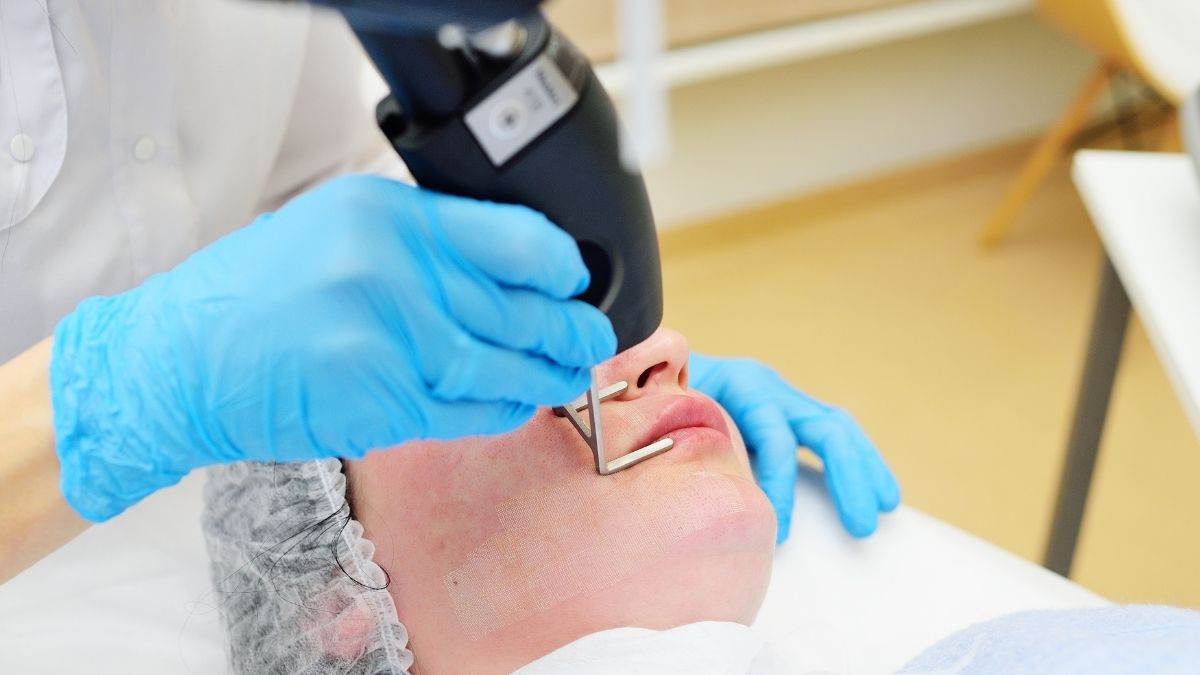
“It’s a bit more painful because it uses heat to stimulate collagen and elastin production in deeper layers. It gave me a burning sensation and reddish skin for three days after the session."
In conclusion, while treating hyperpigmentation and melasma may require patience and persistence, Dr. Ang-Tiu’s expert insights reminded us that a combination of preventative care, proper treatments, and caution can lead to clearer skin.