
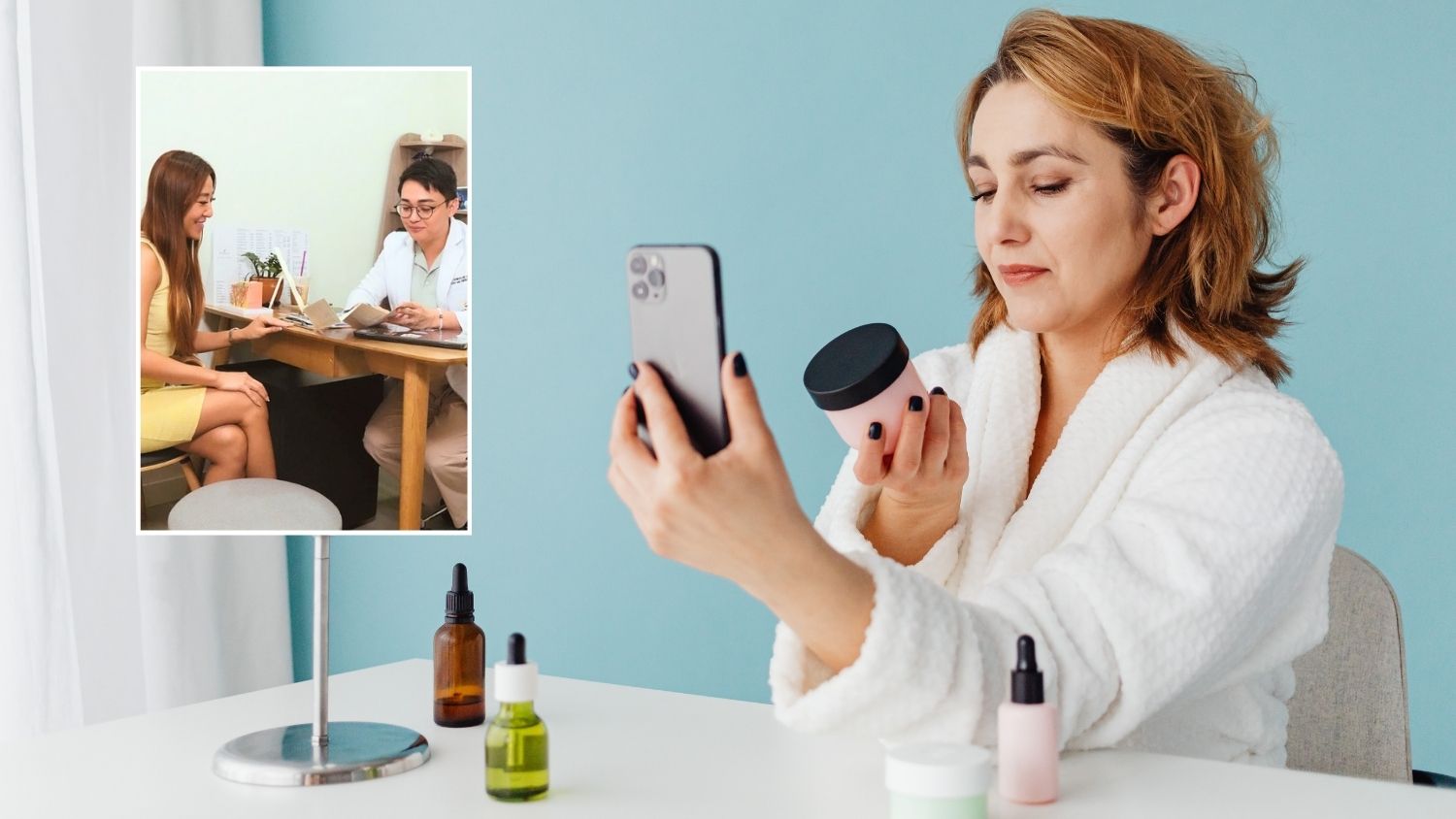


In the digital era, social media has become a popular source of information on beauty and skin-care products.
Two board-certified dermatologists confirmed this and voiced their concerns about the potential dangers involved.
First, the lack of verification of product sources and the absence of proper fact-checking make some of these items potentially harmful to one’s health.
Second, many beauty and skin-care products have not undergone proper regulation and may carry misleading marketing claims.
Third, the bandwagon effect makes it easy for netizens to fall into the trap.
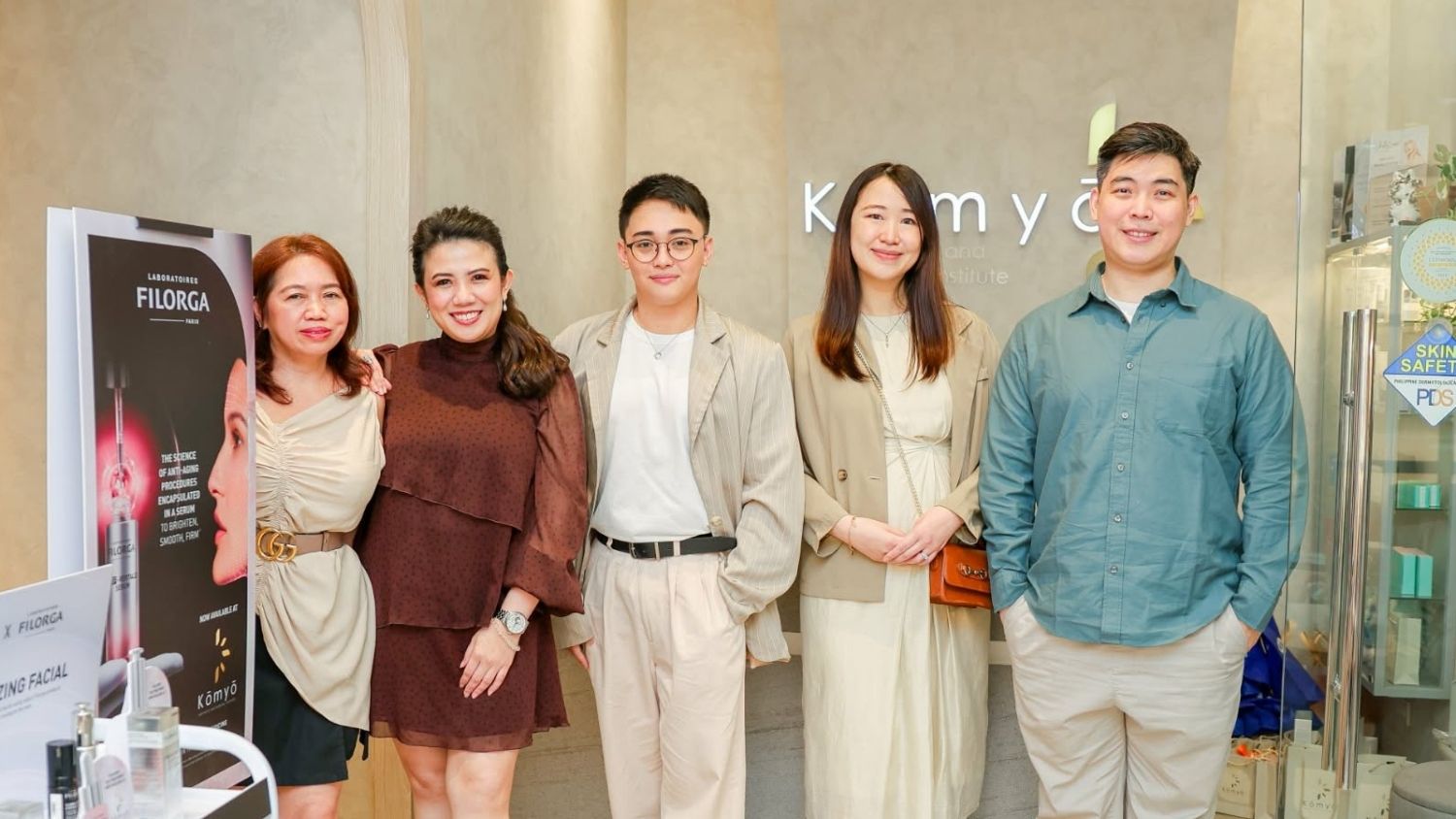
PEP (Philippine Entertainment Portal) had the opportunity to discuss this topic with two dermatologists at the anniversary event of Komyo Aesthetic and Medical Institute.
“So this question is kind of close to my heart, because I published a paper about social media and the behavior of Filipino adults, how they use social media in terms of seeking health information online, about their concerns about their skin, hair and nails,” explains Dr. R-Jay Agbo.
“We found out that majority of Filipinos use social media to search for information online.
“I think social media is a double-edged sword. It can be used negatively in terms of spreading myths and disinformation.”
Another threat dermatologists see on social media today is the growing number of content creators and influencers promoting unregulated skin care and health products.
These influencers often have large followings. The more popular they are, the more followers see their content.
So if they promote fake products, imagine how quickly misinformation can spread.
Case in point: there have been instances in which some influencers claim that their affiliate products are approved by the Food and Drug Administration when, in fact, they are not.
Such claims amount to false advertising and the spread of disinformation.
Citing his study, Dr. R-Jay echoed: "Actually, that's one of the dilemmas of not just by our clinic, but by our society: on how to combat the dis- and misinformation online.
“Especially, there are a lot of creators that would just put out content online about skin care that may or may not be ethically, professionally responsibly produced.”
Consumers, according to the dermatologist, should be wary of bold product claims.
“From an outer perspective, it may look shallow because it's just about the skin or the hair or the nails. But in general, it could be potentially dangerous to the overall health of the audience or of the patient.”
COMBATING DISINFORMATION
Given this prevalent problem, Dr. R-Jay stressed the importance of being vigilant about what we see and watch online.
“For treatments, they can easily search about them. But, of course, they also have to be responsible consumers of information online. So they have to fact-check. It's their responsibility na, e.
“The burden is not just from the [content] creators or the clinic or the doctors. There's also burden from the consumer of those information—to fact-check, to check the credibility of the person talking, to check if it's AI [Artificial Intelligence].
“’Yun yung mga advice ko, especially treatments, because it's left and right, what treatments…
“What one person receives may not be effective for you. So it's very important to verify.
“That's also one of the findings that I found in my study. A lot of patients share information online without verifying the credibility of that information first. So that's something that we should advocate.”
Instead of resorting to self-medication or trying products based solely on popular testimonials, consult experts.
There is good reason for this.
“Not all treatments that they see may work well for them also,” explained Dr. Jerlyn Maureen Servas, another board-certified derma at Komyo Aesthetics and Medical Institute.
“So better to seek proper consultation with your board-certified doctors to properly address also skin concerns.”
She emphasized, “It will be more cost-effective also in the long run.”
She also warned about trying out items that are the current “trend.”
“I think kasi with the availability of social media, clients tend to watch and then they will say, ‘Oh, this one works.’ And then they will do it and then they'll probably get frustrated kasi parang ‘Ay, it's not working for me.’”
According to Dr. Jerlyn, seeing a qualified expert is advantageous, as treatments are tailored and more likely to produce results.
Dr. R-Jay pointed out an additional danger of relying solely on product reviews or testimonials online without verifying.
“Also, if certain reactions happen, they won't be able to give you proper ways to manage the reactions.
“Like I said, better see a doctor to prevent those possibilities. And as I said also, it's gonna be more cost-effective for them in the long run.”
The PROPER USE OF SOCIAL MEDIA
Building on Dr. R-Jay’s earlier statement that social media can be a force for good when used properly, he and his colleagues at Komyo use their own accounts to responsibly educate the public about skin care.
“So that's something that we also try to combat with our content because as a clinic, we also harness the power of social media to educate our patients and potential clients.
“So it can be a powerful tool in terms of educating and also marketing ourselves. So social media can be used correctly and properly naman po,” he said.
“The doctors, they have their own separate professional social media accounts.
“But the clinic, @komyomedical, we also have social media accounts on Instagram, Facebook, even TikTok to educate the audience about certain conditions. Conditions that are pathologic, aesthetic conditions or cosmetic concerns that can be diagnosed and treated in the clinic.
“So, we also promote our services that we can offer like innovative services, and we are about to launch two new services in the clinic.”
The clinic has recently added two science-based services: the Komyo X Filorga Revitalize Facial, which restores the skin vitality in cellular level, and the Komyo Regenera, a regenerative hair-loss treatment.
This is on top of its multiple skin-care services and offerings.
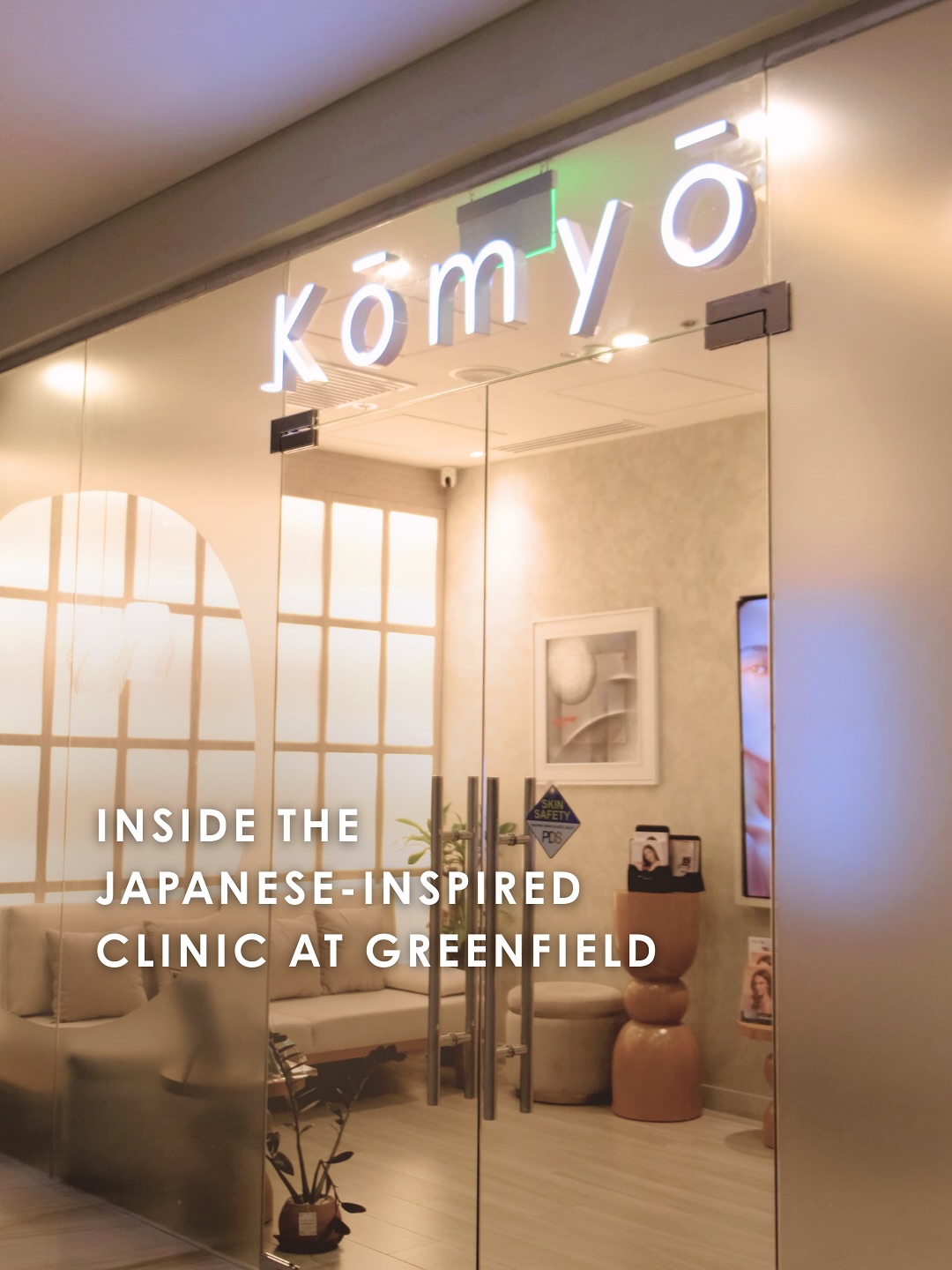
Komyo Aesthetic and Medical Institute is located at Level 1, Greenfield Tower, Greenfield District, Mandaluyong.