
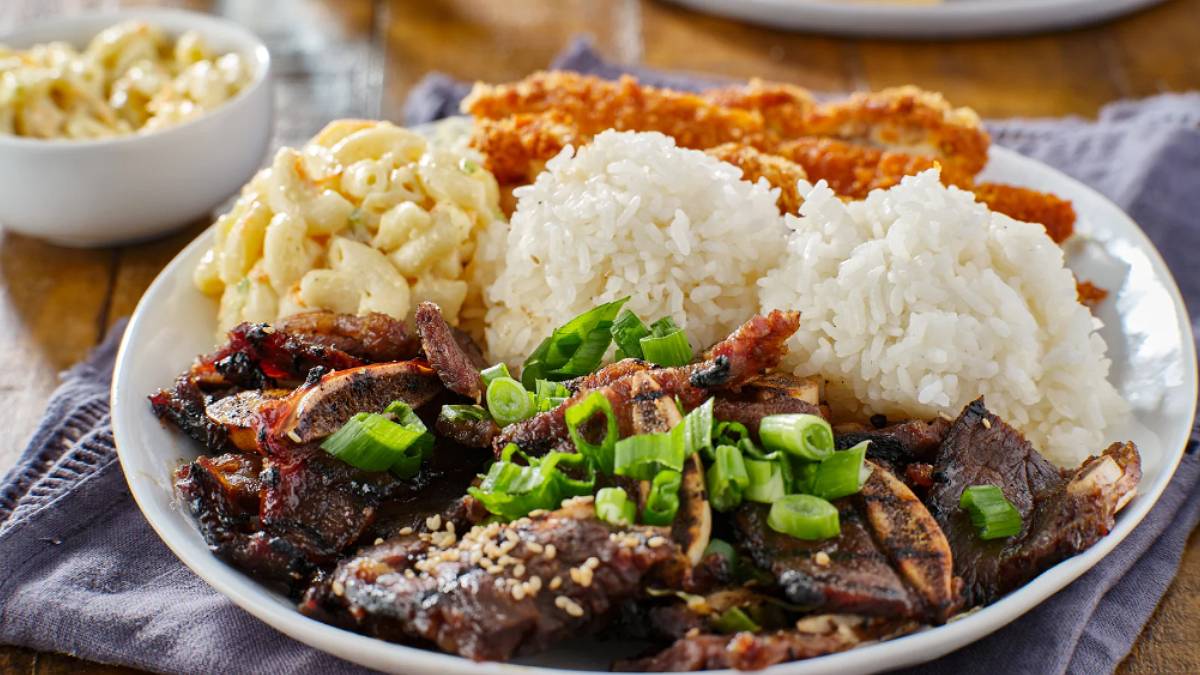


Kanin pa rin—at hindi karne—ang top source of protein ng mga Pilipino.
Batay ito sa resulta ng National Nutrition Survey noong 2023, na ibinahagi ng artikulong lumabas sa website ng Department of Science and Technology (DOST) noong July 9, 2025.
Ang kaakibat na “disturbing reality” ng datos na ito: 50% ng average energy intake ng mga Pilipino ay galing sa rice at rice-related products.
Labis-labis ito sa recommended amount para sa isang balanced diet.
Ito ang binigyang diin ni Dr. Eva Goyena, senior science research specialist sa Food and Nutrition Research Institute (FNRI) ng DOST, sa isang seminar series na naganap kamakailan.
Ipinaliwanag ni Goyena na bagaman at maraming health benefits na makukuha sa kanin, hindi nito mapupunan ang kailangang nutrisyon ng katawan.
Maraming taglay na vitamins ang kanin, kabilang ang thiamin at niacin, at minerals, tulad ng zinc at phosphorus.
Para ang palay ay maging bigas, idinadaan ito sa gilingan o rice milling machine.
Pero sa prosesong ito, natatanggal ang ibang nutrients, tulad ng vitamin E, magnesium, potassium, at manganese.
Gayunpaman, ang nutrients na ito ay present pa rin sa brown rice.
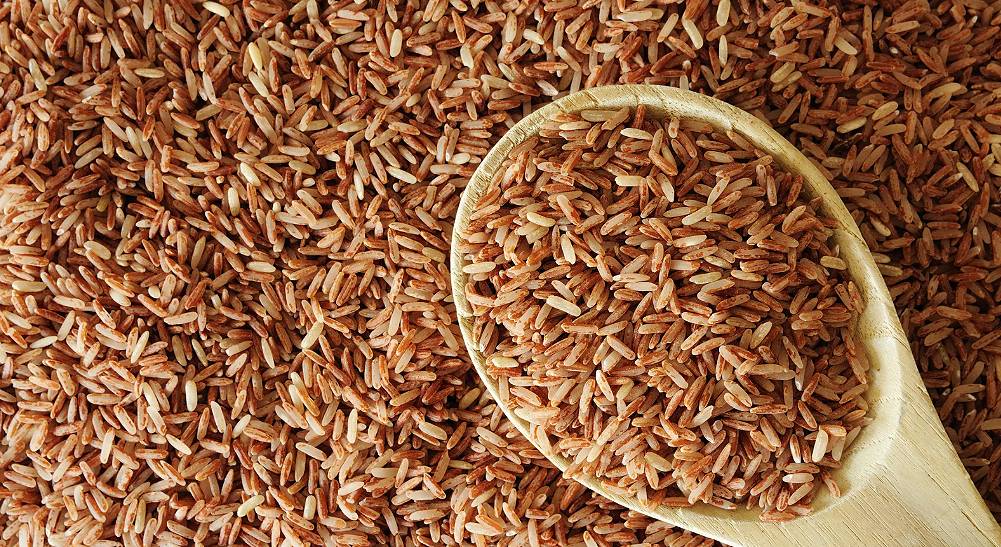
Ang iba namang specialty rice tulad ng purple o red rice ay nagtataglay ng anthocyanin, isang uri ng antioxidant.
Pero hindi sapat ang makukuhang nutrisyon ng tao kahit pa ang kakainin niya ay special rice.
Ang sabi sa artikulo, ang kanin ay pangunahing source ng complex carbohydrates na siyang “best source of energy.”
Kinukunsidera rin itong high-glycemic index (GI) food.
Ang GI ang ginagamit na batayan para masukat ang carbohydrates na nasa pagkain.
Ang carbohydrates ang nagdudulot ng pagtaas ng blood-sugar levels.
Ayon pa sa International Rice Research Institute (IRRI), mas malaki ang chance na magka-diabetes kapag mas maraming high-GI foods ang kinakain.
Read: Netizens react to PHP89-M budget for Kamuning Footbridge rehab
WHAT IS PINGGANG PINOY?
Matagal nang isinusulong ng mga nutritionists ang “Pinggang Pinoy.”
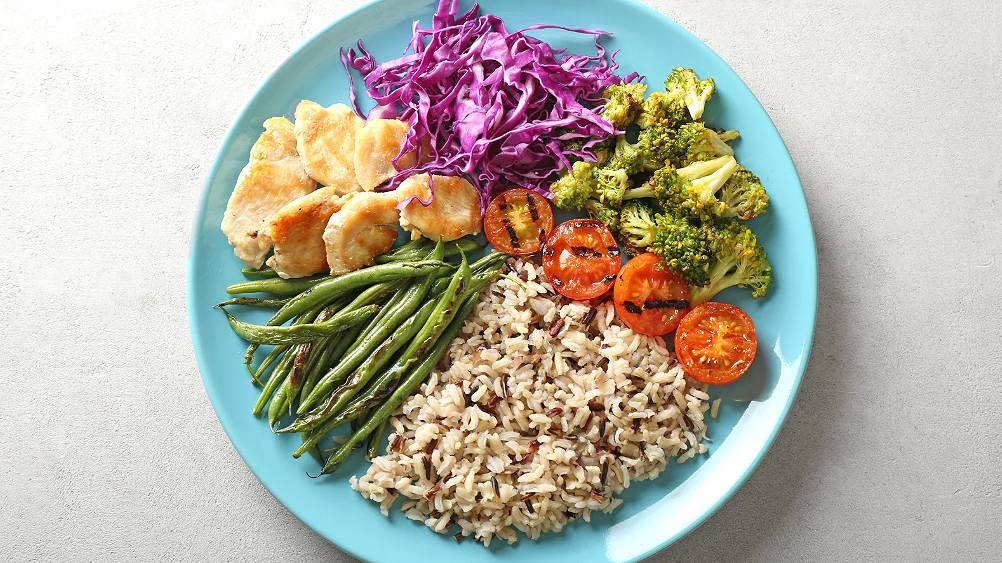
Ganito ang rekomendasyon nila: kalahati ng plato ay gulay at prutas; ¼ ay kanin o carbohydrates (root crops, pasta, noodles);ang natitirang ¼ ay protein-rich tulad ng isda, poultry, karne, at plant-based sources gaya ng munggo o kadyos.
Subalit maraming dahilan kung bakit malakas sa kanin ang mga Pilipino.
Ani Goyena, may kinalaman dito ang personal preferences, budget, hanggang sa estado ng pamumuhay at availability ng pagkain sa paligid.
"Base po sa pag-aaral namin doon sa project naming Food and Vegetable for Sustainable Healthy Diet or FRESH project, nakita po dito yung complex factors affecting or shaping our dietary patterns.
“Personal: It can be preference, it can be your practical limitations; kung very busy ka, wala ka nang time magluto ng iba’t ibang variety of foods and vegetables.
“Budget: Siyempre ang pinaka-cheapest source is kanin, basta mabusog ka, basta makakain ka, may kaunting ulam, ayos na iyon.
“Practical limitations: Yung budget mo, yung time mo, yung lifestyle mo, and then also yung environment. That’s one na napakalaking bagay.”
May epekto rin daw ang food environment—kung ano ang “promoted, marketed, accessible, affordable, and available nearby.”
Kung mas mura at mas madaling bumili ng unhealthy food, ito ang pipiliin ng mga Pilipino.
Dagdag ni Goyena, “Kung mas maraming mga less healthy or unhealthy foods, dahil mas affordable, nandiyan lang siya, madaling bilihin. Of course, iyon ang mas tatangkilikin ng mga Pinoy.”
Read: Japonz Dacumos: student with autism graduates summa cum laude
FRESH PROJECT RESULTS
Sa isinagawang FRESH Project ng DOST-FNRI, natuklasang kaunti kung kumain ang Pinoy ng gulay, prutas, at protein-rich food.
Mas malakas sila sa carbs-loaded food.
Nagbabala si Goyena na ang pagkain ng maraming kanin at energy-densed food at kawalan ng ehersisyo ay maaaring mauwi sa obesity.
Kapag obese ang tao, mas mataas ang risk para magkaroon diabetes, hypertension, at cardiovascular conditions.
“Once you are overweight, nag-aattract na po tayo do’n ng ibat-ibang non-communicable diseases or what we called the lifestyle-related diseases,” sabi ng doctor.
Isinusulong ng DOST-FNRI ang balanced diet na mayaman sa gulay at prutas.
“I’m not saying hindi kayo kumain ng rice, but it [should be] in moderation… And take note, kalahati ng plato natin should be coming from fruits and vegetables,” pagtatapos ni Goyena.