


Hindi lingid sa kaalaman natin na ang kulturang Pilipino ay fusion ng iba’t ibang kultura mula sa iba't ibang bansa.
Marami sa ating tradisyon ay may influence ng Espanya, na sinakop ang Pilipinas mahigit 300 years.
May mga kaugalian ding nakuha natin sa Tsina, United States, Indonesia, at iba pa.
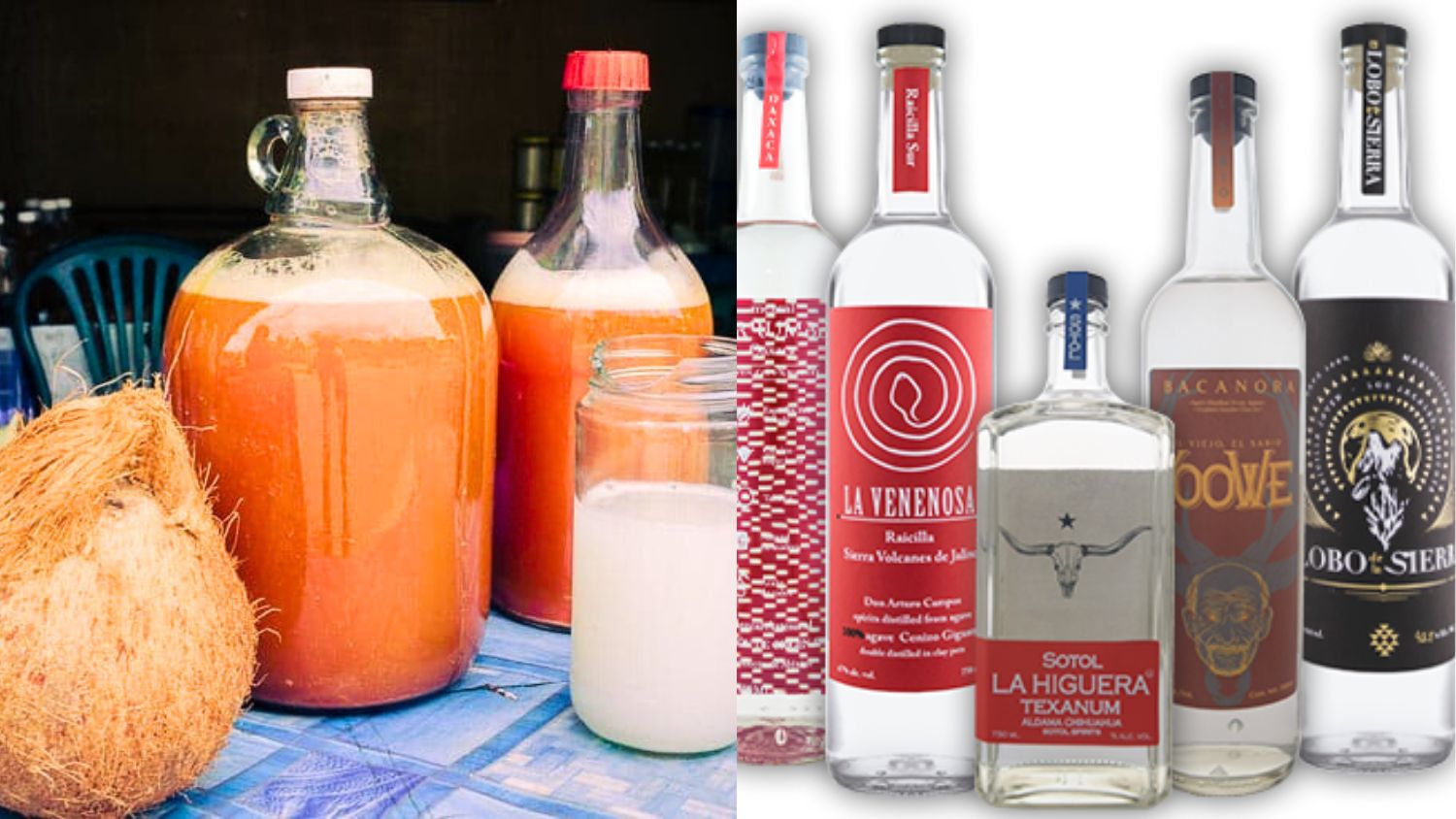
Pero alam niyo bang noong unang panahon ay umabot ang tuba, inuming nakakalasing ng mga Pilipino, sa Mexico?
Hanggang ngayon, tinatawag pa rin itong tuba ng mga Mexicans, na naturuan din pala ng mga sinaunang Pilipino kung paano gumawa ng nasabing coconut wine.
Paano nangyari yun?
May kinalaman dito ang pagsakop din ng Spain sa Mexico na tumagal din ng 300 years—mula 1521 hanggang 1821.
Sinakop naman ng Spain ang Pilipinas noong 1565-1898.
Sa video ni Tristan Stephenson para sa kanyang The Curious Bartender YouTube channel noong July 2025, tinalakay niya ang nangyari.
Na-interview ni Tristan ang Mexican na si Esteban Morales, founder ng Casa Endemica, na company ng iba’t ibang alcoholic brands sa Mexico.
Ang company ni Esteban ay may malaking produksiyon ng mezcal, isang uri ng alcoholic drink na nagmula sa Mexico.
Gawa ang alcoholic drink na ito mula sa agave plant.
Ang mas kilala pang Mexican alcohol na tequila ay gawa rin sa agave.
Pero mas isinusulong ni Esteban ang mezcal.
Sa interview, ibinunyag ni Esteban ang deep connection ng mezcal sa tuba.
THE CONNECTION BETWEEN TUBA AND MEZCAL
Nagsimula raw ang lahat noong 1600s—ang panahon na parehong kolonya ng Spain ang Pilipinas at Mexico.
Paliwanag ni Esteban, nadiskubre noon ng mga Espanyol na kapaki-pakinabang ang puno ng niyog sa mga Pilipino.
“Because the fibre, the oil, the food, the water…” ani Esteban.
“So, they decide to bring Filipino families to farm coconuts in Mexico, and they made these farms in between what is today Jalisco and Colima,” sabi ng Mexican businessman.
Ang Jalisco ay isang state, habang ang Colima ay isang siyudad sa Mexico.
Naging madali ang pagtatanim ng niyog sa dalawang lugar na ito dahil patag ang lupa at tropical din ang weather tulad ng Pilipinas.
Pagpapatuloy ni Esteban, binitbit ng mga Pilipinong dinala sa Mexico ang kanilang kultura.
Kasama sa mga dala nila ay ang clay-pot still na siyang ginagamit para gumawa ng lambanog, isa ring kilalang alcoholic drink sa Pilipinas na gawa sa niyog.
Ang lambanog naman ay gawa mula sa tuba.
Sabi pa ni Esteban ukol sa lambanog, “It’s a product that exists today. It is distilled and comes from the fermentation of the sap of the coconut palm.
Nagkaroon ng malaking impact ang paggawa ng alak ng mga Pinoy sa Mexico noon.
“So, this spirit from coconut palm became very big at the time. They call it vino de coco.”
Ginamit ang fermenting technique na ito sa halamang agave, na karaniwan sa Mexico. Ang fermented alcoholic drink mula sa agave ay tinawag na mezcal o mescal.
Read: Mayor Vico Sotto: Contractors’ kin’s display of wealth not inspiring
EVIDENCE THAT THE PHILIPPINES INFLUENCED MEXICO
Sinabi ni Ernesto na maraming ebidensyang dinala ng mga Pilipino ang pag-ferment ng tuba sa Mexico, at makikita raw ito sa maraming dokumentaryo.
May isa pang solidong pruweba si Ernesto.
Sabi niya: “But what is very intereting to me, that nowadays, in the south of the state of Jalisco, the producers call ‘tuba’ for the mash, for the fermented liquid of agave.
“And ‘tuba’ is not a local word. It doesn’t exist in Nahuatl,” pagtukoy sa lumang Mexican language.
“It does not exist in any other Mexican languange before the Spanish.
“It’s a word in Philippines, in one of the dialects of Philippines,” sabi niya sa ‘tuba’ na isang Visayan word.
“So, that’s very interesting because, for me, if the locals used to ferment and distill before, we should have a word to describe that product, and there is none.”