
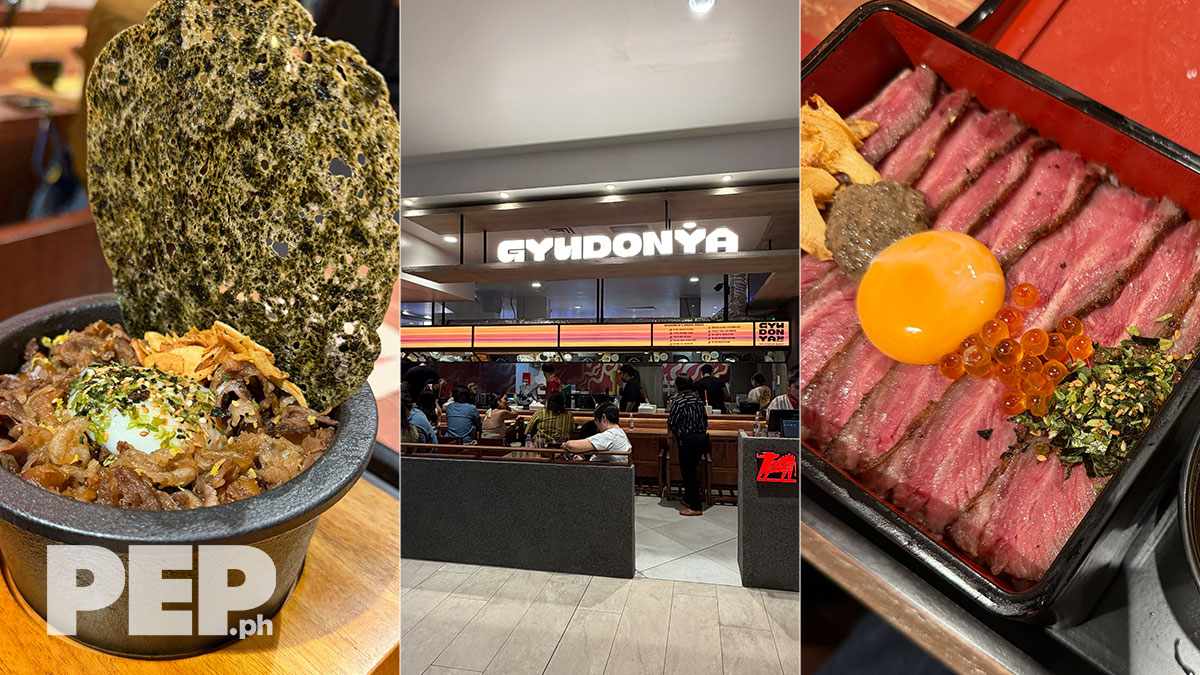


If sinigang and adobo are comfort-food staples for many Filipinos, gyudon holds a similar place in Japanese food culture.
Simple yet satisfying, this beef bowl favorite is a go-to meal for many across Japan.
For those craving an authentic gyudon experience, a new restaurant dedicated to the beloved dish has arrived at the basement level of Mitsukoshi Mall in Bonifacio Global City.
DISCOVER GYUDONYA
Gyudonya is the newest dining concept from Senshin Hospitality Group, founded by husband-and-wife entrepreneurs Richard Sanz, the company's founder and CEO, and Maxine Sanz, co-founder and chief marketing officer.
The restaurant joins the group's growing portfolio that includes Katsudonya Saiko and Inari Sukiyaki, continuing its mission of bringing authentic Japanese dining experiences to Filipino diners.
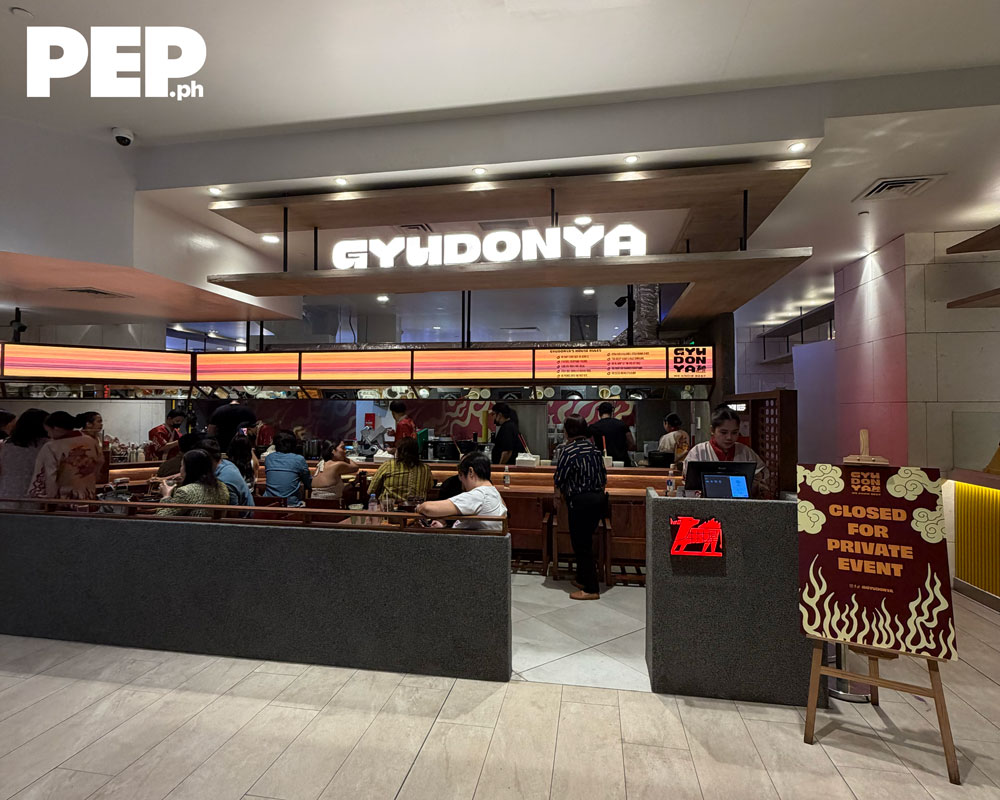
In an interview with PEP.ph (Philippine Entertainment Portal), Richard explained why the company decided to focus on gyudon for its third concept.
"We wanted to do something different kasi, actually, gyudon is so, it's really a... parang in Filipino, parang sinigang or tapa or adobo. Parang along those lines.
"Gyudon is the most...parang everyone, every Japanese knows how to cook gyudon.
"It is very simple lang, e. But I felt that parang there's still a gap on the gyudon here. It's not executed the way it's supposed to be.
"So we really wanted to offer the real gyudon, the experience of having it, like, if you'd have it in Japan."

To develop the menu, Richard worked closely with Chef Francis Lim, combining authentic Japanese flavors with subtle adjustments to suit the Filipino palate.
He explained: "There are some Japanese food that... parang if it's too purist, hindi rin masyado ma-i-enjoy ng Filipino.
"For example, the sushi in Japan—the vinegar that they use is too strong sometimes.
"Filipinos don't really enjoy it that much, because they're too sour because it's too strong. So mga ganyan.
"Those are the little nuances and intricacies...that need to have a little bit of localization.
"And us being in the food industry for twenty-two years, medyo kabisado na natin yung Pinoy palate."
How would he differentiate the resto's gyudon from the rest?
"It's a bit sweeter than the gyudons in Japan.
"The gyudon in Japan is a bit more savory... Here, it's more, I'd say more balanced, pero it can be seen as sweeter because of that."
To ensure authenticity, the restaurant imports several key ingredients.
"There are some ingredients that are really just available in Japan, so imported talaga siya. Wala talaga dito.
"The soy sauce, we've tried using local, it comes out differently, e. So we use Japanese soy sauce, Japanese shoyu," Richard revealed.
The team is equally particular when it comes to the quality of its beef.
"Our meats are all imported, but it's a mix. We have meats from the US—USDA from Snake River Farms. We have meats coming from Australia. We have meats coming from Argentina as well —from Julia Nice Farm, producing Angus beef in Argentina."
How about Japanese wagyu?
"What we don't have yet are the beef from Japan kasi medyo pricey, so, we might have it in seasonal offerings.
"But these are probably the Omi Wagyu A5 or the Arista Wagyu A5. So probably in the future we'll be having it in the offerings."
For the restaurant's vegetables and other produce, however, the team prefers to source locally.
"But, of course, as much as we want, we try to use the local produce. So, for example, all the veggies are local. Even ginger that we use are all local gingers. Then the eggs are local."
Bringing a piece of Japan to Manila
Beyond the food, Gyudonya also aims to recreate the dining experience of popular counter-style restaurants in Metro Manila.
"One of our goals is really to bring the Japan experience here. So that means even the layout, even the experience of being intentionally cramped is part of the intentionality.
"Well, 80% of our stores are counter seats. So after we opened it, buti na lang, we, I feel, for certain [restaurant] concepts, okayy sa pinoy na counter seating as long as it's executed well na.
"Meaning there's enough distance. They have something to see. There's enough space for you to converse na magkatabi.
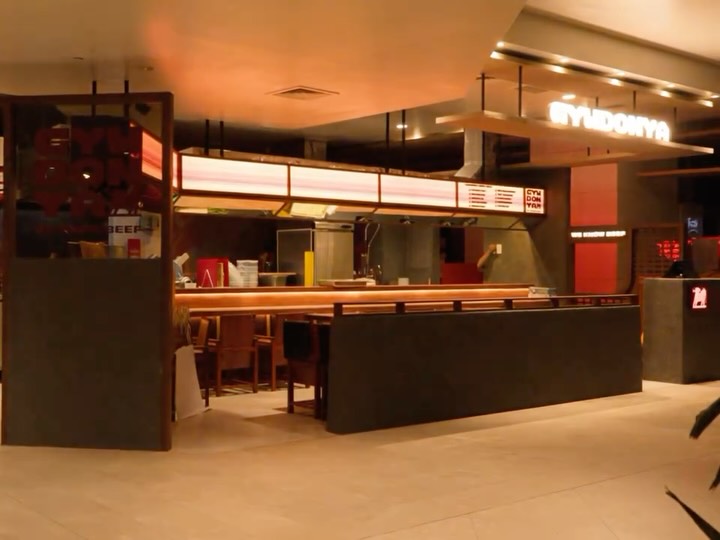
"So we learned a lot from that, and that's why for this store, iit's very small. It's 39 square meters, but our kitchen [was] required to have a size.
"That's why ang natira is a little space for seating and it's the counter.
"So 50% of the store is a counter, and we have a few tables."
On the restaurant's interiors, he said: "We wanted something striking. The color, it's about fire. That's why it's red and yellow. It's really about the flame searing the meat and wood.
"So that's how it came about."
What to order at Gyudonya
Its gyudon or "Gyu Bowl" line-up includes the OG Gyudon, Spicy OG Gyudon, Brown Butter Garlic Gyudon, and Black Truffle Gyudon.
Each bowl can be customized and served either in the restaurant's classic red bowl or on a sizzling stone pot.
Diners can choose from USDA Karubi, USDA Misuji, or Angus Ribeye beef, with the option to add extra beef for a heartier meal.
Prices vary depending on the beef selection.
The OG Gyudon starts at PHP445 for USDA Karubi, PHP785 for USDA Misuji, and PHP1,185 for Angus Ribeye.
The Spicy OG Gyudon is priced at PHP485, PHP825, and PHP1,225, respectively.
Meanwhile, the Brown Butter Garlic Gyudon costs PHP525, PHP865, and PHP1,265, while the Black Truffle Gyudon is available for PHP545, PHP885, and PHP1,285.
Beyond its signature gyudon offerings, Gyudonya also serves customizable "Sizzling Stonepot Steak."
Guests can pair their choice of beef with either Honey Miso Fried Rice or Nori Fried Rice.
Options include the Black Angus Steak Bowl (PHP685), Wagyu Steak Bowl (PHP985), and SRF Wagyu Prime Steak Bowl (PHP1,285).
PEP got to sample several dishes during Gyudonya's soft opening for the media.
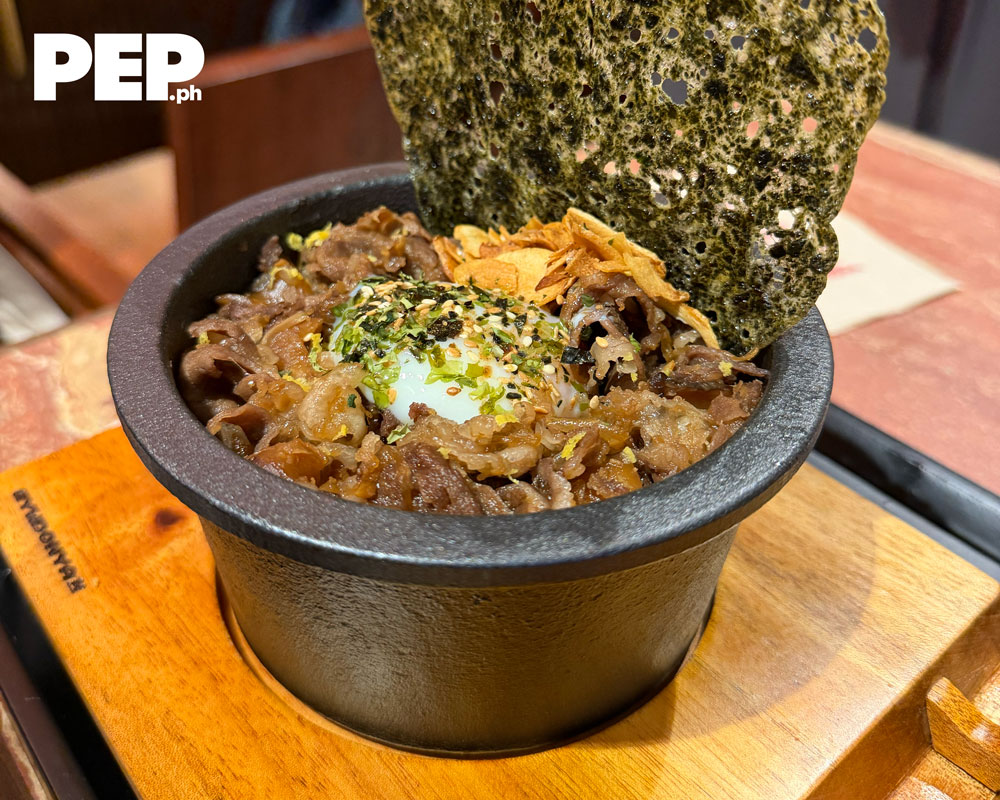
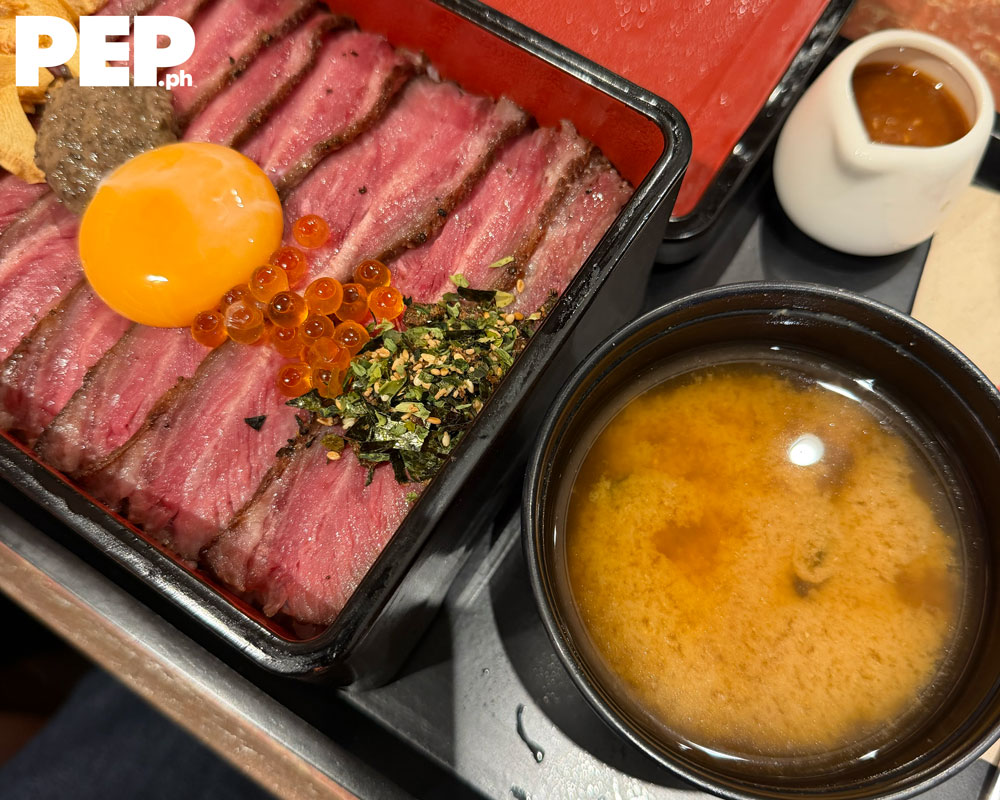
Naturally, many attendees gravitated toward the classic gyudon bowls, PEP decided to try the Signature "Unaju" Steak Box Set instead.
Traditional "unaju" typically refers to charcoal-grilled freshwater eel glazed with a sweet soy-based tare sauce and served over rice inside a lacquered jubako box.
Gyudonya puts its own spin on the classic by replacing the eel with premium steak while keeping the presentation and signature tare sauce.
To fully appreciate Gyudonya's Signature "Unaju" Steak Box Set, it's best to mix all the components together before taking a bite.
Once the signature sauce is evenly coated throughout the dish, it brings out a rich combination of savory, smoky, and umami-packed flavors in every mouthful.
Rating: 4.5/5
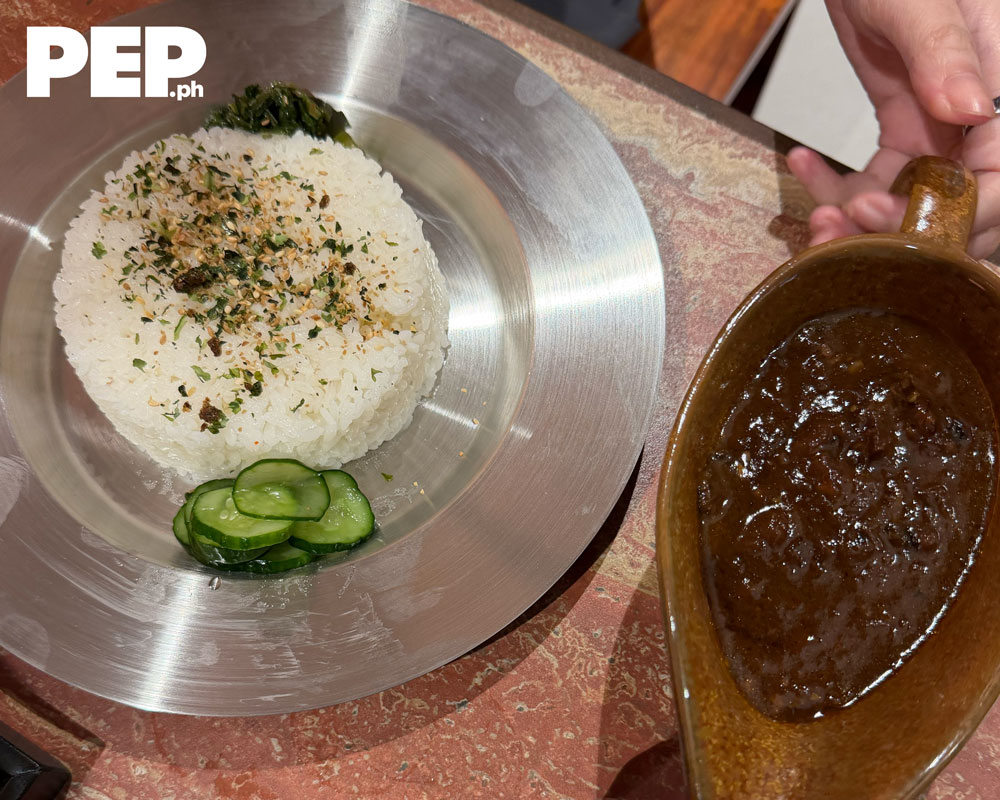
For diners seeking something hearty and comforting, the 72-Hour Wagyu Beef Hayashi (PHP585) is another standout.
A Japanese-style beef stew, hayashi combines rich, savory flavors with subtle tangy-sweet notes from tomatoes and wine.
Gyudonya's 72-Hour Wagyu Beef Hayashi features slow-cooked wagyu beef so tender it practically melts in your mouth.
Rich, hearty, and deeply flavorful, the dish evokes the comforting qualities of a classic Filipino beef stew while staying true to its Japanese roots.
Rating: 4/5
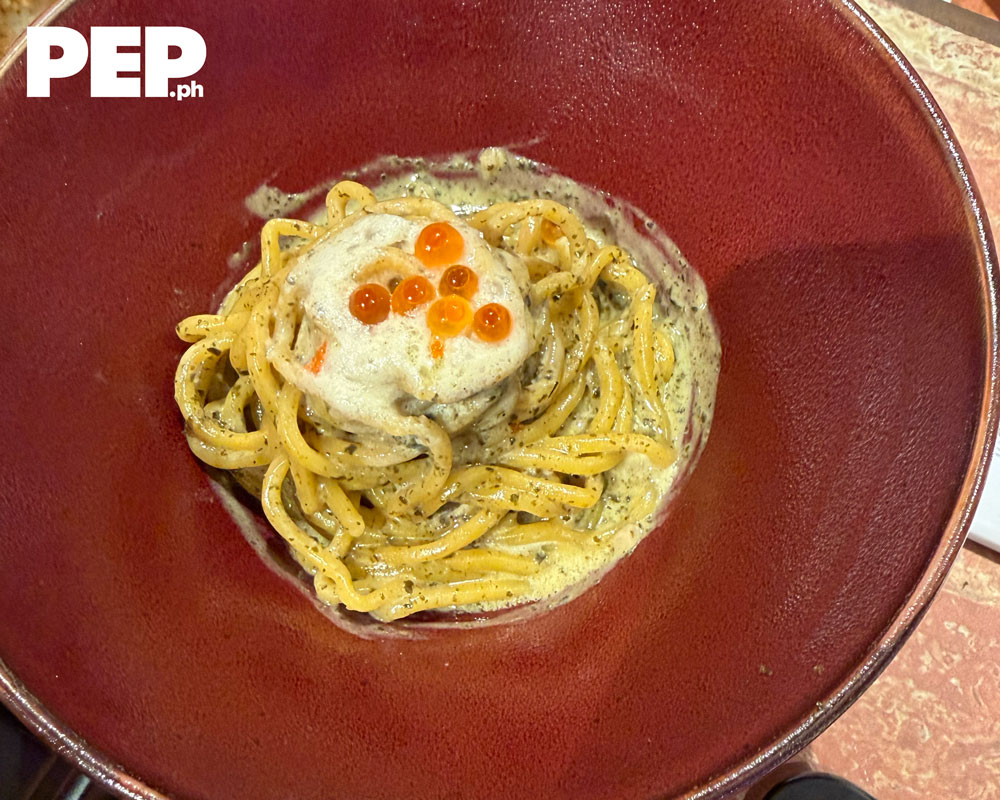
While beef dishes are undoubtedly the stars of the menu, non-beef lovers may want to try the Nori Butter Pasta (PHP485). The creamy pasta dish is topped with salmon roe and packed with rich, buttery flavors.
The generous amount of nori adds a distinct savory, seaweed flavor that complements the dish, although some diners may find it slightly salty.
Still, it offers an interesting alternative to the restaurant’s signature beef-centered offerings.
Rating: 3.5/5
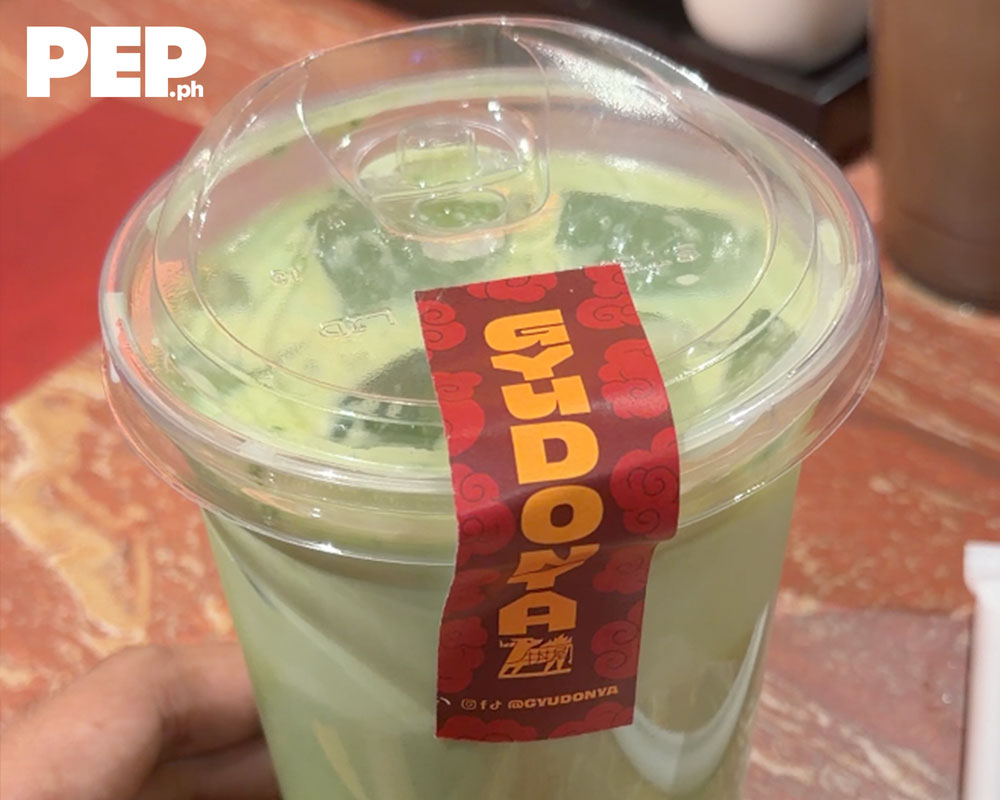
As for the drinks, PEP tried the Iced Matcha Latte (PHP150)—and even for someone who isn’t a matcha fan, it’s an easy one to enjoy.
Smooth and creamy, the drink has a milder matcha flavor that isn’t overly grassy or earthy. It also does not have the strong aftertaste that can be off-putting to some matcha drinkers.
Rating: 4/5
Other beverage options include Iced Tea, priced at PHP120 for a single order, or PHP90 when added to a meal, as well as the Iced Hojicha Latte (PHP150).
For dessert, Gyudonya offers a selection of Japanese gelato flavors, including Chocolava Cake (PHP150), Hokkaido Cheese (PHP150), and Ceremonial Grade Matcha (PHP175).
While PEP.ph has yet to sample the brand’s sweet offerings, they are definitely on our list to try on our next visit.
With its focus on authenticity, carefully sourced ingredients, and a dining experience inspired by Japan’s bustling gyudon shops, Gyudonya offers diners a taste of one of Japan’s beloved comfort foods right in the heart of BGC.
Read more: