



An assignment took me to Cebu, where I got to try House of Lechon, last weekend.
The dishes reminded me of home cooking.
From the first bite, I could tell the kitchen took its time. The textures were just right, and the flavors reflected how generously the kitchen used its ingredients.
As a side quest, a companion and I visited House of Lechon’s flagship branch at the corner of Acacia and Tojong streets. It’s one of at least three House of Lechon branches in Cebu City.
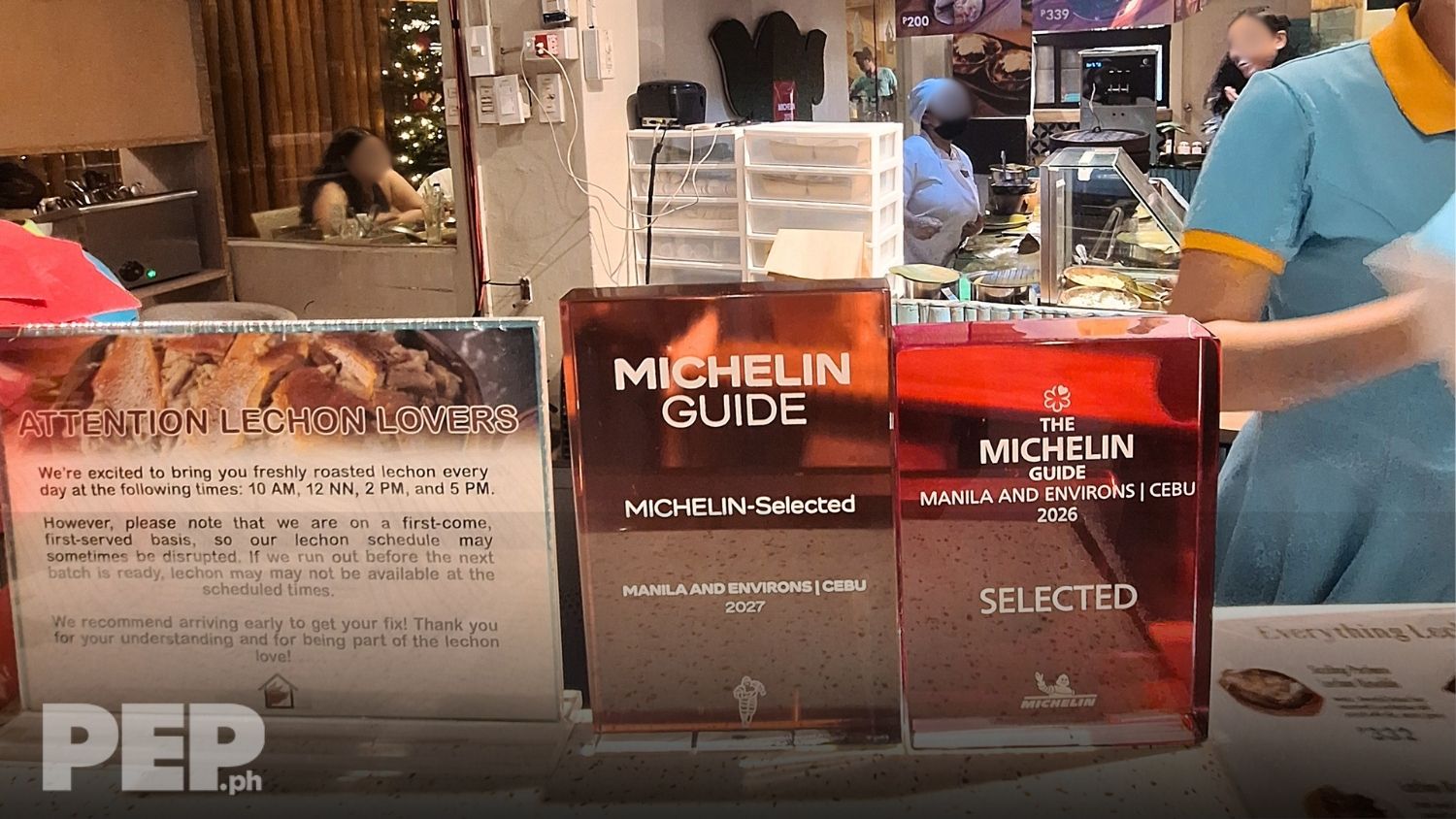
For the second consecutive year, the flagship branch is MICHELIN Selected, a distinction that recognizes the restaurants' quality of food and dining experience.
When we arrived on Saturday night, a crowd was already gathering outside the restaurant.
Cars were lining up along the street as some drivers dropped off diners and others looked for a place to park.
It could have been the usual Saturday night crowd, or the restaurant’s MICHELIN recognition, announced less than two weeks earlier, may have drawn more diners.
The two MICHELIN plaques are propped side by side at the reception corner.
As we inquired to reserve a table for two, the staff member advised us that there was no more lechon. It was sold out as early as 6:00 P.M.
We arrived at the restaurant around 8:00 P.M.
A bit disheartened, we decided to eat dinner nonetheless.
Almost all the tables inside were occupied, either by friends hanging out together or by families with everyone from grandparents to little kids.
Read: LIST: 2027 MICHELIN-recognized Restaurants in the Philippines
VERDICT: THE FOOD, THE SERVICE
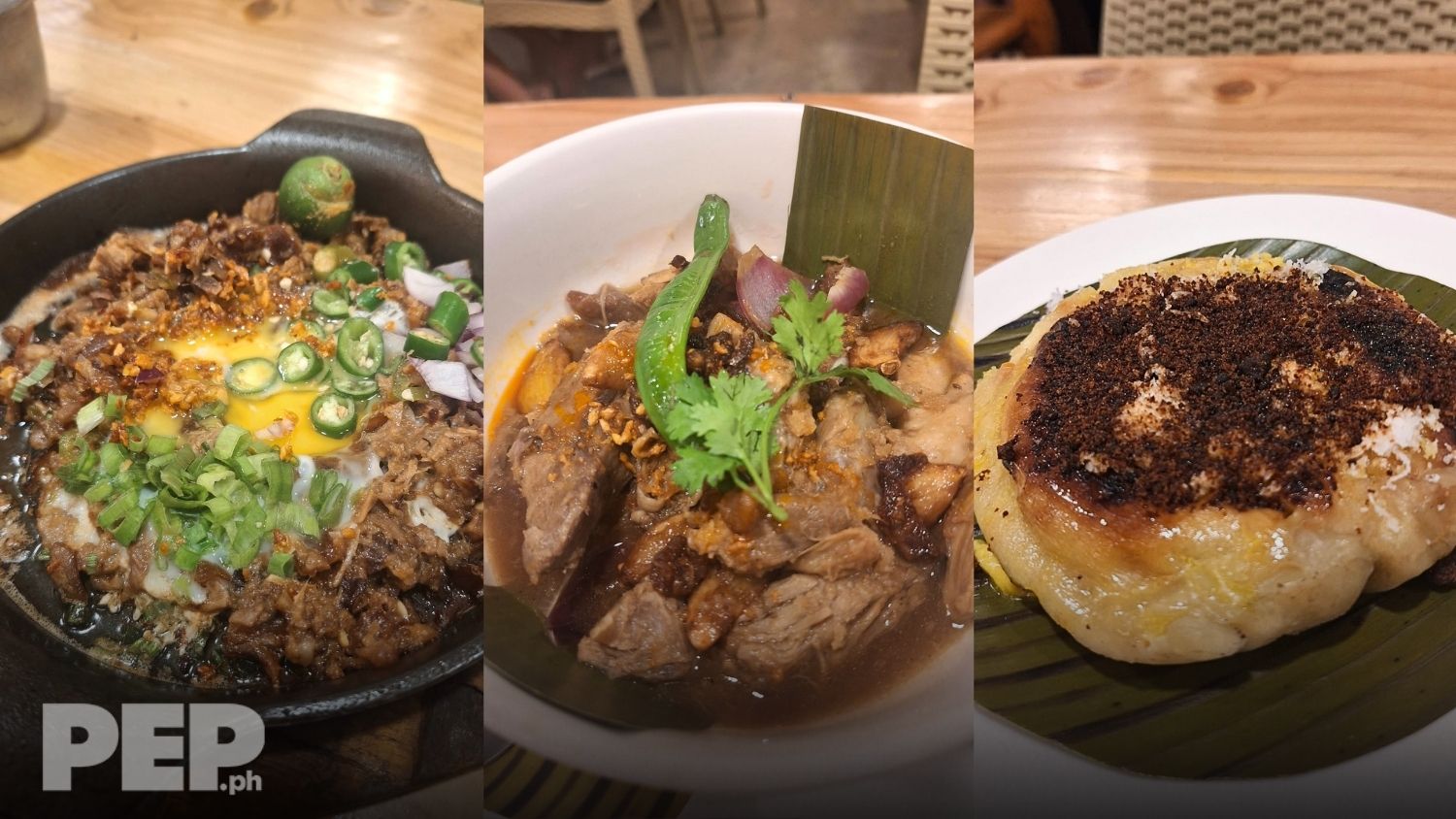
Once seated, we decided to go for its other best sellers: Lechon Paksiw (PHP360) and Lechon Sisig (PHP299).
Our dessert, the Bibingka (PHP215), was the first dish to arrive. We devoured it while it was still warm.
At first bite, it reminded me of how bibingka is traditionally made, with galapong, coconut milk, and butter.
It was a bit bigger and thicker than the usual bibingka.
It tasted heavenly, thanks to the desiccated coconut and muscovado sugar, along with generous amounts of itlog na maalat and cheese inside.
Then came the two other dishes, the Lechon Sisig and Lechon Paksiw, served with two orders of steamed rice placed inside cute kalderos.
The Lechon Sisig, even after squeezing out the calamansi, did not have any overpowering taste. Again, it tasted like lutong-bahay. It tasted right.
What’s fascinating about it is that the more you eat it, the more you want to keep on eating.
The Lechon Paksiw is a good combination of sourness and saltiness. The generous use of laurel leaves gives it a fragrant aroma and a more distinct taste. This dish works perfectly well with rice.
Apart from the satisfying dishes and dessert we had, what really caught my attention was the energy of the place and the nice staff.
While they were busy attending to the many customers that almost filled that restaurant, each staff appeared quick to his feet.
With so many diners to attend to, the staff looked a little flustered.
They were ready to help, offering recommendations and answering our questions about the dishes.
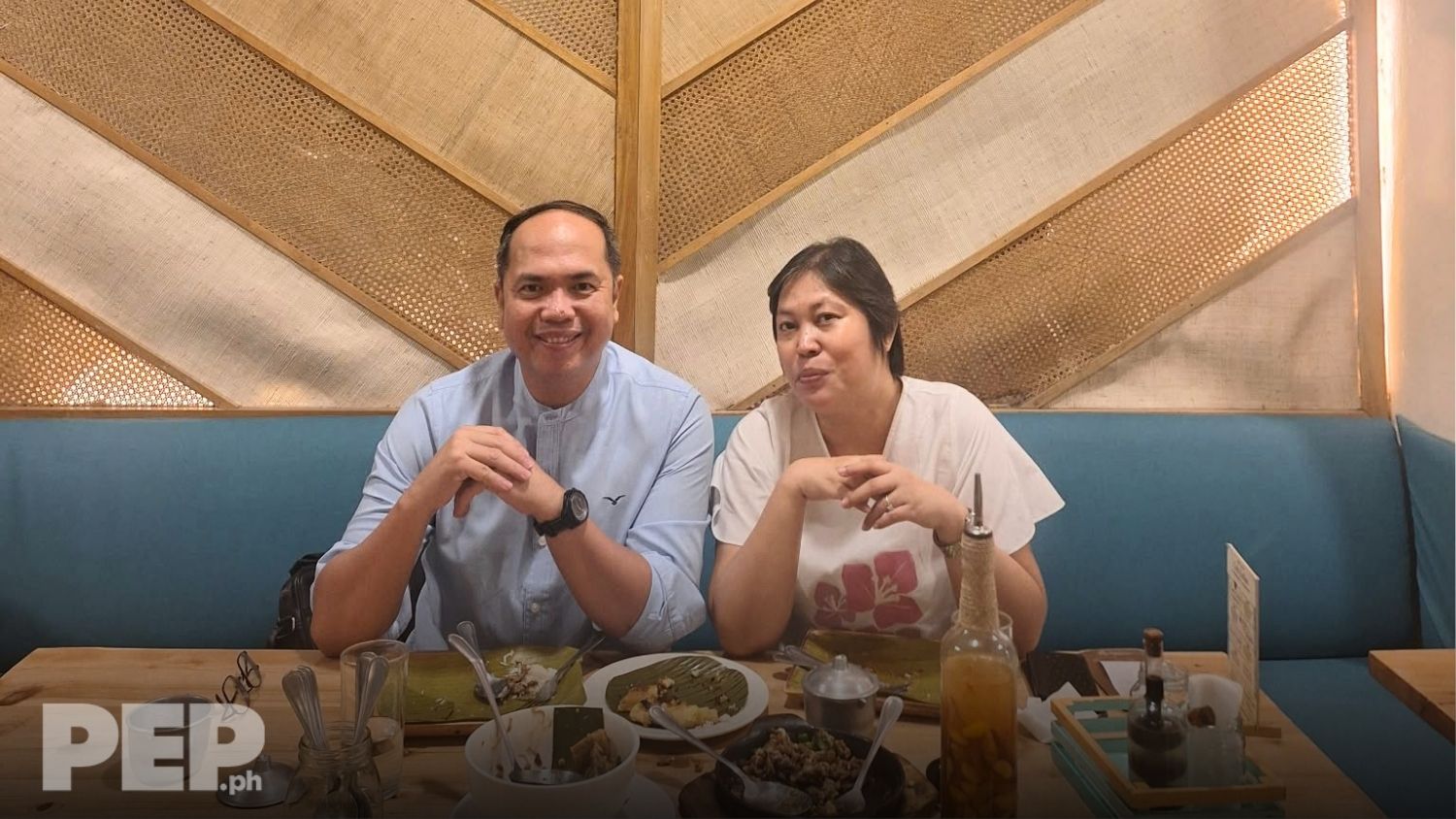
It was fun to watch the staff gather around tables to sing for diners celebrating their birthdays. Their rendition of “Happy Birthday” was a little extra, and it got people smiling.
The MICHELIN Guide’s five criteria focus on the food. Inspectors look at the quality of the ingredients, mastery of cooking techniques, harmony of flavors, how the chef’s personality comes through in the dishes, and consistency.
Between the good food and the warm service, I enjoyed dinner at House of Lechon. If only we’d arrived before the lechon sold out.
Read: LIST: Four Pampanga food spots in the 2027 MICHELIN Guide