
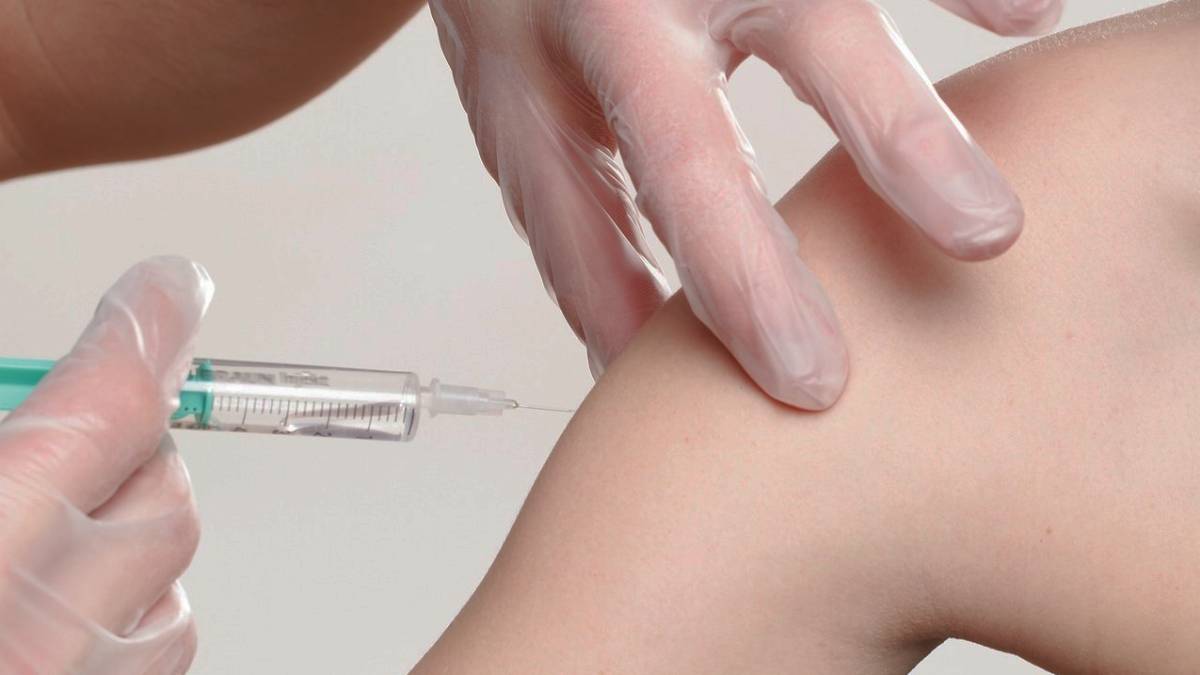


Is it true that vaccines make people sick? Do they contain harmful toxins? Is the flu vaccine ineffective?
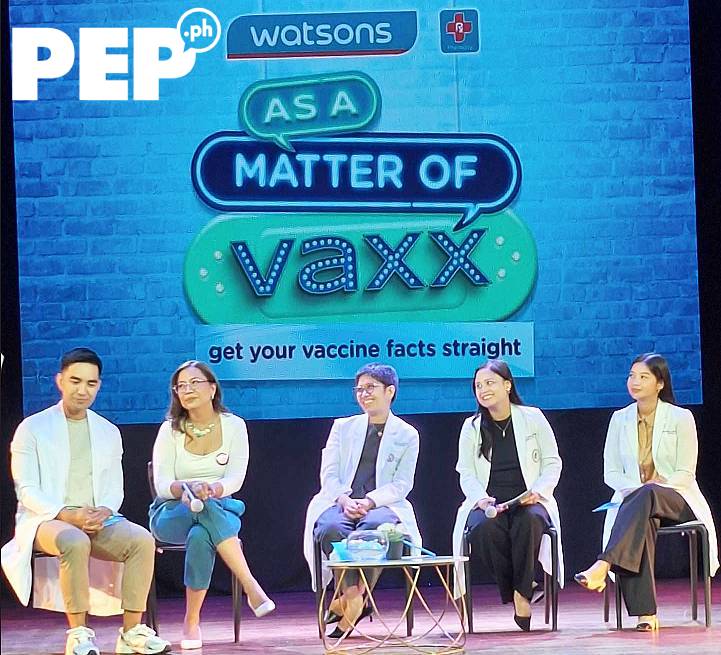
These pressing questions were addressed by four doctors from different specializations at the Watsons As A Matter of Vaxx forum, held at Tower II, RCBC Plaza, Ayala Avenue, Makati, on October 15, 2024.
During the event, they debunked popular misconceptions about vaccines.
What’s fact, and what’s myth? Here's what they revealed.
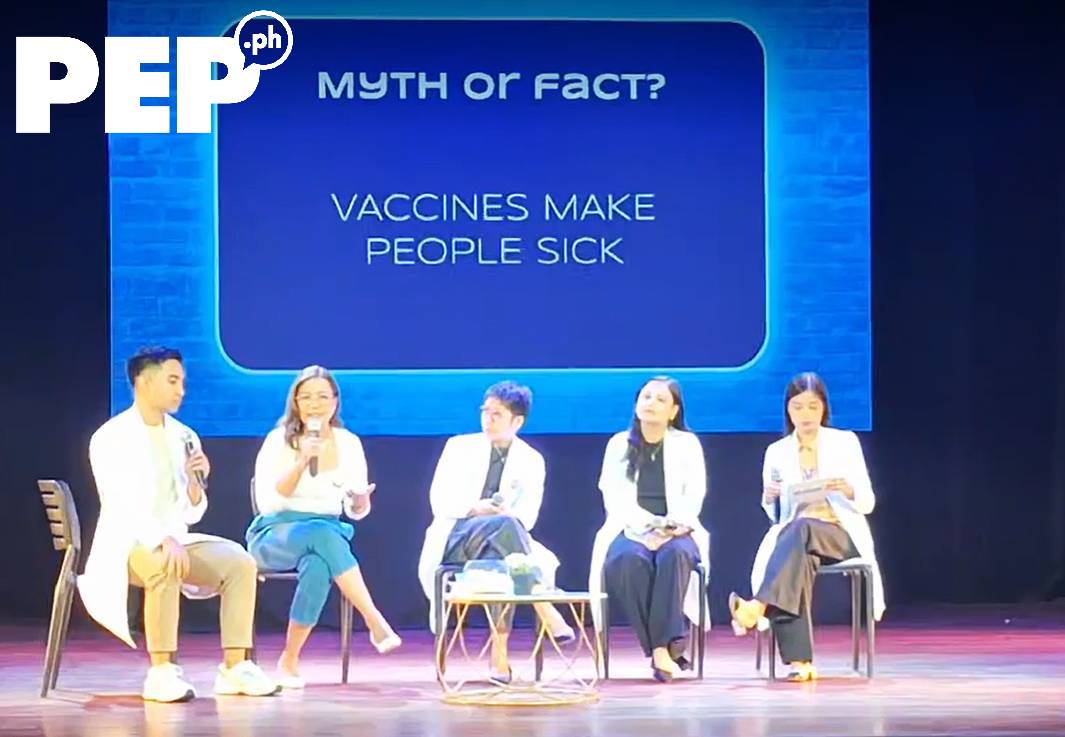
DO Vaccines make people sick?
This is a myth, according to Dr. Cristina Ignacio-Alberto, MD, who is also a board member of the Philippine Foundation for Vaccination.
She began, "Vaccine prevents sickness and ailments. People fear vaccine because of the side effects.”
However, the “little side effects,” such as fever, pain at the injected area, and tiredness, are “very mild and minimal...compared to getting the real thing, actual disease."
For those who are bothered by the side effects after vaccination, she underlined, “It’s expected because our body is launching an immune response to the vaccine. We will get systemic and light side-effects.”
She assured that medical doctors always prioritize the well-being and concerns of their patients.
Dr. Alberto continued, ”We are out there for the best interests of people. So we’re not putting out vaccines to make people sick, but to prevent [sickness].”
Is vaccination better than natural immunity?
Dr. Nicole Anne Buenavista, MD, a member of the Philippine Digital Medicine Society, compared vaccines to a protective shield, emphasizing their role in safeguarding health.
“If you’re gonna face a war, you’re not gonna face a war na you’re not ready. Talo ka talaga.
“Vaccination is preparing your immune system against an exposure to a virus.
“Gumagawa na siya ng antibodies, ng mga sundalo, na preparing in case you get exposed to the virus.”
She also pointed out that exposing yourself to virus and relying solely on your natural immune system is very risky.
“It’s better to be prepared. You would rather face a war na kaya ng katawan mo, di ba?
“It’s better safe than sorry, kaya vaccine is better than natural immunity.”
Read: Supreme Court creates channel for judicial corruption complaints
Are vaccines safe?
One common belief is that vaccines contain harmful toxins.
Dr. Minette Claire Rosario, MD, clarified that this is false.
She explained that the development of a vaccine is a lengthy and rigorous process, involving extensive studies, trials, and tests to ensure both efficacy and safety.
“The process of preparing and evaluating a vaccine goes through a very, very long process, and it’s very rigorous,” said Dr. Rosario, the former chair of the Adult Immunization Committee of the Philippine Society for Microbiology and Infectious Diseases.
She added, “It’s not only parang in the clinical trials na. Hindi siya gano'n. Marami pa—licensing, approval, there’s also a process where the physicians are actually required to report about any arduous events.”
It is widely known that vaccines are made from the same strain of the virus they aim to protect against.
Dr. Rosario summed it up by saying, “It’s the harmless version of the virus or the bacteria that’s been engineered to make sure that you receive the most protection from the vaccine.”
Flu vaccine doesn’t work?
This is a myth.
Dr. Alberto said, “Some people would ask, ‘Naku, bakit every year kailangan mag-flu vaccine? So, siguro hindi effective, kaya every year.' That’s not true.”
But why is there a need to get a flu shot annually?
“Remember, there are different types of vaccines for Varicella [chickenpox], your live viruses like measles, you get two shots [then] lifetime na yung protection.
“But it’s different for flu. Remember, flu, usually, they mutate. They’re very intelligent viruses.
“So every year, they mutate. So every year, we have to get the strain that is predominant doon sa area para maging effective siya.”
Can ANYONE get a vaccine without consulting a doctor?
Vaccines for individuals 17 years old and below should first consult a pediatrician.
Dr. Gilinezabel Igbiten-de la Fuente, MD, Diplomate, Philippine Pediatric Society, explained, “Of course, kailangan nating dalhin yung mga anak natin sa pediatrician for proper assessment.
"Usually in the clinic, we have to get the medical history, past history, past immunization history or history ng allergies.
“If they had allergies before and we avoid those vaccines na puwedeng maka-cause ng side-effects sa patient. We have to check the individual status of our children.”
She added, “Kailangan ang immunization ng children should be individualized. It cannot rely on others kung ano yung mga immunization na kailangan ibigay sa bata.
“For every patient, we have different recommended immunization for that age… the interval of the vaccine, the doses… so we have to ask for the opinion of our pediatrician.”
Read: Can PWDs claim discounts on group meals and online orders?
VACCINES AND THEIR BENEFITS
At the forum, the doctors discussed why vaccination is vital for an entire community.
Dr. Rosario explained, “Vaccination is the process where you receive the actual vaccine, yung medication.
“Immunization is the process where, after you receive the vaccine, your immune system develops protection…
“The vaccine prevents the disease, so vaccination is the process where you receive the vaccine, and you go through the process of immunization.
"You develop all these protective immunities, or your body mounts its own defense.”
Moreover, she highlighted that receiving a vaccine and developing immunity means “there's already recognition that you received a harmless form of the virus or bacteria, which actually protects you for a very long time.”
Dr. Alberto further emphasized the broader benefits of vaccination.
“When we talk about vaccination, we’re not just talking about individual health, but also the health of the entire community.
“Minsan kasi, when we think of vaccines, we just think of cough and colds, but we don’t realize that these diseases, which vaccines prevent, can actually harm a child, cause lifelong disability, and even lead to death.”
She also pointed out that vaccination for specific diseases can prevent severe harm to the body. For instance, she mentioned the vaccine for Hepatitis B, which can prevent liver cancer if treated early.
“When we talk about the flu vaccine, it’s not just about the flu per se.
"Remember, especially with the elderly who have comorbidities like heart and cardiovascular diseases, they are more prone to complications after flu.”
She also painted a scenario in which refusing vaccination leads to more severe consequences, including hospitalization and increased medical costs.
“But if we just get our vaccine, which costs much, much less, we can prevent all of that,” she stated.
“We prevent the spread of infection in the community—like COVID. If not for the COVID vaccine, malamang may COVID pa."