
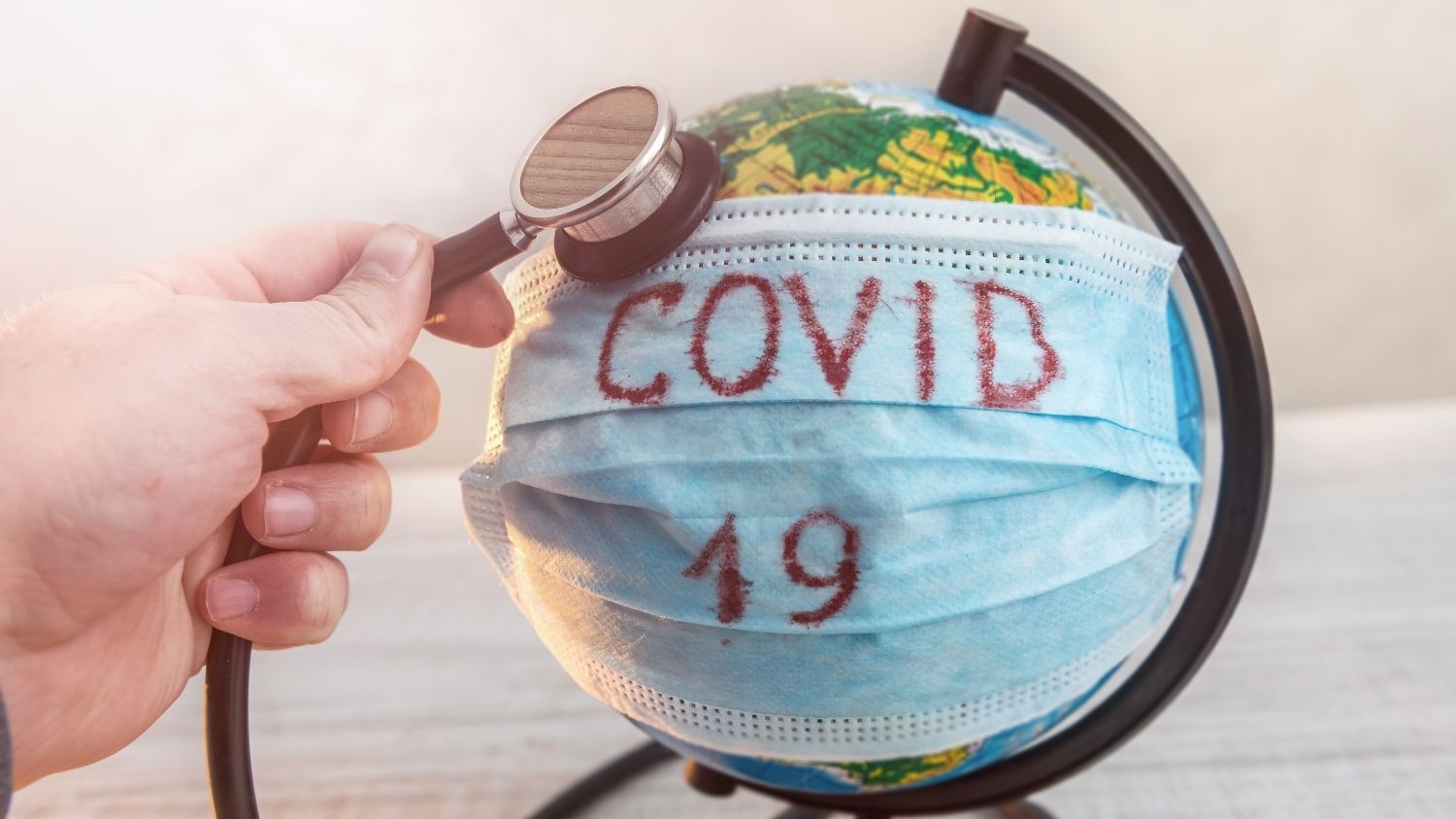

It may not be obvious, but Long COVID is real—affecting millions in ways that mirror other invisible disabilities.
More than four years since the pandemic happened, many continue to live with persistent symptoms that alter daily life, limit mobility, and impact their long-term health and livelihood.
What Is Long COVID?
Long COVID refers to the continuation or development of new symptoms following a SARS-CoV-2 infection, typically lasting more than three months.
According to pulmonary specialists, anyone who gets COVID—whether their case was mild or severe—may be at risk.
“If COVID symptoms get worse or persist till three months later, it’s suspected Long COVID already,” said Dr. Camilo Roa Jr., a leading respiratory medicine expert.
At the event dubbed Long COVID Conversations held in Quezon City last November 17, 2025, Dr. Roa emphasized that Long COVID does not choose its victims.
“It’s the older guys that have comorbidities. But even young people can also be potentially carriers,” he explained when asked whether age plays a major role.
Pediatric pulmonologist Dr. Amelia Cunanan echoed this and noted that “the youngest and the oldest would be the most susceptible individuals for the disease.
“COVID is here to stay,” he reminded the public.
The Facts We NEED TO Know
Current global estimates indicate that around 65 million people are living with Long COVID, according to the World Health Organization (WHO).
Research continues to evolve, but these key points remain clear:
- Anyone infected with SARS-CoV-2 is at risk, regardless of severity of the initial illness.
- Long COVID affects all age groups, including children.
- It is a multi-organ illness with more than 200 recorded symptoms.
- Symptoms can persist for months or even years.
- These symptoms can be debilitating, affecting a person’s ability to work, participate in daily activities, and maintain overall quality of life.
- The condition significantly impacts employment and healthcare costs.
- Multidisciplinary care—spanning medical management, rehabilitation, and psychosocial support—is crucial for recovery or long-term management.
An Invisible Disability
Long COVID is often described as an invisible illness. Many who live with it look “fine” on the surface, but they experience chronic, life-limiting symptoms beneath.
Like many invisible disabilities, Long COVID can lead to isolation, misunderstanding, and invalidation from those unaware of the condition’s severity.
Many suffer in silence, unsure how to explain symptoms that fluctuate or seem inexplicable to others.
Advocates put emphasis on the urgent need for public awareness and institutional support to ensure patients are recognized, accommodated, and provided with adequate healthcare approaches.
Stories Behind the Symptoms
Three panelists—each with a unique perspective—shared insights and lived experiences.
Camilo Roa Jr., MD, FDCP, FPCCP
A respected Filipino physician and academician, Dr. Roa has contributed extensively to COVID-19 research, clinical guidelines, and public education.
Ma. Rebecca M. Galvez Tan, MAN, RN
For four years, Becks Maraña-Galvez Tan has lived with Long COVID. A nurse and former executive director of Health Futures Foundation, Inc., she now advocates for awareness and leads support groups for fellow patients.
She recalled the intense and unpredictable course of her illness:
“I endured post-COVID symptoms month after month—shortness of breath, difficulty swallowing, hair loss, loud and deep burping like a croaking buffalo frog, breathlessness, elevated heart rate when bending over, and heightened sensitivity to noise, light, and even the usual food and medicine I have been taking.
“Hardly have I recovered from one symptom, there came another. I was in a state of permanent crisis with suffering that seemed to be unending.”
Her recovery journey has been equally demanding:
“The first two years of Long COVID were like a roller coaster. Three fourths of my lungs were damaged by SARS-CoV-2 so I had to struggle with oxygen desaturation, countless breathless moments, huffing and puffing.
“With aggressive physical therapy, I eventually got back on my feet.
“On the fifth month, with pulmonary rehab, I could breathe and walk without oxygen support and even play non-competitive ping pong for 15 minutes.
“I dared walk the 2.2 km UP Diliman Oval and finished it an hour and a half longer than usual.”
Despite her progress, the emotional toll the ailment left lingers still.
“There are too many things that used to give me joy that I couldn't do anymore. Long COVID robbed me of the life and the self I once knew.”
Galvez Tan launched her e-book, The Saga Behind The Smile: My Long Covid Journey, in the same event. It’s accessible through bit.ly/MyLongCovidJourney.
Roel A. Balignasay
A Long COVID patient for more than four years, Roel works with OlyLife Philippines and champions holistic health and financial wellness.
His experience underscores that recovery is neither linear nor guaranteed, and that support systems play a vital role.
It also highlights how deeply the condition can affect one’s emotional and psychological well-being.
His symptoms had significant impact on his career and sense of self. His mental health was greatly affected.
He used to be motivated, and he was a hard worker, but the symptoms have been debilitating. The disease took a toll on his well-being.
“Recently, I had to resign from my work to focus on my recovery,” Balignasay said.
He needs to support his family, but in order to do that, he must fill his own cup first.
The Importance of Support Groups
For many patients, support groups have become essential lifelines—safe spaces where they can share struggles, compare symptoms, seek guidance, and feel understood.
These communities reduce isolation and help patients navigate the complexities of an often misunderstood condition.
Support groups also help bring Long COVID into public consciousness, ensuring that the experiences of millions are neither dismissed nor forgotten.