
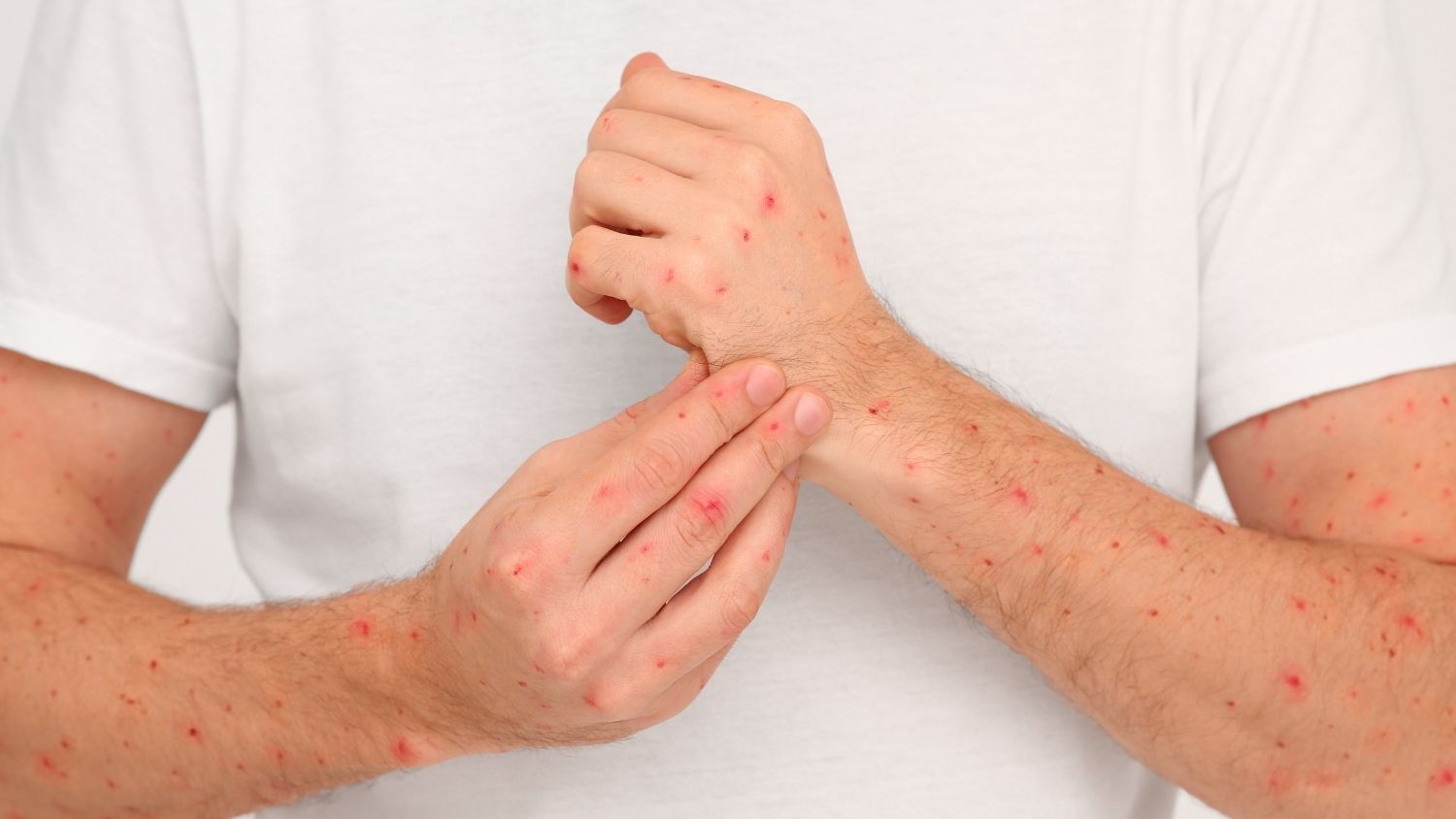


A confirmed monkeypox (mpox) case in Mandaluyong City has brought the disease back into public conversation.
But before you panic, the Department of Health’s (DOH) message is clear: this does not mean the country is experiencing an outbreak.
The city government confirmed the case on June 29, 2026, according to reports cited by the health office.
The condominium resident first noticed lesions in the genital area on June 21, then developed a fever the next day before going to the emergency room of a private hospital in the city.
The hospital later coordinated with the Mandaluyong City Epidemiology and Surveillance Unit.
The patient was placed under a 21-day quarantine even before the case was confirmed on June 25.
Contact tracing is currently ongoing with the condominium management and the City Health Department.
At press time, no other person with similar symptoms had been recorded.
Read: Ube vs. purple sweet potato: How to tell the difference
"No increase in numbers"
While the Mandaluyong case has drawn attention because it involves a condominium resident, it's far from being the only mpox case recorded in the country in 2026.
DOH Spokesperson Undersecretary Albert Domingo said that 44 mpox cases were recorded from January 4 to June 13.
But don't panic: that is actually 79% lower than the 205 cases logged in the same period in 2025.
“While the disease has always been around, there is no outbreak or even an increase in numbers,” Domingo said.
“The DOH does not discuss individual case circumstances to avoid stigma and to comply with data privacy laws, especially in the context of a markedly lower case count.”
The Mandaluyong case also comes less than two years after mpox triggered concern in the Philippines.
In 2024, a 33-year-old patient with no travel history outside the country led to the quarantine of 41 people who came in contact with him in a dermatology clinic and an illegal spa in Quezon City.
HOW DOES MPOX SPREAD?
Mpox infection occurs through close contact with an infected person.
It may be a skin-to-skin contact, an exchange of bodily fluids, or an indirect contact through contaminated items such as clothing and objects.
It can also spread through respiratory droplets during close, face-to-face interaction, though this does not mean it is airborne in the same way COVID-19 is.
That is why the DOH has previously said that there is no need for lockdowns: “Walang pangangailangang magkaroon ng lockdown dahil sa mpox dahil hindi ito airborne.”
Symptoms can include skin rash, fever, swollen lymph nodes, sore throat, muscle aches, and low energy.