

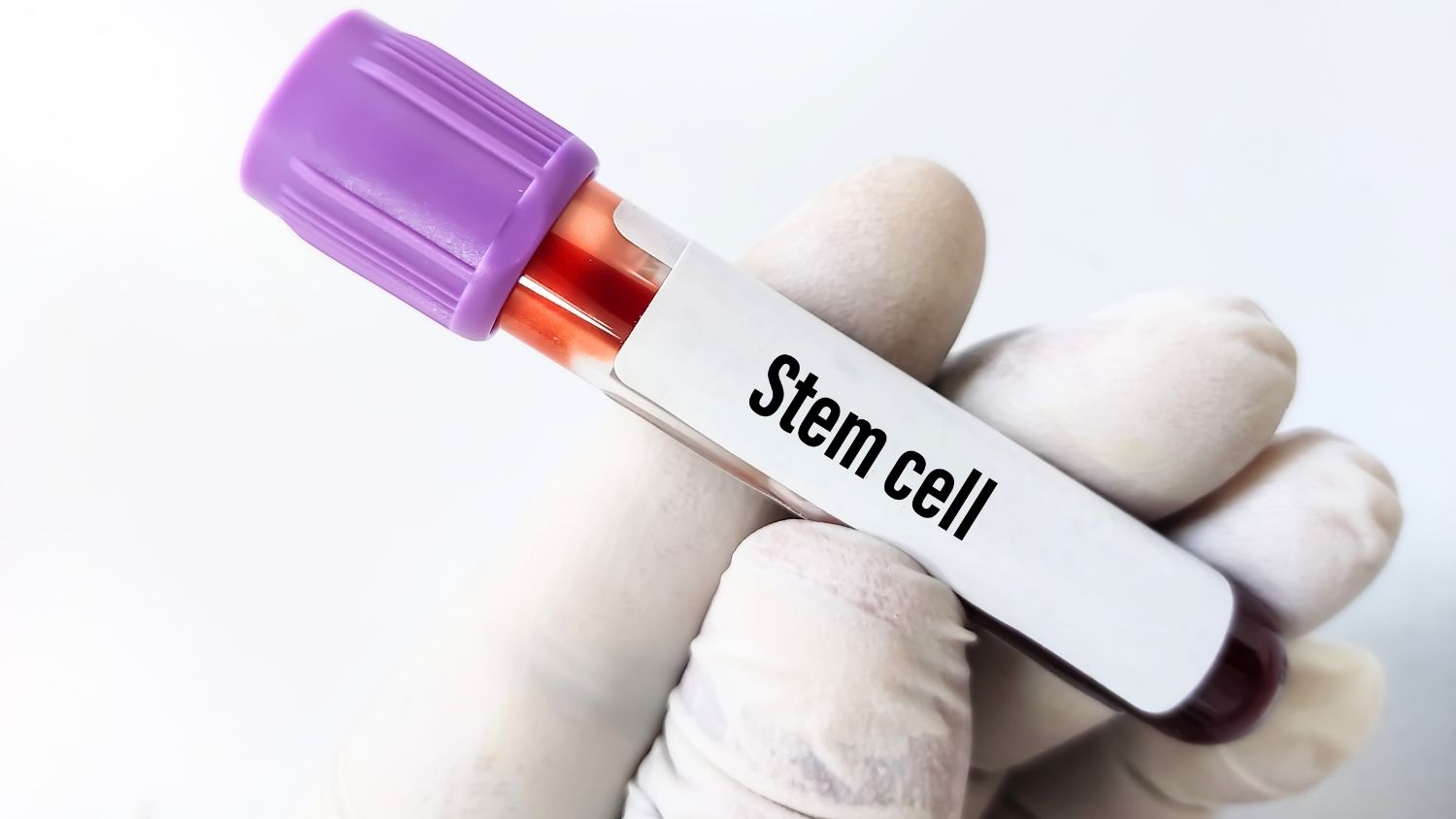

A group of medical experts established the Philippine Society of Regenerative Medicine (PSRM) to promote the safe, ethical, and properly regulated practice of regenerative medicine in the country.
The society’s founders stressed that the Philippines lags behind other countries in medical advancements.
They also pointed to the lack of a dedicated organization overseeing the practice of regenerative medicine as a factor that has allowed clinics to offer treatments primarily for profit, raising concerns about patient safety and ethical standards.
Regenerative medicine focuses on repairing, replacing, or regenerating damaged or missing cells, tissues, and organs to restore normal bodily functions.
Today, some practitioners operating aesthetic, health, and wellness clinics offer regenerative procedures, including stem cell therapies, which have become increasingly commercialized.
These treatments are often marketed for their potential anti-aging and aesthetic benefits, as well as for treating serious illnesses such as heart disease, cancer, and diabetes.
Read more:
Who are the five men in the viral Machong Chismisan episode?
Who is Mikhail Schemm, Sarah Lahbati's rumored beau?
However, such claims must be carefully evaluated, as not all regenerative treatments have been proven safe and effective for these conditions.
This is exactly the kind of scenario that PSRM wants to address, said co-founder Doctor Daryl Dumdum, a medical doctor who has diploma for family medicine and an expert in stem cell and regenerative medicine.
He mentioned that the hype surrounding a product or service often overshadows the need to scrutinize its legitimacy and effectiveness.
Dr. Dumdum urged Filipinos to do their research and verify the credibility of treatments before getting swept up in the hype.
He explained that PSRM “will regulate the practice of regenerative medicine so that we can achieve patient safety, ethical sourcing of our products, including those that are being marketed as stem cells.”
Read: UP graduates invent low-cost therapy device for stroke survivors
REGENERATIVE MEDICINE EXPLAINED
Dr. Quincy Raya, president of PSRM, also wants the organization to focus on the proper practice of regenerative medicine, which she said, really starts with preventive method.
A long-time expert in the field as well as hormone optimization, Dr. Raya elaborated: “We have to prevent, provide early interventions, and treat diseases properly before regenerative medicine is going to be added into the regimen that we provide the patients.”
She suggested that many patients today think that regenerative medicine is equivalent to stem cell therapy as an immediate cure for wellness and health issues.
Dr. Raya clarified that stem-cell therapy is not for everyone, so doctors should not be quick to suggest this procedure as an immediate remedy.
She expressed concern over “doctors just giving stem cells with no evidence, no proper screening, not looking at the foundational facets that we should look at before treating patients with regenerative medicine...”
Dr. Dumdum seconded, “As regenerative medicine specialists, though it is our job to offer you the regenerative option that you can [try], it is also our job not to offer you the stem cells because number one, it's not approved.
“Number two, it will not work for you.
“We're not here for the money. We're here for regeneration. We're here for restoration and repair.
"Here in PSRM or Philippine Society for Regenerative Medicine, we advocate for, again, clinical safety, ethically sourced, biologics, research-based protocols.
“So it is our job to tell you this will not work for you, even if you are willing to pay for it.”
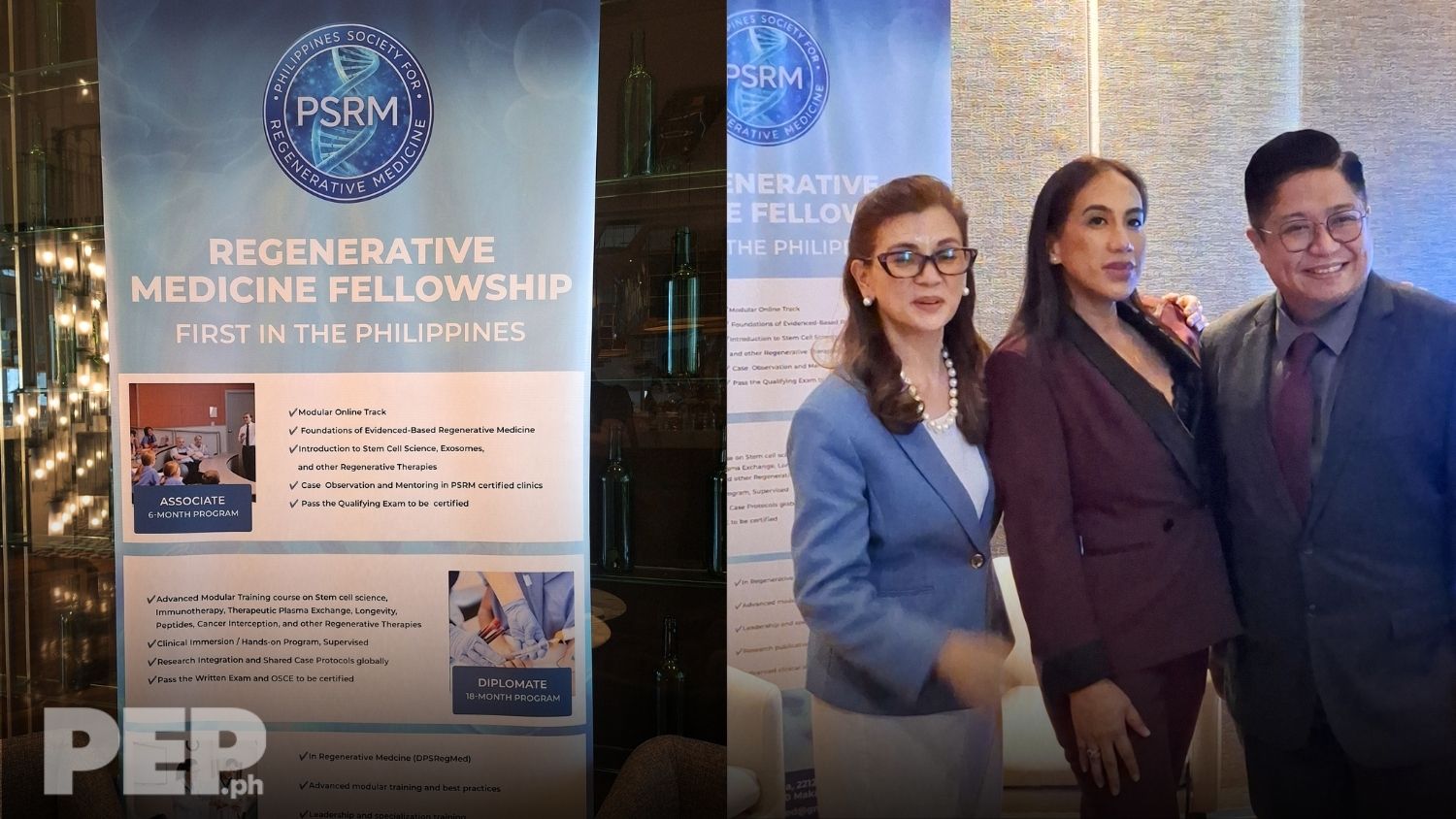
For an overview, stem cell therapy is not broadly approved because there are many stem-cell treatments that are not yet proven safe and still need to undergo many clinical trials.
Among the few stem cell therapies approved for use in the Philippines are corneal resurfacing, skin regeneration for severe skin loss, and hematopoietic stem cell transplantation for certain blood and bone marrow conditions.
Dr. Raya said regenerative medicine is composed of multiple approaches, which can include preventive, longevity, and lifestyle.
“They all work hand in hand as the foundational practice before regenerative medicine comes to play,” she said.
PSRM AS A CREDIBLE ORGANIZATION
The Philippine Society of Regenerative Medicine (PSRM) aims to establish a credible organization of experts dedicated to advancing the field of regenerative medicine in the country.
Dr. Dumdum underlined: “That's basically why we are forming the society.
"We're not just forming another medical group. We're forming the official Society for Regenerative Medicine, backed by scientific experts with the help of our DOH and FDA, and all the agencies in the government that can also help us toward developing standardized protocol for treatments of certain cases.”
For her part, Dr. Raya said: “I think the easiest way to say it is, if you're a patient or a family member of a patient who has disease, and you go to a doctor, right? You ask for a referral by someone who has already seen that doctor.
“Or you're going to ask, ‘Lisensyado ba ito?’ Right? 'Is this doctor a licensed doctor?'
“So from this organization, patients, their caretakers, the public, the media, the legislators will know who are the legitimate accredited practitioners in regenerative medicine.”
After a few years, Dr. Raya hopes that the Philippines will be placed in the map as a “center of excellence for regenerative medicine.”
As a first step, PSRM will hold its 1st annual convention at Discovery Primea, Makati City on October 21-22, 2026.