


Sa panahon ngayon, andaming nagsusulputang sakit na dulot ng viruses na kapag hindi naagapan ay maaaring lumala.
Pero lubos na nakababahala kapag ang pangunahing naaapektuhan ng virus ay ang mga sanggol o maliliit na bata.
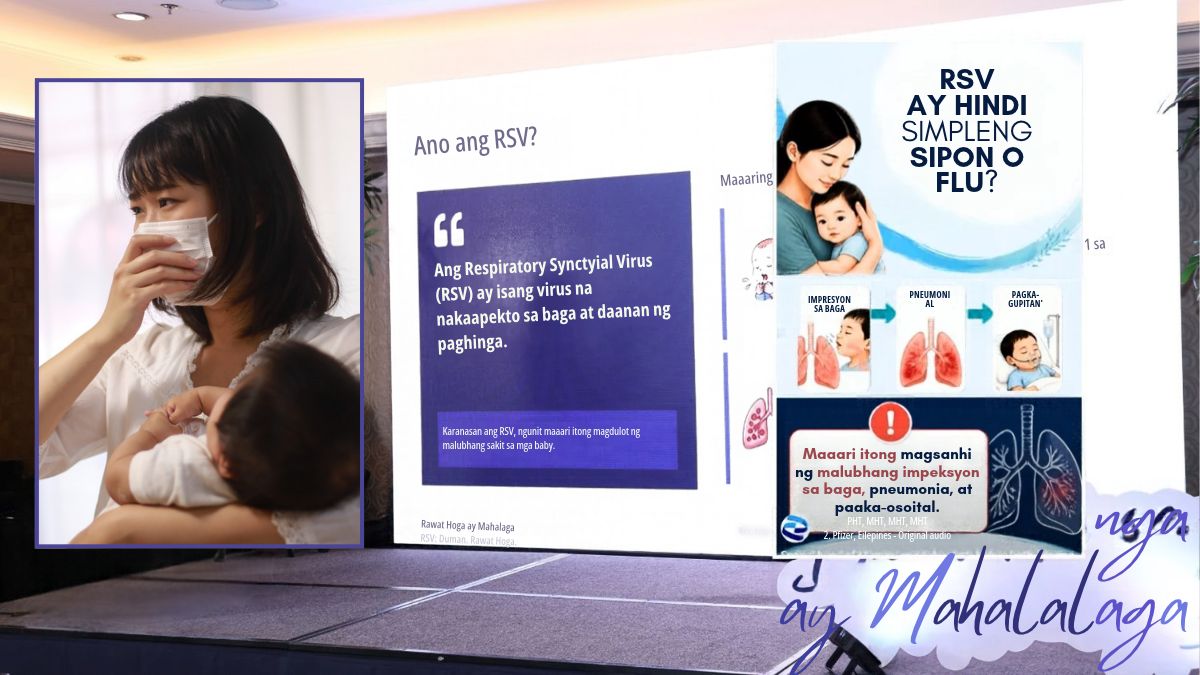
Tulad na lamang ng Respiratory Syncytial Virus (RSV), na ang pinupuntirya ay mga sanggol na five months old hanggang five years old.
Bago sa pandinig ito, pero mapanganib.
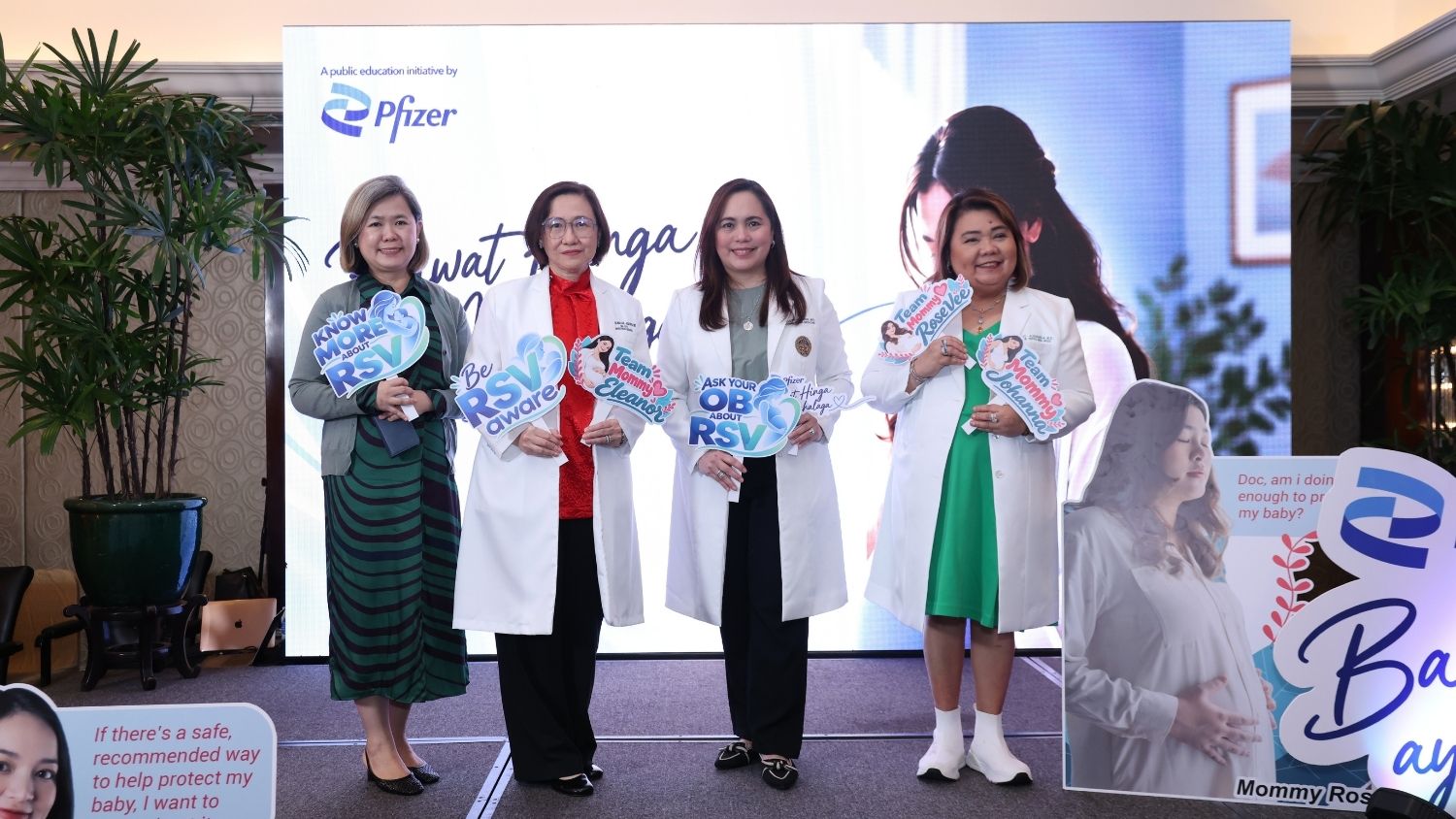
Kabilang ito sa tinalakay ng ilang medical experts sa Bawat Hinga ay Mahalaga, isang public information initiative ng Pfizer.
Ginanap ang event sa Batanes Function Room, Edsa Shangri-La, Mandaluyong City, nitong October 15, 2026.
Pero ano nga ba ang RSV at gaano ito kadelikado?
Read: Public ridicule of a PWD is a crime. What are the penalties?
UNDERSTANDING RSV
Tinatamaan ng RSV ang airways at lungs kaya maaari itong mauwi sa respiratory illness tulad ng pneumonia at lung infection kapag hindi naagapan.
Ang naging blakaid dati sa RSV ay wala gaanong impormasyon ukol dito, ani Dr. Anna Ong-Lim, isang respetadong pediatric infectious diseases expert.
Subalit noong nagkaroon ng better surveillance system ang medical industry, umusad ang research.
Ang challenge nga lang daw, mahirap itong ma-distinguish kung ihahambing sa iba pang respiratory diseases na magkakatulad ang sintomas.
“So hindi lang siya simpleng sipon. Papaano mo naman malalaman kung RSV iyan?" ani Dr. Ong-Lim.
“Kasi ang problema for most of these respiratory viruses, they do start off in the same way. They have a little bit of a scratchy throat, they have sneezing, you have or may not have fever, may or may not have body aches…
“And because the symptoms do overlap quite significantly, it’s very difficult to know which is which, unless you test.
“We can’t blame people for not knowing about this virus because we don’t even have a word for it, not up until very recently. We had the capacity to test for this very consistently.
“It can actually affect the lungs and breathing pathways. Certain proportion of patients, hindi naman lahat, can actually develop difficulty of breathing coming from infections in the lungs and pneumonia, and can lead to hospitalizations.”
Binanggit din ng espesyalista na nagsi-circulate ang RSV sa buong taon, pero mas prevalent ito sa mga buwan na mas malamig, gaya ng mga buwan ng September hanggang February.
Nag-o-overlap din daw ito sa panahon ng flu o trangkaso.
Suma total, sinabi ni Dr. Ong-Lim na: “Ang RSV is a virus that causes cough and cold illnesses.
"RSV can lead to severe presentations like pneumonia and severe bronchiolitis, which has increasing respiratory tract infection.
"The impact is high in children under age of six months, can cause hospitalization and death.”
Pero bago mag-panic, aniya: Preventable ang RSV.
SYMPTOMS OF RSV
Sa presentation, ibinahagi rin ng iba pang experts ang mga specific symptoms kapag tinamaan na ng RSV ang sanggol.
- Breathing – kapag may wheezing o kakaibang tunog sa paghinga
- Walang gana – hirap dumede o kaunting pag-inom ng gatas o fluids
- Low level of energy – mapapansin ang pagkakaroon ng low-grade fever, pagiging iritable ng sanggol, at matamlay o laging inaantok
WHEN TO SEEK ADVICE
Inirerekomenda ng mga experts na kung nababahala na ang sintomas, dapat kumonsulta agad sa doktor.
“If you see these symptoms sa babies niyo, wag na kayong magpatumpik-tumpik pa. You have to consult the doctor,” payo ni Dr. Catherine Joie Carelle Roux Ong, chair ng Department of OB-GYN, Tondo Medical Center.
“Walang sigla, ayaw nang dumede, at hirap nang huminga, this has to be addressed. So you have to bring your baby to your pedia.
“Importante is you have to recognize that there is something wrong…”
Read: Doctors caution public against unproven stem-cell treatments
SIMPLE preventive HABITS
Ipinaalala rin ng mga doktor na may mga simpleng paraan upang maiwasang mahawaan ng virus ang sanggol.
- Regular na paghuhugas ng kamay;
- Takpan ang bibig kapag umuubo o bumabahing;
- Ilayo si baby sa mga taong may sakit;
- Ugaliing mag-face mask kapag may sintomas
PREVENTION IS BETTER THAN CURE
Samantala, binanggit naman ni Dr. Anna Ignacio-Alensuela, associate professor and senior consultant sa FEU-NRMF Institute of Medicine, ang kahalagahan ng preventive measures.
“Ang Pinoy kasi, hindi po tayo sanay sa prevention. Hindi tayo sanay sa preventive medicine.
“Puro tayo treatment. In fact, may sakit na, ino-observe niyo pa.”
Paalala niya, “The old adage, ‘An ounce of prevention is always better than a pound of cure,’ still applies.”
Sa ngayon ay may available vaccine na raw kontra-RSV. Pero ito ay ini-inject habang buntis ang ina, upang makapag-develop ng antibodies ang sanggol habang nasa sinapupunan.
“We have a vaccine, grab it,” himok ni Dr. Ignacio-Alensuela.
Alam din niyang maraming buntis ang nagdadalawang-isip na magpa-vaccine.
Pero giit niya, “Vaccination during pregnancy is advocated.”
Sa katunayan, nirerekomenda raw ito hindi lang sa bansa kundi sa iba't ibang parte ng mundo, maging ang World Health Organization.
Dagdag niya: “The Philippine OB-GYN Society is the association of all OB-GYN in the Philippines and we have a committee on reproductive health.
“We want our pregnant women to be vaccinated. Actually, we want people to be vaccinated, not only during pregnancy…
“There are safe pregnancy vaccinations.”
Kabilang raw sa mga vaccinations na ligtas sa mga buntis ay ang tetanus, diphtheria, and pertussis (Tdap), lahat ng uri ng flu vaccine, gayundin ang RSV.