


With June marking the start of the typhoon season in the Philippines that typically lasts until the end of the year, Filipino households are once again preparing for frequent rains and possible storms.
The Philippines is among the countries most affected by tropical cyclones, averaging around 20 typhoons each year, making proper preparation a must for every household.
The Philippine Atmospheric, Geophysical and Astronomical Services Administration (PAGASA) is closely monitoring weather disturbances, including a low-pressure area that intensified into Tropical Depression Ester.
Tropical Depression Ester entered the Philippine Area of Responsibility (PAR) over the weekend, prompting storm signals in northern provinces.
As heavier rains and stronger typhoons are expected in the coming months, it’s best to stay one step ahead.
Before conditions worsen, here are the key things you should check at home to help prevent indoor flooding.
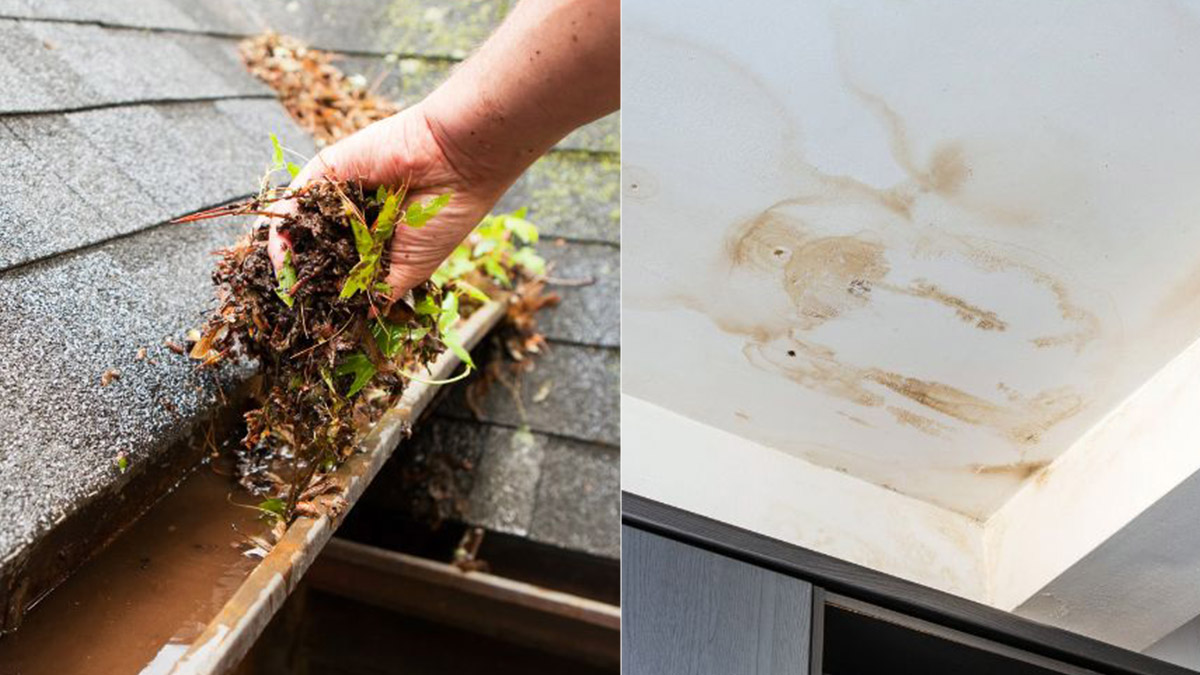
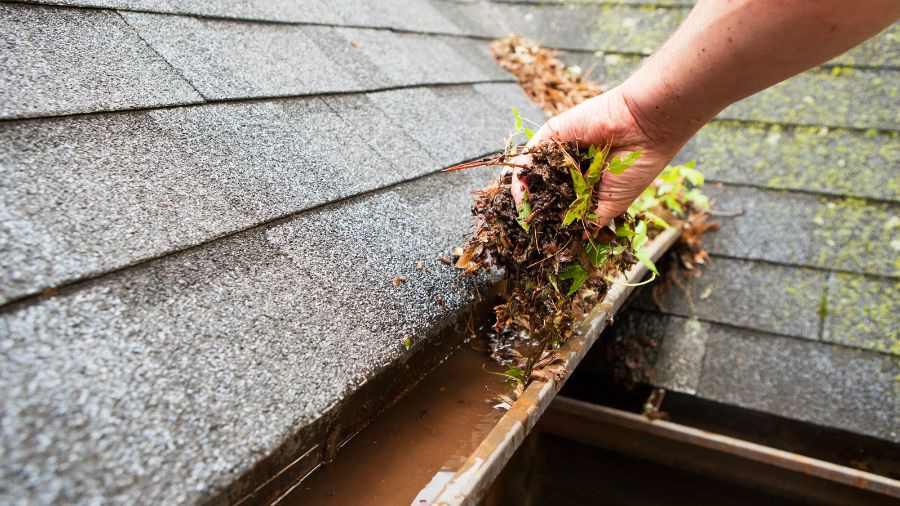
Keep Your Gutters Clean and Clear
Clogged gutters are one of the most common causes of indoor flooding.
When leaves, dirt, and debris block the flow of rainwater, it can overflow and seep into your walls or ceilings.
Make it a habit to check and clean your gutters regularly—especially before and during heavy rains—to ensure water flows away from your home properly.
Inspect Your Roof for Leaks
Your roof is your first line of defense against the rain. Loose shingles, cracks, or tiny holes can quickly turn into leaks during downpours.
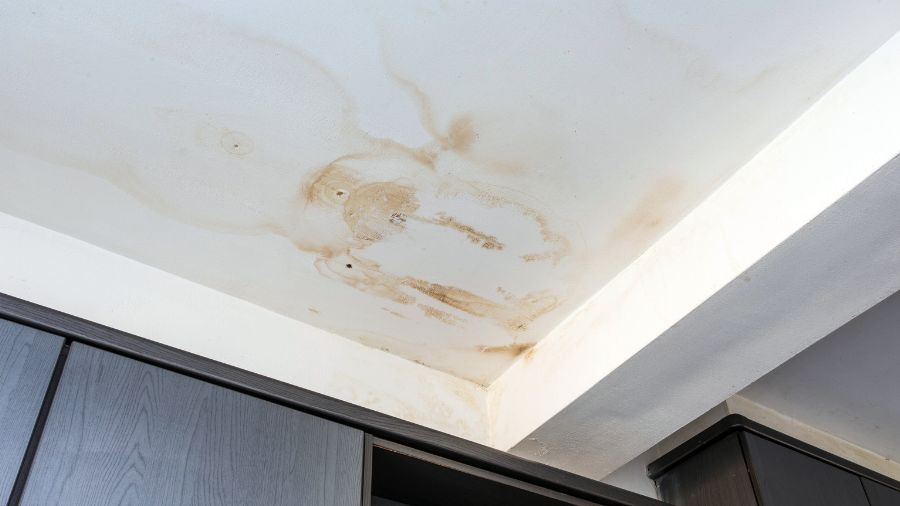
Before the rainy season hits, do a quick inspection—or hire a professional—to spot any damage. Watch out for warning signs like water stains on ceilings or dripping sounds.
Waterproofing your roof, balcony flashing, and walls is essential to prevent leaks.
In a TikTok video, content creator and architect Oliver Austria shares key factors to consider when choosing a waterproofing product.
He says: "Una, my dudes, dapat UV-resistant para hindi siya agad masisira ng araw.
"Pangalawa, dapat flexible at elastic siya para pag may paggalaw sa joints or cracks ay hindi mabubutas yung waterproofing niyo.
"Pangatlo, ay dapat compatible siya sa mga waterproofing accessories, tulad ng tape or mesh para mas epektib ang pag-seal sa mga dugtungan."
@llyanoliver Paano makaiwas sa mga Tagas lalo na't Tag-ulan? #waterproofing #fyp #architecture ? original sound - Oliver Austria
He recommends applying waterproofing product on roof decks, balconies, and other common leak-prone areas such as joints, flashing, and walls.
For metal surfaces, he emphasizes the use of a metallic primer before application, and notes it can also serve as a top coat for firewalls.
For best results, Oliver advises applying at least two coats, though he prefers three to ensure full coverage and minimize the risk of missed spots.
Check Drainage Around Your Home
Poor drainage can cause water to pool near your foundation and eventually seep indoors.
Ensure that outdoor drains are clear and that water flows away from your house.
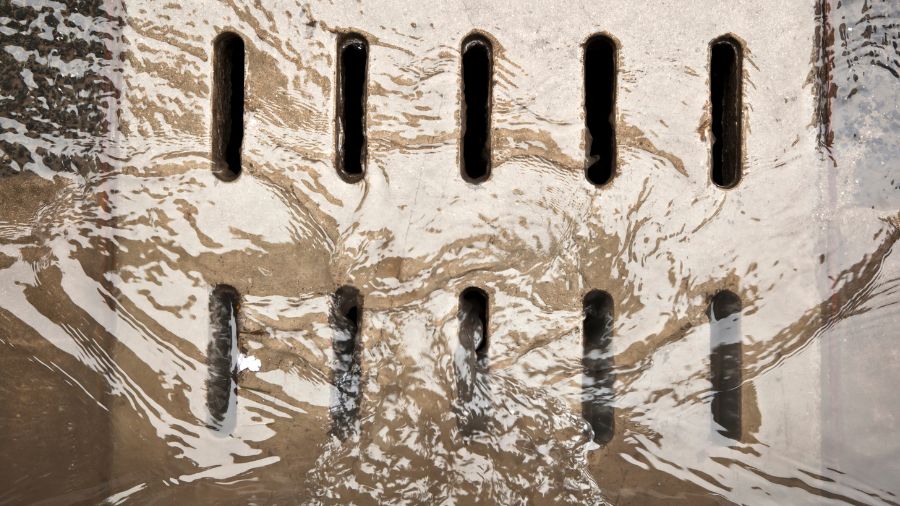
If you notice slow drainage, remove debris immediately or consider improving your system with simple solutions like gravel paths or trench drains.
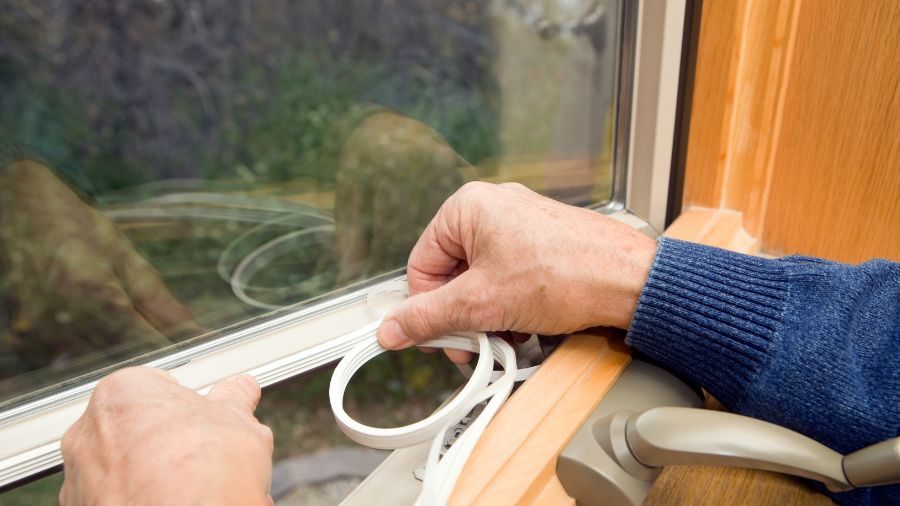
Seal Doors, Windows, and Cracks
Small gaps in doors, windows, and walls can let rainwater in—especially during heavy downpours.
Check for visible cracks and seal them with waterproof caulking or weather strips.
Use high-quality sealants to keep rainwater out and prevent it from seeping indoors.
Pay extra attention to ground-level windows and entryways, as these are often the most vulnerable during floods.
Elevate and Protect Indoor Items
If your area is prone to flooding, take extra precautions indoors. Raise furniture, appliances, and even electrical outlets if possible.
Using waterproof storage bins for documents and valuables can also help reduce damage in case water seeps inside your home.
RAINY DAY CHECKLIST
Prevention is always better than repair. Here’s a quick checklist to guide you:
Before the Rainy Season
- Inspect your roof for cracks, missing shingles, or rust
- Clean gutters and downspouts thoroughly
- Test drainage systems by pouring water and checking the flow
- Seal any visible gaps in walls, windows, and doors
During the Rainy Season
- Check gutters after heavy rains for new blockages
- Watch for leaks or damp spots inside your home
- Clear outdoor drains regularly to prevent buildup
- Stay alert for unusual water pooling around your property
By staying proactive—cleaning your gutters, checking your roof, and ensuring proper drainage—you can avoid costly damage and keep your household safe and dry.
After all, a little preparation goes a long way when the rains start pouring.
And if forecasts show higher warning levels—especially when authorities begin recommending evacuations during stronger signals—it’s always safer to prepare early and leave before conditions put your safety at risk.
Read more: