



In recent months, there has been a viral resurgence of the toy clackers, clacker balls, or clackables in Southeast Asia, after Indonesia's president Joko Widodo was seen playing with it in late 2022.
Slowly, it has found its way into the Philippines where locals refer to it as the "lato-lato."
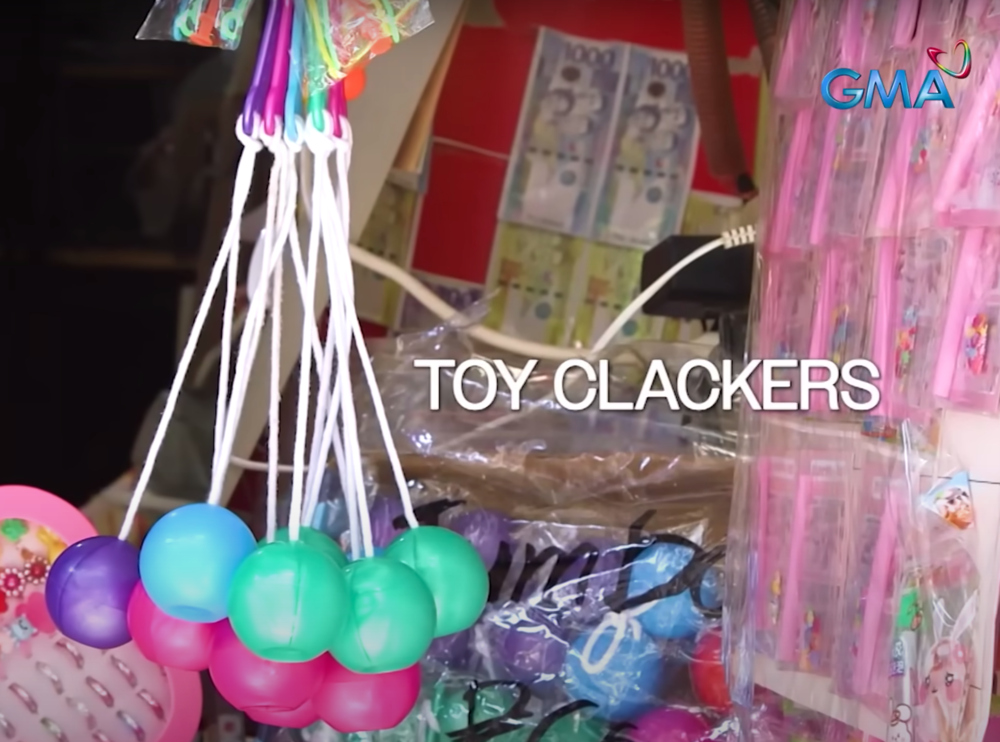
Today, celebrities and regular folks alike have played their part in the whole lato-lato craze.
However, as much clacking goes on, concerns regarding the safety of these toys have been called into question.
Read: FDA may babala tungkol sa ilang klase ng lato-lato toys
In 1971, British publication, Which? magazine, conducted a safety test on clackers using the safety standards set by the U.S., where the toy originated.
The results made its way to television through the BBC channel, resurfaced on BBC's YouTube channel in 2021.
Which? tested 17 brands of the plastic toy, covering all shapes, colors, and sizes.
Back then, these toys ranged in price from 15 to 50 pence, which was about PHP0.198-6.6 during that time.
GENERAL INSPECTION
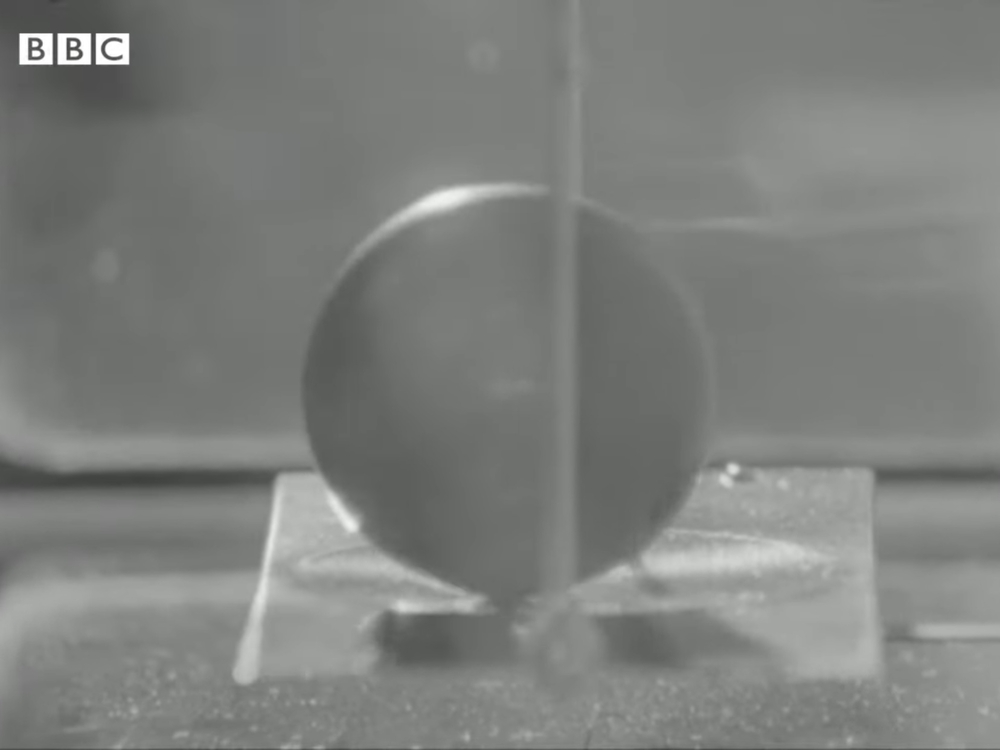
The first step in the safety test involved a general inspection of the clackables.
They were weighed to ensure they did not exceed the maximum weight of 50 grams, as stipulated by the American standards.
RESULTS
All the clacker balls passed this initial test.
SURFACE TEST
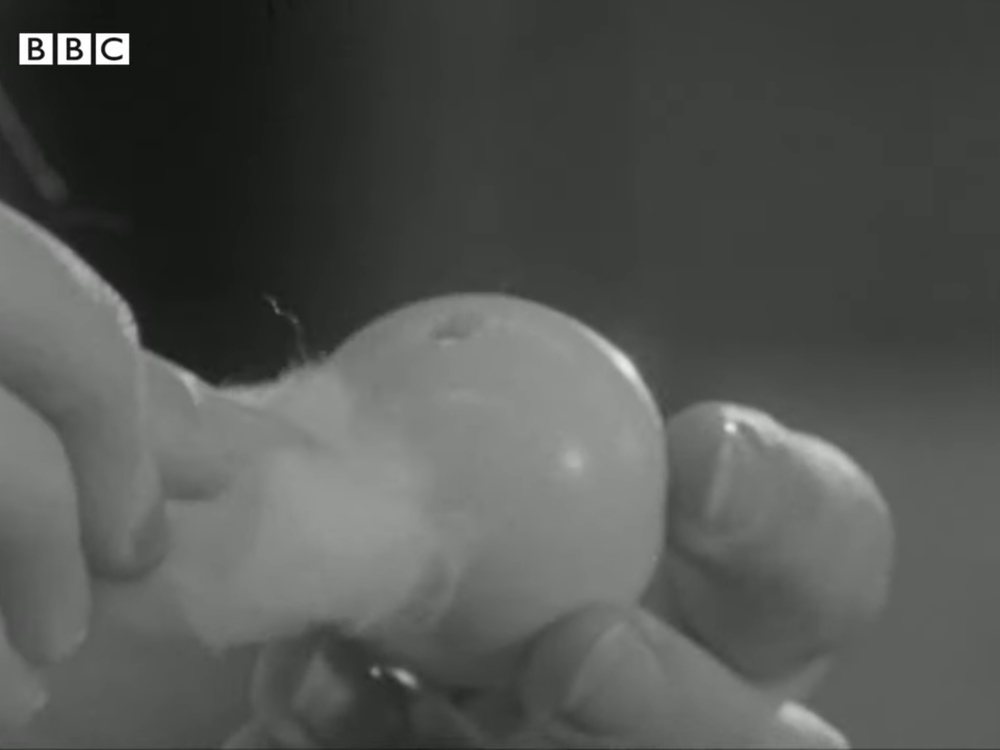
On to the next phase, the surface of the clackers was examined for rough edges, especially around the holes where jagged edges could potentially cause the string to fray.
RESULTS
Not a single ball had a flawlessly smooth surface, while only 4 out of the 17 makes had holes free of jagged edges.
STRING CHECK
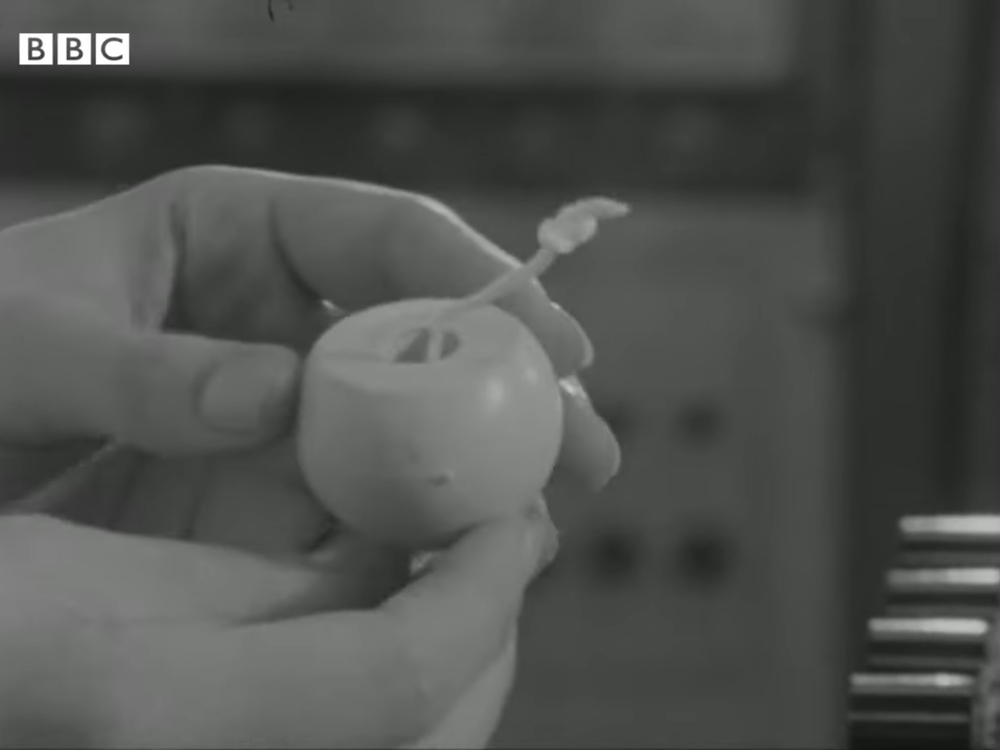
Another crucial aspect evaluated were the ends of the strings to determine whether or not they had been fused to prevent the knot from slipping.
A flawed knot had the potential to turn clacker balls into bullets in a matter of a second.
RESULTs
Only 5 clackers had strings with fused ends.
IMPACT TEST
To assess the clackers' ability to withstand impact, the testers dropped a five-pound weight onto the balls from a height of four feet, and filmed results with a high-speed camera.
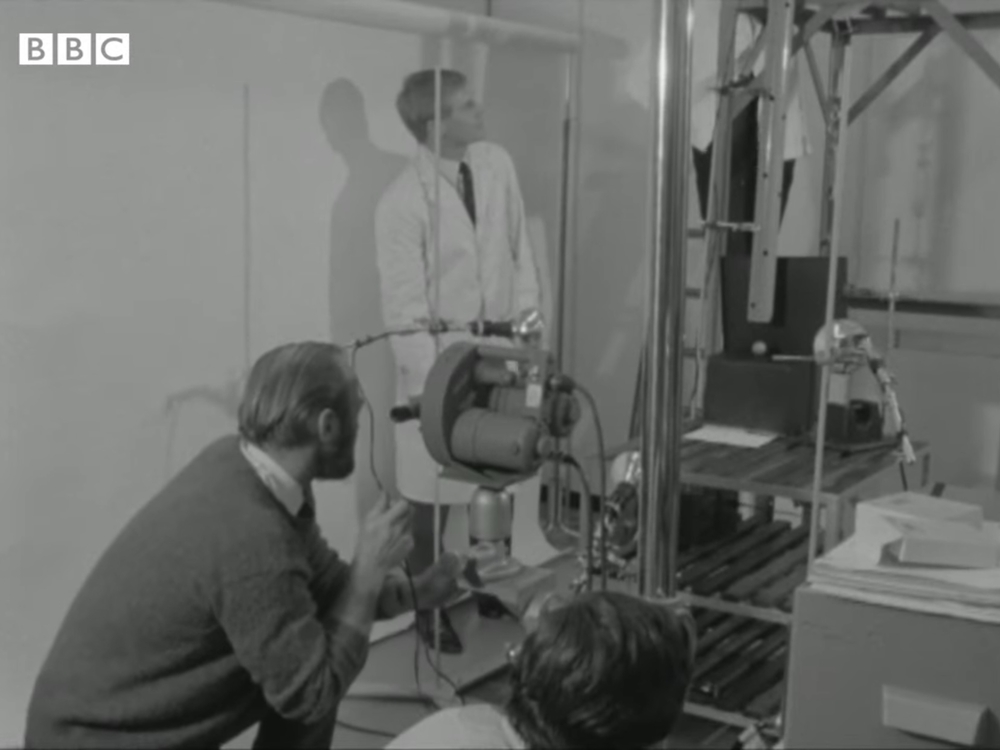
This test aimed to simulate the impact of the clackers repeatedly smashing into each other during play.
However, this particular experiment proved hazardous for the technicians, as many of the balls disintegrated and flew around the room.
Eventually, the researchers concluded that the American standards were too high for all the balls, leading them to reduce the impact threshold for the smaller clackers.
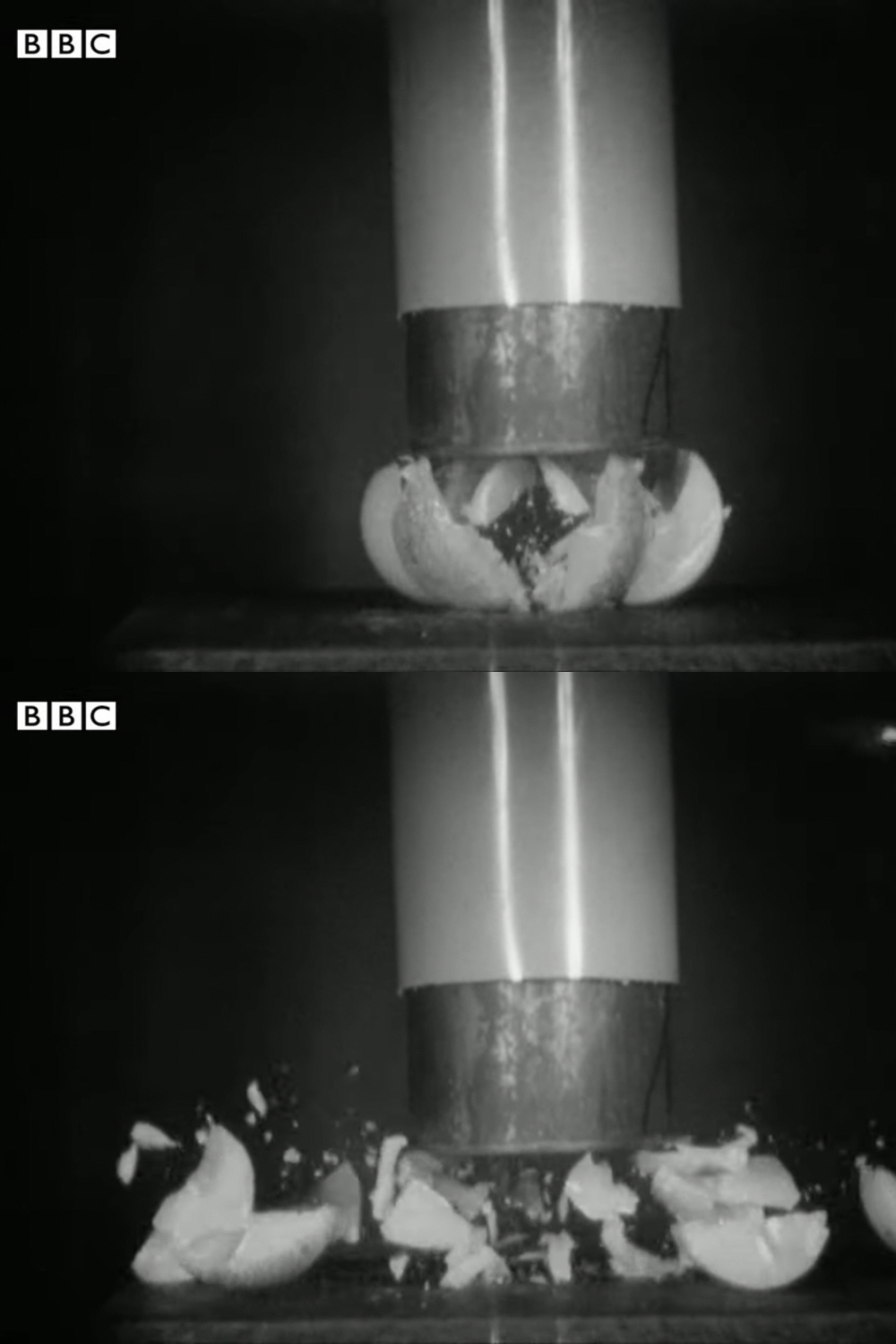
RESULTs
Only 3 balls passed the full-impact test, and even after adjusting the standards, only 7 managed to meet the criteria.
VOID INSPECTION
The clackers that passed the impact test were then dismantled, along with the debris of the failed ones, to inspect the voids—air bubbles in the molten plastic that weaken the structure.
Based on the American standards, no voids should be present.
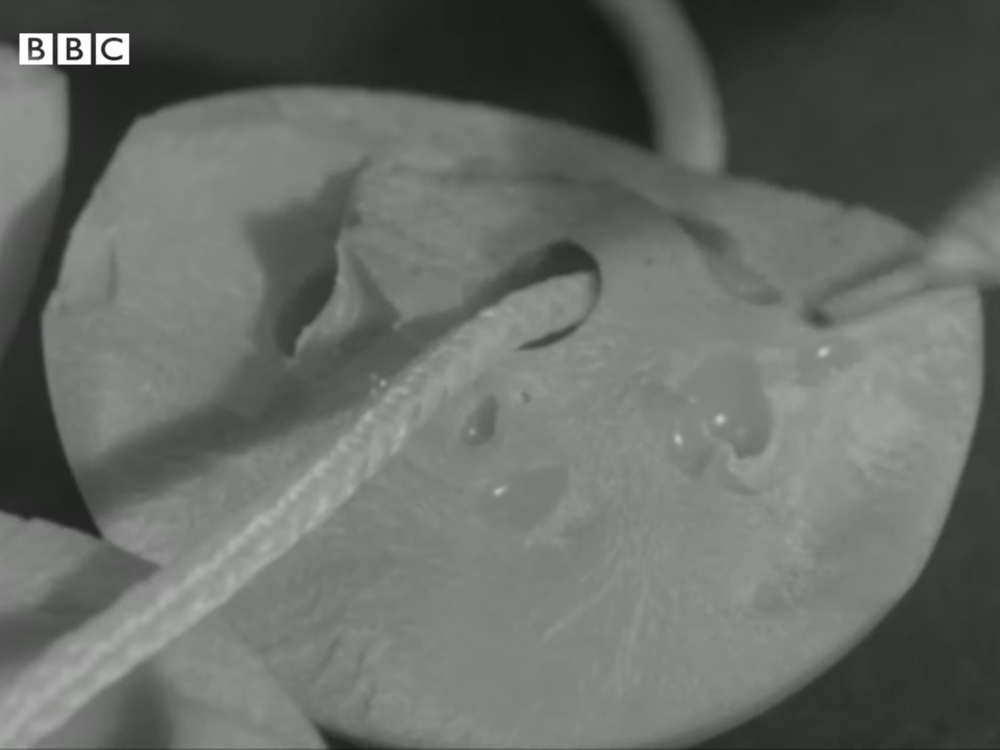
RESULTs
This test defeated all 17 brands.
STRING PERFORMANCE
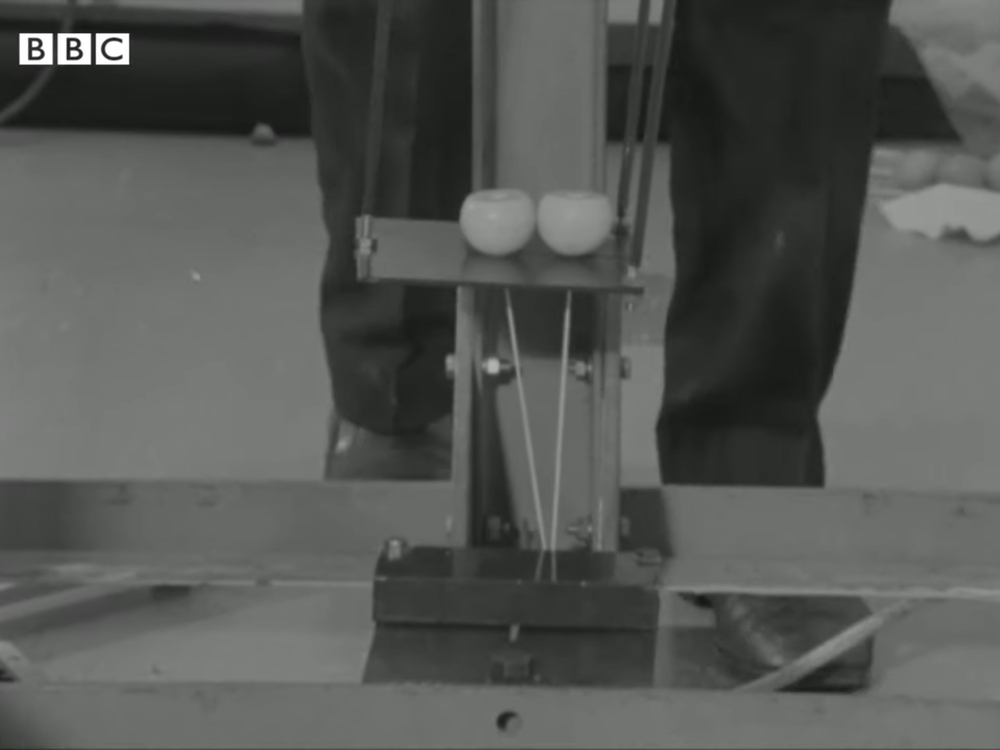
Apart from the clackers themselves, the strings and knots also experienced significant strain during playtime.
The American standard required the string to endure a force of 100 pounds without snapping.
Testing machines were used to apply precise pressure to the strings and record the point at which they broke.
Certain instances showed the string withstanding the pull, but with the knot slipping.
RESULTs
Only 3 brands managed to fulfill this test.
HANDLE STRENGTH
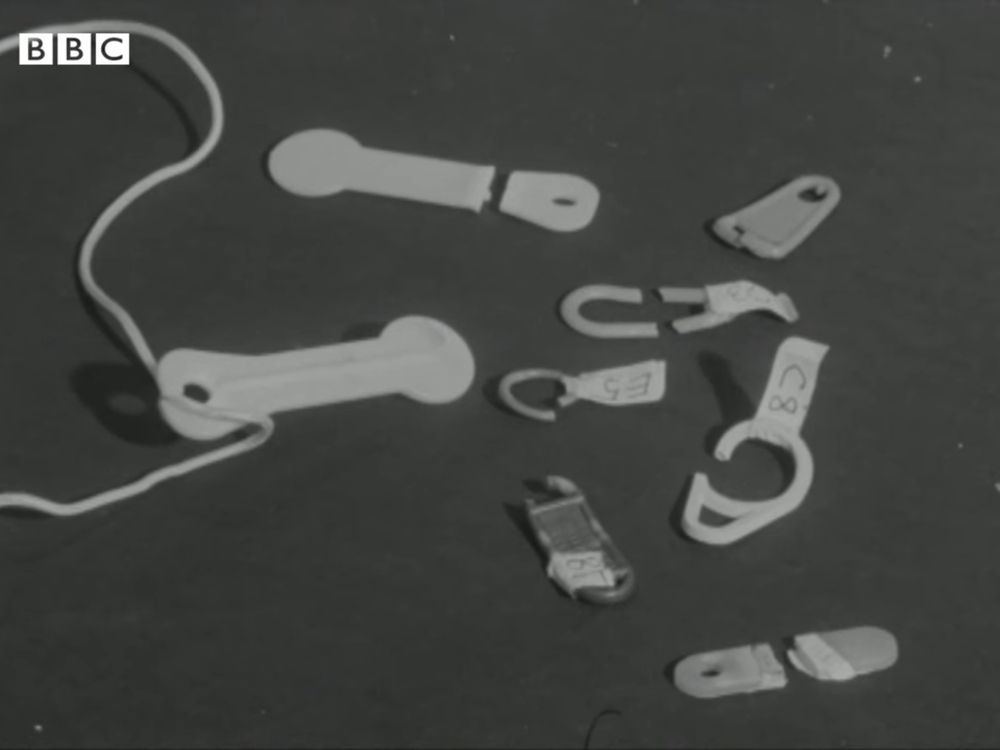
Next, the handles binding both strings together, were subjected to a 50-pound pull test.
RESULTS
Just 6 of the brands managed to overcome this test.
WARNING LABEL
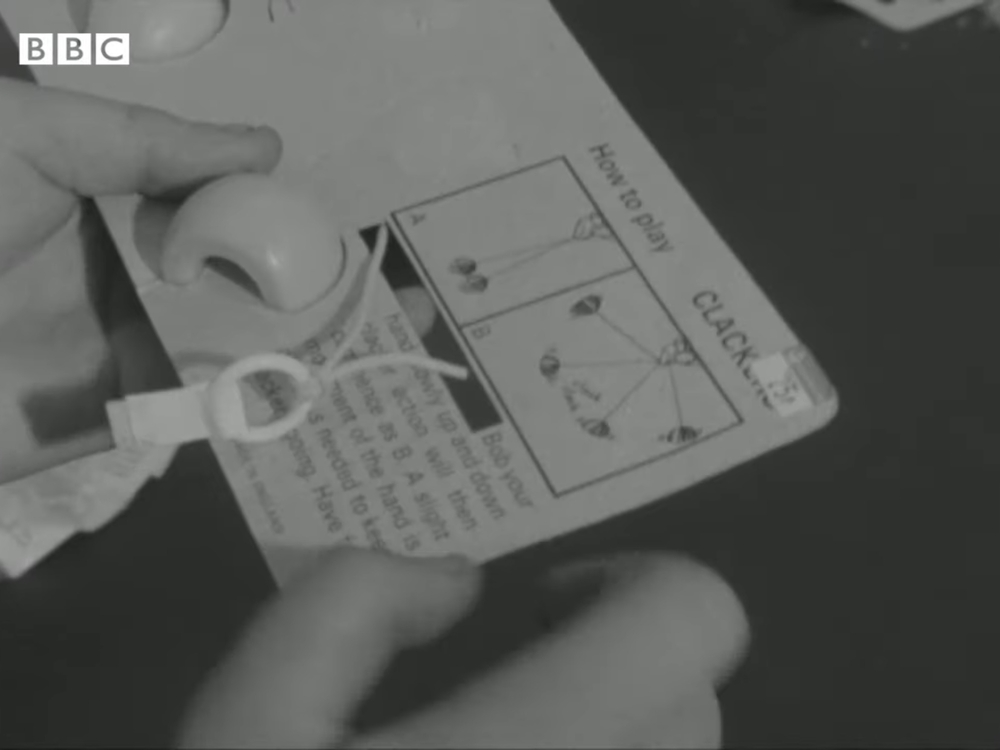
Finally, the American standards required clacker packaging to carry a warning label stating that the balls could be dangerous if damaged, as well as advising consumers to do regular inspections.
RESULTS
15 of the 17 failed this final test.
FINAL VERDICT
The BBC reporter described the results of the nationwide Which? report on these clackables as "very unsatisfactory."
He concluded, "Only two brands passed more than half the tests, and even these failed some of the more important ones.
"On average, the remainder failed to get through even a third of the tests—a very depressing result."
These grim findings from the clackers safety test conducted in 1971 shed light on the potential hazards associated with these toys.
With their popularity surging once again, it is essential for everyone to be aware of the safety concerns surrounding clackers.
Manufacturers and regulatory bodies should also consider implementing and enforcing stringent safety standards to protect children from potential harm.
READ MORE: