



In 1951, rabies killed Fernando Poe Sr.
His death was sudden, and the cause was equally as unexpected, that over half a million Filipinos showed up for his funeral.
He was only 35.

Decades later, his equally iconic son revealed that the King of Philippine Movies died because of a rabies myth.
He didn’t die because of an untreated dog bite, claimed Fernando Poe Jr. in 2002.
“What really happened was that during a shooting, nasabit ang paa niya sa isang kabibe at nasugatan.
"Old people at that time believed that if you let a dog lick your wound, the wound would heal fast.
"We had four pet puppies at that time and my Dad let the puppies lick his wound. That’s how he got the rabies,” FPJ told Ricky Lo in an interview in 2002.
This mistaken belief was fatal, because the puppies later showed signs of rabies.
“When my Dad died, the four puppies started frothing in the mouth, ready to attack anybody. Our katiwala had no choice but to throw them away,” added FPJ.
This tragic piece of showbiz history still serves as a stark warning to the Filipino public that fake myths about the rabies virus can be deadly.
Myths About Rabies
In a phone interview with Jane Sevilla of People for the Ethical Treatment of Animals (PETA) Asia, PEP.ph (Philippine Entertainment Portal) listed five more myths about rabies that you should know are false.
Myth 1: Puppies are born with rabies
Many Filipinos believe dogs naturally have rabies.
But according to Sevilla, our furry friends won’t have rabies unless they have been infected.
“Maraming nag-aakala na ang rabies ay parang kamandag na normal sa aso or pusa. Sinasabi nga na pag tuta or kuting, mas makamandag ang rabies. It’s not true."
The senior campaigner for PETA Asia in the Philippines further explains that rabies is a virus, not an inborn disease.
“Para siyang COVID, makukuha mo lang siya sa kung sino ang meron. Ang rabies, nasa saliva, napapasa iyan through bites,” she said.
Myth 2: Only stray dogs carry the virus
Many Pinoys also believe that stray dogs get rabies because they are dirty and are exposed to the elements.
Conversely, there’s also a belief that dogs who live indoors won’t get the virus.
But this isn’t entirely true because any dog can come in contact with rabies-infected animals, even indoors.
It is easier for stray dogs to be infected with rabies because they live on the streets and can easily encounter rabid dogs.
Indoor dogs, on the other hand, can still be infected by other animals who may carry rabies.
For example, rabid cats can enter your home and infect your beloved dog. Other animals that may carry rabies include monkeys, rabbits, horses, and cattle.
Myth 3: It is easy to tell if the dog has rabies
There’s a belief that stray dogs that look rabid—those who are aggressive, and whose saliva foams at the mouth—have rabies and anyone bitten by them will get infected.
While this thinking is wise, it is not absolute. Dogs with rabies may show no extreme signs at all.
Firstly, dogs with early stages of rabies infection don’t show aggression. They may instead be withdrawn, restless, or anxious.
And even if they are not hostile, they can still infect their owners.
There’s also such a thing as dumb rabies, where the dog just shows paralysis, instead of viciousness.
Their owners may think that they have another ailment, instead of rabies, and may be bitten accidentally.
It is thus wise to still get an emergency rabies vaccine if you get bitten by any dog, because there’s really no easy way to tell.
“Kahit na indoor dog, kahit na alaga mo, kahit na alam mong may bakuna, kailangan magpabakuna ka pa rin,” said Sevilla.
Myth 4: Small scratches or licks are fine
About a year ago, a 10-year-old boy from Tagum City, Davao del Norte, died from rabies after a dog scratched his feet.
According to a report by GMA News, the child only told his parents about the dog scratch when they were already in the hospital. He passed away on November 17, 2024.
Another incident in 2023 involved a six-year-old girl from Misamis Oriental who died of rabies after a cat scratched her face.
According to a report from One PH, the parents knew of the cat scratch but chose to ignore it.
These tragic deaths indicate that even dog or cat scratches can be fatal.
Since dogs or cats have the habit of licking their feet, their rabies-infected saliva could cling to their toenails. It is important to teach children that rabies vaccines are still necessary even if they were only scratched by an animal.
Sevilla added: “Kasi ang rabies is deadly 100% and when you get it, it could take months, or even years before mag-manifest yung symptoms sa iyo."
Myth 5: Garlic or vinegar can kill the virus
This is the most dangerous rabies myth on the list.
Many Filipinos believe that putting crushed garlic or vinegar on a bite or scratch wound can remove rabies.
There’s also a belief that sucking out the blood can help.
But these supposed cures will not stop a rabies infection. They may even cause more harm because they can delay proper treatment or give the victim a false sense of security.
Veterinarians suggest that the victim must immediately wash the bite or scratch wound would soap and water, then visit a bite center for assessment.
At the bite center, the victim may be required to take rabies shots to prevent further harm. Not taking the shot may mean certain death; once the rabies virus reaches the brain, there is no cure. It is relatively easy to get the shots. What stops people from taking them is the cost.
Bite centers typically charge around ,2000 pesos for a shot of the Equine Rabies Immunoglobin (ERIG), which is the recommended treatment for bites and scratches that are feared to be fatal.
Aside from the ERIG, the patient also needs to receive an anti-tetanus shot and a series of anti-rabies shots that cost more than 500 pesos each.
These costs may not be affordable for indigent Filipinos, or those only earning the minimum wage.
So they turn to folk cures like garlic or vinegar instead.
The government does provide these treatments for free, but they are not always be available.
“There are some health center na binibigay iyan nang free, yun lang laging ubos, laging walang stock,” explained Sevilla.
In the end, animal rights organizations like PETA Asia believe that rabies control should still start with the animals.
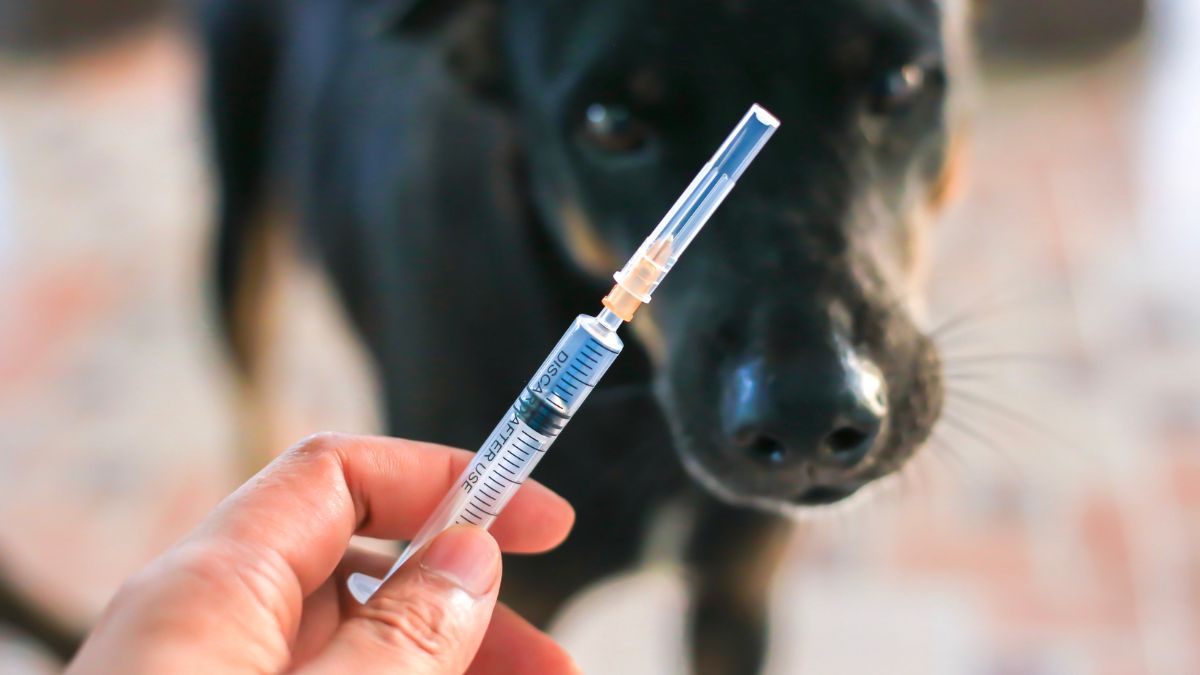
To this end, they regularly hold free anti-rabies vaccination drives for dogs and cats.
They also advocate for animal registration, spaying, and neutering.
“I am all for free services, siyempre, siguro kung ayaw natin magka-rabies, kung ayaw natin gumastos ng anti-rabies para sa mga tao, then let’s push for more anti-rabies sa mga aso at pusa. Doon talaga kailangan magdagdag ng effort.
"Prevention is better than cure,” concluded Sevilla.
PETA Asia accepts in-kind donations and cash donations via GCash and Lazada.
For more information, you may contact Ashley at 0918-669-0829.