
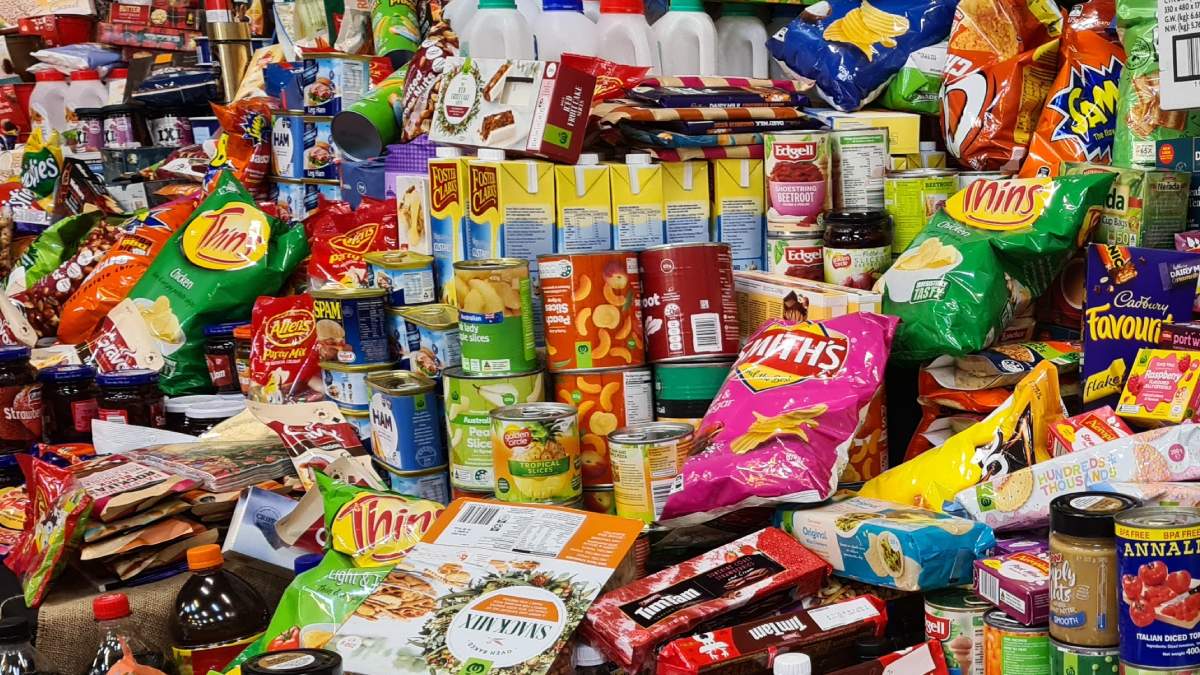


Marami sa mga Hapon ngayon ang bumibili ng “expired” at “substandard” food products para makaraos sa pang-araw-araw, ulat ng The Asahi Shimbum, isa sa leading newspapers sa Japan.
Ang dahilan—ang patuloy na pagmahal ng mga bilihin sa Asian country na ito.
Ulat ng The Japan Times, umabot na sa 29,106 ang bilang ng food products na tumaas at inaasahang tataas pa in the next 10 months, simula June 2023.
Nilampasan na nito ang 25,768 na bilang noong 2022.
Sa isang supermarket sa Adachi Ward sa Tokyo, ang Ecolo Marche supermarket, makikita ang food shelves na may nakasulat na “expired.”
Sabi ng owner na si Yusuke Ogata, naging mabenta ang “expired” products niya nang doble pagsapit ng third quarter ng 2023.
Dagdag pa nito, tinitikman niya mismo ang mga produkto sa “expired” section para matiyak na ligtas pa kainin ang mga ito.
Tinitiyak din niya na nilalagyan niya ng label ang mga produktong ito para alam ng mga mamimili kung ano ang kanilang binibili. Inaabisuhan din niya ang mga ito pagdating sa counter.
Ang supermarket chain na Maruyasu na may six branches ay nagbibigay ng discount sa mga products na malapit nang ma-expire o damaged ang packaging para maibenta ang mga ito.
Sinabi rin ng kumpanya na tumaas ang benta ng mga ganitong produkto this year.
Ang mga food products na malapit nang ma-expire ay ibinibenta rin ng online store na Kuradashi sa mas murang halaga.
Umaakyat din ang kanilang membership ng 25 percent taon-taon.
“The number of users has increased over the last two years due to the high cost of living in addition to the COVID-19 pandemic,” sabi ng tagapagsalita ng Kuradashi.
Nagsagawa ng online survery ang Kuradashi nationwide ukol sa patuloy na pagtaas ng cost of living sa Japan at paano nito binago ang kanilang pamumuhay.
Nang tanungin tungkol sa “substandard” food products, sinabi ng 92.8% ng respondents na “[they] don’t care about the appearance as long as there are no problems with taste or quality.”
Seventy percent naman sa kanila ang nagsabing sila ay “willing to purchase products that are substandard or nearing the expiration date because I am happier with a lower price.”
Isinagawa ang survey sa 3,109 kalalakihan at kababaihan edad 20 hanggang 80 mula noong October 3 hanggang October 20, 2023.
Read:
- "Most Handsome Man" in Italy gives up modeling career to enter priesthood
- Original painting, nabili for PHP200 at nakakuha ng PHP10M bid sa auction, napurnada ang benta
IS IT SAFE TO EAT "EXPIRED" FOOD?
Ayon sa ulat ng The Asahi Shimbum, ang expiration date ay petsa na magtutukoy kung hanggang kailan pa “the product will taste good” hangga't hindi pa nabubuksan.
Iba pa ito sa “use-by” dates na magsasabi ukol sa huling araw na “the products can be safely consumed.”
Karamihan umano sa mga products ay considered pang safe kainin “within a certain period” paglampas ng expiration dates.
Sa article ng RealSimple.com nitong June 5, 2023, naglabas sila ng guidelines, kasama na rito ang U.S. Department of Agriculture (USDA) Food and Safety and Inspection Service (FSIS), ukol sa expiration date ng mga pagkain.
Saad sa article: “FSIS recommends that regardless of the date, consumers should evaluate the quality of the food before deciding to eat it or throw it away.”
Ang exemption nila ay ang infant formulas na dapat daw ay sinusunod ang nakasaad na expiration date.
Narito ang pagkakaiba ng expiration dates:
Best Before – Ito ay quality assurance at “suggestion” kung hanggang kailan mapapanatili ng pagkain ang kalidad ng lasa. Hindi ito safety date.
Use By – Ito ay petsa kung hanggang kailan dapat kainin ang produkto. Pero hindi raw ito nangangahulugan na hindi na ito makakain kapag lampas na ng isa o dalawang araw ang petsa. Ang importante ay suriin ang kalidad ng pagkain. Muli, exemption dito ang infant formula na kailangang istriktong sinusunod.
Sell By – Hindi ito safety date, kundi petsa para sa mga retailers kung hanggang kailan nila dapat maibenta ang mga produkto. Ayon sa IFT, “one-third of a product’s shelf-life remains after the sell-by date for the consumer to use at home.”
Freeze By – Ayon sa USDA, ini-indicate nito kung hanggang kailan pananatilihing frozen ang produkto “to maintain peak quality.” Hindi ito purchase o safety date.
Pero gaano katagal puwedeng kainin ang produktong expired na?
Sabi ng FSIS, "With an exception of infant formula, if the date [on your food] passes during home storage, a product should still be safe and wholesome if handled properly until the time spoilage is evident."
Masasabi mong sira na ang pagkain depende sa amoy, lasa, at texture nito.
Read: Bank accidentally deposits PHP4.8 billion in HR employee’s personal account
ON CANNED FOOD products
Ayon sa USDA, ang high-acid canned goods, tulad ng tomatoes at citrus fruits ay may shelf life na 1.5 years.
Ang low-acid goods—na karamihan sa nakalatang pagkain, tulad ng gulay, meat, isda—ay tatagal ng five years.
Sabi rito ang canned foods ay sterile kaya hindi magkakaroon ng bacteria, pero maaaring mag-iba ang lasa at itsura.
Ang kailangang iwasan ay ang magkaroon ng yupi, kalawang, at butas ang lata dahil mas malaki ang tsansa ng mga canned goods na ito na ma-spoil.
Narito ang food expiration date chart ng Real Simple:
- Eggs – 3 to 5 weeks when refrigerated
- Rice and dried pasty – consume within 2 years
- Beer in bottles and cans – when refrigerated, drink within 1 day (opened); can store in pantry for 9 months (unopened)
- Soda in bottles and cans – when refrigerated, drink within 2 days (opened); can store in pantry for 6 months (unopened)
- Yogurt – 2 weeks when refrigerated; within 2 months when frozen
- Milk – within 1 week if opened and refrigerated; within 3 months when frozen
- Butter – within 3 months when refrigerated; within 6 months when frozen
- Bacon – within 1 week (opened) or 2 weeks (unopened) when refrigerated; within 1 month when frozen
- Cold cuts, packaged – within 1 week (opened) or 2 weeks (unopened) when refrigerated; within two months when frozen
- Hotdogs – 1 week (opened) or 2 weeks (unopened) when refrigerated; within 2 months when frozen
- Ketchup – when opened and refrigerated, consume within 6 months; can store in pantry for 1 year (unopened)
- Mayonnaise – when refrigerated, consume in 2 months (opened); can store in pantry in 3 months (unopened)