



Video game adaptations have come a long way, but few manage to capture the thrilling, unpredictable feeling of actually playing a game.
After unsettling audiences with Barbarian (2022) and Weapons (2025), director Zach Cregger brings his signature mix of tension, shocks, and dark humor to Resident Evil (2026), a fast-paced survival horror thriller that throws viewers into the chaos of a viral outbreak in Raccoon City.
RESIDENT EVIL (2026): REBOOT
In the film, medical courier Bryan Hodukavich (Austin Abrams) takes on what should have been a routine last-minute delivery to a hospital in Raccoon City.

Instead, he finds himself trapped in a city spiraling into chaos as a viral outbreak turns residents into grotesque, violent monsters.
As the night unfolds, Bryan crosses paths with Umbrella Corporation personnel, including scientist Carl (Zach Cherry), enforcer Maxine (Kali Reis), and fellow scientist Paul (Paul Walter Hauser), all while desperately trying to stay alive.
RESIDENT EVIL (2026): THE VERDICT
One of the film's greatest strengths is its simplicity. Rather than spending valuable screen time explaining extensive backstory or franchise mythology, Cregger keeps the focus squarely on survival.
Everything unfolds over the course of a single night, creating a sense of urgency that rarely lets up and making the story easy to follow even for viewers unfamiliar with the games.
Cregger clearly understands that the appeal of Resident Evil lies in its ability to place ordinary people in extraordinary situations. Here, the tension comes not from complicated lore but from the constant threat lurking around every corner.
The film is packed with creature encounters, brutal action sequences, and enough jump scares to keep audiences alert throughout its 90-minute runtime.
Austin Abrams anchors the film effectively as Bryan. He brings a relatable everyman quality to the role, making it easy to imagine yourself in his shoes as the situation grows increasingly dire.
Rather than playing the character as an action hero, Abrams leans into Bryan's confusion, fear, and frustration. The performance helps ground the film and gives viewers someone to invest in amid the chaos.
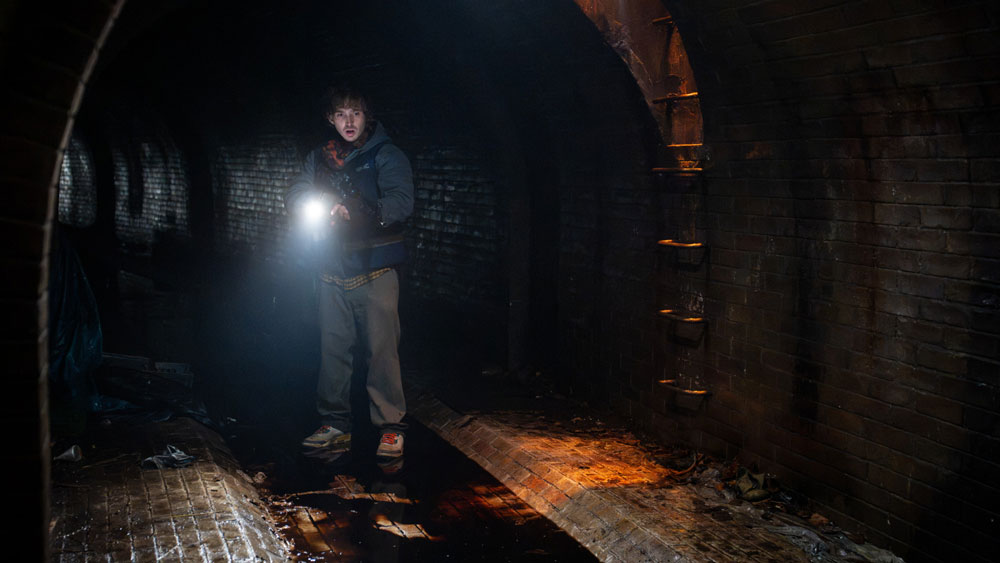
The horror elements are equally effective. The creature designs are unsettling, the scares are well-timed, and the action scenes are energetic without becoming overwhelming.
While many horror films focus on sustaining dread, Resident Evil opts for a more crowd-pleasing approach, balancing tension with moments of humor and excitement. The result is a film that remains consistently entertaining from beginning to end.
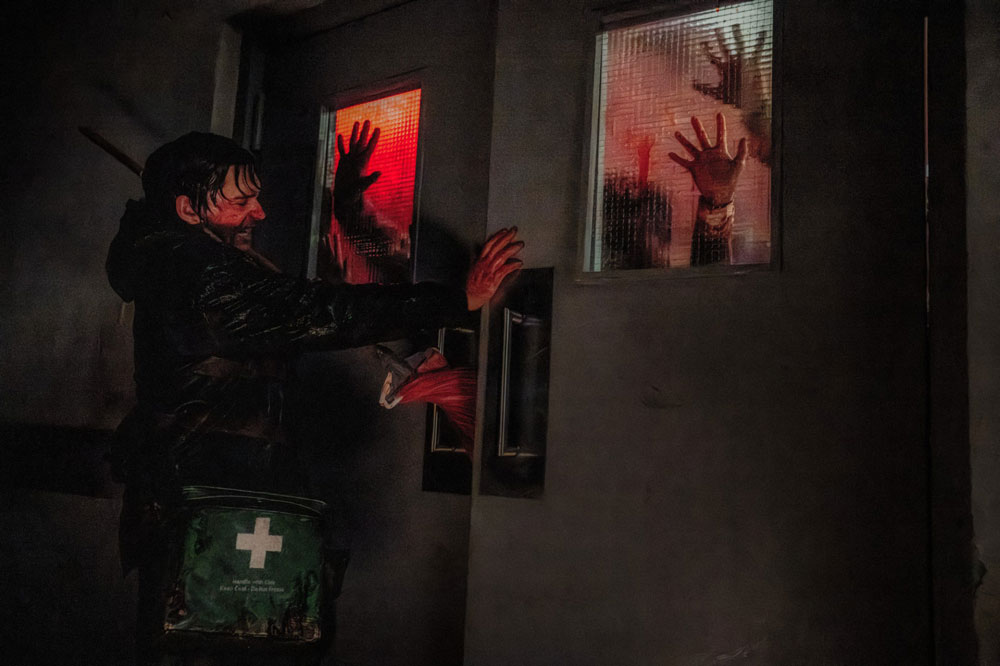
The movie also benefits from knowing exactly what it wants to be. It never pretends to be a deep character study or an ambitious exploration of its mythology. Instead, it embraces its identity as a survival horror thriller and executes that vision with confidence.
Every chase, confrontation, and horrifying reveal serves the momentum of the story.
There is also a surprisingly reflective moment midway through the film when Bryan briefly pauses to think about the ordinary decisions he made earlier in the day before his life was completely upended.
It is a small but welcome beat that adds emotional texture to an otherwise relentless ride.
Ultimately, Resident Evil succeeds because it delivers exactly what audiences want from the franchise: suspense, monsters, scares, and nonstop survival.
It may not be interested in expanding the mythology or diving deeply into its characters, but as a thrilling, accessible reboot, it gets the job done remarkably well.
Rating: 9/10
READ MORE:
- REVIEW: Muli hits all the right notes and packs a punch of ‘90s nostalgia
- REVIEW: Poon turns domestic decay into its most haunting force
- REVIEW: Barbie Forteza delightfully unhinged in Saving Cherry
- REVIEW: Insidious Out of the Further brings back familiar frights--and some nostalgia