


Marami ang namamangha at nagugulat sa kayang gawin ng Artificial Intelligence o AI.
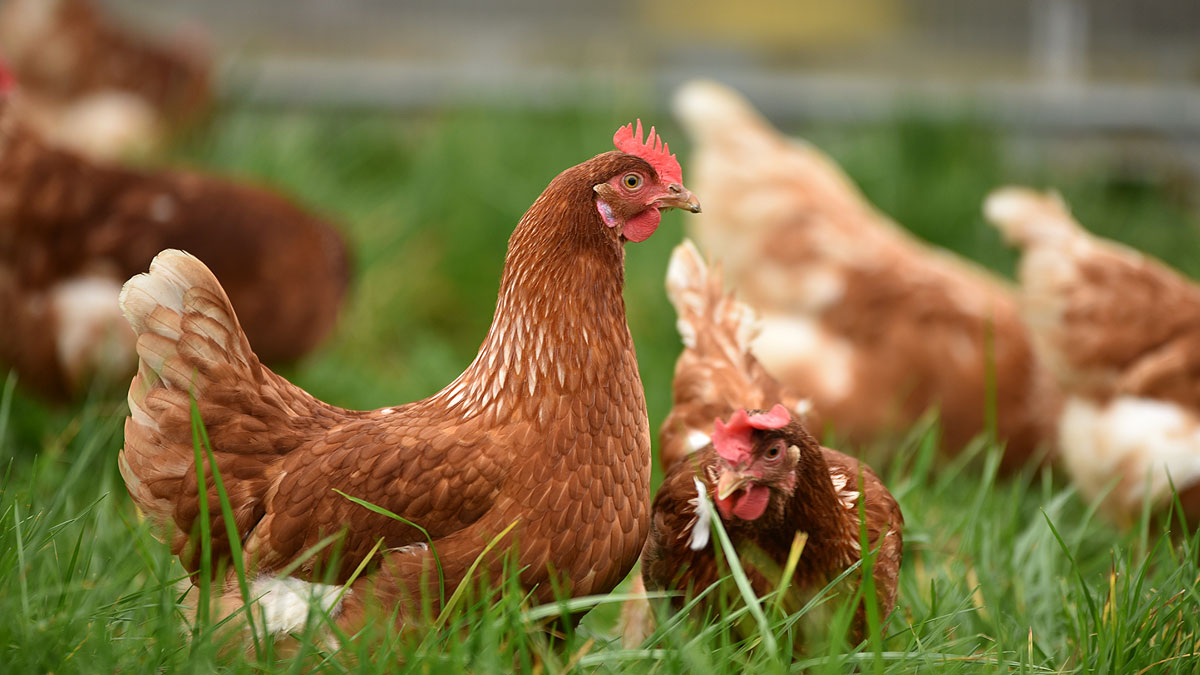
At hindi magtatagal, kahit mga hayop ay puwede nang maintindihan, base sa pag-aaral na ginagawa ng mga scientists na nalalaman ang emosyon ng manok sa pamamagitan ng kanilang ingay o putak.
Ulat ng New York Post, sa tulong ng AI technology ay inaaral ang vocalization ng mga manok "with 80% accuracy.”
Gutom ba sila? Takot o galit o masaya? Nai-stress ba?
Ang pag-aaral ay pinangunahan ni University of Tokyo professor Adrian David Cheok.
Paliwanag ni Cheok tungkol sa kahalagahan ng kanilang study, “If we know what animals are feeling, we can design a much better world for them.”
Read:
- Socorro Ramos, the woman who built National Book Store, turns 100 years old
- Inabandonang kuting, ni-rescue ng animal lover; isa nang full-grown black panther
THE ADVANTAGE OF INTERPRETING CHICKENS' EMOTIONS
Ang kanilang “cutting-edge technique" ay tinatawag na Deep Emotional Analysis Learning (DEAL), na "highly mathematical and innovative approach that allows for the nuanced understanding of emotional states through auditory data.”
Dagdag ni Cheok: “[T]his is just the beginning. We hope to be able to adapt these AI and ML [Machine Learning] techniques to other animals and lay the groundwork for incredible intelligence in the various animal-related industries."
Ang team ni Cheok ay binubuo ng walong animal psychologists at veterinary surgeons . Pinag-aralan nila ang tinatayang 80 manok at 200 hours of sounds.
In-upload ng scientists ang 100 hours ng chicken sound recordings, at nilagyan ng label ang bawat emotional state ng mga manok.
Pagkatapos ay nag-upload sila ng 100 hours ng panibagong chicken sound recordings para matukoy kung tama ang emotional states ng manok.
Paano naman magiging kapaki-pakinabang ang pag-aaral na ito?
Sagot ng Farming Online, “This research has the potential to offer insights into animal welfare and to improve veterinary medicine, make for better conditions in poultry farming, lend a hand in animal behavior research and facilitate human-animal interaction.”
Nailathala na ang kanilang research sa open-access platform ng mga studies, pero kailangan pa itong i-review ng Nature Scientific Reports.