
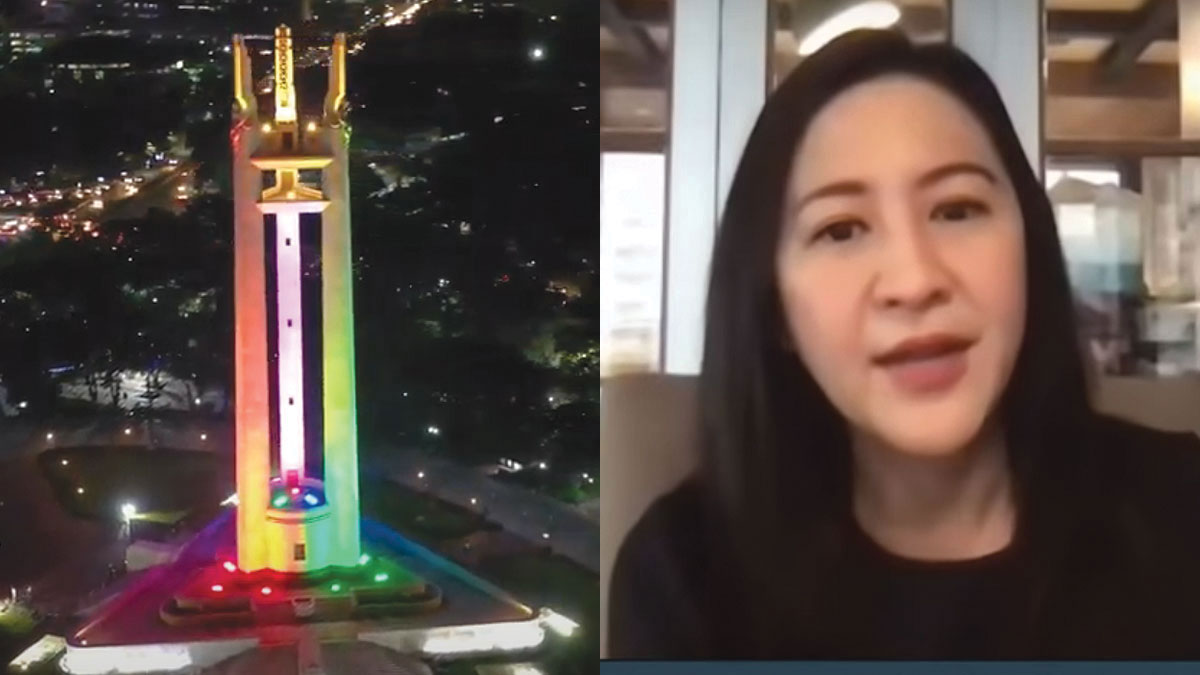

Nagdudulot ngayon ng pangamba sa Quezon City ang inisyung memorandum of warrantless apprehension and arrest ni Mayor Joy Belmonte noong July 13.
Ang pinupuntirya ng memorandum ay ang agarang maparusahan ang quarantine violators ngayong may Covid-19 scare.
Sa buong bansa, pinakamataas ang numero ng mga infected ng virus sa National Capital Region, at sa loob ng NCR ay pinakamataas ang numero sa Quezon City.
Ngunit may mga naniniwalang ang solusyon ni Mayor Belmonte ay mas makakasama sa mamamayan sa bandang huli.
Pinipilit naman ng alkalde na walang dapat ikabahala ang kanyang constituents dahil ang memorandum ay alinsunod sa mga batas na naaayon sa Konstitusyon.
Subalit hindi pinapawi ng kanyang mga salita ang pagkabahala ng QC residents.
Sinalungat din ang sinasabi ni Mayor Belmonte ng isang respetadong abogadong ininterview ng PEP.ph (Philippine Entertainment Portal).
VIRAL MESSAGE
Lalong nakaramdam ng kaba ang publiko nang ginawan ng mensahe ang QC memorandum sa social media at group chats. Nag-viral ito.
Sa mensahe ay nakalista ang diumano’y summary ng quarantine violations na maaaring umabot sa warrantless apprehension and arrest.
Ang ilan sa sinasabing huhulihin ay ang mga taong hindi naka-mask kahit nasa loob ng bahay o kotse, at ang mga nagsisingit ng kanilang sasakyan sa pila.
Paglilinaw ni Mayor Belmonte, ang mensaheng kumalat ay may mga maling impormasyong nagbibigay ng impresyon na ang QC local government ay “out to indiscriminately arrest people.”
Dagdag niya, intensiyon ng mensahe ang ipakalat na ang “memorandum was an excuse for the local government to carry out abuse of power and to do indiscriminate arrest and, of course, for me that is misinformation.”
Sabi pa ni Mayor Belmonte sa interview sa kanya ni Karen Davila sa ABS-CBN News Channel (ANC), noong Lunes, July 20: “I’m sorry if they cause so much misunderstanding or apprehension and they alarm a lot of people.
“I’m aware that there was a massive Viber group exchange in which the guidelines were demonized. It was alarmist in a sense."
Hindi na rin dapat magtaka ang mayora dahil mas madalas sa hindi, ang sagot ng gobyerno sa problema ng compliance sa health protocols ay ang mag-anunsiyo ng aresto, kulong, at multa.
Ramdam ito ng tao, at may mga nagsabi nang ang QC memorandum ay isa na namang police response sa isang health problem.
Samantala, totoong malaki ang health problem sa siyudad ni Mayor Belmonte. Ang Quezon City ang pinakamalaking siyudad sa Metro Manila, at may populasyong 2.9 milyon, ayon sa 2015 census ng National Statistics Office.
Nitong July 21, 2020, nakapagtala na ang Quezon City ng 5,304 Covid-19 cases.
QC GOVERNMENT ISSUES OFFICIAL STATEMENT
May official statement ang QC government sa official Facebook page nito noong July 20 bilang tugon sa tinawag nitong "fake news" sa mga group chat.
Nakalista rito ang buod ng memorandum tungkol sa quarantine protocols, kasama na ang curfew, social distancing, at mass gathering.
Sabi pa rito: “The city government felt the need to publish guidelines on the proper and legal procedures in effecting arrests, should they become necessary.
“To be clear, there will be no deviation from the existing enforcement policy, and arrests shall only be made in rare and extreme circumstances.”
Inilista rito ang mga ordinansiya at nilinaw ang mga datos na “blatantly false, combined with misleading distortions of the truth.”
Narito ang listahan:
Mask violations – while QC mandates that masks should be worn in public areas and work places, there is nothing mentioned about masks in cars.
Inflexible curfew regulations – QC does not arrest people if they "miss curfew by a few seconds”. This is a gross and senseless exaggeration.
Cutting the line at checkpoints – there is absolutely no truth to the claim that drivers overtaking trucks at checkpoints will be arrested.
Social distancing violations – every city has been instructed by the IATF to implement social distancing guidelines.
[Ang IATF, o Inter-Agency Task Force for the Management of Emerging and Infectious Diseases, ang ahensiya ng gobyerno na nakatalagang rumesponde sa panahon ng emerging infectious diseases, kagaya ng COVID-19.]
Prohibition of mass gatherings – again, every city has been instructed by the IATF to implement social distancing guidelines.
Alcohol restrictions – the consumption of liquor in private residence is allowed.
Refusing to surrender to arresting authorities – resisting arrest has always been a crime anywhere in the Philippines, based on the Revised Penal Code.
Parental responsibility for minors children – this is an accepted legal principle under the Civil Code, and is nothing new.
Paniniyak ng LGU, mananatili nilang prayoridad ang karapatan at kapakanan ng mga residente. “Any abuses done while enforcing national and city safeguard measures shall be dealt with severely, and prosecuted to the utmost extent of the law.”
THE MAYOR ON HER CONTROVERSIAL MEMORANDUM
Sa ANC interview pa rin ng July 20, nagbigay ng sariling paglilinaw si Mayor Belmonte sa quarantine protocols na nakapaloob sa kanyang memorandum.
FACE MASKS. Sa pagdakip diumano ng mga hindi nakasuot ng mask kahit sa loob ng bahay at sariling kotse.
Aniya: “Wearing a mask in a public place is necessary, is mandatory. But in a car, that is your private vehicle, that is not mandatory, that is not required.
“And yet these false messages that had been going around say when you’re in your car or in your private abode, you must wear a mask, you will be apprehended, people will enter your house, and catch you, that is not true.
“I categorically say that is not the practice in Quezon City.”
Sabi pa ni Mayor Belmonte, mayroon silang information and education campaigns, o IEC, para ma-educate ang mga residente. Kasama rito ang pagdi-distribute ng mga mask sa mga residente.
CURFEW. Sa pag-aresto diumano ng mga maaabutan ng curfew kahit ilang segundo lang pagkalampas ng 10 p.m., ang naitalagang simula ng curfew hour.
“That’s not true,” pagtanggi ni Mayor Belmonte. “The ordinance there is very clear. If you’re on your way from work, if you are in an emergency, if there are other reasons why you should be out past 10 p.m. are valid rather than just loitering around, you will not be arrested.
“You will be allowed to carry out what you have to do. In other words, it’s only in extreme cases where we have to implement the law.”
Ginawang halimbawa rito ng QC mayor ang pag-aresto sa mga pumunta ng night club pasado ika-10 ng gabi.
Iyon daw ay dahil, “It's a night club operating past 10 p.m., serving alcohol, minors were present, and it was a party of more than 29 individuals.
“That for me is a time bomb waiting to explode.”
Sabi pa ng mayora, “This is an example of an extreme case that we have to take action.”
Ang tinutukoy na insidente ni Belmonte ay ang pag-aresto ng QC Task Force Disiplina sa 29 katao, kabilang ang dalawang minors, na nag-iinuman sa isang resto-bar sa Novaliches noong July 19.
Binanggit ng alkalde na isinasailalim na sa imbestigasyon ang insidente.
Tinanong si Mayor Belmonte kung na-detain ba ang mga nahuli.
“They’re not detained,” sagot niya.
“We’ve turned over the minors to the Social Services Dept as required by law.
“As far as I know, those arrested are not detained.
“We just booked them, they have been processed, they have been documented, and they are available to be subpoenaed when the hearings are going to be heard provided the charges were filed against them. “
CHECKPOINTS. Sa pag-aresto diumano ng mga driver kapag sumingit sa pila o kaya'y hindi tumigil sa isang checkpoint.
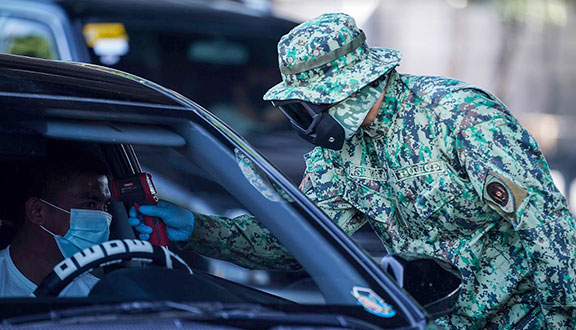
Hindi raw ito totoo.
Paliwanag ni Belmonte, “In our guidelines, checkpoints are not even included, it’s not even there. And that is, again, one of the false information that spread in that Viber message.”
MASS GATHERINGS. Sa paglimita sa mass gatherings nang hanggang sampung katao lamang.
Usisa sa alkalde: Paano ang mga magsasagawa ng mga demonstrasyon, rally, at noise barrage?
Ang mga aktibidad na nabanggit ay isinagawa nang sunud-sunod na araw sa tapat ng ABS-CBN compound sa Mother Ignacia, kaugnay ng pagpapasara ng Kongreso sa TV network.
Ayon kay Belmonte, ang mga rally at demonstration ay hindi ipinagbabawal hangga’t planado ang mga ito at kumuha ng permit sa LGU office.
“According to the Rules of Presidential Decree 880, the law on [peaceful] assemblies— all assemblies, or rallies, or demonstrations must be coordinated with the local government where they’re taking place.
“The purpose of that is not to ask permission. [It is so] that the local government can work closely with the demonstrators to ensure exactly that peaceable assembly.”
Giit niya, hangga’t may social distancing ang mga attendee, wala silang nilalabag.
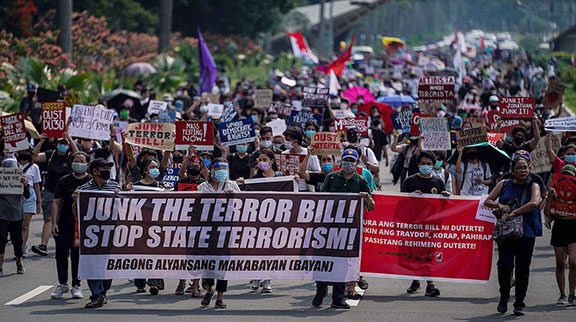
Hindi naman daw sakop ng Presidential Decree 880 ang noise barrage at rally sa private properties, kaya’t hindi na kailangang ikuha ang mga ito ng permit.
“Noise barrage are allowed, as well as rallies in private properties.
“If you are doing this assembly inside the premises of the ABS-CBN compound, that is also allowed, and you do not get permit for that.
“It is only in public spaces governed by the city government that you get a rally permit.”
Hindi naman nilinaw sa interbyu kung ang sidewalk sa harapan ng ABS-CBN sa Mother Ignacia Street, na siyang lugar ng pagpoprotesta ng mga Kapamilya, ay tinitignan niyang private or public space.
ALCOHOL RESTRICTIONS. Sa pag-aresto ng mga nag-iinuman at nagbebenta ng alcoholic drinks.
Kinumpirma ng mayor na ipinatutupad pa rin sa QC ang ordinansang maaaring magbenta ng alcoholic drinks mula lamang 1 p.m. hanggang 5 p.m., at maaari lamang uminom sa loob ng bahay.
“Again, because of the evidence, overwhelming in our communities, where people tend to drink a lot, and this is a cause of transmission. We have to impose this until the health department says it is possible to be more lax.”
ON THE CONTROVERSIAL WARRANTLESS ARREST
Ang warrantless apprehension and arrest ang mainit na tinalakay sa ANC interview kay Mayor Belmonte.
Usisa sa kanya ni Karen Davila, bakit naging “necessary” ang warrantless arrest sa taong may quarantine violation?
“It’s just calling a spade a spade,” sagot ni Belmonte. "I know that the term warrantless incites fear among our people.
“Actually, this is constitutional. This is part of rules of criminal procedure. If you see somebody murdering somebody, you can’t go to the judge and get a warrant.”
Giit naman ni Karen, magkaiba ang murder sa quarantine violation.
Tanong pa ng broadcaster, “The thing is, although it is a health risk, for example not wearing a mask, would you consider that to be an arrest? Is that an actual crime, or is it a violation of health protocol? They’re two different things.”
Sagot ni Belmonte, “In this case it is now in a sense a crime, because there is now an ordinance that makes it somewhat a crime not to follow the mandate, the ordinance.
“We had to make ordinances in areas where we feel that it is necessary to enforce, and enforcement will probably be improved if there were certain types of penalties associated with them.
“Maybe the term warrantless scares people but they don’t have to be afraid of that. Because it’s not a new term.”
Sabi pa ng mayora: “If certain words are scary to our constituents and probably they get the wrong impression about it, of course, I’m willing to change the wording following a dialogue.”
Ang kaakibat ng salitang arrest ay ang pagkulong o pag-detain sa violator.
Ito ang tinumbok ni Karen nang tanungin niya si Belmonte kung ano ang mga quarantine violations na mangangahulugan ng aresto at kulong.
Itinanggi naman ito ng alkalde. “Pag basahin mo yung guidelines, hindi nga ganoon, wala ngang mention of jail," sabi nito.
“In fact, the reason why we put the protocols for arrest and for court procedures is precisely so that the people can see that apprehension is not necessarily associated with a jail sentence.”
Katwiran niya, ang apprehension ay maaaring isagawa nang “humane” at idaan sa tamang proseso.
Sabi pa ni Belmonte: “We do not encourage people to go to jail. The jails are congested. They can be a hot bed for COVID transmission.
“If you are caught, brought to the police station, you are processed, you’re booked.
“But, if you admit guilt, you automatically pay the fine, you are released.
“Now, if you don’t admit guilt, you still are released provided that you can be available for subpoena, and then you are called in hearing.”
cases of ABUSE OF POWER
Isa pang ikinababahala tungkol sa QC memorandum ay ang potential nito para maabuso ng mga awtoridad.
Sa panahon ng pandemya, nagkaroon na ng mga insidente ng pananakit at pamamaril ng mga nagpapatupad ng batas.
Abril pa lang, may nag-viral na kuhang video ng pananakit ng barangay tanod sa isang fish vendor, si Michael Rubuia, dahil wala itong suot na mask at walang maipakitang quarantine pass.
Hunyo 9, napaulat ang pagpapatalsik sa barangay tanod na nanakit kay Rubuia. Binigyan ng “minor sanctions” ang tatlong kasamahan ng barangay tanod.
Abril 21, naging malaking balita ang pagbaril ni Sergeant Daniel Florendo Jr. sa dating sundalong si Winston Ragos, hindi kalayuan sa isang quarantine control point sa Bgy. Pasong Putik.
Si Ragos ay napag-alamang “mentally challenged” dahil sa naging trauma nito sa battlefield. Humingi ng hustisya para kay Ragos ang Philippine Army.
Hunyo 4, naiulat na sinampahan ng National Bureau of Investigation si Florendo ng reklamong murder, perjury, at planting of evidence sa QC Prosecutor’s Office.
Ang apat pang kasamahang police trainees ni Florendo ay kinasuhan din ng murder, habang ang isa ay may kasong planting of evidence.
Ito ang ilan sa mga insidente ng pang-abuso ng kapangyarihan na tinatayang dahilan para mag-alala ang mga taga-Quezon City.
FINE & IMPRISONMENT FOR THE "POTENTIALLY CONTAGIOUS"
Sa memorandum ni Mayor Belmonte, nakasaad ding dapat makipagtulungan sa awtoridad ang sinumang “potentially contagious.”
Binanggit dito ang Republic Act 1132 o Law of Reporting of Communicable Diseases.
Ang sinumang hindi susunod sa awtoridad ay papatawan ng isang buwang kulong at multa na mula P2,000 hanggang P20,000.
Habang ang “resistance and disobedience” sa mga awtoridad ng “potentially contagious” ay mapapatawan ng anim na buwang kulong at multang P100,000.
Nabanggit dito ang Article 151 ng Revised Penal Code of the Philippines.
Paliwanag ni Belmonte: “This is a law under R.A. 11332, it’s law about non-reporting communicable diseases. This is just a manifestation of what the law says. And we have to put that out.”
Komento ni Karen, may potential itong magamit para sa kahit anong violation sa siyudad.
Sabi naman ni Belmonte, “All violations related to health hazards, the containment, or resisting the government’s attempt to contain health hazards that would probably entail.
“This is the maximum penalties if the charges were to be filed, but if the person’s cooperative, that is not necessary.
“Also, there’s a lot of discretion on the part of the courts, because you have to study the reasons behind certain actions. There has to be full investigation, you can’t take things at face value as well, that is why there is due process.”
Kung may makitang paglabag ang awtoridad, maaari raw itong ireklamo.
“If you see something that is not right based on these guidelines, you can also go to the People’s Law Enforcement Board (PLEB) in Quezon City Hall, where abuse of police officers can be investigated, and then they can go there and report that.”
NO NEED FOR "OPERASYON KALINGA"
Natanong din si Mayor Belmonte kung ipatutupad ng QC ang government initiative na "Operasyon Kalinga."
Sa kampanyang ito, magbabahay-bahay ang LGU health officials, “with the assistance of the police,” upang sunduin ang Covid-19 patients na asymptomatic o may mild symptoms.
Isinasagawa lang daw ito sa mga lugar na isinailalim sa localized lockdown.
Isasama ang pasyente kung walang sariling kuwarto at comfort room, at may senior citizen na kasama sa bahay.
Ang pasyenteng isasama ay dadalhin sa designated isolation facilities ng LGU para magpagaling.
Ani Mayor Belmonte, hindi na nila kailangang sundin ang Operasyon Kalinga dahil bago pa man daw ito ipatupad ng IATF, ganito na ang ginagawa ng QC.
Pakli pa niya: “Going house to house is beyond what I’m willing to do.”
WARRANTLESS ARRESTS SHOULD NOT BE THE NORM
Kinunan ng pahayag ng PEP.ph si Atty. Sandra Marie Olasco-Coronel, na isa ring Quezon City resident, tungkol sa memorandum ni Mayor Belmonte.
Si Coronel ay abugado sa Yorac+ Sarmiento Arroyo Chua+ Coronel & Reyes Law Office.
“I don’t think we should accept this as the norm,” malinaw na sagot ng abogado sa PEP.ph nitong Miyerkules, July 22, tungkol sa warrantless arrests.
“Warrantless arrests are unreasonable as a general rule; that’s why these are only allowed under certain specific circumstances.
“We should never allow more leeway in the exceptions than is necessary, otherwise we place our civil liberties at risk of being trampled upon unnecessarily.”
Sumunod ay binanggit ni Atty. Coronel ang nakasaad sa The Revised Rules of Criminal Procedure, Rule 113.
“That said, warrantless arrests are allowed ‘when, in the presence of the peace officer, the person to be arrested has committed, is actually committing, or is attempting to commit an offense,’" pag-quote ng abugada.
Dagdag dito, allowed ang warrantless arests, "‘when an offense has just been committed and the police officer has probable cause to believe based on personal knowledge of facts or circumstances that the person to be arrested has committed it.’"
Paglilinaw ni Atty. Coronel, “Since there are City Ordinances that declare as an offense the non-wearing of masks outside one’s home, police officers are authorized to arrest violators even without a warrant.
“This applies to other quarantine violations that are similarly defined as criminal offenses, like curfew violations and traveling without Barangay passes.”
Nagpaalala ang abugado na hindi makakabuti ang pagkontra sa isang ordinansa.
“With or without that provision, resisting arrest by quarantine violators can be grounds for an additional charge against them,” aniya.
Kapag nang-abuso naman ang awtoridad, payo ni Atty. Coronel, the “filing of cases should be encouraged” laban sa mga ito.
Aniya, maraming venues para makapag-reklamo ang mamamayan.
“Complaints against erring PNP personnel may be filed with the most number of offices in government—to the Chief of the PNP, the Regional Director, the Internal Affairs Service in Camp Crame, the People’s Law Enforcement Board in the City."
At pati rin daw sa "National Police Commission on Quezon Ave., the Civil Service Commission on Commonwealth Avenue, the Ombudsman on Agham Road.”
Sabi pa ng abogado, huwag isipin na wala namang mangyayari sa reklamo. Malaki raw ang epekto ng paghain ng isang kaso.
“This route has tremendous impact on the careers of policemen—they can’t be promoted, and they can’t get their retirement pay until the cases are dismissed, which is a very long process.
“I know of some generals who have been in retirement for years but have not received their retirement pay because they are unable to secure an Ombudsman clearance.
“Also, the PNP does not provide them with lawyers, so they will need to spend for their own defense. This route is real.”
Kaya ituloy daw ang reklamo. Huwag ito bale-walain.
Ang hindi hinihikayat ni Atty. Coronel ay ang pagkuha ng video ng pang-aabuso ng mga pulis para lang i-upload sa social media.
Nagbigay siya ng payo sa pinakamabuting gawin sa ganyang video.
“Discourage uploading videos taken of abusive police conduct because that can even expose you to possible criminal liability," ang legal advice niya.
"Send those videos instead to the proper investigative agency together with a complaint describing what happened.”
POLICE OFFICERS INSTEAD OF BARANGAY OFFICIALS
Bilang residente ng Quezon City, nagbigay rin ng obserbasyon si Atty. Coronel kung bakit ang trabaho ng barangay officials ay ipinapasa sa kapulisan.
“I think the basic problem with the strategy is that the City is using policemen to enforce quarantine protocols.
“If it were the Barangay Health workers who would knock on doors, we will likely be less anxious.
“The problem is, in many areas, our Barangay personnel, including health workers, have not established themselves as authorities accorded respect by the residents.
“We have heard of numerous complaints by Barangay Captains and Tanods that their residents don’t follow them, don’t even respect their authority.
“Because of this, Barangay officials call in the police to do the job, because the people have no choice but to ‘respect’ the men with the guns.
“So the City is just shortcutting the procedure, it goes straight to the police and have them do the deed.
“Of course, we also have to consider that the people’s lack of trust in their Barangay officials may be rooted in their conduct during the Tokhang days.”
Noong 2018, inilunsad ni Pangulong Rodrigo Duterte ang Oplan Tokhang, bilang bahagi ng kanyang anti-drug war. Sa kampanya, kinakatok sa bahay ang mga suspected drug user.
Pagpapatuloy ni Atty. Coronel: “Because the Tokhang list was generated by the Barangay, whatever happened in that community as a consequence became the basis for the residents’ love or hate for their officials.
“It is these same officials who are at the frontline of this quarantine implementation now, and so people either distrust them or don’t respect them.
“Experiences of inequality in the delivery of ayudas just sealed the fate of the Barangay officials.”
Pabor naman daw ito sa mga LGU para mabawasan ang kanilang trabaho.
“As for the City, since the protocols have to be implemented, regardless of the people’s trust or respect for their Barangay, it’s just simpler for City Hall to skip them and call in the police.
“I’m sure the Barangays are just too happy not to have to be the ones to do the job.”
ON “NON-COOPERATION”
Sa inilabas na ordinansa sa QC, mistulang walang choice ang isang residente kung pumunta sa bahay niya ang mga awtoridad at yayaing sumama sa kanila.
Ang simpleng pagtanggi ba ay maituturing na “non-cooperation?” Ano ang pagkakaiba nito sa “resistance” at “disobedience?”
Sang-ayon si Atty. Coronel na malawak ang maaaring ipakahulugan sa mga salitang ito, kaya may mahalaga siyang payo sa ganitong sitwasyon.
Aniya, “There is really no definition of ‘non-cooperation,’ so we should know that this is mostly subjective on the part of the apprehending officer.
“Because of this, I think it is safest to take a position of non-hostility and deference, even as you are inquiring the basis for apprehension."
Paalala ni Atty. Coronel, “Filipinos, in general, respond better to ‘pakiusap’ rather than ‘galit.’"
Kaya, payo niya, "Avoid cussing, threatening, or calling them stupid.”
Dagdag pa niya, “As in the case of non-cooperation, the determination of ‘resistance and disobedience’ is made by the policemen—so non-hostility should also be key.”
Tanong muli ng PEP.ph kay Atty. Coronel: Ano ang maipapayo niya sa isang residente sakaling may awtoridad na pumunta sa bahay nito at anyayahan siya sa presinto?
Tugon ng abugada, “Makiusap to be let off this time on a promise to be more mindful of quarantine rules.
“If you will need to be taken in, find out details of where you will be brought.
“Ask to be allowed to wear protective gear—mask, face shield, etc., and comply.
“Have family call a lawyer to meet you there.”
QC MEMORANDUM PENALTIES
Sa “Legal Basis” section ng Quezon City memorandum, inaasahan ang pakikipagtulungan sa mga awtoridad ng mga taong “potentially contagious.”
Nakasaad umano ito sa Republic Act No. 11332, o Law on Reporting of Communicable Diseases ng 1987 Constitution.
Tinukoy sa memorandum ang "prohibited acts":
Una, ang “non-cooperation” o hindi pakikipagtulungan ng “persons and entities that should report and/or respond to notifiable diseases or health events of public concern;”
Pangalawa, ang “non-cooperation of the person or entities identified as having the notifiable disease, or affected by the health event of public concern.”
Ang sinumang lalabag o hindi makipagtulungan sa awtoridad ay pagmumultahin ng P20,000 hanggang P50,000, at ikukulong ng isa hanggang anim na buwan, “or both such fine and imprisonment, at the discretion of the proper court.”
Nakasaad din sa memorandum ang parusa sa sinumang magpakita ng “resistance and disobedience to a person in authority or the agents of such person.”
Papatawan ng arresto mayor—o pagkakakulong ng isa hanggang anim na buwan—at multang P100,000 ang sinumang hindi sumunod sa awtoridad.
Kung ang disobedience ay “not of a serious nature,” ang parusa ay arresto menor—o pagkakakulong ng hanggang isang buwan—o multa mula P2,000 hanggang P20,000.
PROCEDURE IN EFFECTING WARRANTLESS ARRESTS
Nasa QC memorandum ang simplified standard operating procedure (SOP) sa pagpapatupad ng warrantless arrest.
Ginamit dito ang Section 5, Rule 113 ng The Revised Rules on Criminal Procedure, na nagsasabing “a peace officer or a private person may, without warrant, arrest a person.”
Ang arresting officer ay pwedeng barangay tanod, city official, o operatiba ng Quezon City Police District (QCPD).
Sa isang artikulong lumabas sa www.divinalaw.com noong December 2018, binanggit kung bakit may pagkakataong kailangang ipatupad ang warrantless arrest.
Anito: “[A]waiting the issuance of a warrant of arrest sometimes renders ineffective the arrest of the perpetrators of criminal offenses.”
LIMITED GATHERING AND SOCIAL DISTANCING
Sa Annex B ng QC memorandum, nakadetalye ang guidelines sa limited gathering at social distancing.
Pinapayagan ang limited gathering ng hanggang sampung katao ang dadalo.
Sa ilalim ng MGCQ (Modified General Community Quarantine), pinapayagan ang public gatherings, na ang dami ng dadalo ay nakalimita sa 50 percent o kalahati ng capacity ng venue.
Kasama sa public gatherings ang movie screenings, concerts, religious gatherings, at entertainment activities.
Alinman sa nabanggit, kalahati lamang ng seating capacity ng venue ang pwedeng okupahin, “or such other limitations as may be prescribed under national guidelines or implementing rules of this ordinance.”
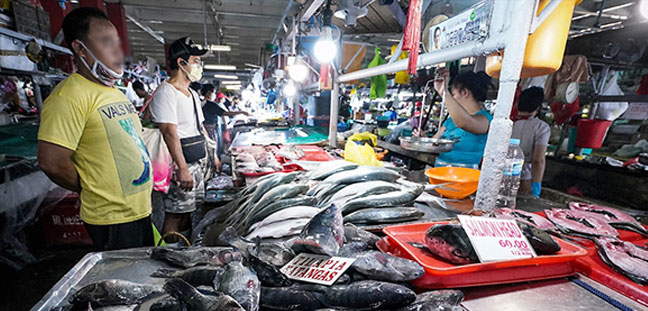
Sa lahat ng workplace, kailangan ang social distancing sa pagitan ng worker at customer, na hindi bababa sa isang metro ang layo sa isa’t isa kapag may interaksyon.
Bagamat di tinukoy kung ano-ano ang kasama sa “workplace,” tila pasok dito ang food stalls, pamilihan, convenience stores, fast-food restaurants, at iba pang commercial establishments.
Nakasaad sa memorandum ang mga parusa sa mga tao at establisimyentong lalabag sa ordinansa.
Ang taong hindi sumunod ay pagmumultahin ng P5,000 o pagkakakulong ng anim na buwan “at the discretion of the court.”
Ang mga establisimyentong may violation ay tatanggalan ng business permits.
MANDATORY WEARING OF FACE MASKS
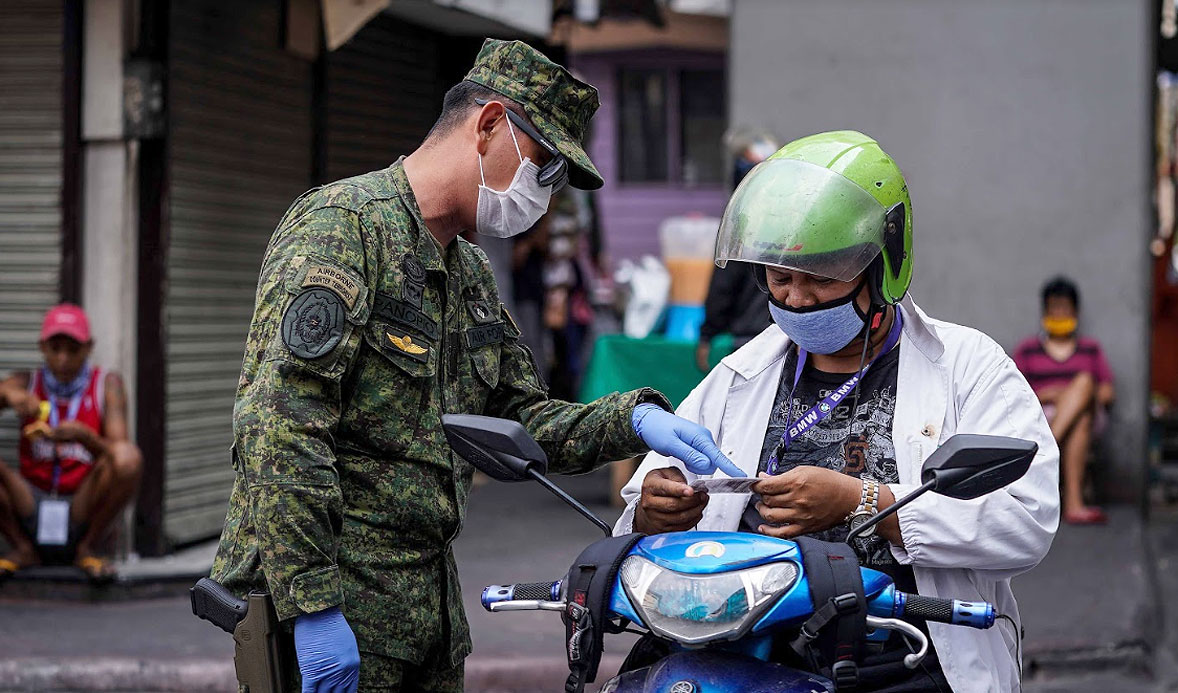
Obligado ang lahat na magsuot ng face mask sa lahat ng oras kapag nasa pampublikong mga lugar.
Ang sinumang mahuhuling hindi nakasuot ng face mask, pagmumultahin ng P1,000 sa unang offense; P3,000 sa pangalawang offense; at P5,000 sa pangatlong offense.
ON LIQUOR REGULATIONS. Pinapayagan ang mga establisimyentong may liquor license na may buy and sell ng alcohol drinks sa ilalim ng MECQ, pero ang pag-inom ay gagawin lamang sa loob ng bahay.
Ganito rin ang kondisyon kung ang ipinatutupad sa siyudad ay GCQ.
Ang establishments na mahuhuling lumabag ay pagmumultahin ng P5,000 sa unang offense; pagbawi ng liquor license sa pangalawang offense; at pagbawi sa business permit sa pangatlong offense.
Sinumang indibidwal na mahuhuling lumabag, kailangang magmulta ng P3,000 sa unang offense; P5,000 sa pangalawang offense; at P5,000 na may kasamang 28 araw ng community service sa pangatlong offense.
CURFEW. Ipinapatupad ang pagkakaroon ng curfew sa QC mula 10 p.m. hanggang 5 a.m.
Exempted dito ang mga residenteng galing sa trabaho, mga taong nangangailangan ng atensiyong medikal, medical frontliners, government officials, at mga empleyadong “performing essential or emergency official functions.”
Kasama rin dito ang may emergencies, kagaya ng medical, kalamidad, aksidente, at pagsugod sa ospital.
Exempted din ang mga pumupunta o galing ng airport o pier, na kailangan lang magpakita ng kanilang electronic tickets.
Exempted din ang mga driver at conductor ng mga pampublikong sasakyan.
Ang mga mahuhuling lumabag sa curfew ay kailangang magmulta ng P5,000.
Kung hindi makakabayad ay ikukulong ang curfew violator ng isang taon, pwera na lang kung ang violator ay menor de-edad.
GUIDELINES FOR MINORS
Ang huling tinalakay sa memorandum ay ang pag-apprehend sa mga quarantine violators na menor de edad, o yung wala pang 18 anyos.
Kapag lumabag, paliliwanagan ng enforcer—kagaya ng pulis, barangay public safety officer, o barangay tanod—ang batang huhulihin kung bakit kailangan siyang ilagay sa kustodiya.
Sa first offense ng menor de edad, dadalhin siya sa pinakamalapit na barangay hall o police station para sumailalim sa counseling ng Barangay Council for the Protection of Children, bago ipatawag ang kanyang mga magulang.
Papatawan ang magulang ng 48-hour community service at P2,000 multa.
Sa pangalawang offense ng minor, ang kanyang magulang o guardian ay ire-require ng 72 hours ng community service at multang P3,000.
Sa ikatlong offense ng minor, pagmumultahin ang kanyang guardian ng P5,000 at ilalagay sa anim na buwang pagkakakulong.
Isa ka bang showbiz fan na laging updated at naghahanap ng latest chika? Share what you know. Join here! https://bit.ly/PEPChika