

Staying home for a long period of time can be suffocating, and it is normal to crave for a little adventure to escape or to at least have a change of view.
The K-Drama series Hometown Cha Cha Cha is the instant getaway we look forward to every week with its dreamy and refreshing take on life away from the city, creating a portal to the vacation that all of us yearn for.
Airing on Netflix every Saturday and Sunday, HomCha (as fans would call it) is an entertaining antidote to lockdown fatigue, and here are just a few of the reasons why we can’t get enough of it:

The refreshing view of the beach and the mountains

It doesn’t matter whether you like the beach or the mountain because the show has them both. Shot in the fictional town of Gongjin, it is relaxing to watch the characters wander around the beach and enjoy the glittering sea through their eyes.
It’s even easier to imagine walking uphill to the different parts of the town, especially if there’s Chief Hong (Kim Seon Ho) waiting at the peak.
The filming location is at Pohang, a city in the North Gyeongsan Province of South Korea, made famous by its busy seafood market.

Dan Arinzana, a Filipino based in Korea, paid a visit to HomCha’s filming site and he shared the kind of healing he experienced during his trip. “People find Pohang comforting or relaxing kasi malayo siya from Seoul, hindi siya masyadong congested. And yung papunta dun, probinsiya talaga. May mga bundok at palayan kang madadaanan.”
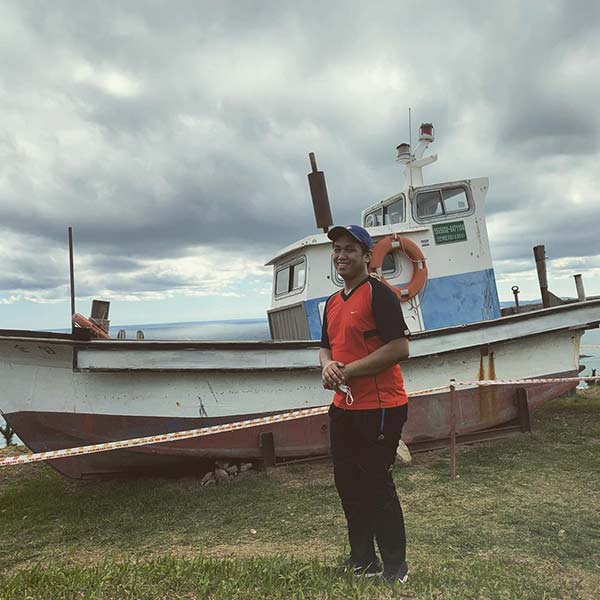
Dan also shared that he feels happy to discover such a place because of the show, and visiting the actual location was a privilege he wanted to share with his fellow Pinoys who would want to visit it someday.
Thanks to his trip, we were able to take a glimpse of the beautiful seaside town of Gongjin. Check out his photos at the iconic landmarks of HomCha:
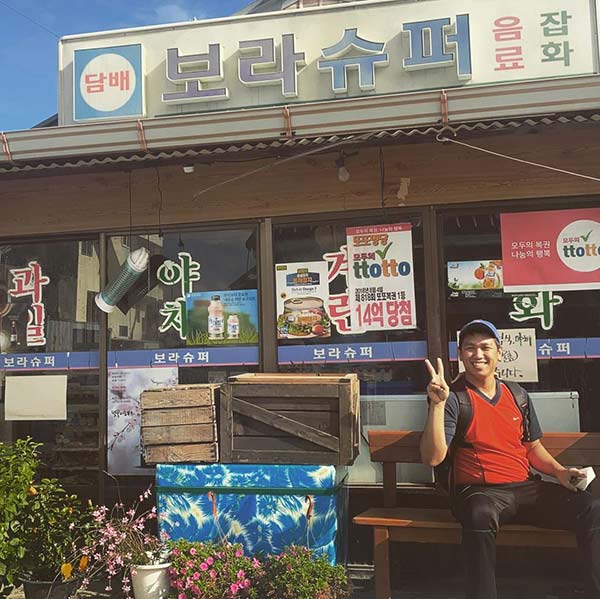 Look: The actual Bora Supermarket
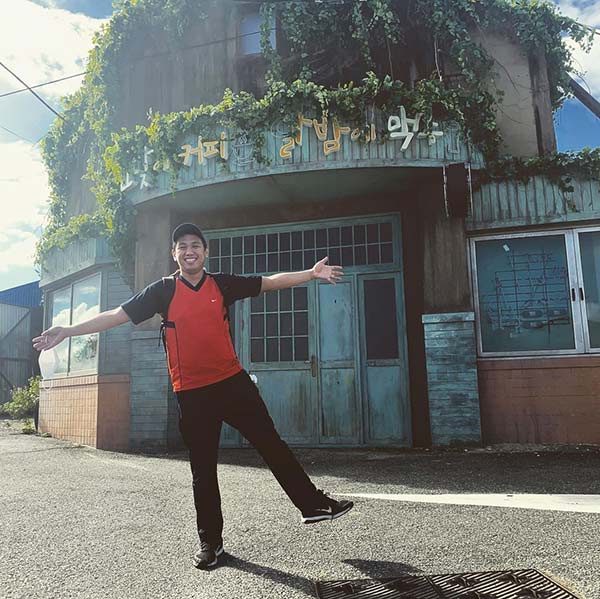
The probinsya life: slow, quiet, small, and serene
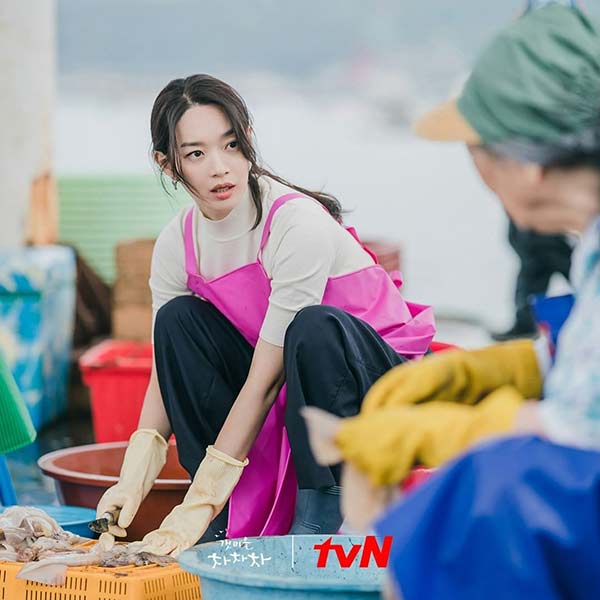
Hyejin (Shin Min Ah) was right when she decided to stay in Gongjin. Building a new life in a place with a completely different lifestyle could be exciting and terrifying at the same time, but she was lucky to end up in a community that is accommodating and compassionate towards one another.
The town is small, and although that might be a disadvantage to some people, but this also makes meeting new people and establishing new friendships much easier. Her big move is a reminder of the time where people can freely talk to strangers, learn about different cultures and communities, and discover something new through people they just met.
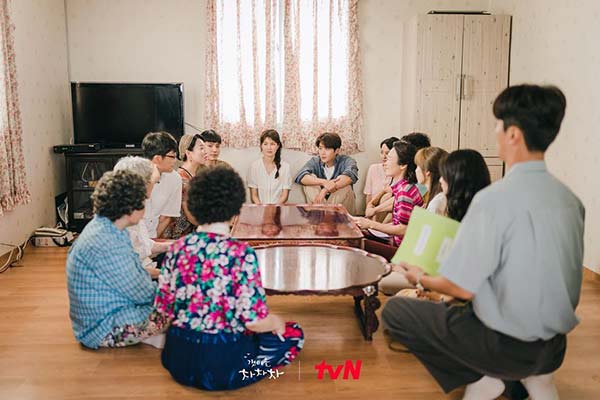
The reminder that family is the home we can always go back to
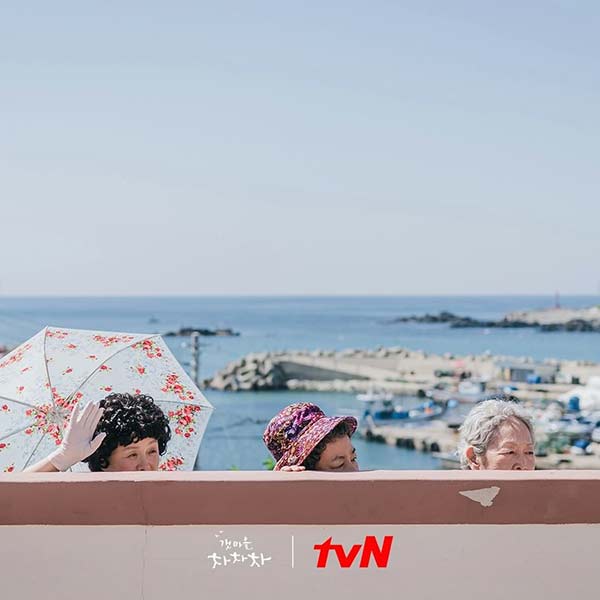
One of the easily loved characters is Grandma Gamri (Kim Young-Ok), whom Chief Hong is dearly fond of. Her character, a typical nagger of a grandma, has a penchant for gossip.
But her character is the most comforting, a reminder of when it was easy to meet and reunite with relatives whenever there was time to spare.
She makes homemade meals look inviting, and she represents the truth about families: they are people who can and will wait for you if you need a home.
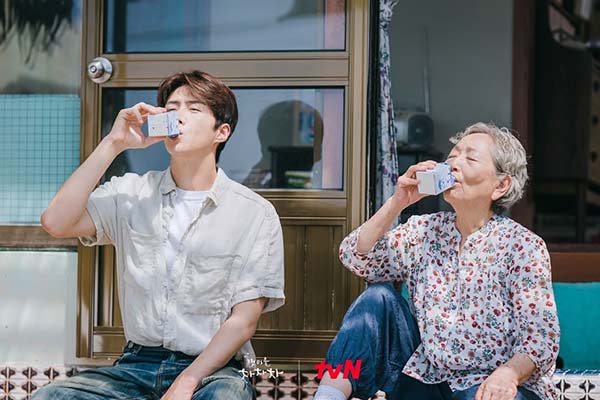
The handsome and reliable town captain

Hong Dusik or Chief Hong—as the town folks call him—is the reason why Gongjin is the place to be. He is a helpful all-rounder with lots of expertise under his belt, and nobody can avoid him even if they try.
This is the case for Hyejin, who tries to be independent of the town’s beloved handyman, but always ends up needing his help anyway. More than his charming personality, what’s easier to love about Dusik is his generosity with his time. All one has to do is ask, and he will be on his way.

The escape we all want and need

The show immediately captured what everybody’s state of mind actually is: to take a pause, breathe, and escape.
Hyejin seeking comfort at the beach is extremely relatable, and when she suddenly decided to ditch her comfortable life in Seoul, her determination was contagious.
Living vicariously through her character is a no-brainer, and it’s comforting to know that life’s surprises come in different forms and all that needs to be done is to take chances.