
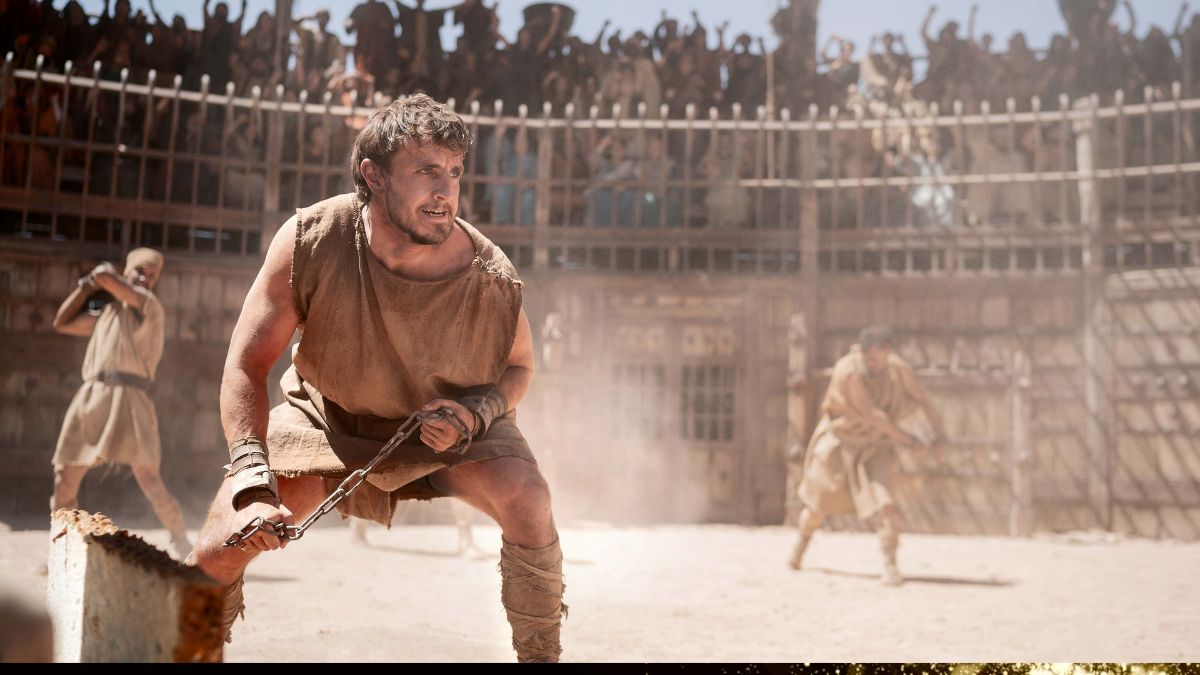

With its sweeping drama, visceral action, and enduring characters, Ridley Scott's Gladiator defined a generation of historical epics when it exploded into theaters more than 20 years ago.
A worldwide sensation, the movie came out in 2000 and took home five Academy Awards, including Best Picture and Best Actor for Russell Crowe's legendary performance as Maximus.
It’s no exaggeration to say that Gladiator set the gold standard for epic dramas, and now in Gladiator II, Scott has crafted a stand-alone story that pays homage to its predecessor while carving a new path for modern audiences.
GLADIATOR II: SYNOPSIS
The story follows Hanno (Paul Mescal), a vengeful man with a mysterious connection to ancient Rome.
His world is shattered when his wife is sunddely killed, leaving him to grapple with overwhelming grief and a thirst for justice.
Captured and sold into slavery, he is thrust into the brutal world of gladiatorial combat.
Here, Hanno must rise as a fighter and navigate the political machinations of Rome to secure both his freedom and reconcile his past.
GLADIATOR II: MAIN CAST
Paul Mescal as Hanno carries the movie on his own beefy shoulders with a performance that is both physically and emotionally powerful.
His natural likeability guarantees that audiences will support him wholeheartedly, and his body language during action scenes lends legitimacy to the character's metamorphosis.
On the other hand, Pedro Pascal, as the general responsible for the demise of Hanno’s wife, commands the screen with his natural charisma, electrifying every scene he’s in.
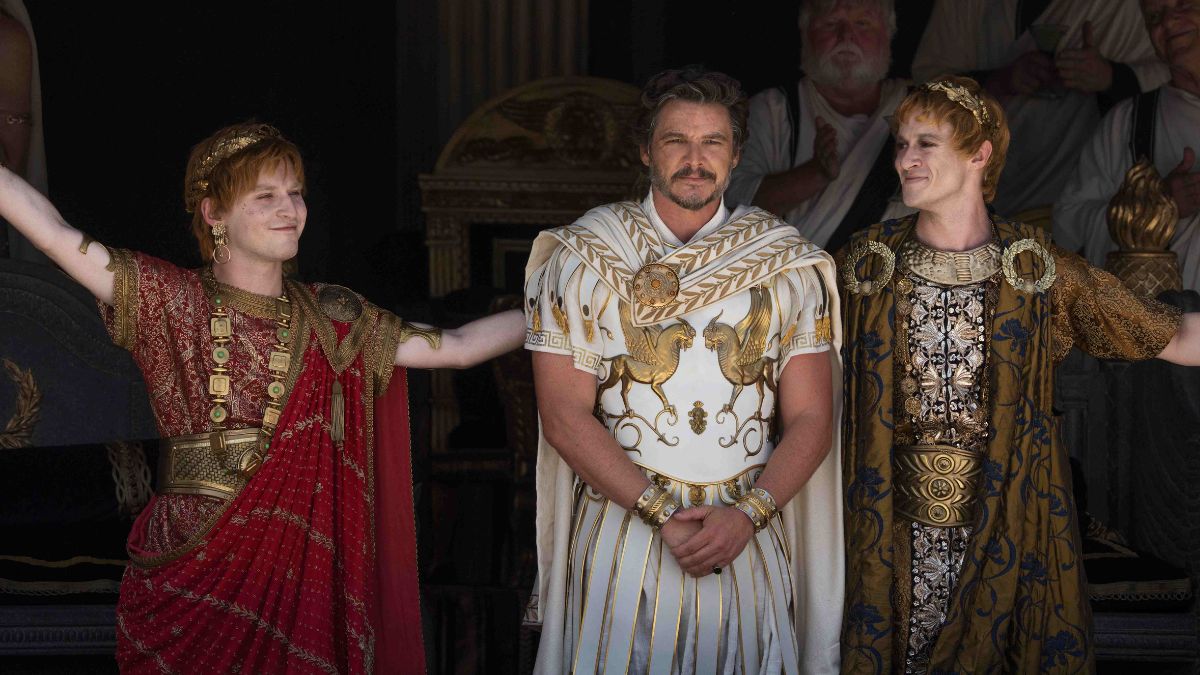
His character’s layered arc, filled with moral ambiguity, ensures he is more than just an adversary—he’s a compelling foil to Hanno.
Connie Nielsen reprises her role as Lucilla, providing the warmth that anchors the film.
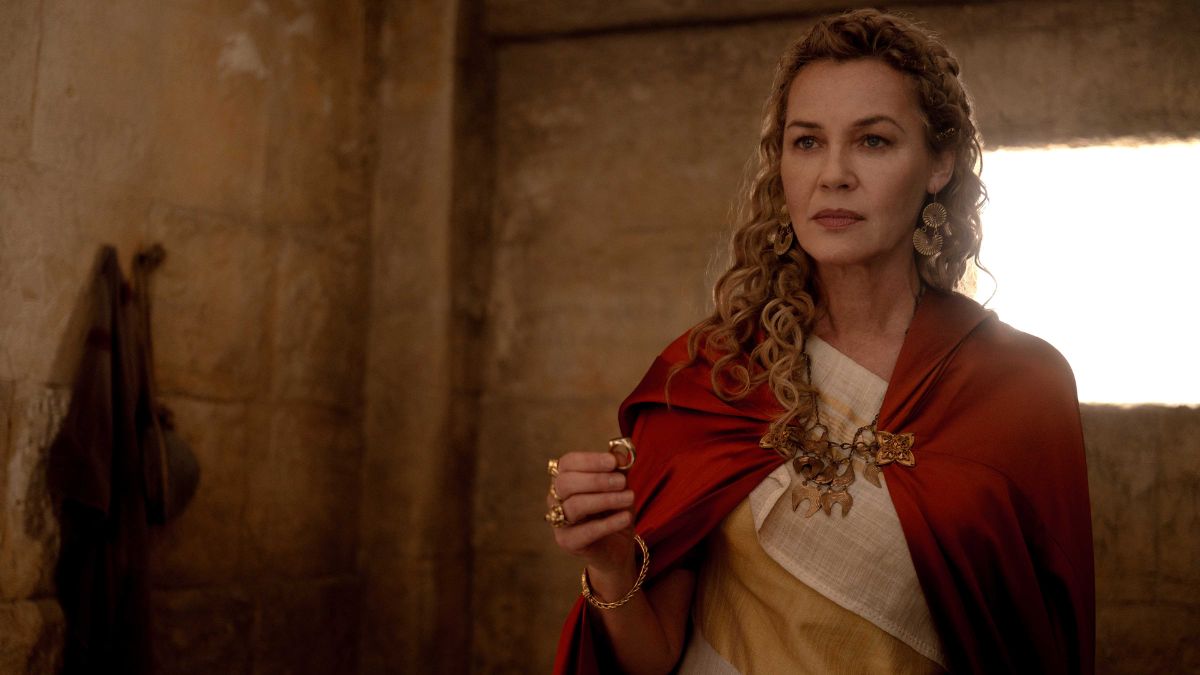
As a maternal figure and moral compass, Connie’s performance is quietly powerful, giving the audience a sense of continuity with the original film.
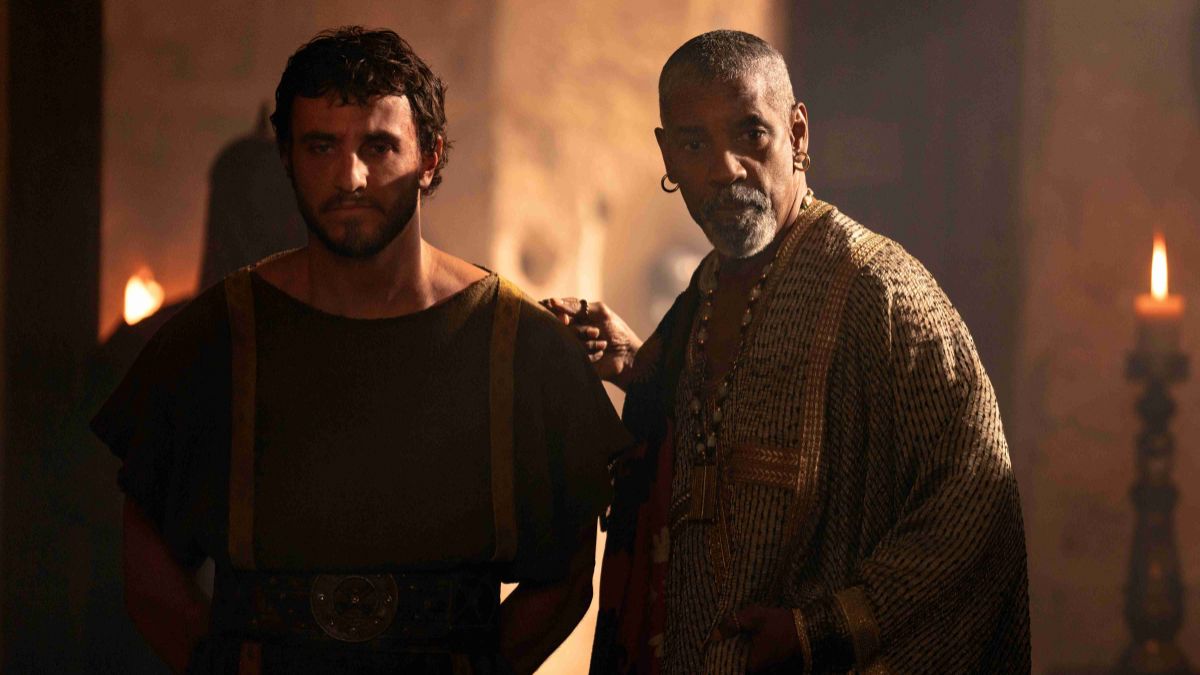
Denzel Washington takes on the role of Macrinus, a menacing figure whose shadow looms large over the story.
Denzel’s intensity makes Macrinus a fearsome antagonist, yet the character’s motivations feel underdeveloped. The lack of clarity surrounding his goals leaves him less memorable than he could have been.
THE VERDICT
Ridley Scott’s direction at the extraordinary age of 86 is nothing short of awe-inspiring.
The film is a visual marvel, with breathtaking cinematography that captures the grandeur of ancient Rome and the brutal spectacle of the Colosseum. The action sequences are meticulously choreographed, delivering pulse-pounding thrills while never sacrificing emotional stakes.
However, the film is not without its flaws. At a runtime of over two-and-a-half hours, the pacing begins to falter in the final act. While the first two-thirds of the film maintain a gripping momentum, the latter part could have benefited from tighter editing to sustain its energy.
Additionally, while the script offers intriguing twists and backstory, some elements feel undercooked, leaving key moments less impactful than they might have been.
Gladiator II is probably going to be a contender in a number of categories as awards season draws near.
The film's stunning production design and visuals make it a notable candidate for technical awards, while standout performances by Paul Mescal, Pedro Pascal, and Denzel Washington could draw attention in the acting categories.
And yet, despite its numerous strengths, Gladiator II may not be able to equal its predecessor's cultural and critical influence, which is still regarded as a monumental accomplishment in film history.
Ultimately, Gladiator II is a remarkable sequel that delivers on its promise of thrilling action, emotional depth, and spectacular visuals.
It may not reach the legendary heights of the original, but it stands as a worthy successor and a testament to Ridley Scott’s enduring vision and talent.
For fans of the original and newcomers alike, this is a cinematic experience not to be missed.