
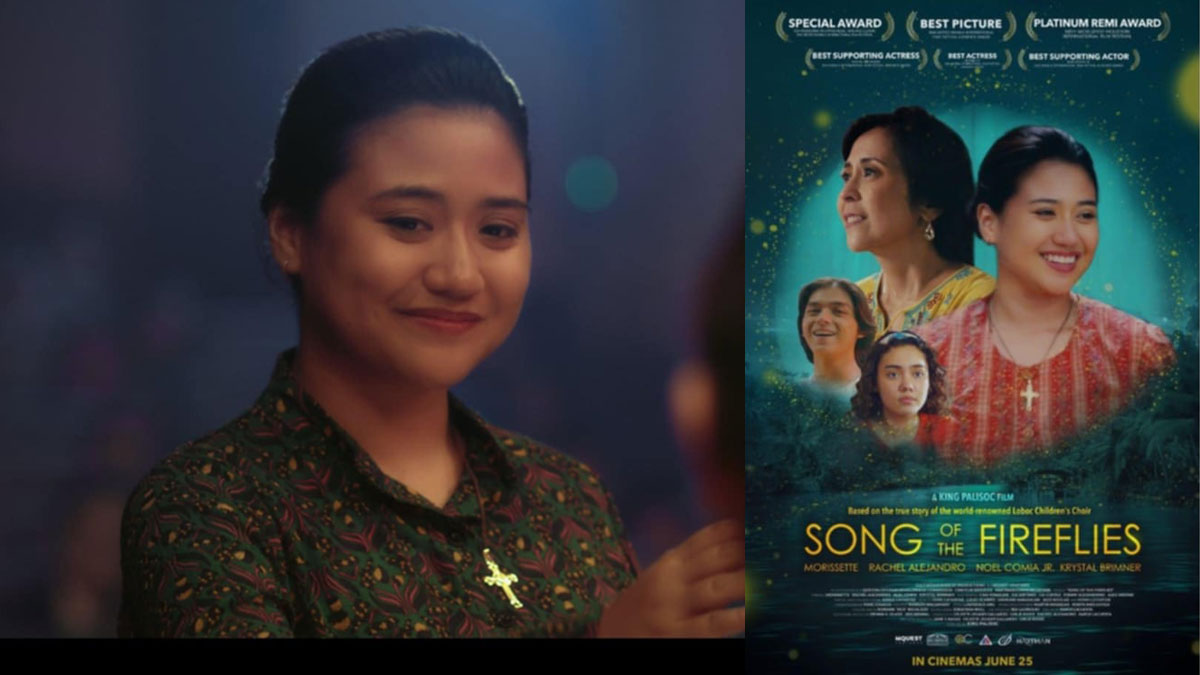

Song of the Fireflies is a tale about the power of music and how it can be used to speak truth to power.
Director King Palisoc’s new movie is truly special: a tender coming-of-age story, a tribute to music as salvation, and a commentary on life under Philippine martial law — all woven through the real-life rise of the Loboc Children’s Choir in the early 1980s.
exceptional performers
At the center of it all is Alma Taldo, a quiet but determined choirmaster who formed the Loboc Children’s Choir on top of her duties as a teacher at an elementary school in Bohol.
Alma is not your typical cinematic heroine. She’s reserved, but you feel her presence in every scene, especially in her interactions with the children.
There’s a warmth in her gaze, a gentleness in how she corrects a note or encourages a shy child to sing louder, and a deep well of strength that she never has to announce.
Morissette, relatively new to acting, is exceptional as Alma. This is a role that requires nuance, humility, and quiet power, and she delivers on all fronts.
It’s no surprise she won Best Actress at the Manila International Film Festival.
The film also explores Alma’s relationship with Equet Butalid, played by the ever-reliable Rachel Alejandro.

Equet is the choir’s sponsor and the wife of the provincial governor, a woman used to being listened to.
There’s a simmering tension between Alma and Equet, due to differences in social status, but it never erupts into melodrama.
Instead, it’s played with restraint, allowing the audience to read between the lines.
The dynamic between Alma and Equet adds complexity to what could have been a straightforward underdog tale.
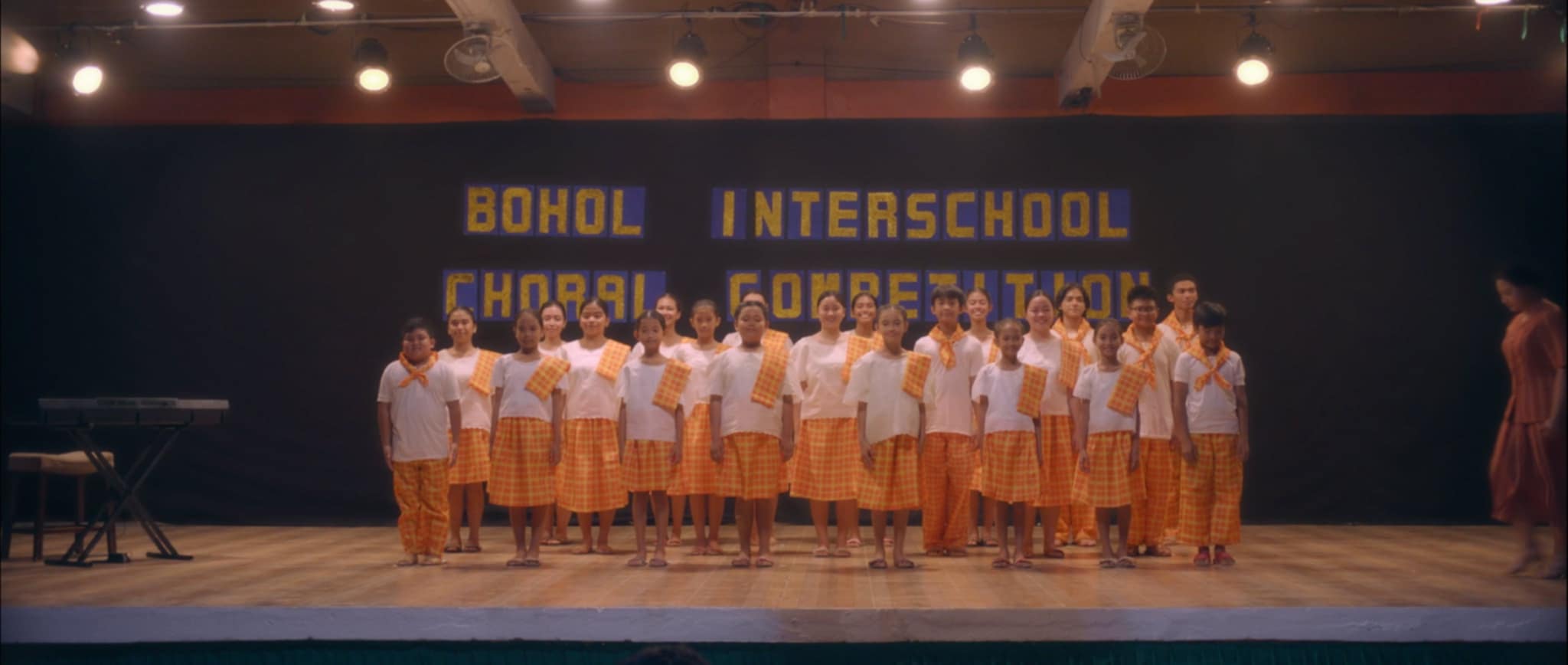
But the heart of Song of the Fireflies is the children. The ensemble cast — made up mostly of newcomers — brings the story to life with raw honesty and charm.
Noel Comia Jr. and Krystal Brimner are standouts, portraying older members of the choir who long for something more than what their small town can offer.
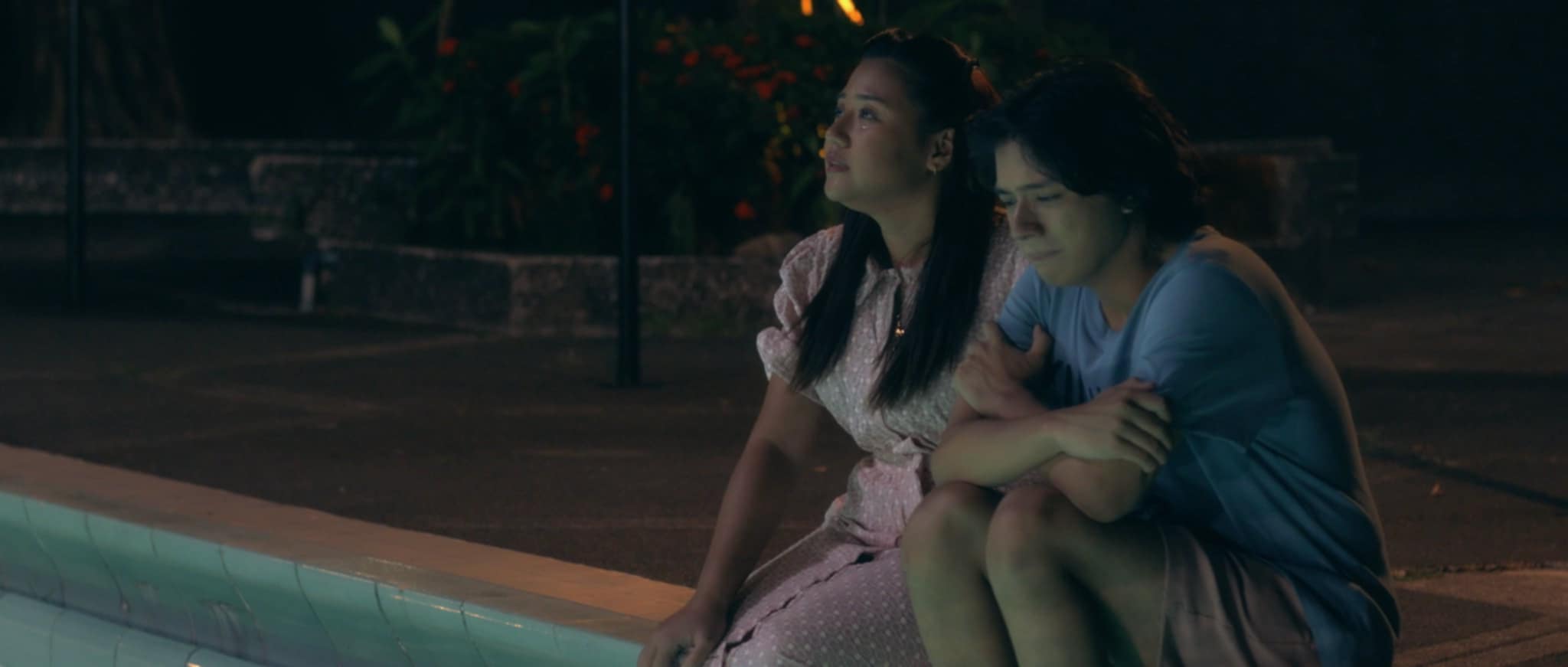
Their performances are filled with a kind of yearning, perhaps for love from an estranged parent, or a life beyond the stillness of Loboc, that grounds the film in real adolescent emotion.

The younger kids, many of whom are actual members of the Loboc Children’s Choir, are natural and endearing.
Watching them swim in the river, or simply walk home from practice, gives the film many joyful moments.
subtle but effective use of light and colors
The film is also a visual treat.
Cinematographer Pong Ignacio captures Loboc like it is bathed in golden light, as if the whole town is glowing from within.
But when the choir travels to Manila to compete, the palette shifts. The gold fades. The colors flatten.
It’s subtle but effective, marking the moment they step into a world that is harsher and more demanding.
That visual cue alone speaks volumes about the film’s deeper message: that growing up, whether as a child or as a country, often means losing something beautiful.
What’s remarkable is how the film manages to be both intimate and expansive.
On one hand, it’s a small town story about a group of children who love to sing. On the other, it quietly reflects on how politics shapes the lives of people far from the centers of power.
The choir’s rise is not just about talent and heart. It’s also about needing support from figures like Equet, who move in more powerful circles.
And that dependence, while helpful, comes with compromises.
It’s a reminder of how people like Alma, with so much to give, often have to navigate systems that don’t always see them as equals.
of small people doing big things
Song of the Fireflies is a celebration of music and childhood, yes, but it’s also about personhood, dignity, and what it means to believe in something when the world doesn’t always make space for your dreams.
It’s about small people doing big things, not for fame, but because it feels right.
Song of the Fireflies is now showing nationwide in Philippine cinemas.