
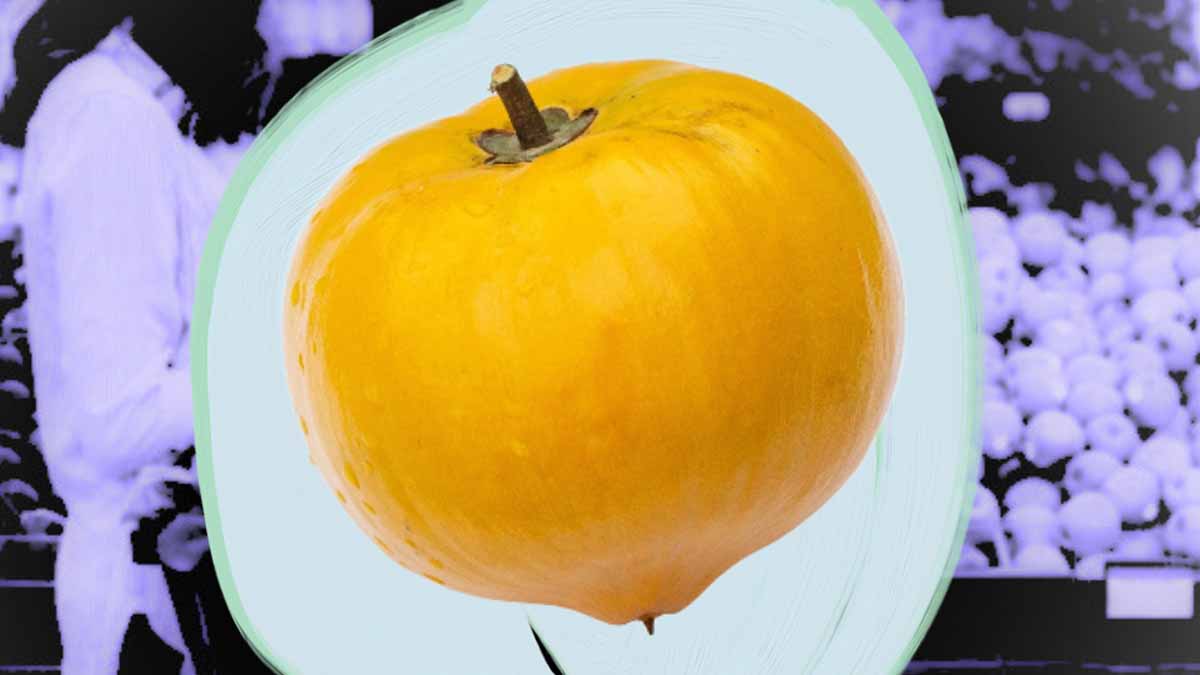

We may classify Tiesa, or Chesa, as another one of those tropical fruits that get lost in the shuffle in Filipino pop culture.
Rarely do we see the seasonal exotic fruit sold in grocery stores or supermarkets these days.
And even rarer can we find them elsewhere, except for, say, some specialty shops and random fruit stands and farmer's markets deep in the province.
Best consumed when fully ripe, the fruit is sweet that has a texture comparable to a hard-boiled egg. Traditionally, we have used it for jams, custards, jellies, and the like.
Rich in Niacin, Vitamin C, and Niacin, tiesa has even been linked to food coloring initiatives in recent memory.
It also is one of only 14 fruits and vegetables in the country known for their natural antioxidant properties.
Colloquially known as an eggfruit or a canistel, the exotic fruit remains one of the more unfamiliar fruits despite its supposed adaptation to our soil.
Why the lack of curiosity?
ALSO READ:
Mayor Vico Sotto Climbs Masungi and Plants a Threatened Species of Tree
This Unique Philippine Plant Eats Metal and Soil Pollutants
Origins of Pouteria campechiana in the Philippines
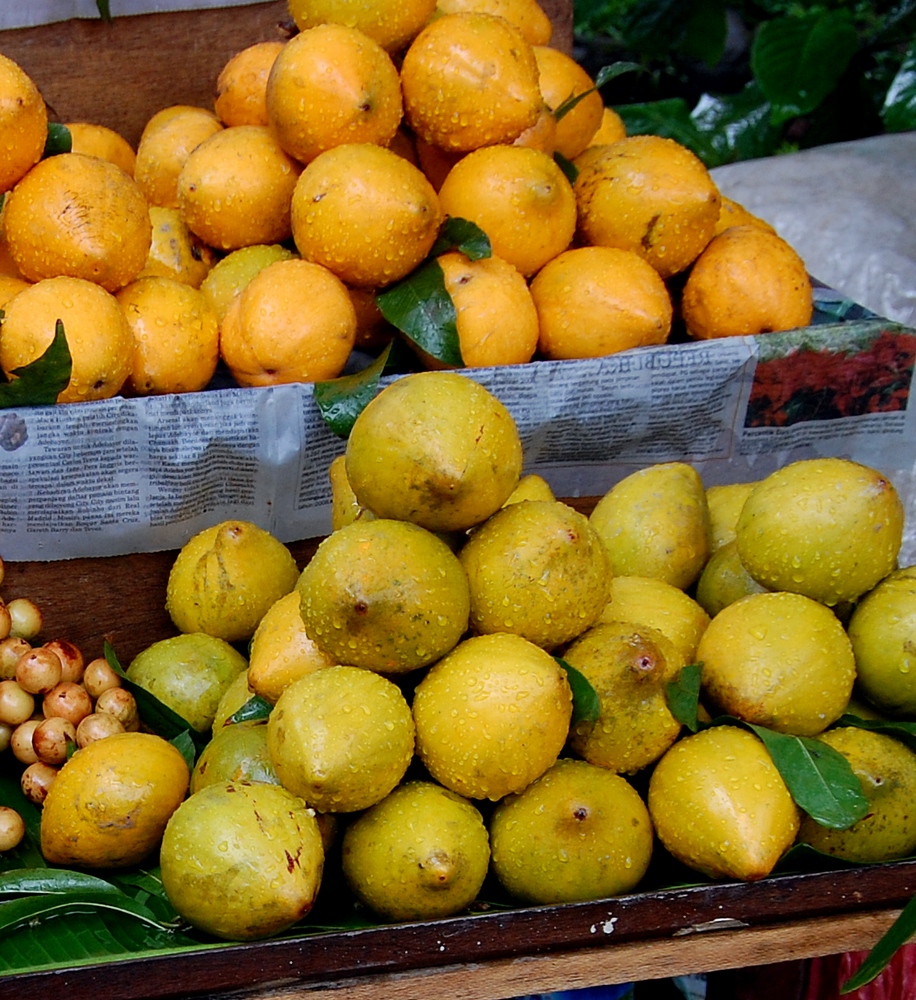
Tiesas in a local market.
Pouteria campechiana goes by many names, from Canistel and egg fruit to Tisa, Tiesa, Tiessa, or Chessa. We can trace its origins to the West Indies in tropical America.
Given the conditions of our environment and the abundance of flora, you'd think it would have more visibility by now in the Philippines. Native to Peru and Southern Mexico, it's a tree that got its name from Campeche, Mexico and has found a home in India, Costa Rica, Vietnam, Indonesia, and, yes, the Philippines, among other countries.
It is believed to have arrived in the Philippines right before the 1920s. According to Doreen Fernandez, tiesas were only introduced a century ago, as well. Others speculate that it was brought on by Spanish traders even further than that. Similar attempts to grow the fruit in countries like Singapore have long been unsuccessful, but it nevertheless can thrive on Philippine soil. In Taiwan, it is called the "peach of immortals."
Why is Tiesa so elusive?
It doesn't really have a problem with pests or the climate here. Even though it's a seasonal fruit, the tiesa generally does well. Nevertheless, it's largely elusive for a few reasons.
One of which is because ripe fruits are extremely delicate. Thus, making it difficult for wider cultivation, as well as easy bruising of the skin. It's more common to see tiesa for sale that are unripe.
The thing with it, too, is the fact that they don't have one singular shape to them. We can find some of these exotic fruits having shorter sides while others are longer and thinner. There are ones that are spherical. Some of them may or may not have a pointed apex, as well. Mature fruits may also fail to have the desired climacteric changes. These make it difficult to be consistent with its reproduction.
These days, the wood of the tree is of better value, as it is used to build structures and more. The fruit itself, on the other hand, not so much. We are yet to tap into the tiesa's full potential in terms of growth and economic development. That has to change at some point.