
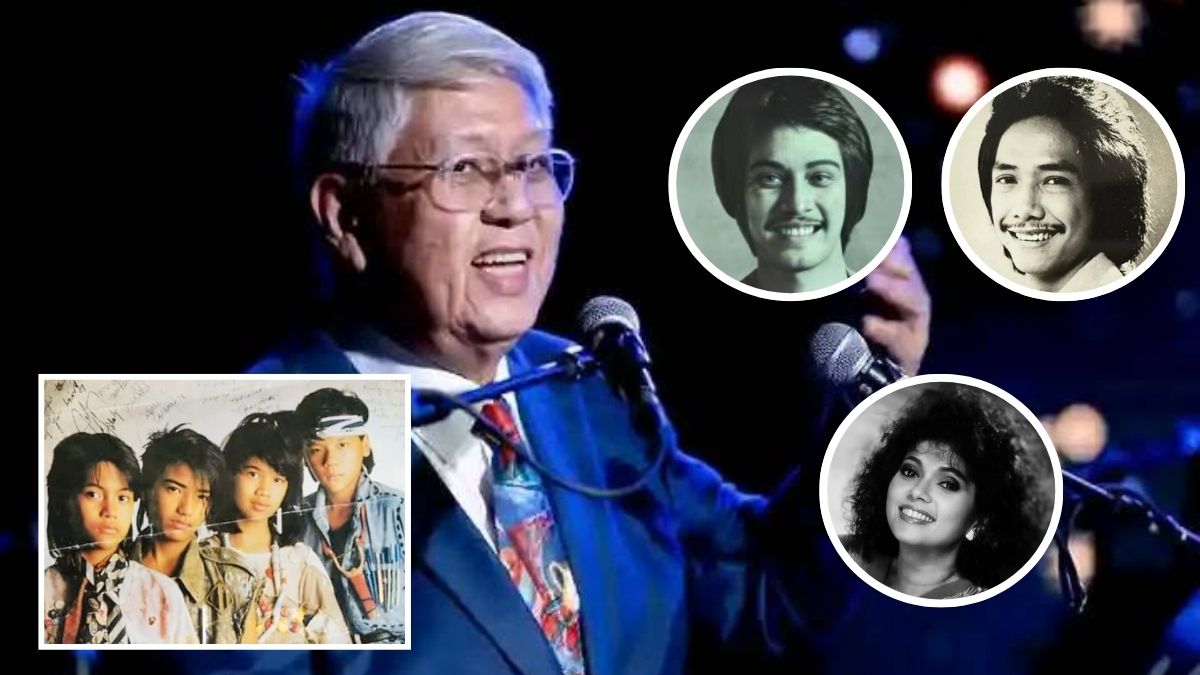

Raymundo “Ryan” Cayabyab discovered his love and talent for music at an early age.
His exposure to music from the age of four sparked a lifelong passion for sounds and melodies, setting him on a path he would follow throughout his life.
In 2018, Ryan was named National Artist of the Philippines for his notable contribution to Philippine music.
Read: Ryan Cayabyab still uncomfortable with National Artist title
The funny thing is that Ryan is a familiar figure to many of us, yet so much about him and his work remains unknown.
In that sense, he is both a popular icon and, at the same time, something of an enigmatic artist despite his stature in Philippine music and the arts.
It can be said that there are countless songs and pieces of music we hear without realizing that Ryan either created them or played a part in shaping them.
Here, we look at some of the highlights and milestones of Ryan Cayabyab's career, including the many artists he worked with and helped along the way.
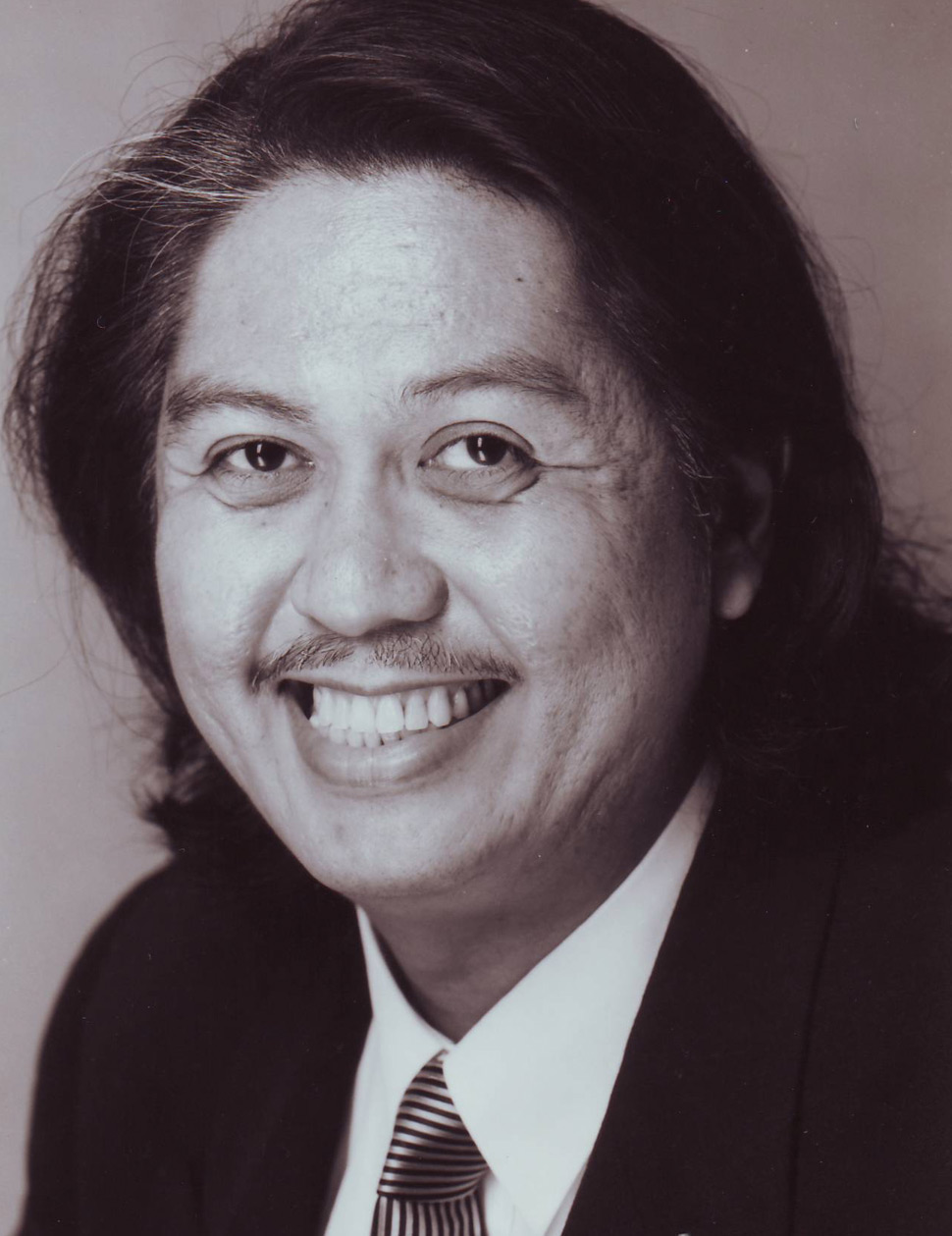
"Kay Ganda ng Ating Musika"
By the time Ryan met Hajji Alejandro in the late ’70s, the latter was already a well-known young singer, famously dubbed the “Kilabot ng mga Kolehiyala,” with hits like “Panakip-butas” and “Tag-araw, Tag-ulan” already under his belt.
That was exactly why Ryan thought of Hajji as a potential collaborator for a song he was working on at the time.
The song was “Kay Ganda ng Ating Musika,” which was Ryan’s entry for the inaugural songwriting competition, Metro Manila Popular Music Festival, or Metropop, in 1978.
Ryan was only beginning to dabble in pop songwriting.
Although his first written work, “Isang Awit,” placed third at the World Popular Music Festival Philippines in 1977, the budding composer realized early on that singing his own songs was not his strength.
“I sang the song myself, and it was a lesson learned — to leave the singing to the professional singers,” Ryan shared with ABS-CBN News in 2021.
“That is just what I did when I made it to the finals of the first Metropop in 1978. I chose Hajji Alejandro to interpret the song.”
Ryan added, “Hajji was already a popular recording artist and was a sought-after talent for concerts and shows at that time.
“It was but natural that we pooled our strengths together to create a big impact on the competition proper.”
Hajji, who heard the song’s demo through his mentor, Willy Cruz, was instantly smitten with it and agreed to interpret the song for the competition.
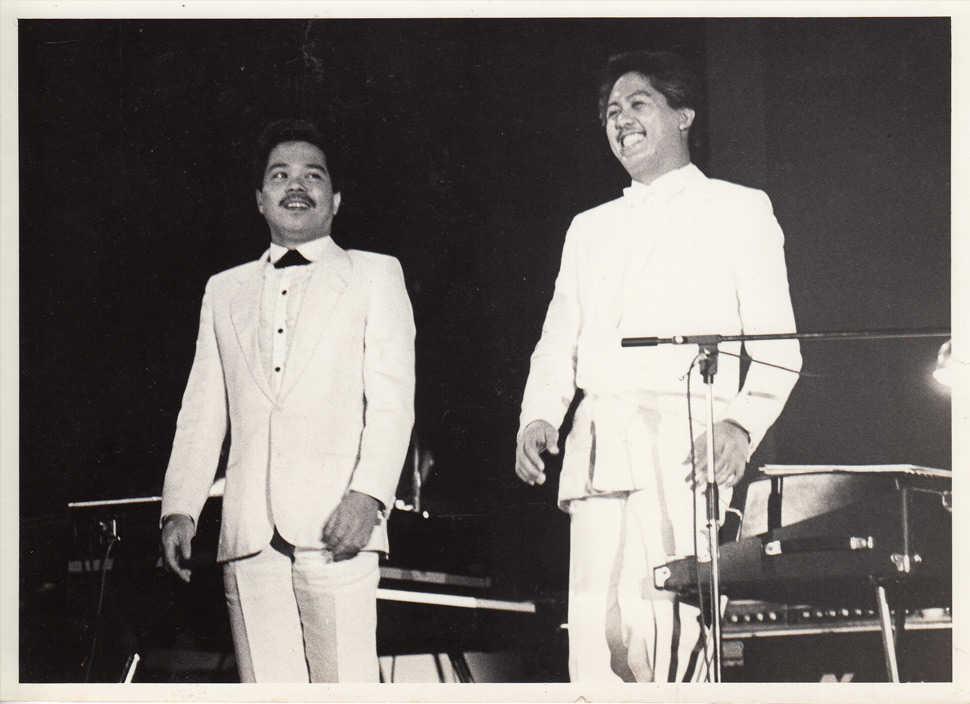
But he also had some reservations about taking it on, confiding, “I was excited, nervous, flattered, and scared all at the same time.
“Overwhelmed by the magnitude of the song festival where I would have to compete with the country's finest and seasoned singers, plus the impending impact it would have on my young career should I win or lose.”
Nonetheless, Hajji gave it a go, and “Kay Ganda ng Ating Musika” went on to win the grand prize at the first Metro Manila Popular Music Festival, beating out fellow entries that would soon become Filipino music classics, including Janet Basco’s “Minsan Pa” (composed by Jose Mari Chan), Heber Bartolome’s “Tayo’y Mga Pinoy,” and Freddie Aguilar’s massive hit, “Anak.”
Next, “Kay Ganda ng Ating Musika” competed at the inaugural Seoul International Song Festival in South Korea, where it won the grand prize, and Hajji took home the Best Singer award as well.
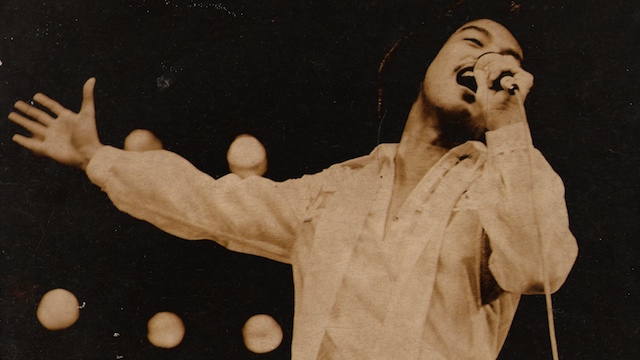
“Kay Ganda ng Ating Musika” is the first Filipino song to win the highest award in an international song competition.
Reflecting on the song and his mindset when he penned it, Ryan shared with ABS-CBN News: “It was borne out of a community or shared question: What is the Filipino identity — in art, in music, in architecture, etc.
“My concept was to elevate the status of our own music by claiming how beautiful our music is.”
He continued: “I think ‘Kay Ganda ng Ating Musika’ has become a classic because of its rallying cry.
“It is the same mantra I adopt whenever I give workshops, camps, and music lectures.
“I need not say how beautiful our music is. I only exhort every young, aspiring songwriter to write about their thoughts and feelings and express them in song in their own language.”
Read: Mr. C reveals if National Artist status affected his talent fee
"KAILAN," "PARAISO," "DA COCONUT NUT..."
In 1989, Ryan called auditions for a vocal group he was assembling with executive producer Judd Berlin.
While the idea was inspired by popular singing groups of the time, such as Menudo and New Kids on the Block, Ryan wanted to create a group that was distinctly Filipino, from its image to its overall presentation.
After auditioning thousands of aspiring performers, Ryan and Judd narrowed the pool down to eight before selecting the final four: Geneva Cruz, Jeffrey Hidalgo, James Coronel, and Tony Lambino.
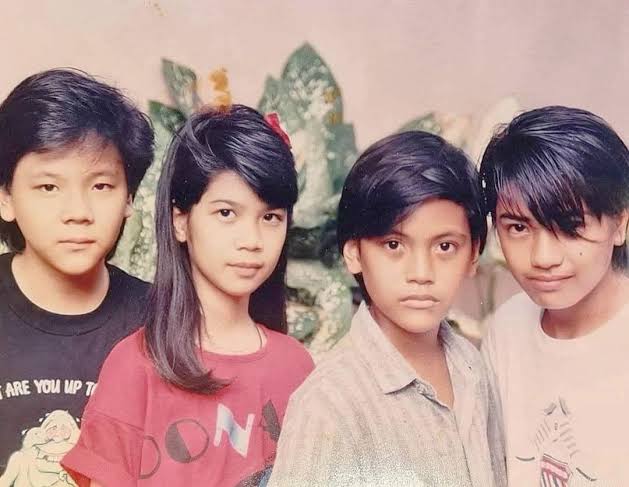
The new group’s name was inspired by a song Ryan had recently written, “Paraiso,” which vividly portrayed the lives and hardships of people living in Tondo’s sprawling landfill, popularly known as Smokey Mountain.
Smokey Mountain’s self-titled debut album was released in 1989 under Universal Records and produced several memorable songs penned by Ryan, including “Mama” and “Can This Be Love.”
Interestingly, “Paraiso” was left off the album after label boss Bella Tan felt the song was “masyadong mabigat.”
With the track needing a replacement, Ryan quickly got to work and came up with the catchy young-love ballad “Kailan.”
The group would unveil a new line-up in 1991, with Jayson Angangan, Chedi Vergara, and Shar Santos joining the group. James Coronel was the only holdover from the original line-up.
Smokey Mountain’s sophomore album, Paraiso, was released in 1991 under BMG Music Philippines.
The album featured the hit songs “Kahit Habang Buhay,” “Da Coconut Nut,” and its title track, “Paraiso.”
Smokey Mountain released two more full-length studio albums before disbanding.
Although the group was short-lived, Smokey Mountain no doubt showcased Ryan's brilliance as a songwriter and music composer.
The songs recorded by the group also helped Ryan connect with a younger generation, both then and now.
Tracks like “Kailan,” “Kahit Habang Buhay,” and “Can This Be Love” continue to be sung by emerging artists and casual listeners alike, whether in singing contests or during videoke sessions across the country and even beyond the Philippines.
Meanwhile, the members of Smokey Mountain went on to pursue solo careers and remain household names to this day, even as they have gradually stepped back from the music business.
Read: National Artist Ryan Cayabyab, may "horror story" ba sa mga nakatrabahong singers?
"Paraisong Parisukat," "Tuwing Umuulan at Kapiling Ka..."
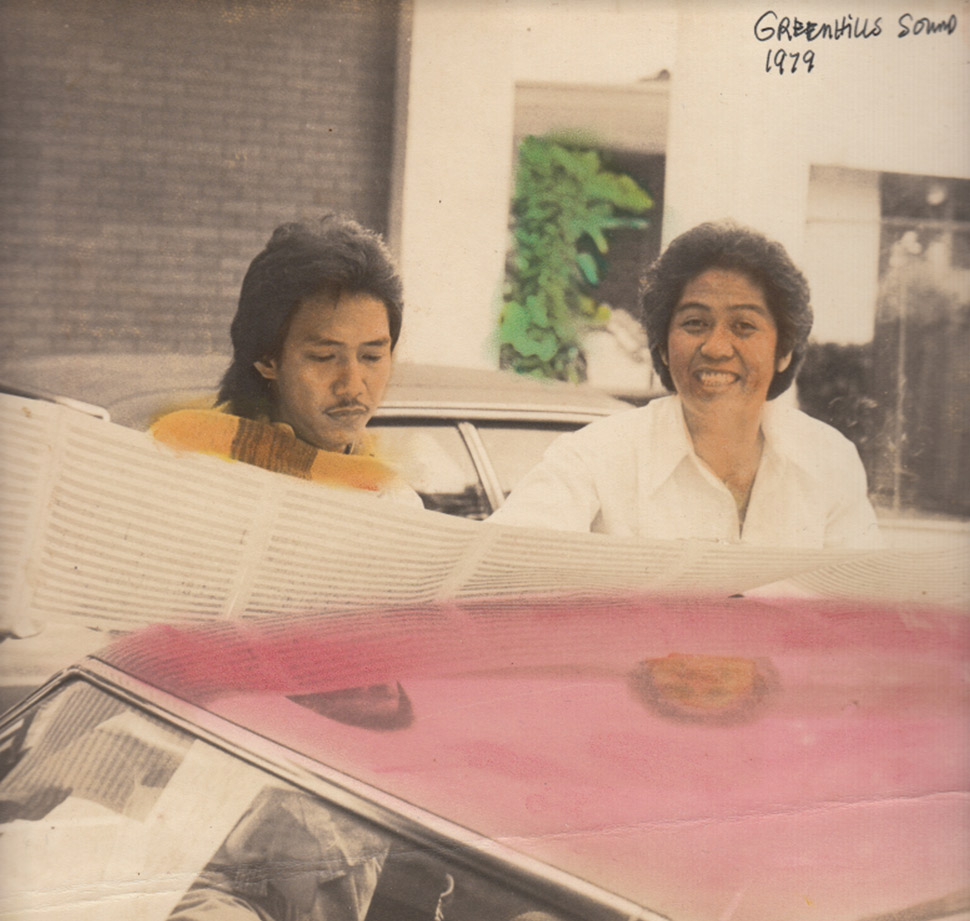
Ryan’s creative partnership with balladeer Basil Valdez produced the hits “Tuwing Umuulan at Kapiling Ka,” “Nais Ko,” and “Paraisong Parisukat.”
Beyond these three songs, Ryan also penned “Sometime, Somewhere,” “Iduyan Mo,” and “Kahit Ika’y Panaginip Lang,” among others for Basil.
Ryan served as Basil’s musical director for years, helping arrange the songs and musical material for the singer’s concerts.
"We're best of friends. Good friends. I really learned a lot from him, and I think somehow, you know, I'm always on my toes when I'm performing with him. It's really a pleasure," Basil said about his relationship with Ryan.
RYAN'S IMPRINT IN FILIPINO MUSIC AND POP CULTURE
Ryan’s role in Philippine music cannot be understated.
While Mr. C, as he is fondly known in the industry, may not have written all the breakthrough songs or biggest hits of many singers, he nonetheless played a significant role in their journeys as artists.
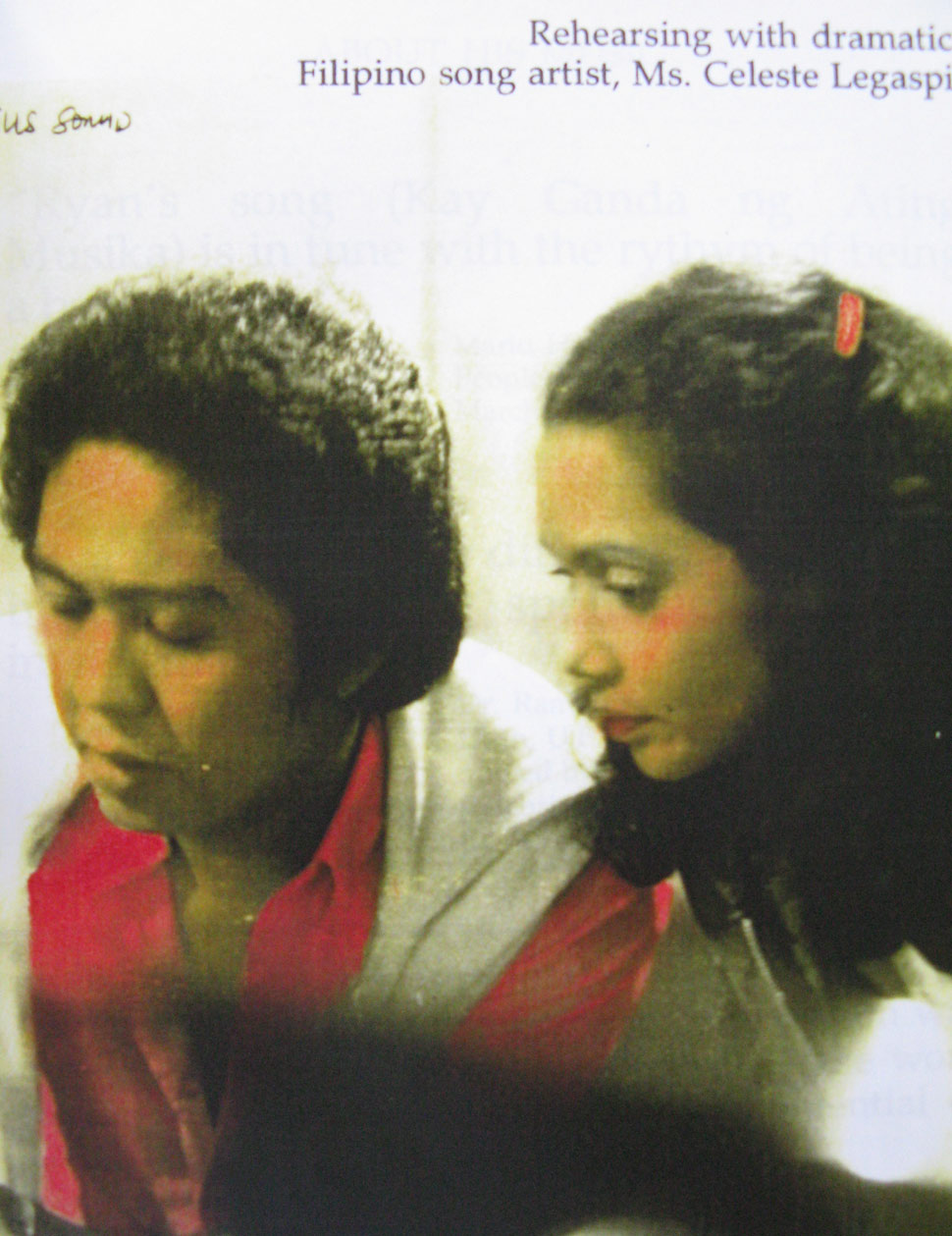
For example, Ryan did not pen Celeste Legaspi’s memorable songs, but he served as her musical director for her concerts.
It is also worth noting that Ryan composed the music for “Minsan ang Minahal ay Ako,” which was recorded by Celeste as part of his work on the biographical stage musical Katy!.
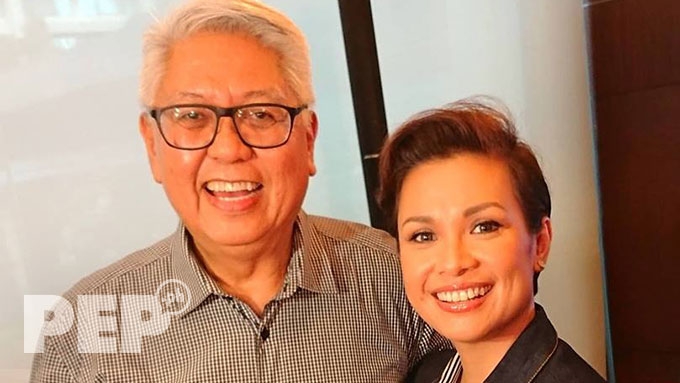
Ryan also collaborated with Broadway star Lea Salonga, including on “We Win as One,” which Lea performed as the theme song for the 30th Southeast Asian (SEA) Games, hosted by the Philippines in 2019.
Lea also recorded a cover of Ryan's "Limang-Dipang Tao" in the Silver Album released in 1996.
Many contemporary artists have also recorded covers of Ryan’s songs, including Regine Velasquez, the Eraserheads, Ariel Rivera, Kuh Ledesma, and Francis Magalona.
As a musical arranger, Ryan also helped shape some of OPM’s enduring gems, including “Kumukutikutitap,” “Bayan Ko,” “Tanging Yaman,” “Kampana ng Simbahan,” and “Sa Ugoy ng Duyan.”
His show Ryan Ryan Musikahan, which aired on ABS-CBN from 1988 to 1995, put the spotlight on OPM singers, from established names to emerging artists, giving them a platform to reach audiences nationwide.
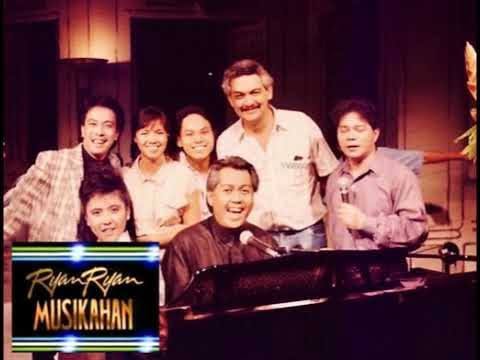
Ryan’s work extended beyond recording artists and albums, reaching other areas of Philippine pop culture.
He wrote music for commercials and advertisements, the 1994 Miss Universe pageant, theater productions, and television shows such as The World Tonight and Sineskwela.
In an interview with The Philippine Star published in February 2021, Ryan shared a few words of wisdom that perhaps best capture his enduring dedication to and love for music.
“Enjoy learning, enjoy performing,” he said.
“One must enjoy the world of music to be lost in it and to share this enjoyment.
“Talents who shine the brightest give out an aura of joy and happiness when they perform.”
Read: What National Artist Ryan Cayabyab means when he says "laos na kami"