
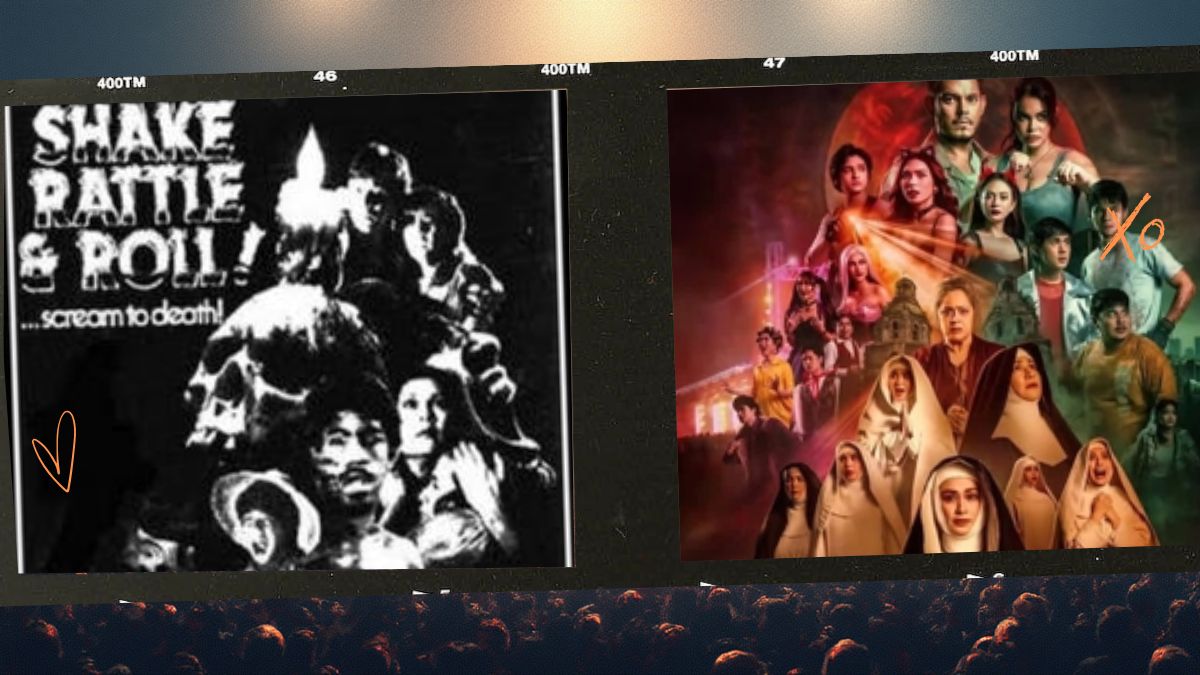

Since the release of the 1927 silent film Ang Manananggal, widely regarded as the first Filipino horror movie, Philippine mass media have continued to produce works that tap into the public’s fears.
Filipino culture—rich in superstitions, folklore, the occult, and the paranormal, many of which vary by region and background and are shaped by religion as well as local and colonial influences—provides fertile ground for scary stories.
In fact, the horror genre in the country, even back then, transcended all platforms, extending beyond television and the big screen during the post-World War II era to become a form of entertainment.
The legendary Gabi ng Lagim series, broadcast on DZRH (formerly KZRH), captivated audiences with chilling tales of the supernatural and the occult.
At the same time, readers of all ages were drawn to local comic books that featured spine-tingling stories about mythical creatures.
Meanwhile, film studios entertained, or rather, frightened, moviegoers with films featuring stories about evil and mysterious entities rooted in local culture.
The birth of a horror franchise
In 1984, Athena Productions, founded by film producer and talent manager Douglas Quijano, developed the concept for a horror film titled Shake, Rattle & Roll.
Envisioned by Douglas and his team as an anthology, the movie would be divided into three episodes, forming a trilogy of stories with distinct plots and twists.
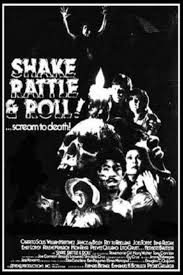
Athena assembled a trio of esteemed and critically-acclaimed directors—Emmanuel H. Borlaza, Ishmael Bernal, and Peque Gallaga—to bring the film and each episode to life.
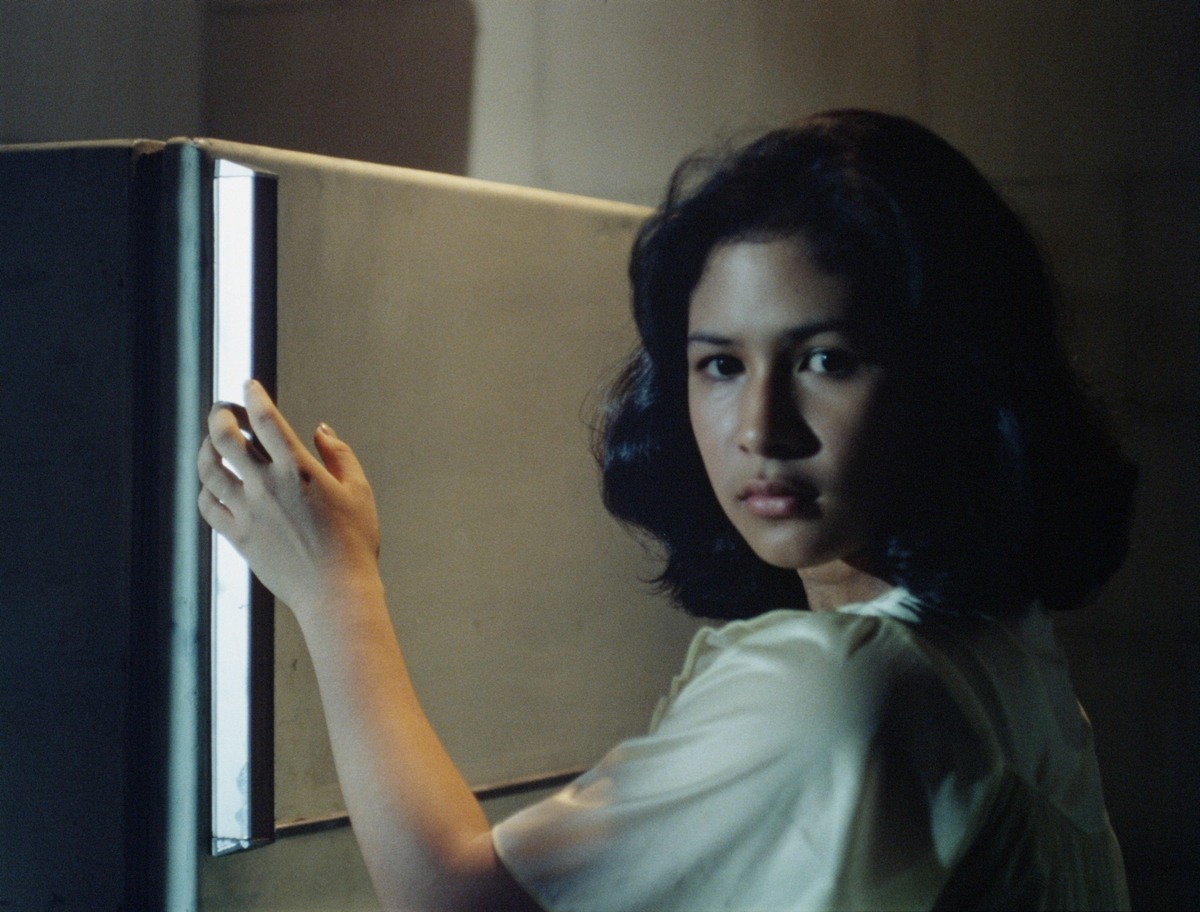
Shake, Rattle & Roll captured both the fear and fascination of audiences, propelling itself into pop-culture relevance through memorable elements such as the killer refrigerator in “Pridyider”; the paranormal focus of “Baso,” which centers on the spirit of the glass; and the terrifying mythical creature—manananggal.
REGAL TAKES OVER
Shake, Rattle & Roll was a success, but Athena Productions would soon fold amid fierce competition in a movie industry crowded with both emerging and well-established players.
In 1990, Regal Films (now Regal Entertainment) resurrected Shake, Rattle & Roll, banking on the film’s success six years earlier and its strong name recall.
Regal founder Lily Monteverde, endearingly nicknamed Mother Lily, had a close friendship with Douglas, so assuming rights over the film was not a problem.
"Douglas is a big part of Regal,” Roselle Monteverde, daughter of Mother Lily and CEO of Regal, told PEP.ph (Philippine Entertainment Portal), citing the late talent manager’s role in discovering and bringing in artists who later became major stars and headlined Regal-produced films.
"So that's how na pagdating sa next Shake, you would see Douglas' name [in the credits] pa rin, but it's all financed by Regal."
Interestingly, Mother Lily was a fan of horror movies, and Roselle recalled watching scary flicks—including the 1974 classic Patayin Mo Sa Sindak Si Barbara starring Susan Roces—with her mom while growing up.
"She loves watching horror pero matatakutin din talaga siya," shared Roselle.
"She likes the feeling of getting scared, na kakabahan siya. She likes that feeling that you get from horror."
Before taking in Shake, Rattle & Roll, Regal had already been producing horror projects, such as Tiyanak (1988) and Huwag Kang Hahalik Sa Diablo (1989), as well as the television series Regal Shocker, which debuted in 1985 on GMA Network.
Now under Regal, Shake, Rattle & Roll II carried on the concept of its predecessor and featured three episodes: "Multo," "Kulam," and "Aswang."
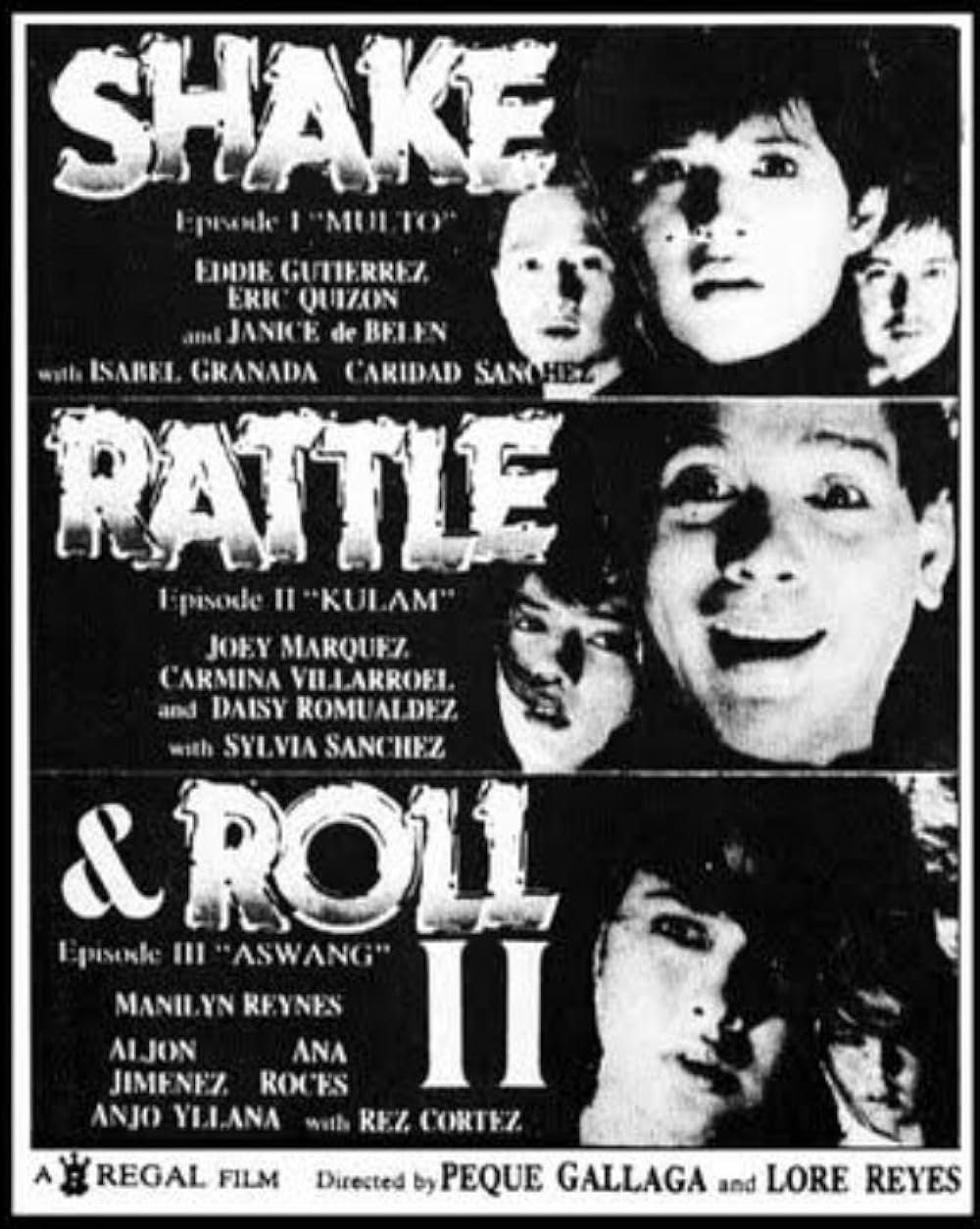
The second installment was noteworthy for several reasons.
It marked the franchise’s first inclusion in the Metro Manila Film Festival in December.
Additionally, it introduced actress Manilyn Reynes in her first starring role, marking the beginning of a series of appearances in the franchise.
Keith Monteverde-Teo, Regal executive vice president, fondly remembers Shake, Rattle & Roll II as "my first horror movie experience in the theater at eight years old."
If anything, the film—particularly its third episode, “Aswang,” top-billed by Manilyn—left a lasting impression on Keith, so much so that it sparked his love for horror films.
"I still think about it today, yung mga jumpscares," beamed Keith.
He continued, "I think it was Peque Gallaga who did that episode. It's still so good to me."
If Shake, Rattle & Roll II reintroduced the brand to viewers, its third installment, released in 1991, arguably further cemented its legacy not only in Philippine cinema but also in local pop culture.
Shake, Rattle & Roll III dished out several memorable moments that defined careers.
First, then-presidential daughter Kris Aquino appeared in her first horror movie, a genre that she would dominate years later, thanks to box-office hits such as Feng Shui, Sukob, and Segunda Mano.
Second, character actress Lilia Cuntapay had her breakthrough in the film, portraying an aswang disguised as a spooky nanny. She delivered the terror without a single line of dialogue, relying solely on her facial expressions, amplified by a tight close-up that sent chills.
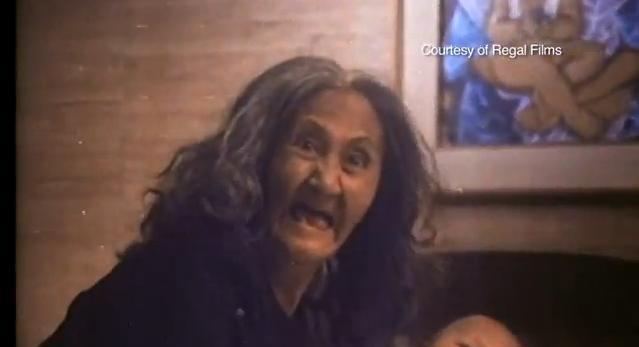
Both Kris and Lilia were seen in the episode "Yaya."
And then there's the "Nanay" episode made unforgettable by the Undin, or water-nymph creature, out to recover her stolen eggs from a student named Maloy, portrayed by Manilyn Reynes.
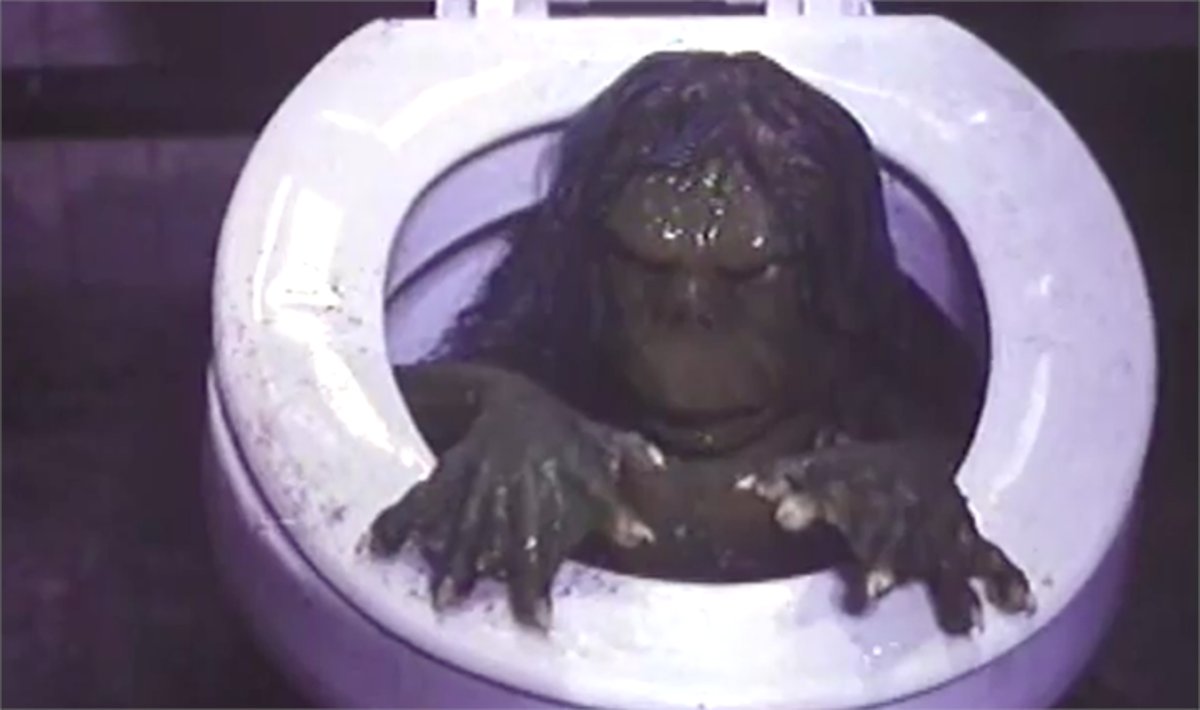
The undin would go on to become iconic—synonymous with the Shake, Rattle & Roll franchise—and secure its place in Pinoy horror lore alongside other mythical creatures that have long haunted the public imagination.
From then on, Regal churned out Shake, Rattle & Roll sequels that introduced new frightening figures into local pop culture and delivered episodes that left a lasting mark on viewers’ consciousness.
A GRUELLING UNDERTAKING
One might assume that after 16 films—including this year’s Evil Origins—Regal knows the horror formula like the back of its hand.
The truth is, creating a horror film, as any producer would attest, is not for the faint of heart.
For Regal, the franchise’s long run and its three-story-per-film format mean there is constant pressure to come up with new ideas without becoming repetitive.
This means Roselle and her team must sift through countless drafts and story pitches to find unique narratives for each Shake, Rattle & Roll film.
"Ang hirap na hindi siya sana mapareho doon sa dati, yun talaga, and how the narrative will be because I would remember like marami rin nari-reject na mga stories pag inisip mo paano execution," confided Roselle.
"Kasi as a producer, di lang naman talaga yung story lang, pati yung treatment as far as how far are you gonna go sa gore, how far are you gonna go sa takutan, how far are you gonna go for the monster, di ba?
"So ang daming mga concerns na kailangan i-marry para you could come out with a good Shake."
All factors considered, the timeline for creating a new Shake, Rattle & Roll film— encompassing planning, conceptualization, filming, and post-production—takes approximately two years to complete.
Keith shared: "This Evil Origins had about 18 months for development cycle.
"So for us, knowing how challenging it is to put it together, we are always thinking about what the next Shake could be.
"Like, our goal is to have a Shake, Rattle & Roll every two to three years, but making sure each one delivers something new that the audience hasn't seen before.
"So it takes really a lot of time. Especially, also because it has that unique structure na it's three episodes. So it will always have three episodes. It will always be rooted in Filipino horror and will have Filipino values.
"So with those three things in mind, we're always thinking about new stories we can do while also staying consistent with the things that people expect to see in a Shake, Rattle & Roll."
CRAFTING A HORROR FLICK THAT STICKS
From the chosen concept, the Regal team then undertakes the painstaking task of building the narrative and its framework.
As any horror film enthusiast would agree, the psychological elements of horror films are just as important, if not more so, than the visuals.
Thus, the need to establish the proper mood and environment makes creating a horror film significantly more challenging compared with other genres.
Interestingly, although horror films and literature largely draw from imagination, fantasy, and the unproven, they still require a semblance of reality to remain relatable and emotionally engaging for audiences.
It is a delicate balance that producers and writers in the genre constantly grapple with.
"Hindi lang naman characters, character development... it's so important na kapani-paniwala siya," remarked Roselle.
It is not uncommon for the script and narrative of an episode to undergo constant revisions during pre- and post-production.
As Roselle shared, she and Mother Lily used to spend time in the editing room, meticulously reviewing sequences and rushes to get a feel for the scenes and the overall mood.
"Hindi lang naman yung visual part pati yung sound part," remarked Roselle.
"When it comes to the final say, it's usually me and my mom. Obviously, my mom has the final say."
However, mental fatigue from repeatedly watching the same scenes would eventually set in, so the mother-and-daughter duo often invited trusted people to provide fresh feedback.
"It also gets hard when the same people are watching it over and over again, kasi hindi ka na talaga matatakot. Alam mo na lahat, e, especially for me and my mom... We watch everything usually within two days after filming. So we're very close to the process."
She explained further, "Yung different elements play different roles in making it scary.
"Like for example, in episode one, the sound design is so important. Pero when you're watching the rushes, wala pa ang sound, di ba? So you have to imagine it.
"That's why we spend a lot of time in pre-production, like what the sound is gonna look like. So when we're watching the rushes, we try to imagine it, 'Okay, this is what it's gonna sound like.'"
"The challenge is different with every episode and every iteration because we try to do different types of, I guess, sensory experiences for horror that doesn't always just come out in film or just in the images."
Budget-wise, producing a horror film—particularly Shake, Rattle & Roll—is no small feat.
Due to its three-episode format, the film boasts an extensive cast, increasing the cost of compensating actors as well as the many individuals involved in production.
Add to that the expenses for props, production design, and post-production work—including editing, music scoring, and other technical requirements.
THE FUTURE OF THE FRANCHISE
Evil Origins is off to a strong start and may emerge as the most successful installment in terms of box-office performance.
Given Regal’s commitment to the franchise, it is safe to say that viewers and future generations of moviegoers can expect to see more Shake, Rattle & Roll for years to come.
Over the years, we've seen the horror genre evolve and spawn sub-genres to cater to the audience's shifting tastes.
For example, horror films from Asian countries such as Japan, South Korea, and Thailand have gained massive global popularity in recent years, driven by streaming platforms, word of mouth, and strong marketing and promotion.
Back in 2004, Regal produced the supernatural horror flick Sigaw starring Richard Gutierrez and Angel Locsin, and directed by Yam Laranas.
Released at the peak of the Asian horror boom, the film was screened in Malaysia and Singapore and later inspired a 2008 American remake, The Echo.
Roselle recalled the American film and television producer, Roy Lee, of Vertigo Entertainment, reaching out to her about Sigaw and the possibility of remaking it for the Western market.
At the time, Vertigo Entertainment was acquiring Asian horror films such as The Ring and The Grudge and producing American remakes in hopes of replicating their international success.
Philippine horror movies, according to Roselle, sadly have a reputation for being restrained and squeamish to extreme blood and violence.
Not that local filmmakers like it, but they do it to please the censors and get their films screened in public.
Roselle views the restrictions imposed by the Movie and Television Review and Classification Board (MTRCB) as a double-edged sword, yielding both benefits and drawbacks for local horror productions.
Although a parental guidance (PG) rating can broaden a film’s reach by appealing to families and securing more cinema slots, it may come at the cost of alienating hardcore horror fans.
Roselle explained: "As long as there's parental guidance, puwede ka na magsama ng bata, di ba?
"Pero, limited naman yung magagawa mo sa isang horror pag naka-PG lang iyan.
"Na ayaw naman ng mga mas may edad like, mga 13-year-old or 16-year-old. Ayaw naman nila manood ng pang-PG lang na horror, di ba?
"So, kaya minsan, nalilimitahan yung director: 'Saan ba tayo pupuwesto?'
"Sa ibang bansa kasi, minsan they think that our horror is really very tame. Sobrang maingat, takot tayong magpakita ng gore.
"Pero what we tell our directors, kung ano nasa vision mo gawin mo, kami ng bahala."
As viewing habits shift and entertainment consumption evolves, Regal, while fully aware of the internet’s growing dominance over traditional cinemas, remains a firm believer that movie theaters are the rightful venue for horror films.
"If it's horror, it really has to be big screen, right? So what are the things na dapat nilang abangan and that would make the people say na 'Hey, I really have to watch this sa big screen,' sa IMAX or wherever," said Roselle.
Continued Roselle, "Sabihin ko sa iyo yung totoo, ayaw kong pinapanood lang like on my phone or even on a tablet.
"Kaya for me, the cinema experience is still valuable kasi mas ma-appreciate mo talaga lahat ng detail na nakikita mo doon. Wala kang masyadong makitang detalye pag nasa TV lang ganun. 'Tsaka yung sound talaga, iba."
Keith nodded in agreement, saying, "I think there's something to be said about the collective experience of a group of people [watching a movie in a cinema], and I think Shake does that really well.
"You know, when you go and watch Shake with a group of people, you'll scream together, pero you'll also laugh together, you'll gasp together, you might even cry together. So it's really like a community experience."
Plus, Shake, Rattle & Roll has a legacy and tradition that Regal would like to keep and continue for as long as it can.
"May habit na yung tao manood ng Shake sa sine, and you don't want to break that habit," remarked Roselle.
Keith added, "I think Shake is special because it's the longest-running franchise in the Philippines and in Southeast Asia. So yung core fans niya, multi-generational na, and I think there's like a cult following na talaga.
"Because even when you ask people what's their favorite episode, you get different answers from different people, from different generations—that's what makes it really unique.
"It's been around for so long, it's become part of what people expect from Philippine cinema.
"So parang in addition to horror, there's something familiar yet also something fresh with every iteration of Shake, Rattle & Roll.
"When you watch the three episodes, you get a feeling of nostalgia and something new, and I think that is really hard to do in movies."
With a PG-13 rating, Shake, Rattle, & Roll: Evil Origins presently holds the No. 2 spot at the box office.