
MNL Fashion Week 2026 opened its first night with six distinctly different visions of contemporary Filipino fashion.
At 5 P.M., nicolò by Nicolò Perez set the tone with Flow State, a collection about ambition, discipline, and the pleasure of getting lost in the work.
Two hours later, Yong Studio turned the runway into a meditation on climate change, beginning with the abundance of nature before gradually draining its color away.
Together, the collections made for a compelling opening: one looked inward at the psychology of creation, while the other looked outward at a world increasingly shaped by environmental loss.
Read: Everything you need to know about MNL Fashion Week 2026
Nicolò: Finding Freedom in the Work
Nicolo’s Flow State was structured around three mythological figures: Sisyphus, Narcissus, and Icarus, each representing a different relationship with ambition.
The collection also marked a significant expansion for nicolò, introducing womenswear to a brand previously rooted in menswear.
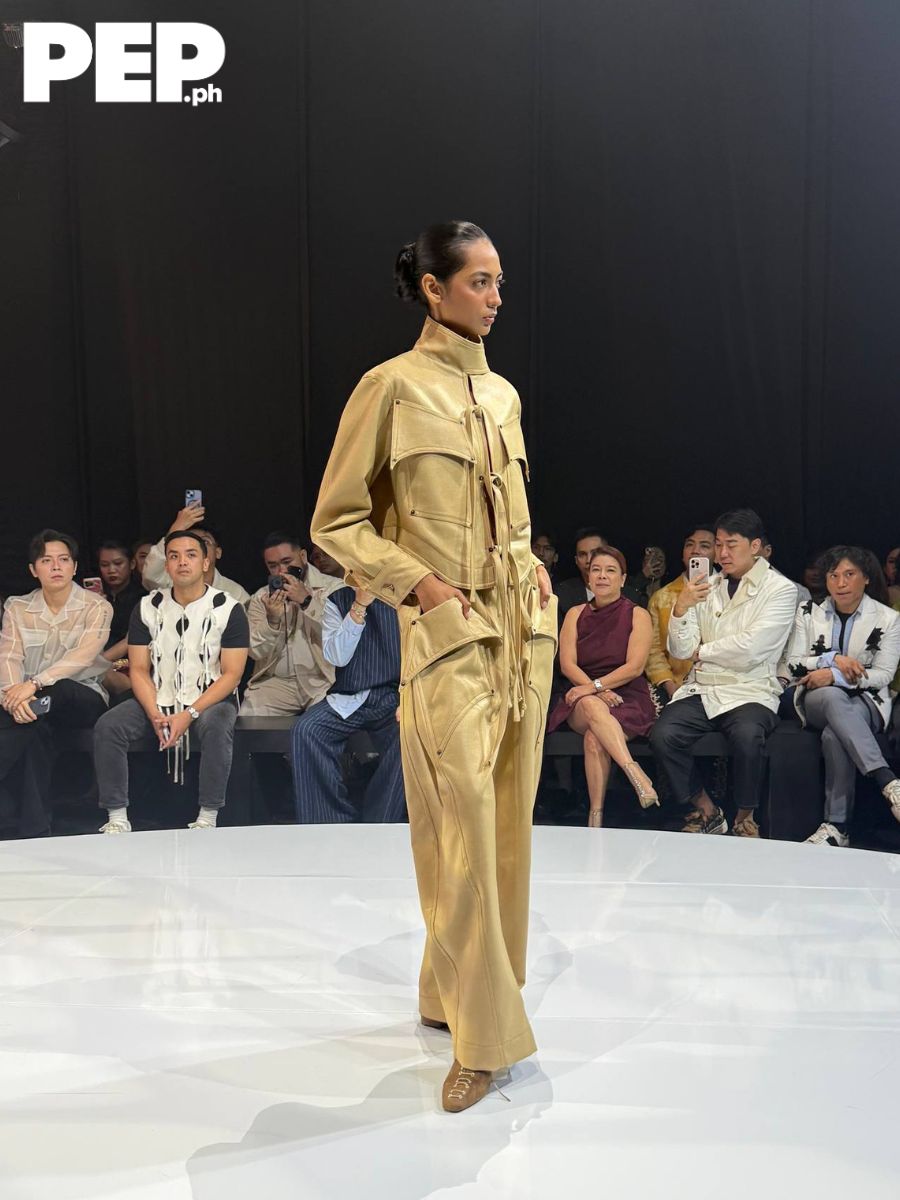
The opening looks carried utilitarian discipline: relaxed tailoring, workwear-inspired pieces, oversized shorts, and functional silhouettes.
That evolution became particularly visible in the collection’s water-inspired pieces.
Sheer layers, translucent fabrics, and undulating graphic motifs gave garments a sense of movement, while cropped proportions and relaxed shapes kept the looks light and wearable.
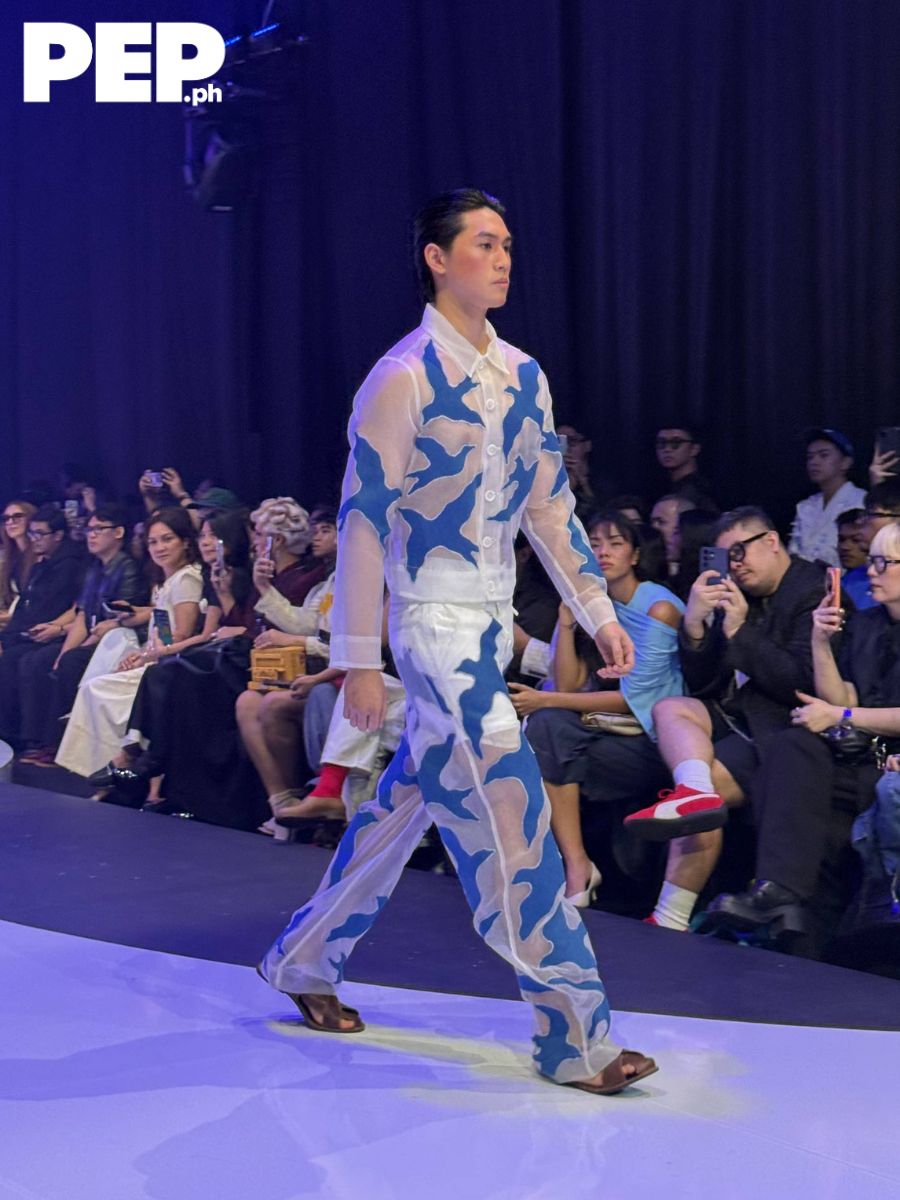
A pale blue-and-white ensemble, for example, paired a translucent, wave-patterned top with a loose skirt, capturing the collection’s shift from structure toward fluidity.
The palette and fabrication was also expressive.
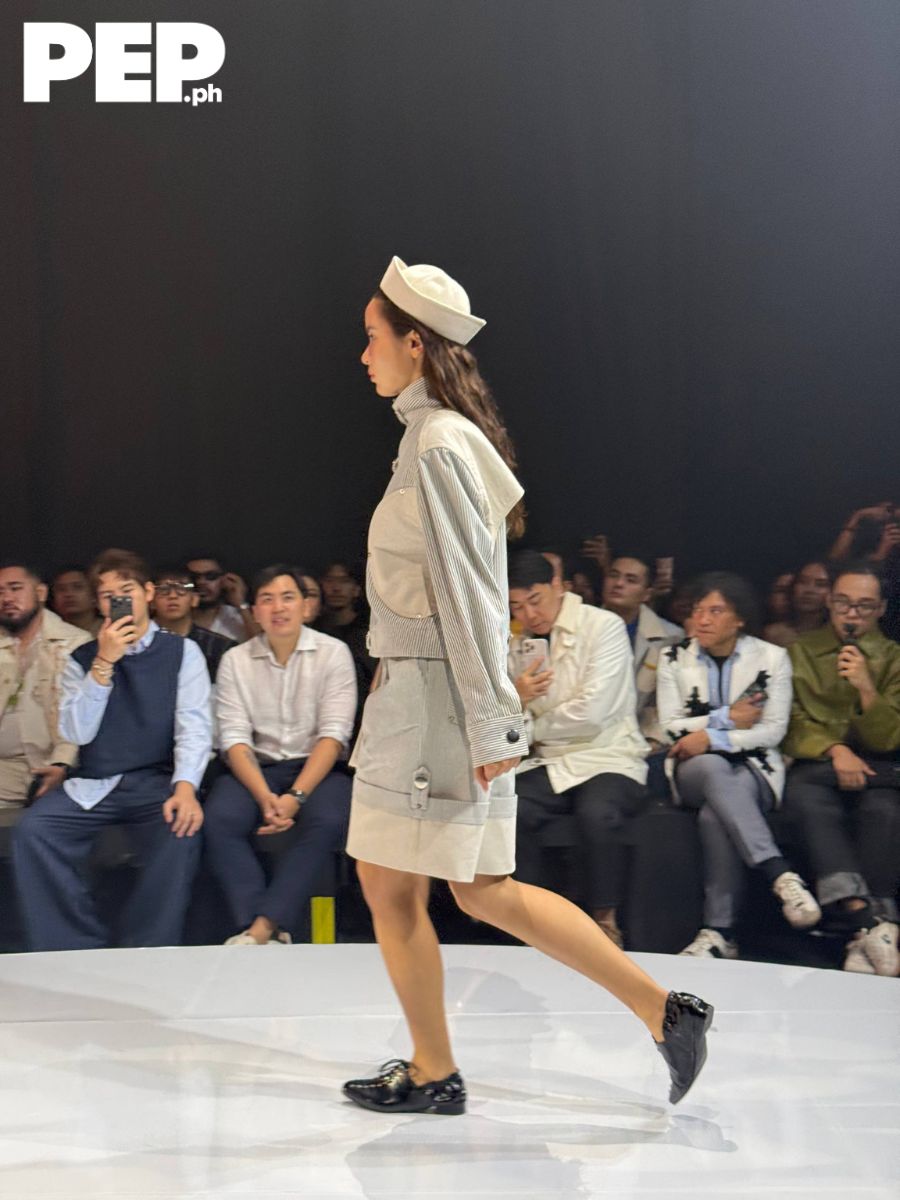
Glittered surfaces, sequins, technical nylon, denim and appliqué appeared alongside airy fabrics, while sailor and resort references gave the collection a distinctly sunlit, seaside character.
Womenswear did not feel like an abrupt departure from the house’s established language. Instead, it was filtered through the same clean, architectural sensibility.
Read: Kylie Verzosa on pricing, profit, and fashion in today’s economy
Yong Studio: When the Color Runs Out
At 7 P.M., Yong Studio debuted its largest collection to date, beginning a celebration of the natural world, with vibrant colours, botanical references, and animal prints filling the runway.
But the abundance was deliberately temporary. As the show progressed, the color receded, eventually giving way to beige, taupe, and dry-earth tones inspired by El Niño.
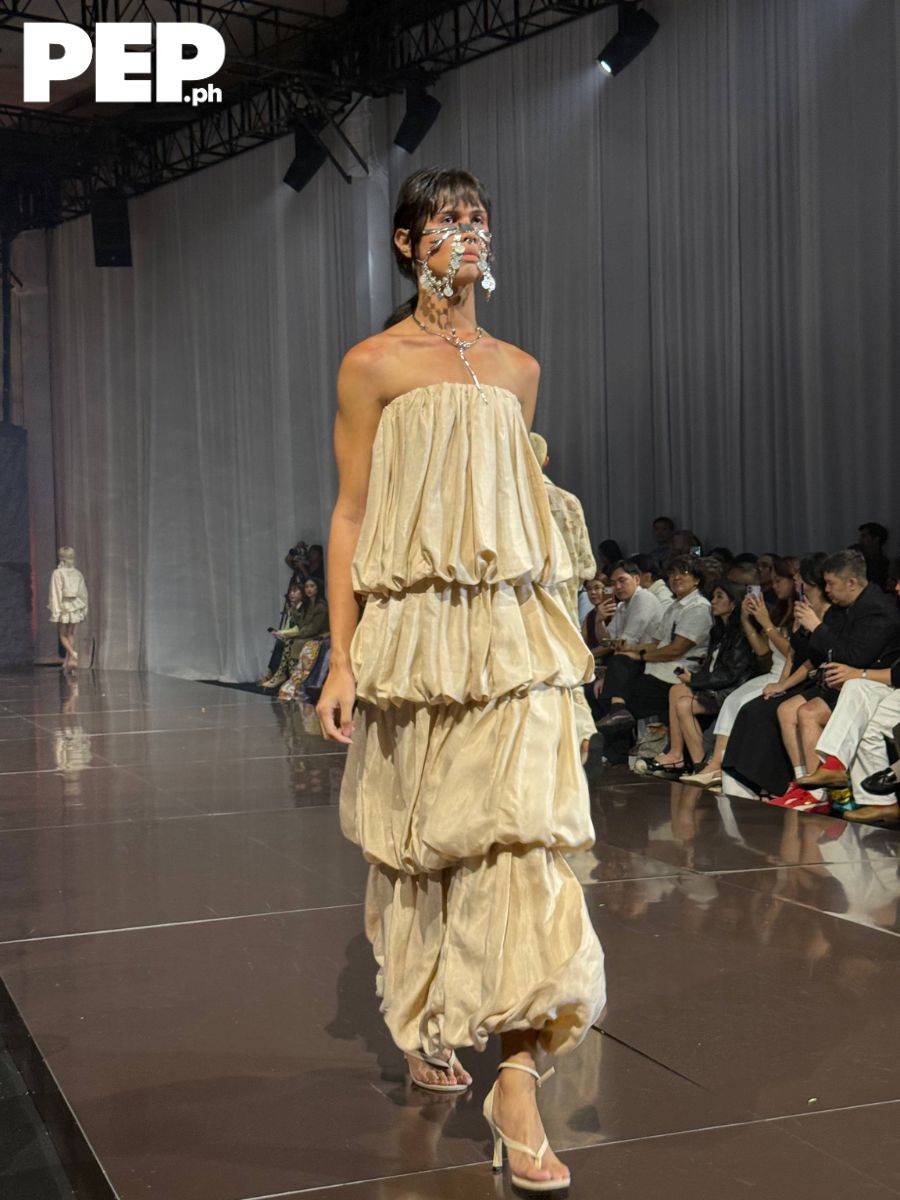
The transformation was particularly striking, conveying a powerful environmental message through fashion.
Nature appeared first in lush, expressive forms, including a vivid green look with a fitted long-sleeved crop top and dramatically gathered, flowing skirt.
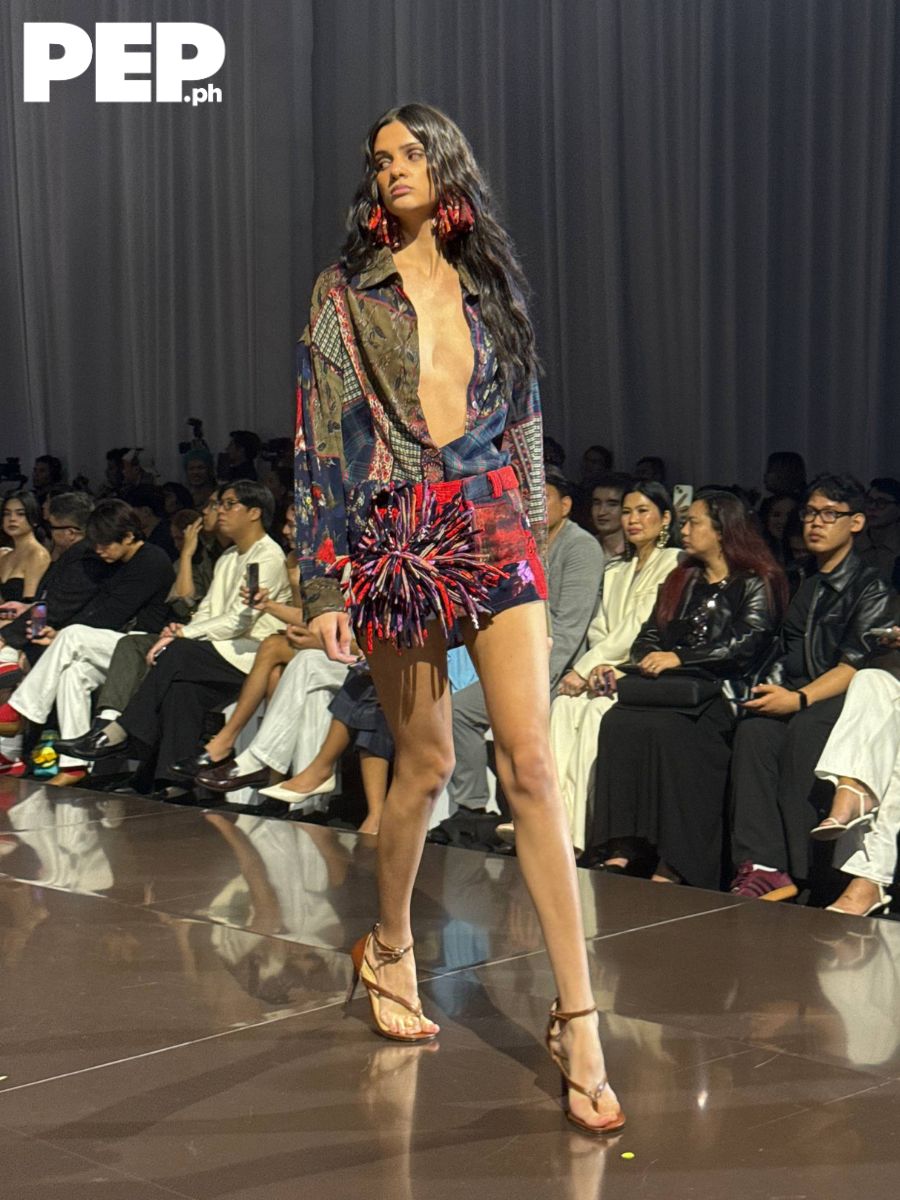
Another standout embraced animal print with a head-to-toe zebra-striped look, the pattern extending across the model’s clothing and styling to create an almost surreal effect.
The collection also leaned into texture and contrast.
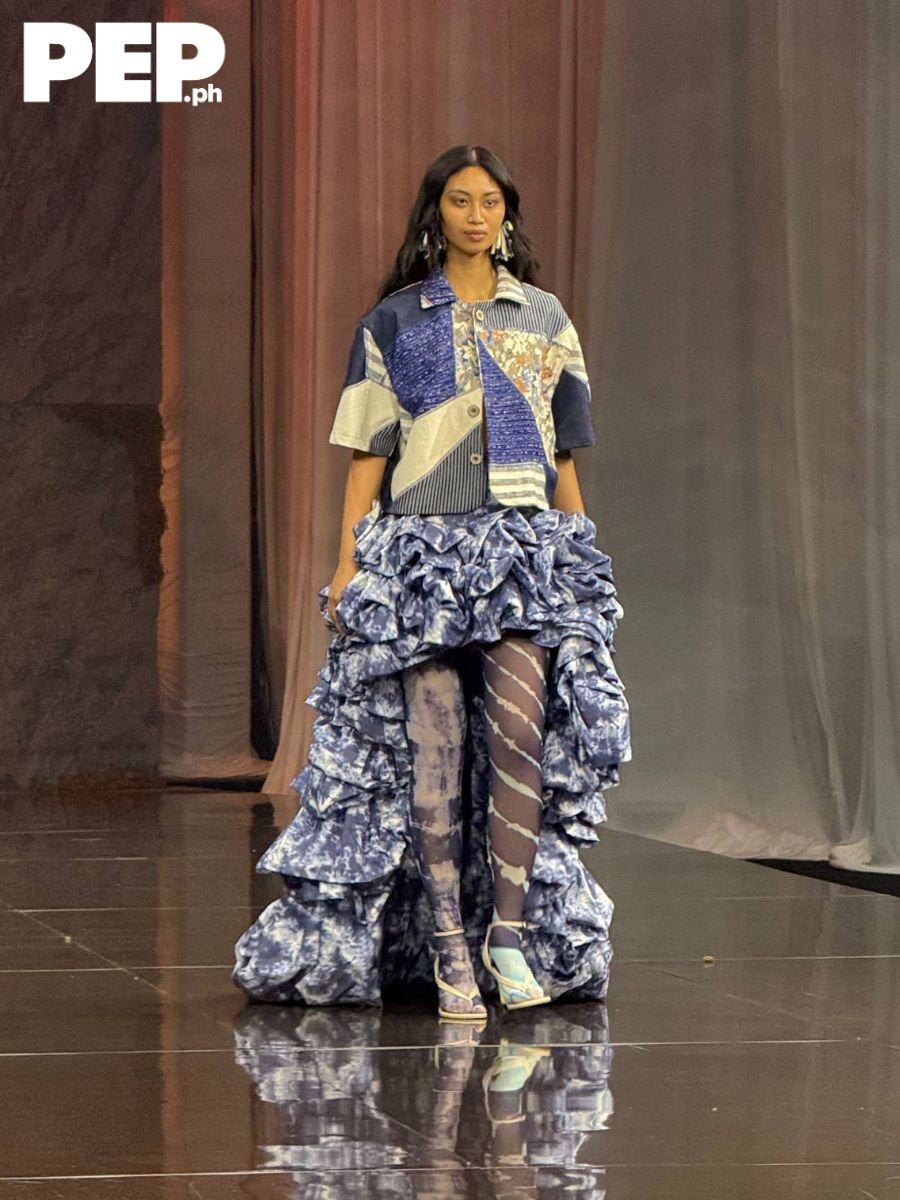
Romantic, body-conscious silhouettes were set against more weathered-looking surfaces, while oversized and structured pieces introduced a tougher counterpoint.
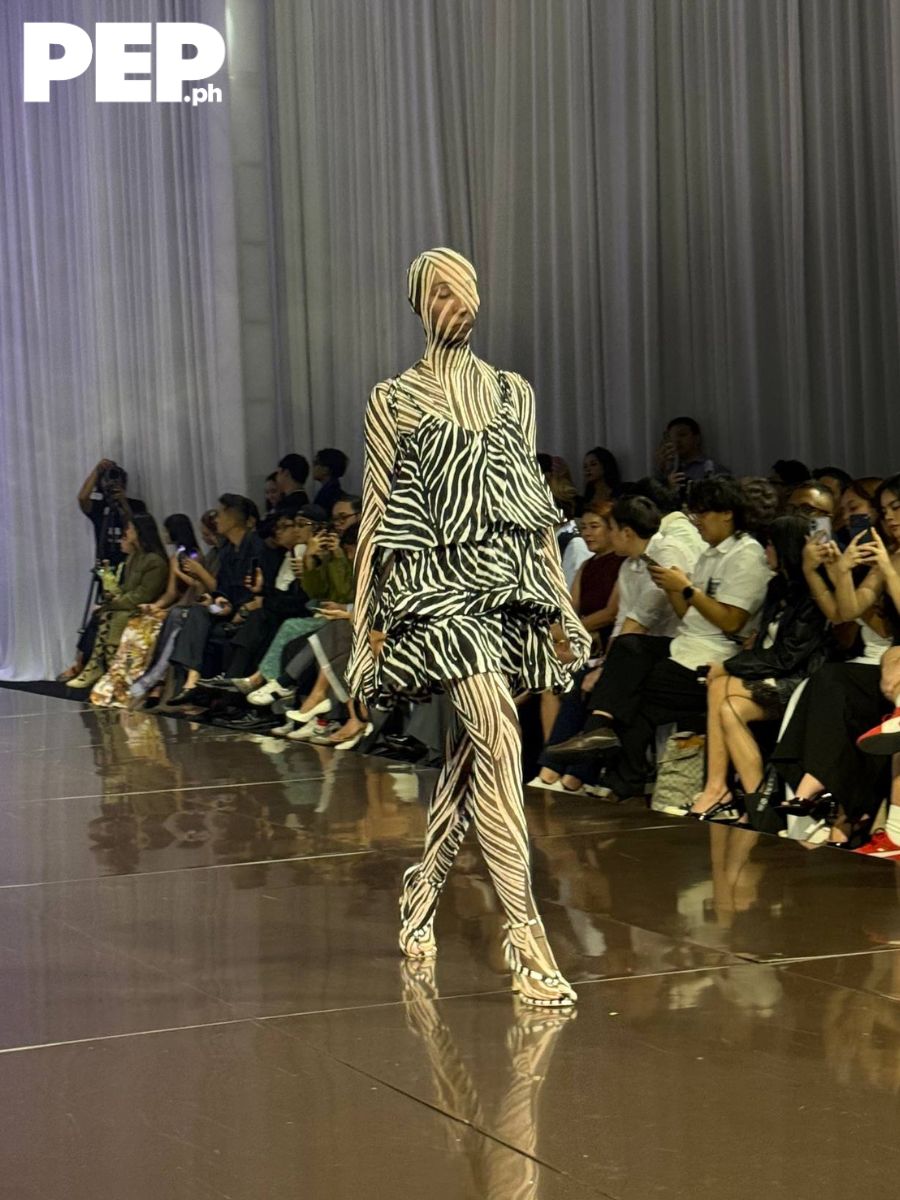
Even its more theatrical pieces retained recognizable wardrobe elements and practical proportions, reflecting the designer’s belief that fashion should not merely be beautiful but also serve the person wearing it.
Rather than ending with another spectacular burst of color, Yong Studio allowed the runway to settle into the dusty shades of a landscape under stress.
Read: Heart Evangelista back in the fashion week scene with mom in tow
JAG at 50: Denim Gets a New Identity
For its golden anniversary, JAG looked beyond the basics that built its legacy.
DENIM GOLD reimagined five of the brand’s signature silhouettes—Skinny, Straight Cut, Barrel, Ultra Flare, and Ultra Wide—with a more fashion-forward approach while retaining denim as its central language.
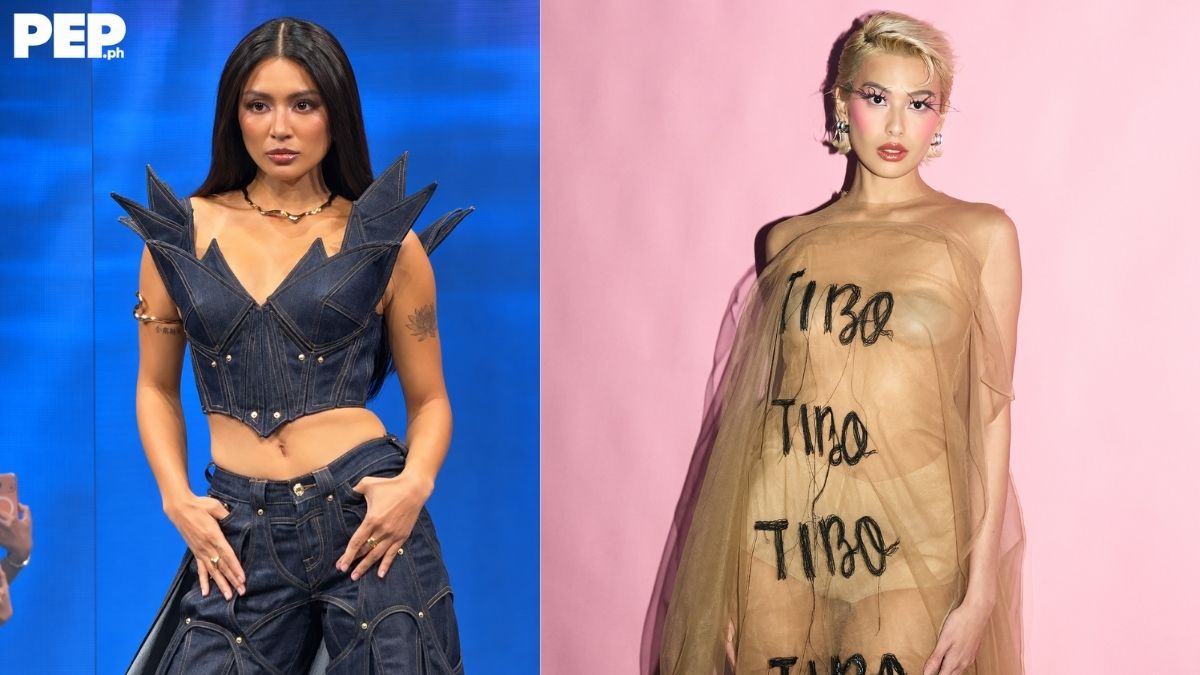
The collection’s most anticipated moment came when Nadine Lustre appeared on the runway as JAG’s newest face.
Introduced through Mermaid—a contemporary reinterpretation of the brand’s iconic ’90s Merman campaign—Nadine brought a distinctly modern attitude to the anniversary presentation.
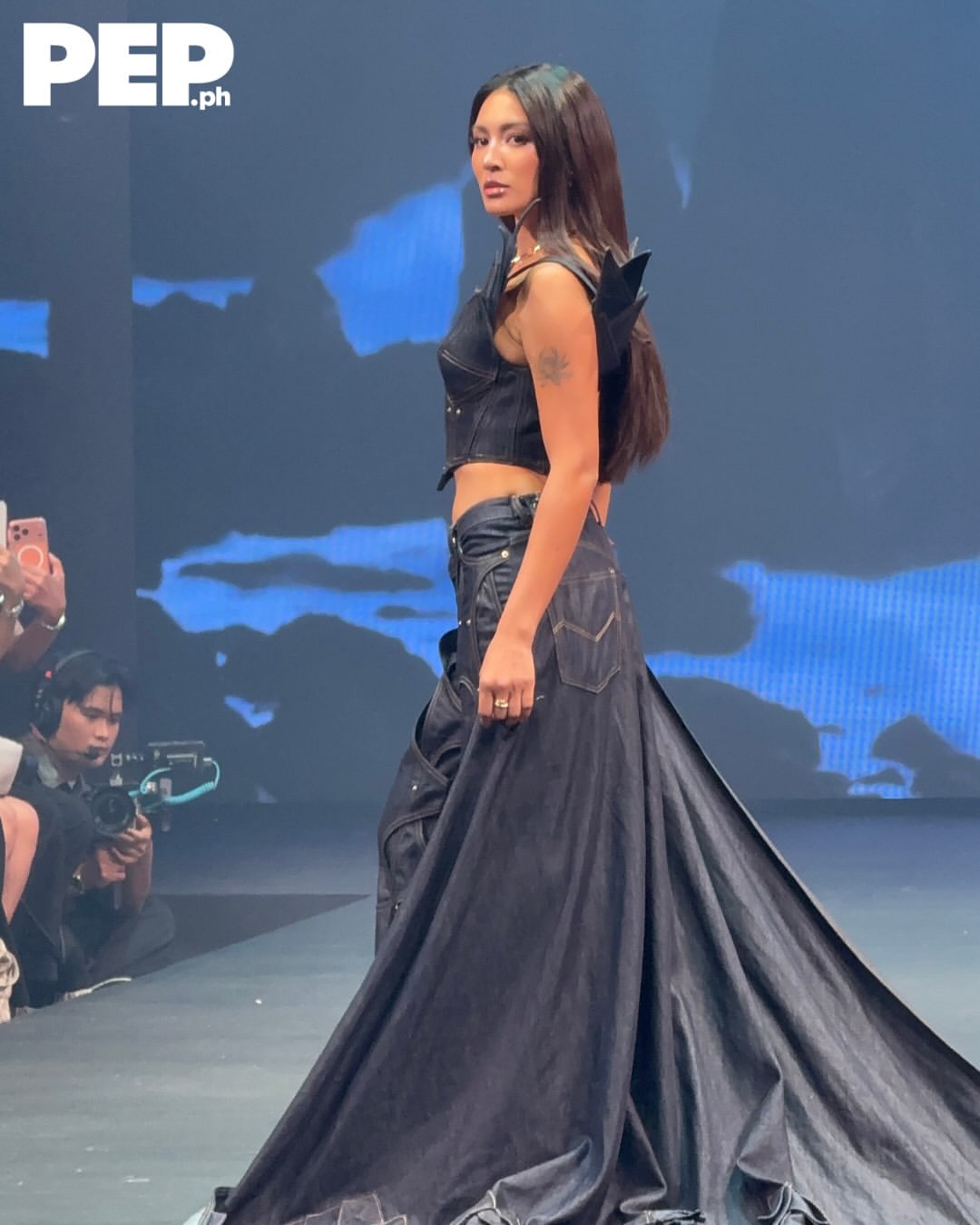
Her look transformed denim into something far more sculptural.
A sharply structured dark-denim corset framed the torso with dramatic, pointed extensions radiating from the neckline and shoulders, while a low-slung, paneled denim skirt flowed into an exaggerated train behind her.
The familiar fabric became something closer to evening wear without losing its unmistakable denim construction.
It was a fitting image for JAG’s 50th year: rooted in its archives, but unwilling to simply remain there.
Read: Anna Wintour lauds Alex Eala's passion for fashion
NEXT-GEN DESIGNERS
KILL JOY STUDIOS: A Manila Mixtape
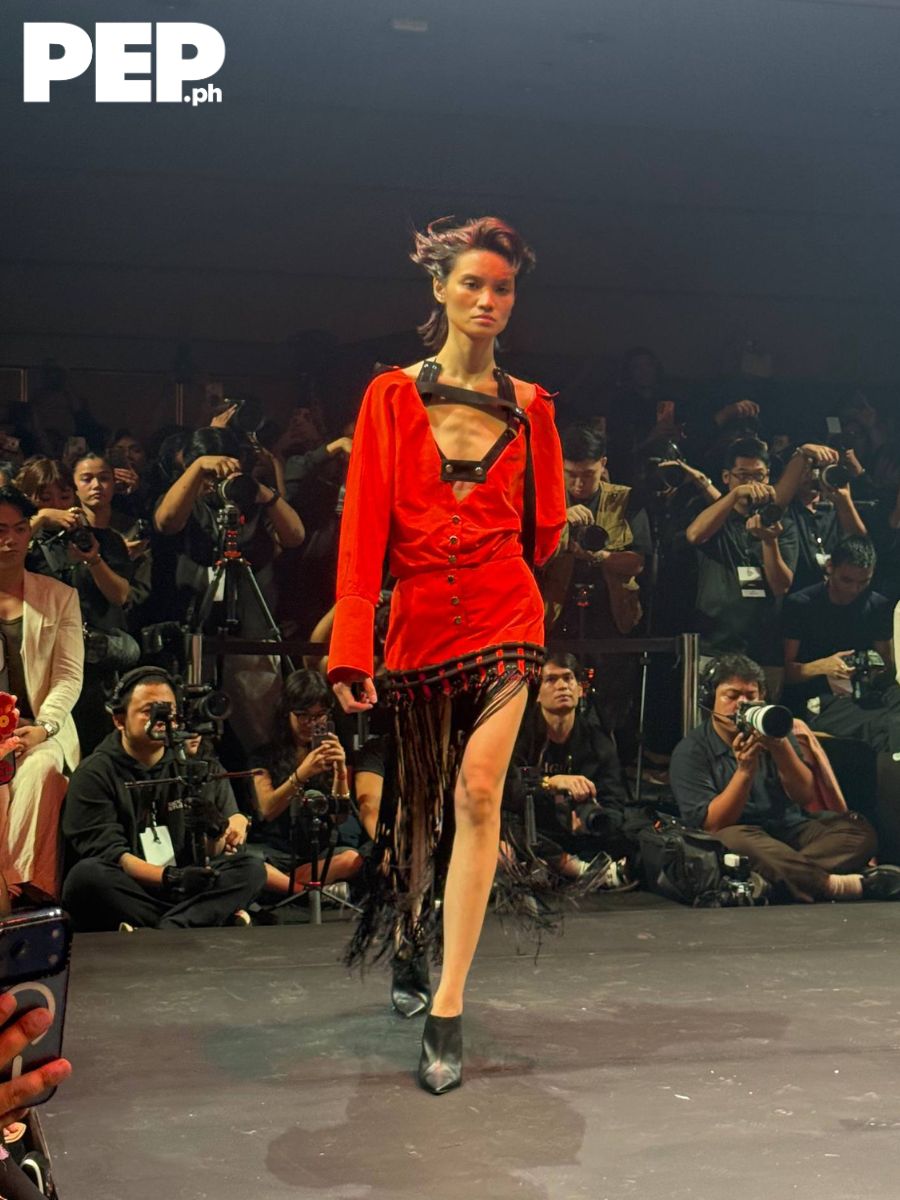
The evening then moved into NextGen, beginning with KILL JOY STUDIOS’ KALYE TREZ MIXTAPE, a collection assembled from fragments of the designer’s own cultural memory.
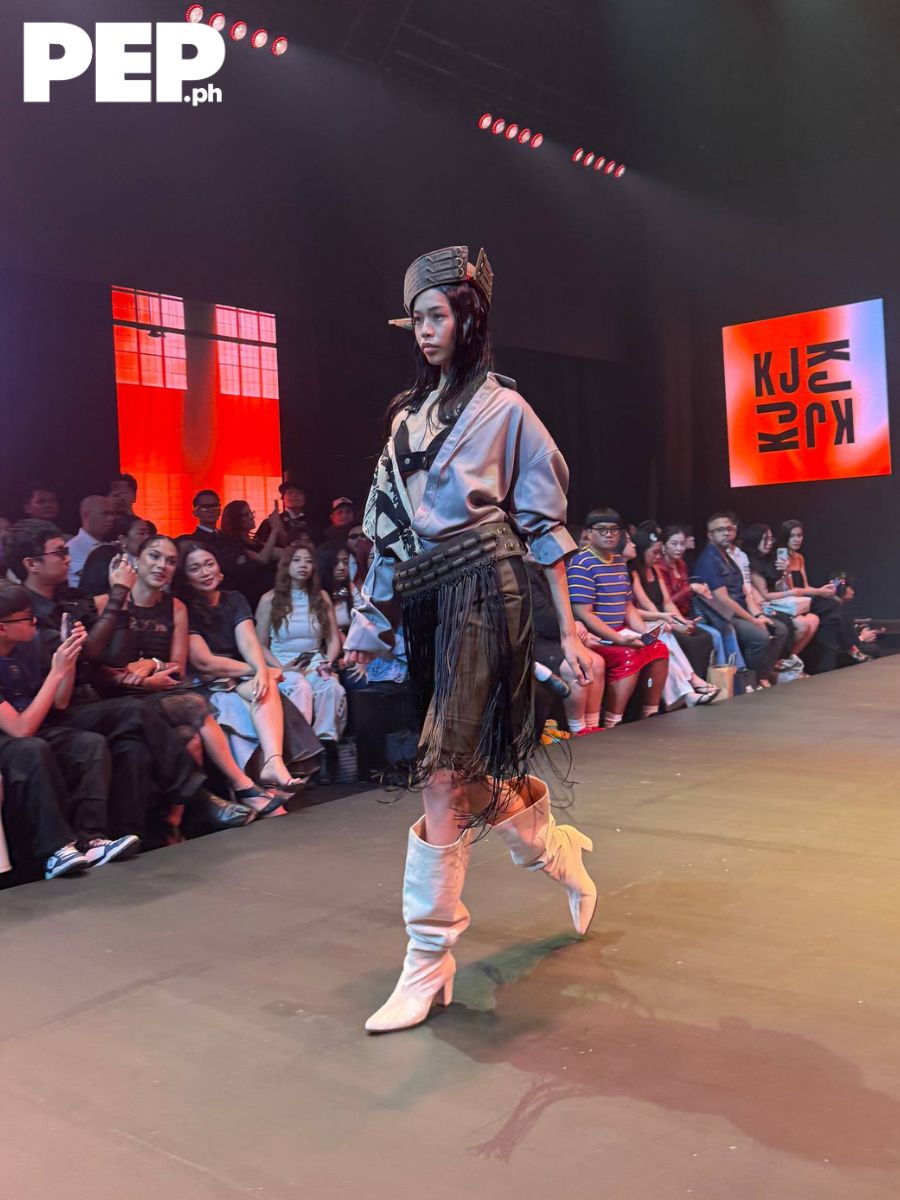
Manila childhood, ’80s and ’90s music, coming-of-age films, the designer’s grandfather’s connection to the Air Force and his experience as a queer Filipino designer all became part of the mix.
Rather than translating those references literally, the collection treated them like tracks on a mixtape, allowing nostalgia, nightlife, and contemporary styling to overlap.
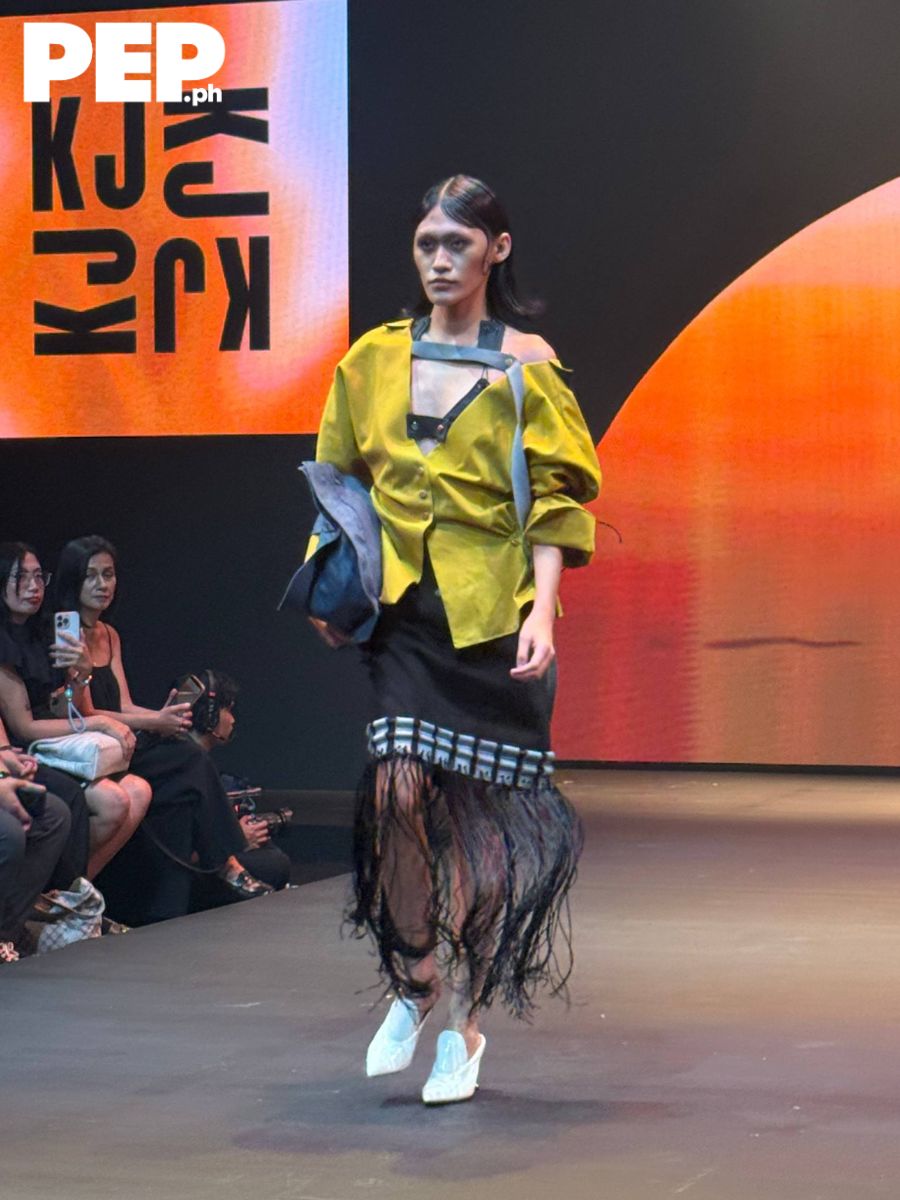
The designer described the runway as energetic, slightly chaotic, and nostalgic, but still firmly contemporary.
That idea extended beyond the clothes.
Models’ movement, styling, color, proportions and production were conceived as part of a larger KILL JOY STUDIOS universe, reflecting the label’s ongoing identity as something closer to a visual journal than a finished statement.
Read: PEP Gift Guide: 10 Holiday-Ready Fashion Picks
LILAH ROCHÉ: The Sampaguita Girl Becomes the Queenpin
If KILL JOY STUDIOS looked to personal memories, LILAH ROCHÉ looked to a very specific piece of Filipino pop culture.
Sampaguita Queenpin draws from the late ’60s to early ’80s Manila noir and Philippine action-film canon, particularly the films associated with Fernando Poe Jr. and Rudy Fernandez.
Its central conceit is striking: what if Asiong Salonga were a woman?
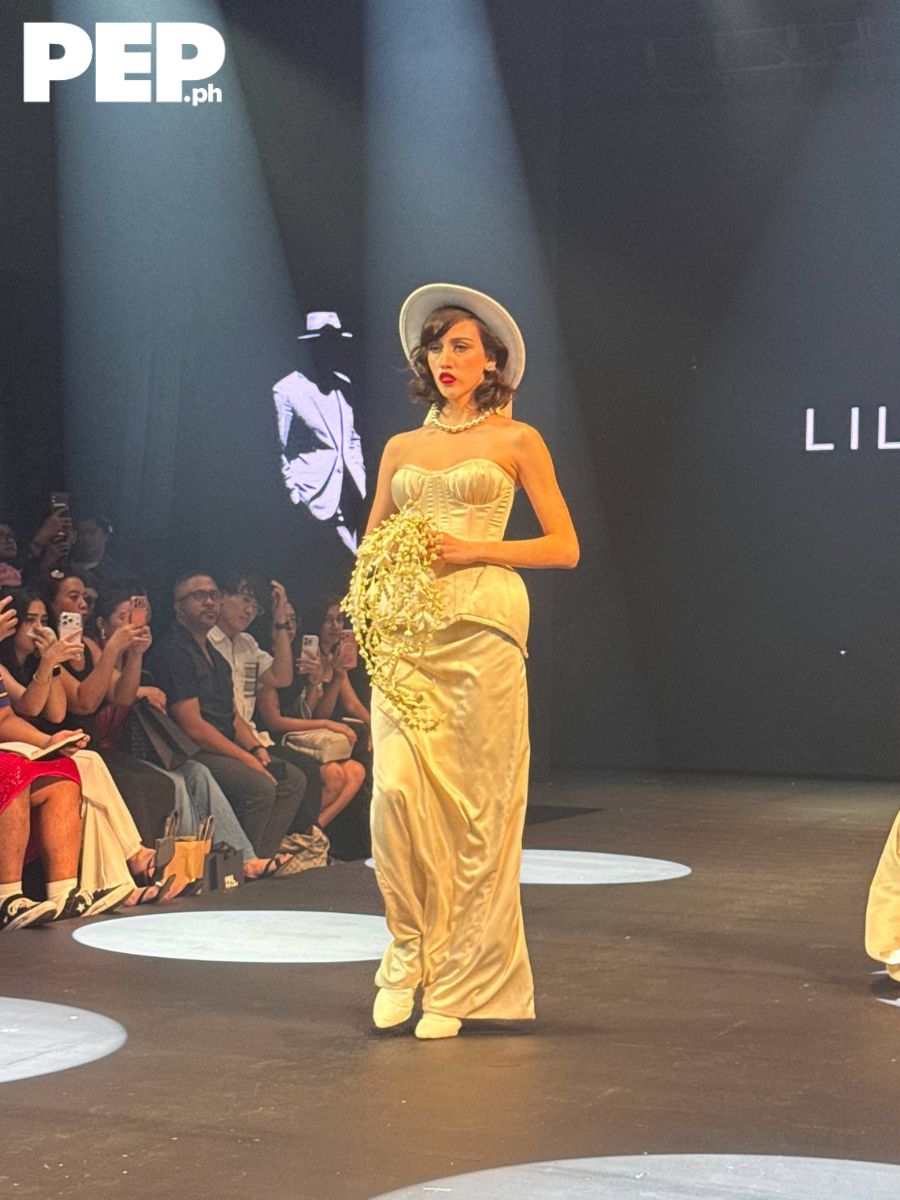
The collection followed that character’s transformation from a sampaguita girl outside the church into a powerful queenpin.
Tailoring and draping gave the story its structure, while controlled silhouettes and restrained embellishment kept the clothes from becoming costume.
The cinematic mood surrounding the collection’s dark tailoring and sculptural proportions matched the designer’s description of its energy as “super dark feminine” and a kind of James Bond fantasy.
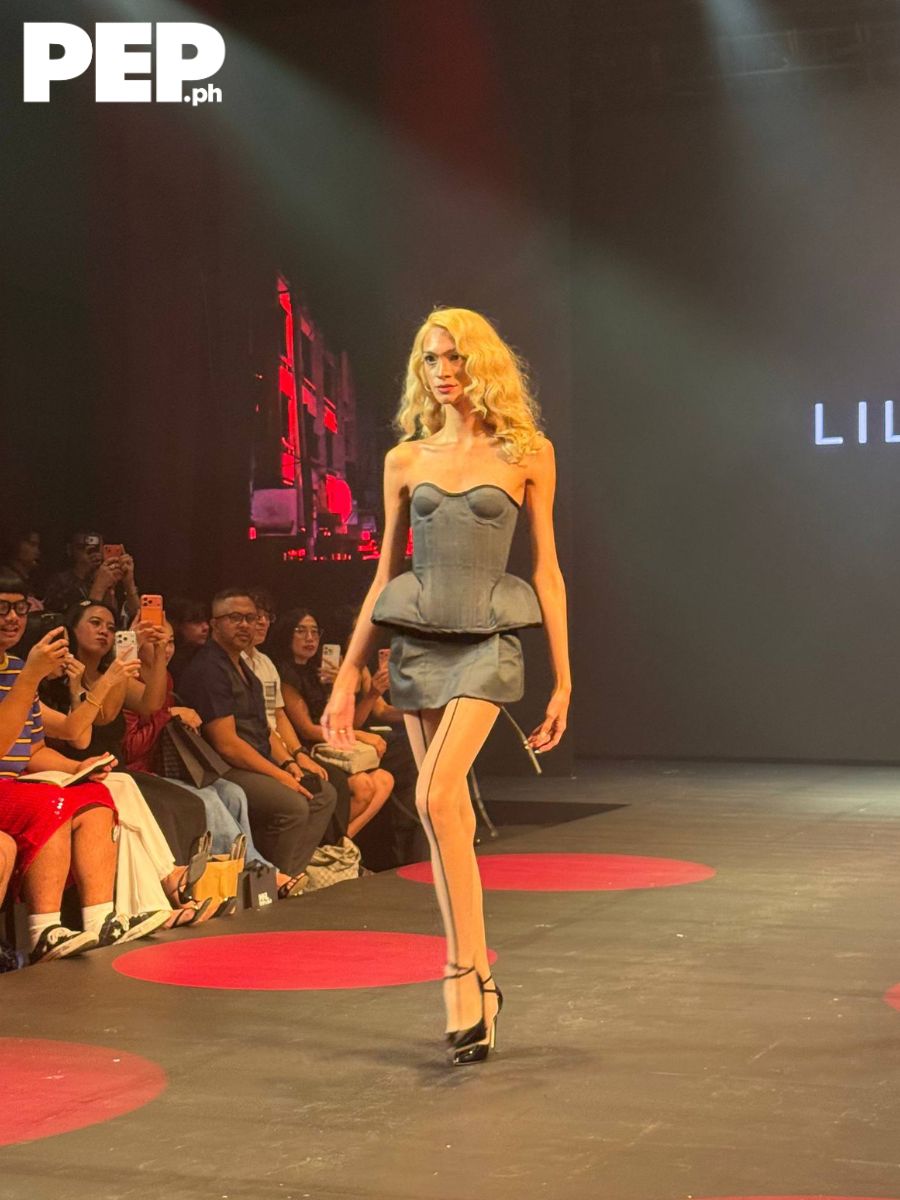
At its core, however, the collection was also an argument for women’s place in tailoring, challenging the assumption that women in fashion should exist primarily as muses rather than as architects of the clothes themselves.
Read: What to expect from Manila Fashion Week 2025, according to founder John Lozano
Yana Kalaw Studios: Femininity Without Permission
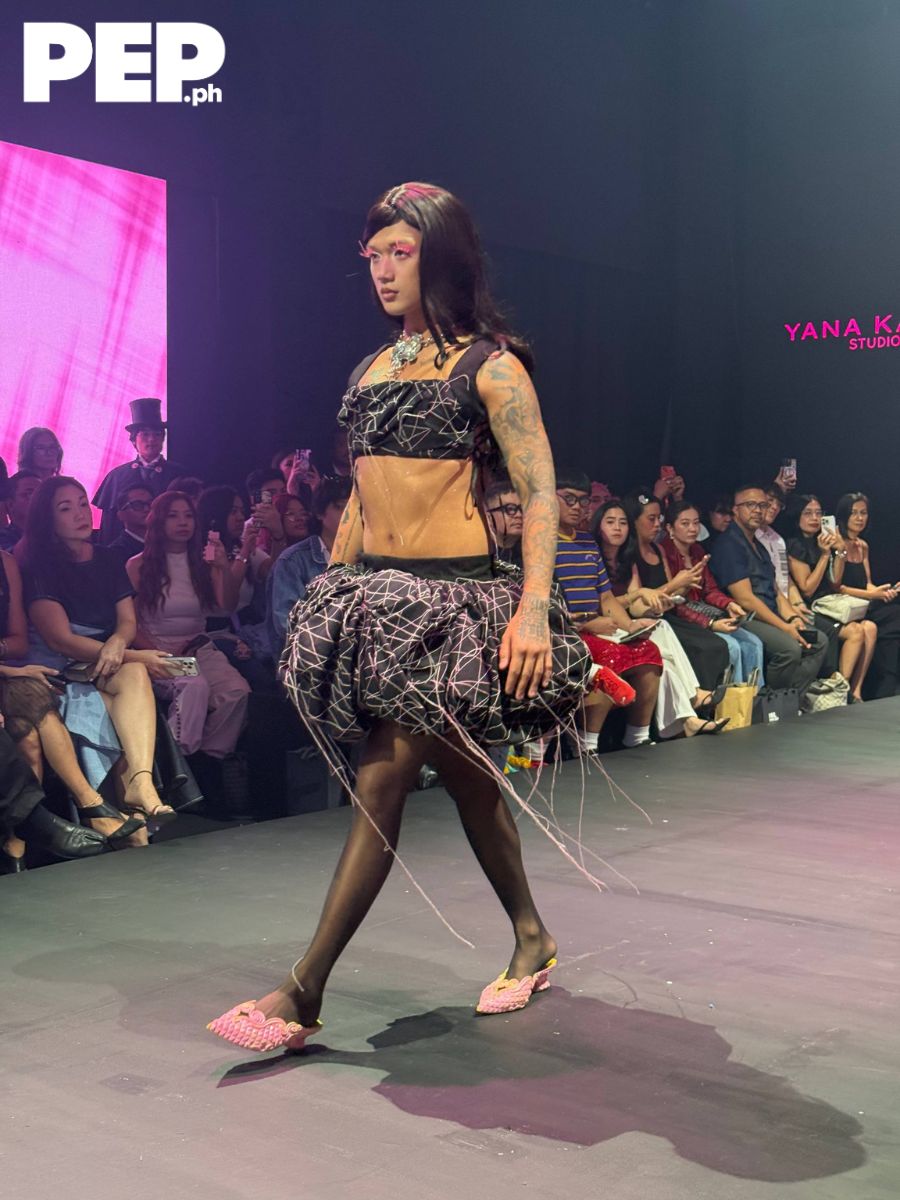
Yana Kalaw Studios closed the NextGen presentation with a prologue to Queer Notes Chapter 1, bringing the designer’s exploration of queer femininity into a more dramatic, emotionally charged space.
Michelle Marquez Dee walked the collection, including a striking sheer peach-toned look that appeared almost translucent under the runway lights.
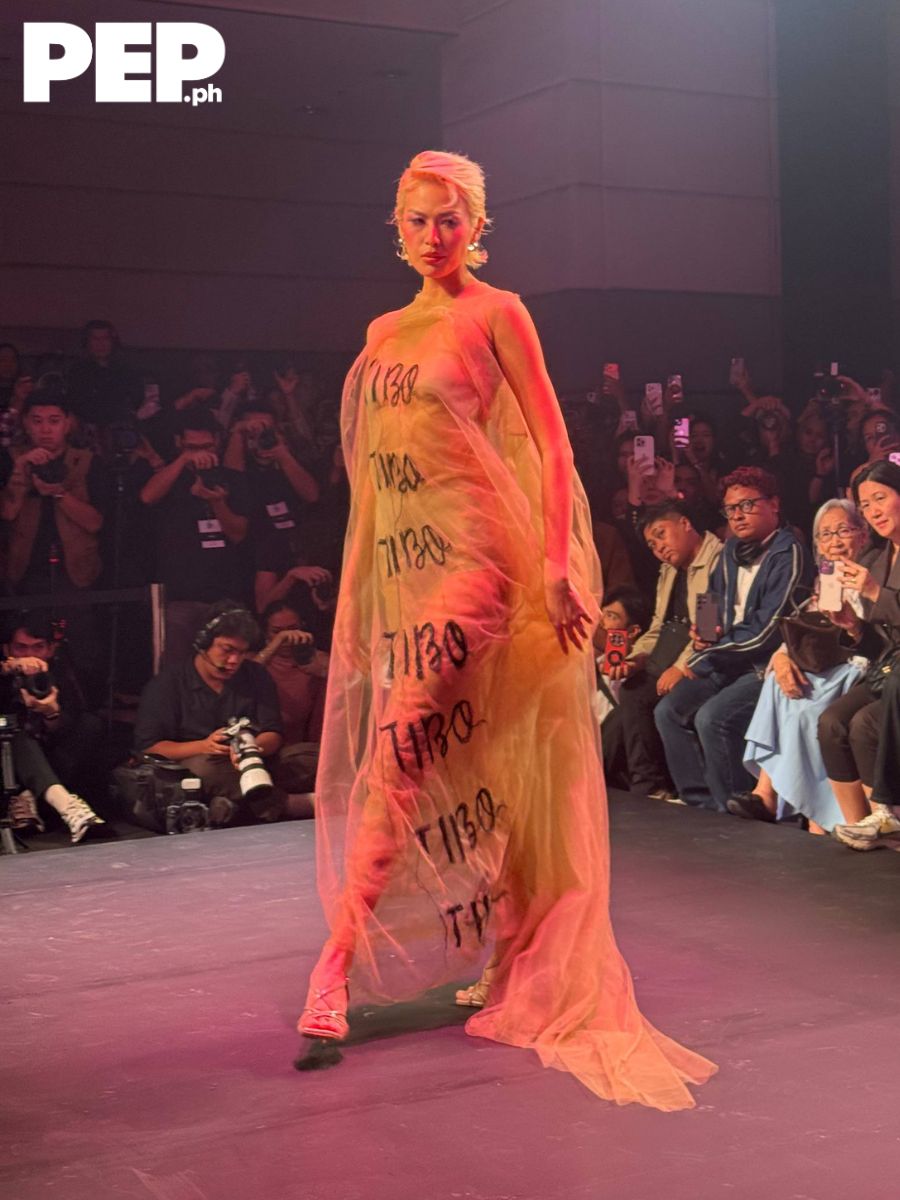
The long, fluid silhouette skimmed the body before extending into a trailing hem, while handwritten black markings ran vertically across the garment, giving the ethereal piece an intimate, almost confessional quality.
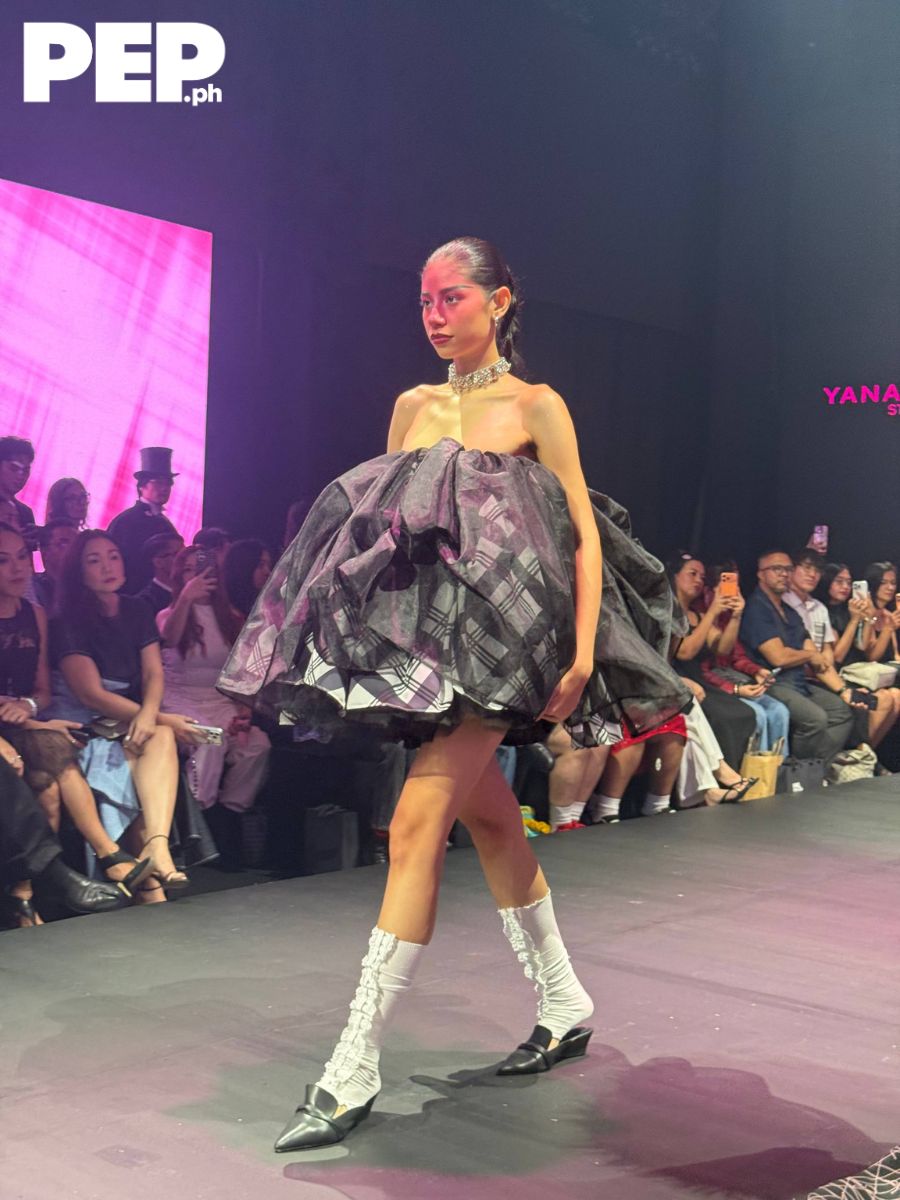
The collection was structured around four emotions: grief, anger, defiance and becoming.
Those ideas emerged through fabric manipulation, enlarged silhouettes, and more bespoke, camp-leaning pieces than the label’s earlier ready-to-wear work.
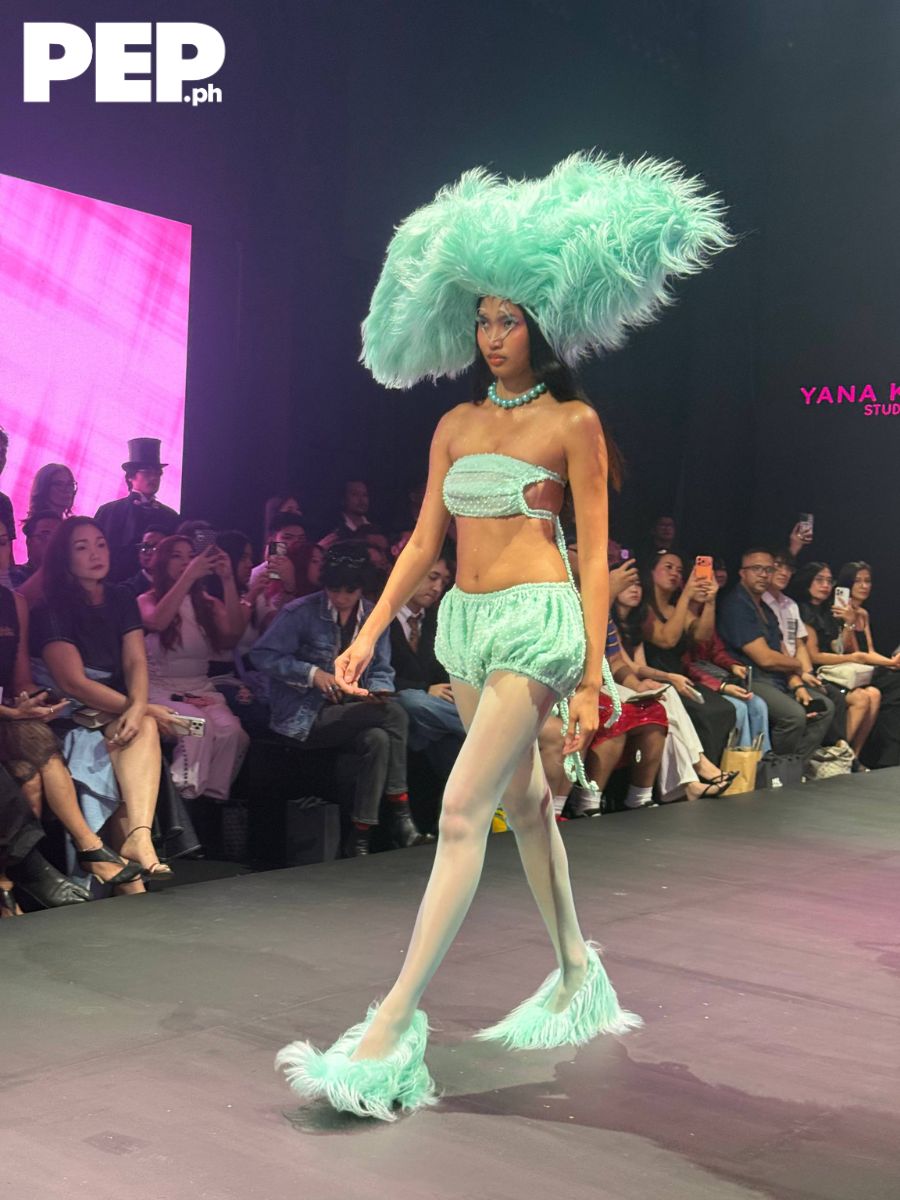
Yana's collection was rooted in growing up queer in a conservative environment and feeling pressured to perform both heterosexuality and masculinity.
The clothes did not simply illustrate the designer’s story; they embodied the process of reclaiming a version of femininity that did not need permission to exist.