

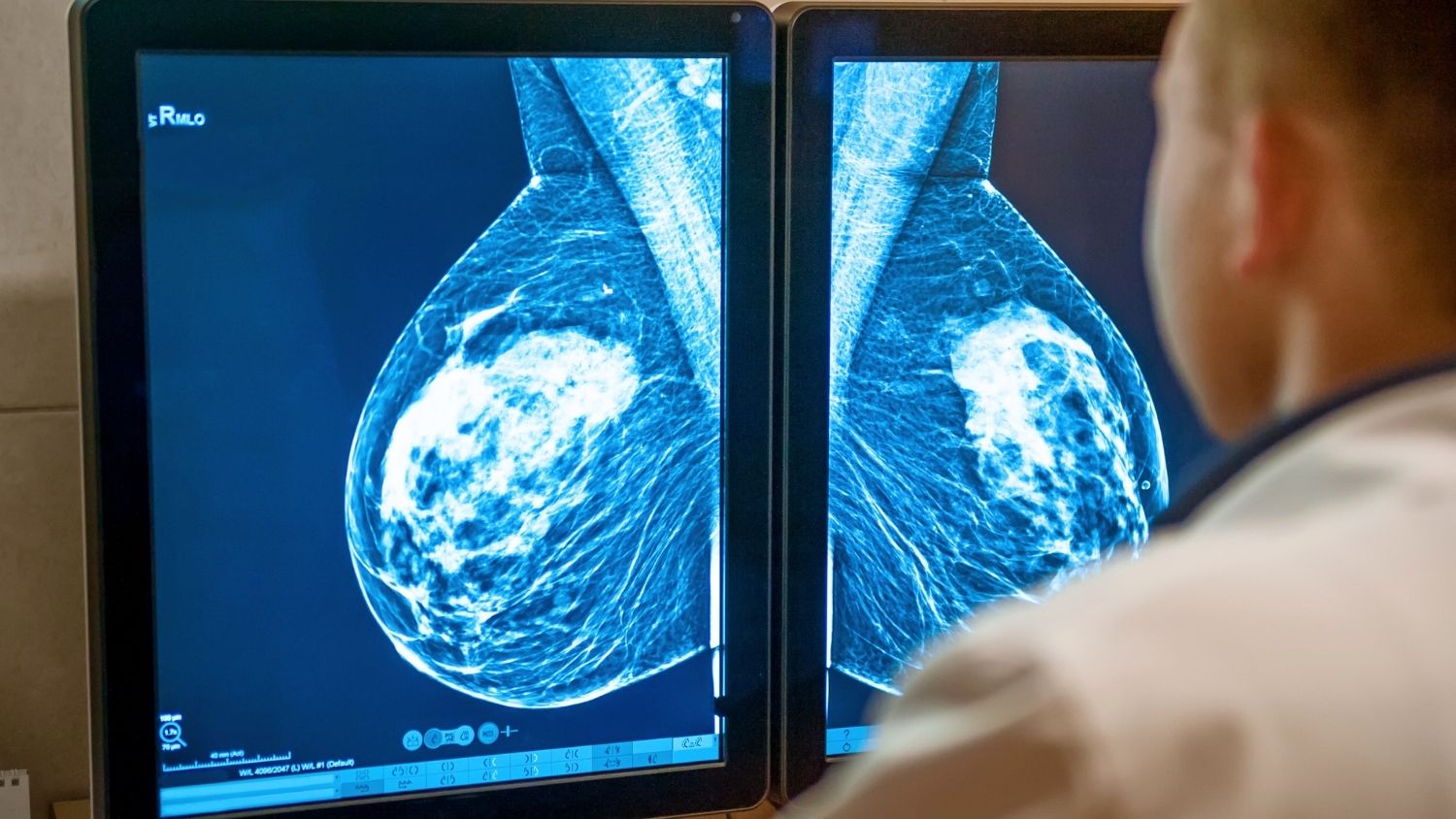

Imagine to be able to detect cancer cells at its earliest stages, even before it develops into a more dangerous condition.
Detecting cancer at stage zero xould spare a patient and his/her loved ones not only the financial burden of treatment, but also the physical, emotional, and psychological challenges that often accompany advanced disease.
Early detection can make a significant difference, potentially allowing for earlier intervention, less intensive treatment, and better outcomes.
In some cases, catching cancer or precancerous changes early can even save lives.
This may be possible through Circulating Tumor DNA (ctDNA) testing, which is now available in the Philippines.
Described as a non-invasive liquid biopsy, the procedure analyzes tiny fragments of tumor DNA that may be present in the bloodstream.
Filipino doctors who offer ctDNA testing describe it as "revolutionary."
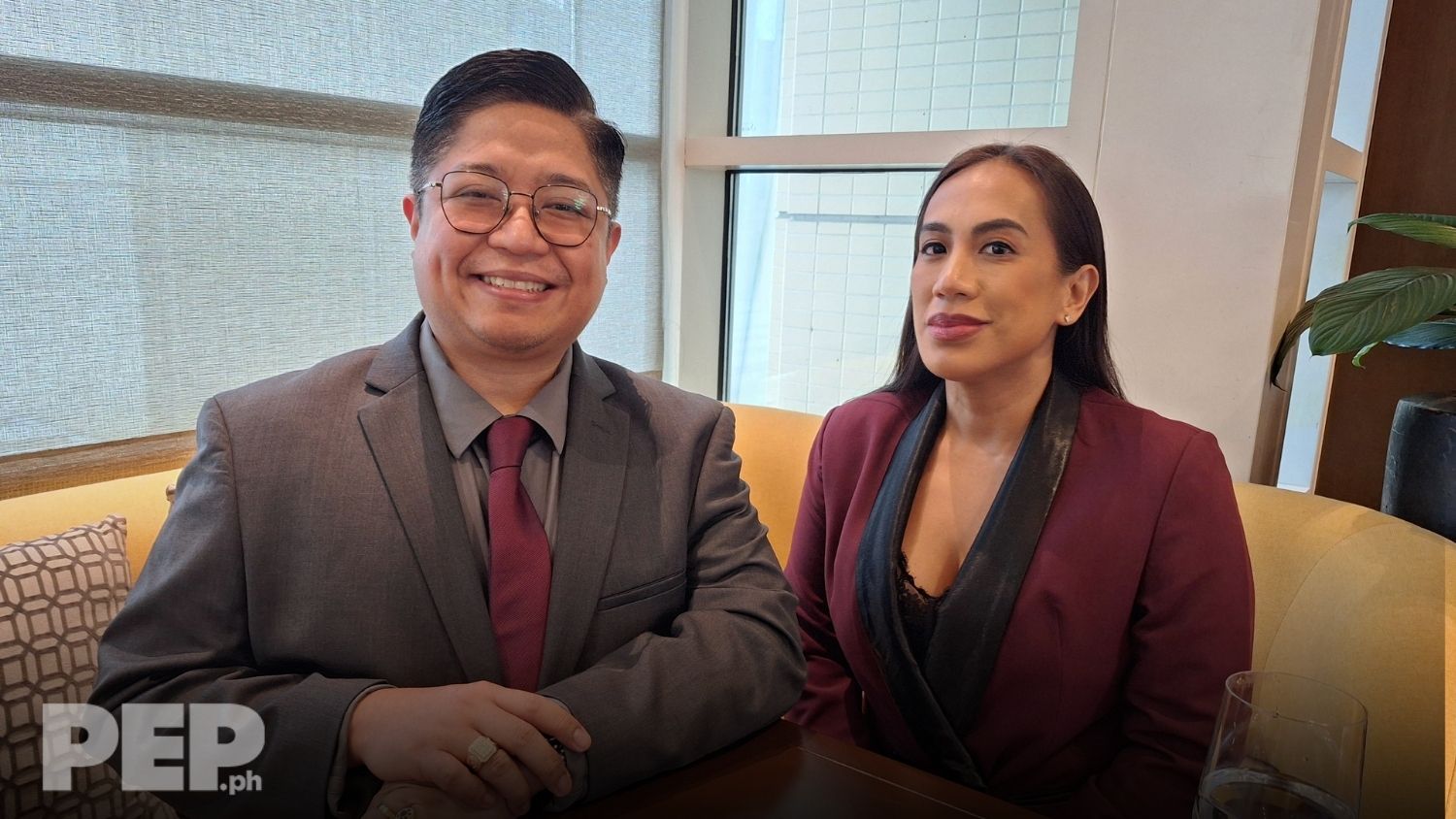
Dr. Quincy Raya, co-founder and president of Philippine Society for Regenerative Medicine (PSRM), tells PEP.ph (Philippine Entertainment Portal), "...you would be able to catch cancer, I always say potentially, at stage zero."
Dr. Raya is also an expert in stem cell, wellness, and preventive and regenerative medicine.
Read: Doctors caution public against unproven stem-cell treatments
HOW IS CTDNA DONE?
Before explaining how ctDNA testing works, Dr. Daryl Dumdum, Dr. Raya’s co-founder at the PSRM and colleague in regenerative medicine, discusses the conventional cancer screening process.
It typically begins with assessing a patient's family history and conducting a physical examination.
“That's the best screening tool: taking the history of the patient, the physical exam, and then we have the screening diagnostic tools that we usually do."
The tools he is referring to include laboratory tests, such as mammogram for the breast, colonoscopy for the colon, to name a few.
And then there is also the tumor-marker procedure that tests bodily fluids in detecting cancer and tumors.
Dr. Dumdum then says about ctDNA: “It is the first time that we can detect circulating tumor cells or circulating tumor DNA from a mutating cancer, gene, or a cancer cell.
“So it's like saying before the cancer develops into a full-sized tumor or before symptoms even begin, we can already detect the circulating tumor cells [in the body].
"And that is where we can leverage," he adds.
“We can do some preventive approaches.”
This approach aims to detect potential signs of cancer before symptoms appear or the disease progresses to a more advanced stage, potentially allowing for earlier medical intervention. Drs. Raya and Dumdum begin offering ctDNA testing in the Philippines in 2019.
CTDNA: CRITERIA and cost
Dr. Raya enumerates the criteria for patients who might want to do ctDNA screening.
“The recommended profile of a patient would be 40 years old and above.
“Secondly, if you have a strong family history of cancer, a first degree relative.
“[Thirdly], if you drink alcohol and you smoke, or you're exposed to toxins because of your work…
“Those would be the three types of characteristics that a patient should highly consider multi-cancer early detection with circulating tumor DNA test,” referring to ctDNA.
Dr. Raya assured that ctDNA procedure is easy.
“We have to do a good medical history. If possible, do an extensive physical examination, and it's really just a 10 cc [cubic centimeter] blood extraction that we send to laboratories abroad…
“Because the machine to test for that is not available in the Philippines. So it can be either 9fly] to Vietnam, Malaysia, Taiwan, or Singapore.”
Dr. Dumdum continues, “And then we wait three to four weeks for the results to come in.”
Asked how much ctDNA test costs, Dr. Raya replies, "I think in peso it is between PHP30,000 – PHP60,000.”
She further adds: “The difference is, although it is not an absolute replacement to the traditional screening, the difference is… from one blood test, you would have better direction as a clinician, and as a patient as to which would be a better follow-up screening to be done.
“So, for example, if you do the blood test and you turn up positive for, say, colon cancer, it doesn't necessarily mean you have colon cancer…
“You may have a beginning polyp that is most likely to become cancer. Then you still have to undergo colonoscopy to be able to remove those polyps; and do a proper biopsy; and really determine what is the pathologic basis of this cancer.
“But then it could also be negative because it was just a genetically mutated polyp.”
She also makes a reasonable point for those who may find this screening costly.
“You know, I always tell patients that screening for cancer might look expensive, but when you do get advanced stages of cancer, it will be 100 times more expensive financially and emotionally.”
She stresses the importance of prevention.
“Early detection is key. And there are really better and more successful treatment outcomes if it's [detected] early."
The good thing about this modern procedure is that “you know if it's benign or malignant.
“So there is no wonder or question, ‘Malignant ba ito or benign?’ You would already know. And then you would already act and remove the tumor, and have it undergo biopsy.”
After elaborating about ctDNA, the two doctors point out the attitude that impedes many Filipinos from availing of this screening.
Dr. Raya begins, “But the downside with Filipinos…”
Dr. Dumdum resumes, “Takot. We do believe in God, but God will require you to do your part.
“Fear is the greatest disabler.”
Dr. Raya further adds, “And then there's always that, ‘Ay, mahal. Ay, mahal.’ Mahal talaga ang cancer po, di ba?”
She presents two possible scenarios: spending thousands of pesos for the ctDNA screening for early dectection or facing medical expenses amounting to hundreds of thousands and even millions of pesos after discovering that one’s cancer is already at an advanced stage.
“So where do you want to choose, right? You would want to have really early detection, better treatment outcomes. It's as simple as that.
“I think, we need to educate Filipinos that it's not just about the cost. Because cost is not just about money. It's time, life, delay.”
How can people get in touch with them?
Dr. Raya replies: “I would encourage patients to check the website of the Philippine Society for Regenerative Medicine, philsocietyregenmed.org.
“We have a Facebook and Instagram account, and you will see how you can communicate with Dr. Dumdum and myself, and the clinicians that are affiliated with the society.”
Read: Heat cramps, heat exhaustion, heat stroke: What you need to know