
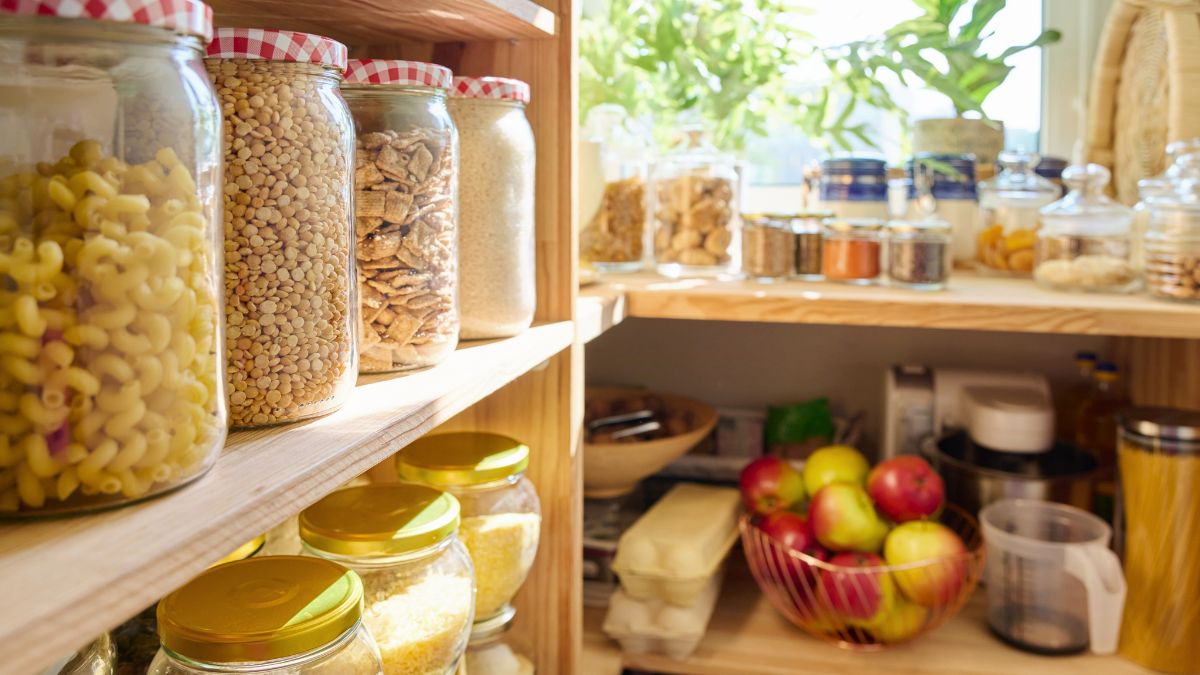

Meal preparations can save both time and money while making sure you eat healthier choices throughout the week.
However, the key to efficient meal planning starts with a well-organized pantry.
Here’s the proper way to do it, according to Kristine Rosenblatt, food blogger and admin of Kristine’s Kitchen.
START WITH A CLEAN SLATE
Before diving into organizing, take everything out of your pantry.
Wipe down shelves and check the expiration dates on all your items.
Discard expired or unused products.
This is also a great opportunity to sort out the iteam according to use: from most frequently used to seasonal to rarely touched.
Read: How often should you clean your water bottle?
GROUP SIMILAR ITEMS TOGETHER
The first step in creating a functional pantry is grouping like with like.
For example, keep all canned goods together, separate grains (rice, quinoa, pasta), and store baking ingredients (flour, sugar, spices) in their own area.
This will make it easy to grab what you need while cooking and help prevent you from accidentally buying duplicates.
Dry goods: pasta, rice, flour, grains
Canned goods: vegetables, beans, soups, tomato products
Spices and seasonings: herbs, salt, pepper, spices
Snacks and ready-to-eat foods: nuts, granola, chips, crackers
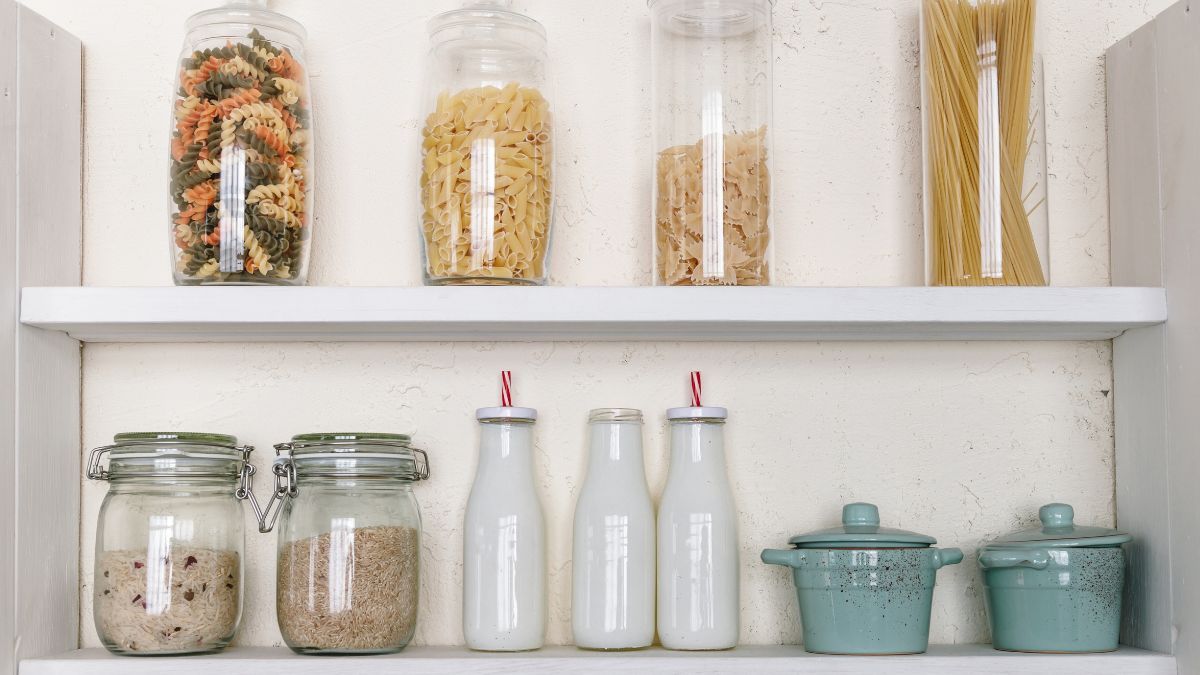
USE CLEAR CONTAINERS FOR DRY GOODS
So it's easy to spot dry goods like flour, sugar, and grains in clear, use clear and airtight containers.
This also saves you from opening it just to check what it contains, but also prevents pests from getting into your food.
Label each container with its contents and date of purchase to keep track of freshness.
INVEST IN SHELF ORGANIZERS
Utilize shelves, bins, and baskets to keep smaller items from getting lost.
Adjustable shelf dividers can help keep bags and boxes from toppling over, while pull-out bins make it easier to access items at the back of the pantry.
Lazy Susans or tiered racks can help you organize spices or condiments for better accessibility.
Read: CHECK THIS OUT: PVC, good wood alternative resistant to anay, water, heat
PRIORITIZE ACCESSIBILITY
When preparing meals, convenience is key.
Store your most-used ingredients at the front of the pantry, so you don’t have to rummage through stacks of items.
Group ingredients that are frequently used together, such as rice, beans, and spices, in one area, preferrable, the front and center for easy access.
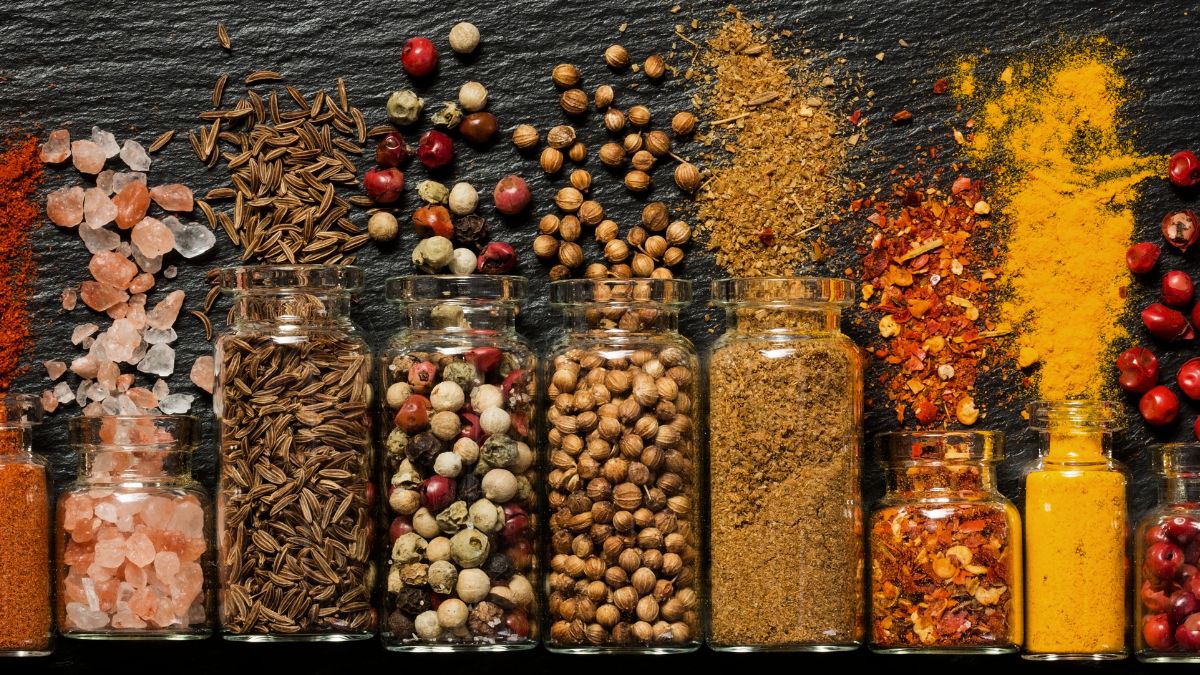
LABEL EVERYTHING
Labeling is crucial.
While containers for dry goods may already come with labels, it's a good idea to use additional ones for jars, cans, and bins.
This is especially helpful when you buy bulk or transfer ingredients into new containers.
Be sure to include expiration dates, as well, so you can keep track of what needs to be used up.
UTILIZE THE DOOR SPACE
Don’t overlook the back of your pantry door! Installing small hooks or a pocket organizer can provide extra space for items like aluminum foil, wraps, or small packets of seasoning mixes.
It’s a clever way to maximize your pantry’s potential without cluttering the shelves.
KEEP MEAL-PREParation STAPLES STOCKED
Make sure your pantry is stocked with meal preparation-friendly staples.
Theseingredients are used throughout the week.
CREATE A PANTRY INVENTORY
Maintaining a pantry inventory will save you time when planning meals.
Keep track of what you already have and update the list as you go.
You can either use a paper checklist or an app to monitor your stock.
This will help you avoid buying duplicates and will ensure you’re making use all your ingredients before they expire.
MAKE IT A HABIT TO REORGANIZE REGULARLY
Maintaining an organized pantry requires regular upkeep.
After every grocery run, take a few moments to put items in their correct spots.
Reassess your pantry organization every few months.
This habit will keep things running smoothly.
With it, you'll be able to plan and prepare meals faster and with less hassle.
A little upfront organization can go a long way in saving time and energy throughout the week, making your meal-prepping journey that much more rewarding.