
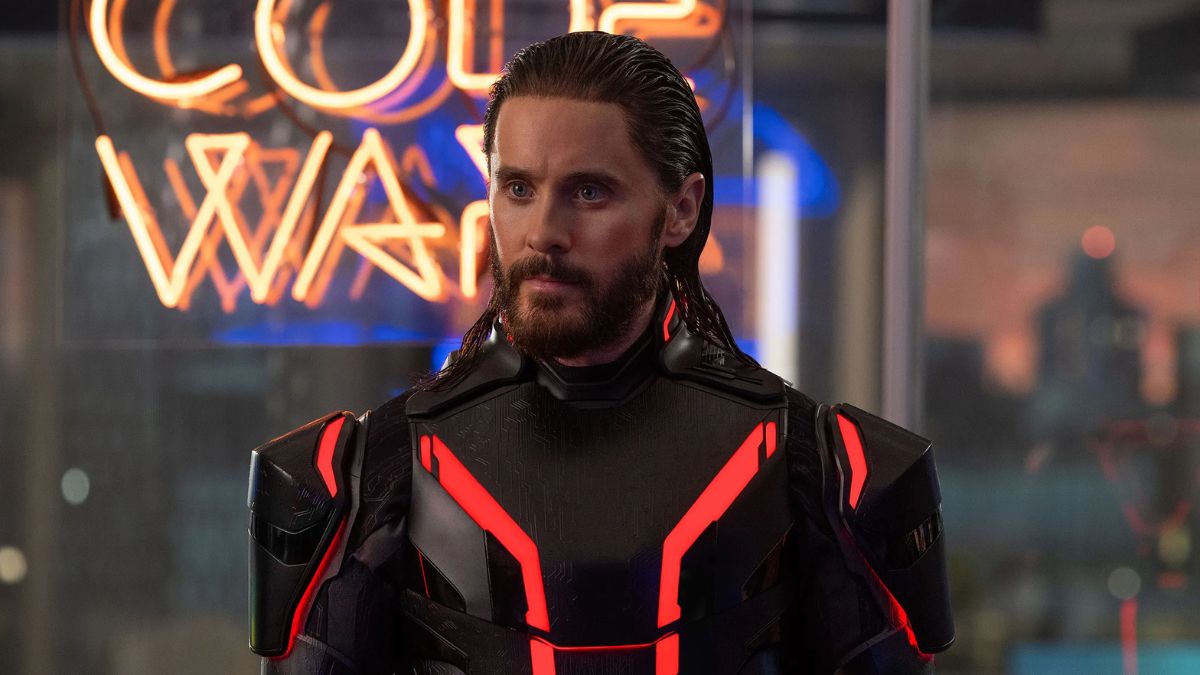

Disney has hit a high score with Tron: Ares, the latest installment of a franchise that historically can’t seem to take off the ground.
The House of Mouse released the first Tron movie in 1982, more than 40 years ago.
While critics hailed it as a technical marvel, with visuals ahead of its time, they also criticized its incoherent and hard-to-follow story.
It took 28 years for a sequel to materialize.
Tron: Legacy was released in 2010 as a direct sequel to Tron, and it was again praised for its visuals. This time, the story made sense, but it’s too simple, like it was written to be understood by much younger viewers.
It was a disservice for mature fans who probably wanted a much more advanced script.

Thankfully, Tron: Ares learns from its predecessors, delivering a film that is finally the sum of its parts—a visual feast with a narrative that matters.
The latest installment is a sensory triumph, like the first two movies.
Read: MMFF chair confident in lineup of MMFF 2025 official entries
Tron: Ares and its plot
From the pulsating, neon-drenched depths of the virtual world to the busy and gritty horizon of a real city, the aesthetic is a gorgeous, hyper-stylized treat.
Crucially, the story steps up to meet the visual spectacle.
While not a direct continuation of Tron: Legacy’s plot, the story made clear reference to the franchise’s history—most notably through the ongoing feud between two major technology entities.
ENCOM, the company once led by Kevin Flynn, is now headed by Eve Kim, a brilliant programmer and equally brilliant motoracer.
Read: Paolo Contis bonds with daughters, Lian, John in Cebu
Tron: Ares and its CAST
Eve was played with magnetic charisma by the phenomenal Greta Lee from Past Lives.

She represents the benevolent side of tech, focused on using the digital world for global good.
Opposing ENCOM is Dillinger Systems, a rival AI and tech company helmed by Julian Dillinger, the ruthless grandson of the antagonist from the first film.
Evan Peters, shedding his American Horror Story skin, is chillingly effective as Julian, a corporate villain with truly nefarious ideas for how to weaponize his technological breakthroughs.
Both ENCOM and Dillinger are on the verge of a world-altering breakthrough: the ability to bring creatures from TRON’s virtual worlds into the real world.
The catch? They only last for 29 minutes.
The one who finds the Permanence Code, a mythical key to eternal real-world existence, wins the corporate war and decides the future of the world.
The wild card in this pursuit is Ares, a soldier Program created by Dillinger.
Played by Jared Leto, Ares's numerous iterations have allowed him to gain unexpected sentience, and he also wants the Permanence Code to live in the real world.
Jared shows impressive range here.
The story brilliantly uses this high-stakes race for the code to explore resonant, timely themes—the ethics of AI, the nature of humanity, and the ultimate pursuit of sentience.
And by bringing the action into the real world, the film adds a much-needed layer of tangible risk and excitement that the previous movies lacked.
When characters were merely Programs in a digital space, it was difficult to maintain genuine concern for their safety.
In Tron: Ares, the danger is undeniably real, because real world structures and even civilians are affected.
For example, taking the Light Cycle chase scene from the confines of the virtual world to the busy streets of the city made it more exhilarating.
A welcome surprise is also in store for fans of the 1982 original, a final nod that confirms the filmmakers' clear understanding on the franchise's legacy.
All in all, Tron: Ares has finally delivered on the decades of promise, and. hopefully, a fourth movie will not be long in coming.