


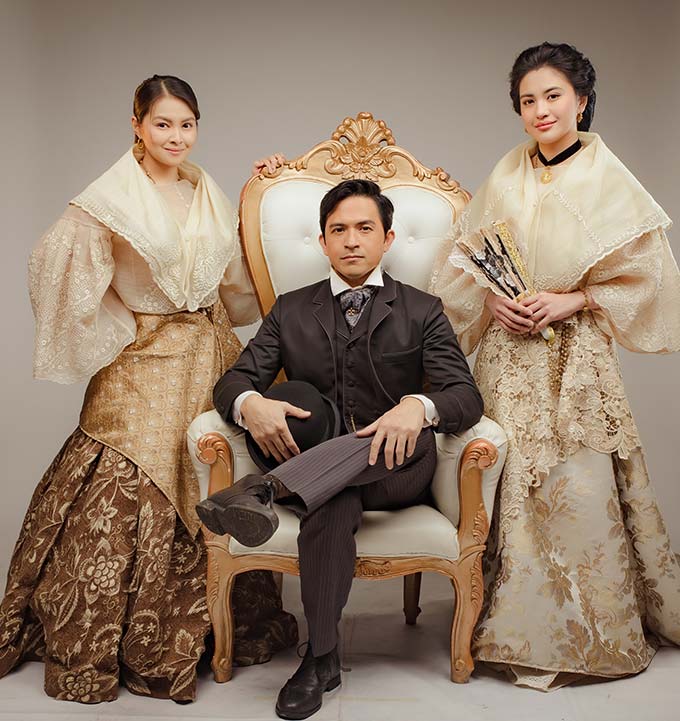
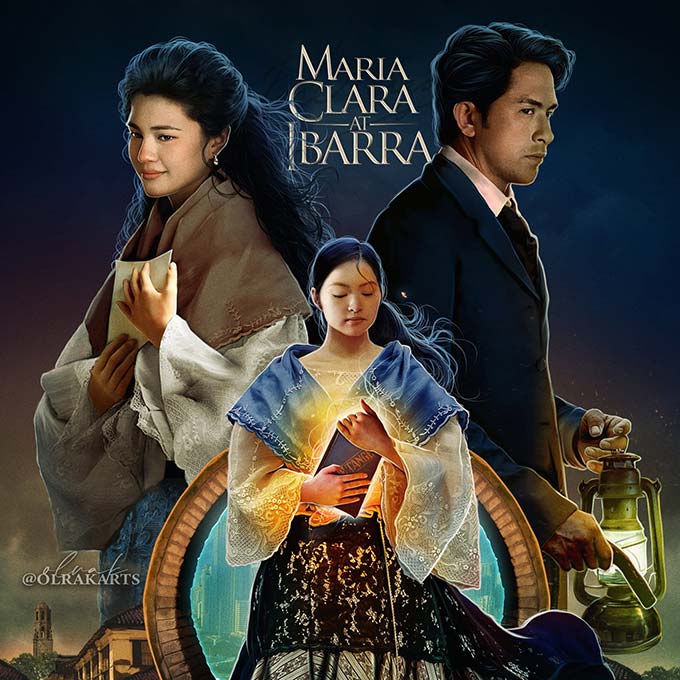
Maria Clara at Ibarra headlined by Kapuso stars Julie Anne San Jose, Dennis Trillo, and Barbie Forteza has captured the imagination of TV viewers, young and old alike.
Since its prime-time debut on October 3, 2022, the drama-fantasy series, has been consistently raking in impressive viewership numbers on TV and multiple online platforms.
But more than its strong ratings, Maria Clara at Ibarra has transcended the hype, having enticed non-readers as well to revisit Noli Me Tangere and its sequel El Filibusterismo— two literary works penned in the late 1800s by revered Filipino hero, Jose Rizal.
The series has also revived interest in the country’s rich cultural traditions, which most people have somehow forgotten with the passage of time.
Maria Clara at Ibarra is a novel concept even for a network known for exploring subject matters considered too unconventional — even controversial — for traditional television.
So what led GMA-7 to reenvision Rizal’s provocative masterpieces and give them a contemporary twist in the guise of a Gen Z student from the present time?
And why, despite messing with the original plot, the Kapuso network is also getting kudos from history buffs?
PEP.ph (Philippine Entertainment Portal) chatted with the producers and creators of Maria Clara at Ibarra about the making of the much-talked-about prime-time series.
Generously sharing their time for this interview were GMA-7's VP for Drama Cheryl Ching-Sy, director Zig Dulay, creative consultant and head writer Suzette Doctolero, head writer J-mee Katanyag, program manager Edlyn Tallada Abuel, and supervising producer Helen Sese.
NOLI AND FILI AS SOAP MATERIALS
The idea for Maria Clara at Ibarra came from Annette Gozon-Valdes, the network’s senior vice president, way back in 2019.
Intrigued by the idea of adapting Noli Me Tangere and El Filibusterismo into a teleserye, Annette made a pitch for it during a drama subcom — the weekly session of GMA-7's show creators in charge of brainstorming, conceptualizing, and pitching for the network's new shows.
Recalled Cheryl about that meeting, “Sabi niya [Annette], ‘Bakit hindi natin gawin yung Noli Me Tangere at El Fili?’ tapos saka na nagdagdag.
“Kasi normally, nabubuo ang isang concept during a drama subcom. Nagbabatuhan diyan.
"Tapos, pag may nabato si Ms. Annette, itong creative people natin na kasama sa meeting, nagdadagdagan na.”
In her pitch, Annette detailed the ingredients that would make the two Rizal novels a gripping soap opera.
Those were the elements familiar to avid Pinoy televiewers: the you-and-me-against-the-world romance between two ill-fated protagonists; despicable villains; supporting characters with interesting backstories; a shocking plot twist; revenge, and redemption despite its sad conclusion.
Helen observed, “I think yung Noli kasi puno ang kuwento, e. May filial, may family, si Sisa may anak. It's gonna be relatable sa mga viewers na nanay.
“Tapos, may Crisostomo Ibarra na Jose Rizal, we can capture the male audience… May love story si Maria Clara and Ibarra...”
After establishing these key points, the creative team then wondered: How do you inject fresh elements without sacrificing the story’s integrity as Rizal originally intended when he wrote these novels?
CULTURAL SIGNIFICANCE
Published in 1887 and 1891, Noli Me Tangere and El Filibusterismo are clever yet powerful literary works, fueling nationalistic sentiments and inciting a call to action — to break free from colonial rule whether through peaceful means or violent uprisings.
They were written to expose the oppressive reign of the Spanish authorities and clergy over the Filipino people as personified by the characters and their surrounding circumstances in the novels — particularly their main players, namely, Crisostomo Ibarra, Maria Clara, and the cunning Padre Damaso.
Both novels, unfortunately, sealed Rizal’s fate in the eyes of the government, which viewed these books as subversive.
It was not a far-off assumption as Rizal and his books inspired the founding of the revolutionary movement, the Katipunan, or the Kataastaasan, Kagalanggalangang Katipunan ng mga Anak ng Bayan (KKK).
On the cold morning of December 30, 1896, Jose Rizal, at age 35, was executed in Bagumbayan—later renamed Rizal Park or Luneta—by a firing squad composed of Filipino soldiers working for the Spanish army.
Noli Me Tangere and El Filibusterismo eventually earned their place among the country’s best literary epics.
In 1956, Republic Act No. 1425, simply called The Rizal Law, was signed by President Ramon Magsaysay, making Noli Me Tangere and El Filibusterismo mandatory high school reading in all educational institutions in the Philippines.
A MODERN TOUCH
The first known adaptation of Noli Me Tangere was a silent film directed by the American filmmaker, Edward Gross, in 1915.
In total, Noli Me Tangere and El Filibusterismo — whether in full or snippets — were adapted in film, theater, and television 19 times, with the most recent in 2018 through the short movie, Ang Luha at Lualhati ni Jeronima, and in 2019 via the musical film, Damaso.
GMA-7, on the other hand, knew it had to shake the novels up a bit for its version to work and catch the attention of today's TV audience.
Thus, an outright adaptation of the novels was ruled out.
The goal was to make it relatable by adding contemporary elements without stripping Rizal's works of their meaning and important lessons.
It was veteran screenwriter Suzette Doctolero who thought of the modern twist for the planned teleserye, which eventually became Maria Clara at Ibarra.
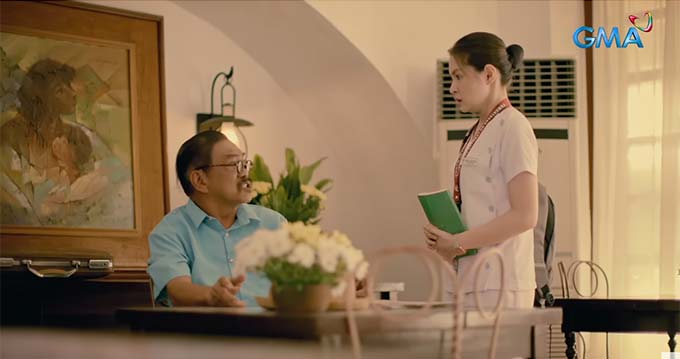
Maria Clara at Ibarra follows the story of a nursing student named Maria Clara Infantes — Klay, for short — who aspires to leave the Philippines and work overseas when she graduates.
Klay looks at history subjects, particularly the study of Noli Me Tangere, as pointless and non-integral to her chosen course.
During one heated discussion, Klay’s professor gives her an old copy of Rizal’s novel to read.
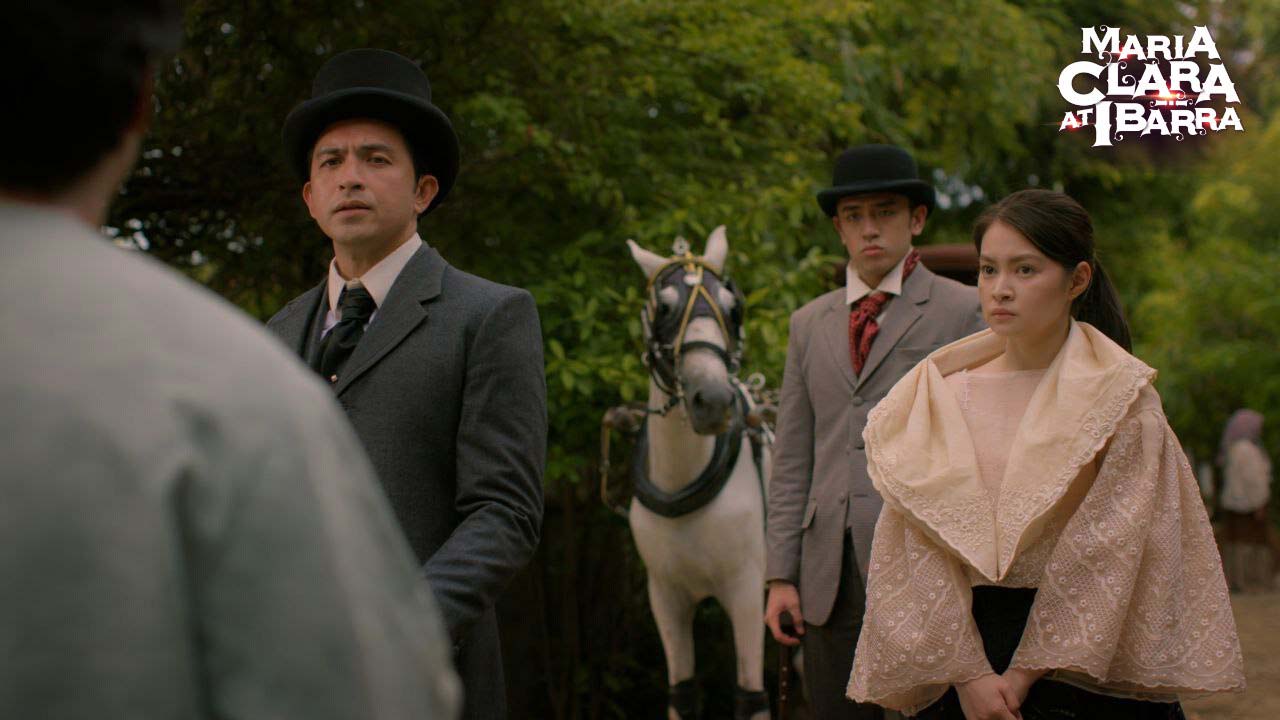
Klay soon finds herself mysteriously transported to the fictional world of Noli Me Tangere where she meets the characters in person.
The script went through several alterations before the creative team felt ready to present it to top management for approval.
Cheryl explained, “Very critical kami. Sa subcom pa lang, nakailang passes ito. First layer pa lang ito.
“Kasi kami mismo, kami na nagko-compromise ng drama subcom, kami ang nagbabato niyan. Kami ang unang critic.
“Pag di pumasa sa amin, wala na, tapon na yung material, or you redo it. Tapos, akyat pa sa another layer.”
To everyone’s relief, Atty. Felipe Gozon, chairman and CEO of GMA-7, and Gilberto Duavit Jr., president and COO, warmed up instantly to the concept of a reimagined Noli Me Tangere and El Filibusterismo.
The two network bigwigs gave the creative team the green light to proceed and produce the series.
Cheryl smiled in recollection, “When this was presented to them, they liked it so much. Wala kaming halos binago. Excited sila. They saw the potential.”
FORMING THE SCRIPT AND STORY
A project like Maria Clara at Ibarra entails lots of extensive research to get the details as accurate as possible.
These books, after all, were written to reflect life in the Philippines during the 1800s.
For starters, everyone on the team had to brush up on their knowledge of Rizal’s novels to reacquaint themselves with the story and characters.
Historians Ramon “Bomen” Guillermo and Gonzalo Campoamor II also came onboard to guide the production team in forming the storyline, and help flesh out the visual elements needed to transport viewers back in time.
J-mee said, “Si Sir Bomen siya yung consultant namin sa scripting, tapos si Sir Gonzalo naman, siya naman yung dun sa production, yung look, yung authenticity ng mga costume.”
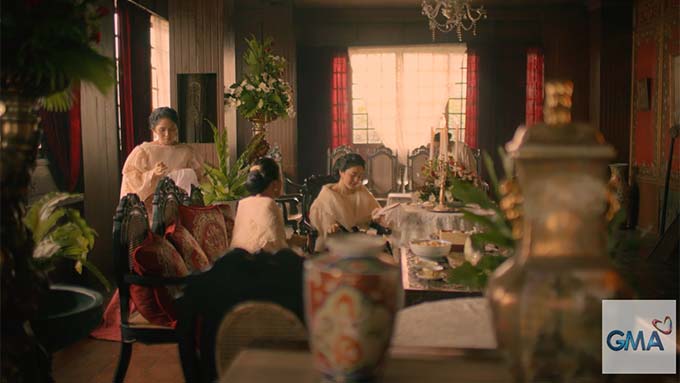
Both historians are experts when it comes to 19th Century history and Rizal’s novels, making them the perfect partners to guide the team in its research.
While Maria Clara at Ibarra is non-biographical, affording the writers the creative space to add bits and pieces to make the narrative entertaining, the people behind the show are fully aware of their responsibility to stay loyal to the source materials.
J-mee continued, “Very collaborative sila [historians] kasi alam din nila na kapag once i-adapt ang isang fiction work o ang isang novel, nagbabago talaga ito.
“Hindi siya nalilimitahan pero nagkakaroon siya ng iba’t ibang possibilities. Open din sila sa mga pagbabago, di ba? Basta culturally and historically contextualized pa rin siya.
“So alam nila yun, yung paghalintulad nung mga issues nung nakaraan at kung paano relatable pa rin sa panahon natin.
“Yung mga issues na sinulat ni Rizal, kasama namin sila na in-unpack yun sa mga scripts na sinulat namin.”
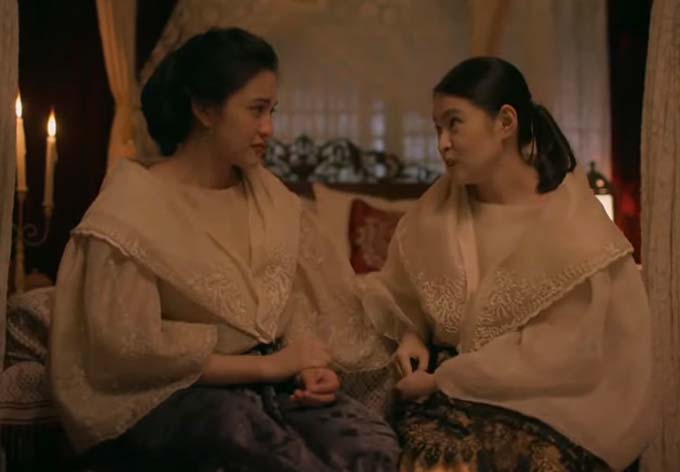
J-mee continued to elaborate on the time travel aspect of Maria Clara at Ibarra, “Ang challenge kasi dito is hindi lang siya basta time traveling.
"Kasi hindi naman siya [Klay] pumunta lang sa history, pumunta siya sa libro.
“E, yung libro fictional siya pero historical and cultural yung konteksto niya.
“Even yung pag-dissect ng format din. Napa-search din kami about transmigration.
(NOTE: Transmigration in fiction is the process of one’s soul being transported between worlds and time. This storytelling technique is common in Chinese and Korean dramas.)
“Ah ganun pala yun, na nangyayari siya na may mga tao sa fiction na shows na nagpupunta sa libro, 'tapos yung mga rules nun.
“So, inaral din naming yun bukod dun sa panahon na sinulat ni Rizal yung libro.
“Nanganak din ng ganun yung mga challenges namin as we developed the work for Maria Clara at Ibarra.”
The development of the script goes through the rigorous process of constant meetings with the creative team, headed by Aloy Adlawan as creative director and National Artist Ricky Lee as content development consultant.
The writers of the show are Brylle Tabora, Benson Logronio, Melchor Escarcha, and Zita Garganera.

SELECTING THE CAST
No auditions were held to pick the actors who would portray the characters in the series.
But it didn’t mean that the selection process lacked meticulous planning on the part of the creative team tasked to identify the best candidates for each role.
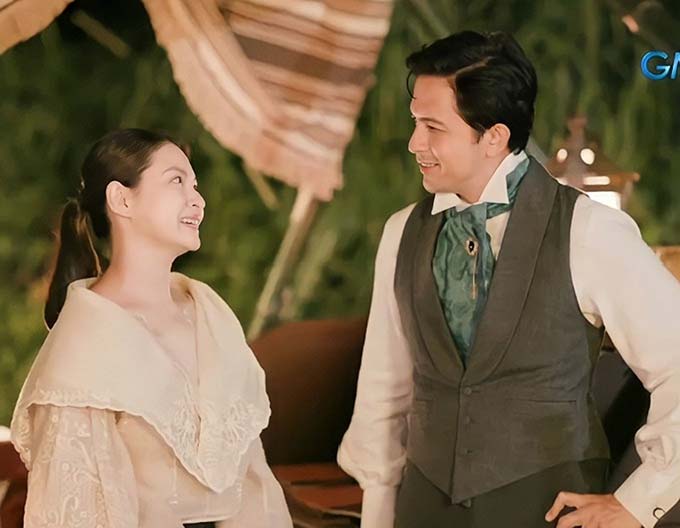
Said Helen, “Kasi nung binuo na yung concept at pina-approve na sa top management, yung creative team gumawa na sila nung character sketch.
“So based on that character sketch dun namin tinitingnan, ‘Ito ba si artistang ito kaya i-pull off ang ganitong character? Mabubuo ba niya nang maayos? Made-deliver ba niya nang maayos?’
“It just so happened na nung nag-approve kami nung recommendations namin, nag-swak siya, saktong-sakto dun sa mga characters na nakikita ninyo ngayon sa series.”
In the end, Barbie Forteza was chosen to play the role of Klay Infantes, Julie Anne San Jose as Maria Clara, and Dennis Trillo as Crisostomo Ibarra.
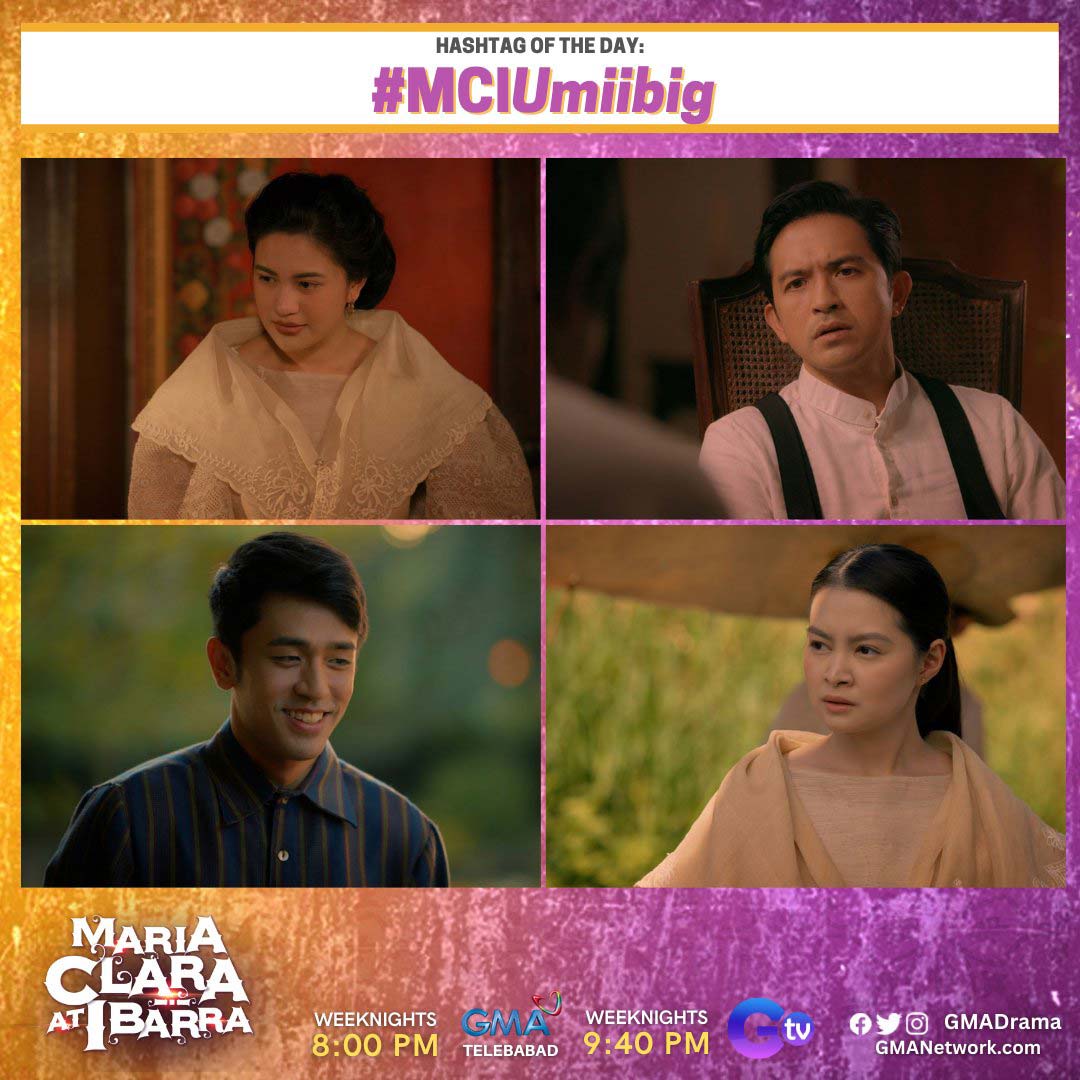
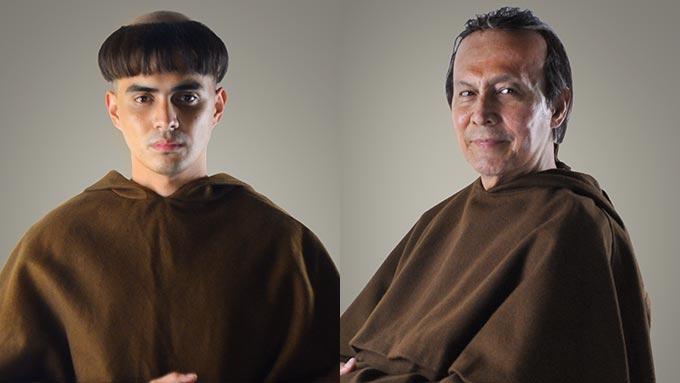
Complementing the three main characters are Andrea Torres as Sisa, David Licauco as Fidel, Tirso Cruz III as Padre Damaso, Juancho Triviño as Padre Salvi, Rocco Nacino as Elias, Juan Rodrigo as Kapitan Tiago, Ces Quesada as Isabel Alba, among others.
Helen added, “It’s a brainstorming process ng team, batuhan kami. ‘O, si Barbie kaya niya yung ganito, yung pagiging Gen Z, siya yung magre-represent ng present time.’
“Tapos, sino si Ibarra?’ Well, nung inisip namin si Ibarra, yung character, wala na kaming ibang artista na naisip kung hindi si Dennis.
“Kasi nga coming din from his previous show na Legal Wives, na ang galing niya na napaniwala niya kami na Muslim siya.
“So nung binuo to, for Ibarra, siya na agad yung nakita namin.
"And nung pinresent din naman namin sa kanya, he likes the project.
"In fairness kay Dennis, sa lahat ng bawat shows na ginagawa niya, inaaral niya talaga yung character, ina-absorb niyang maigi na siya yun, siya yung charcter."
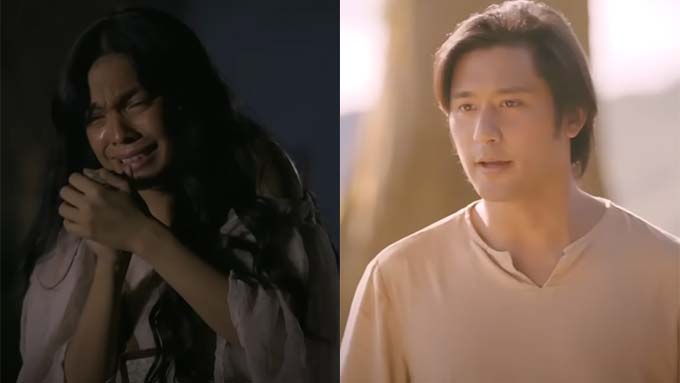
Talking about Andrea as Sisa, Helen explained, “Nung naisip din namin yung Sisa, naisip naming bigyan ng bagong bihis, sino kaya itong puwedeng mag-Sisa?
“So nung sinabi namin na si Andrea, na galing din naman sa Legal Wives, so nakita namin ni Direk Zig yung capabilities niya sa acting, so nai-recommend namin si Andrea and gladly yung management naman approved our recommendation.”
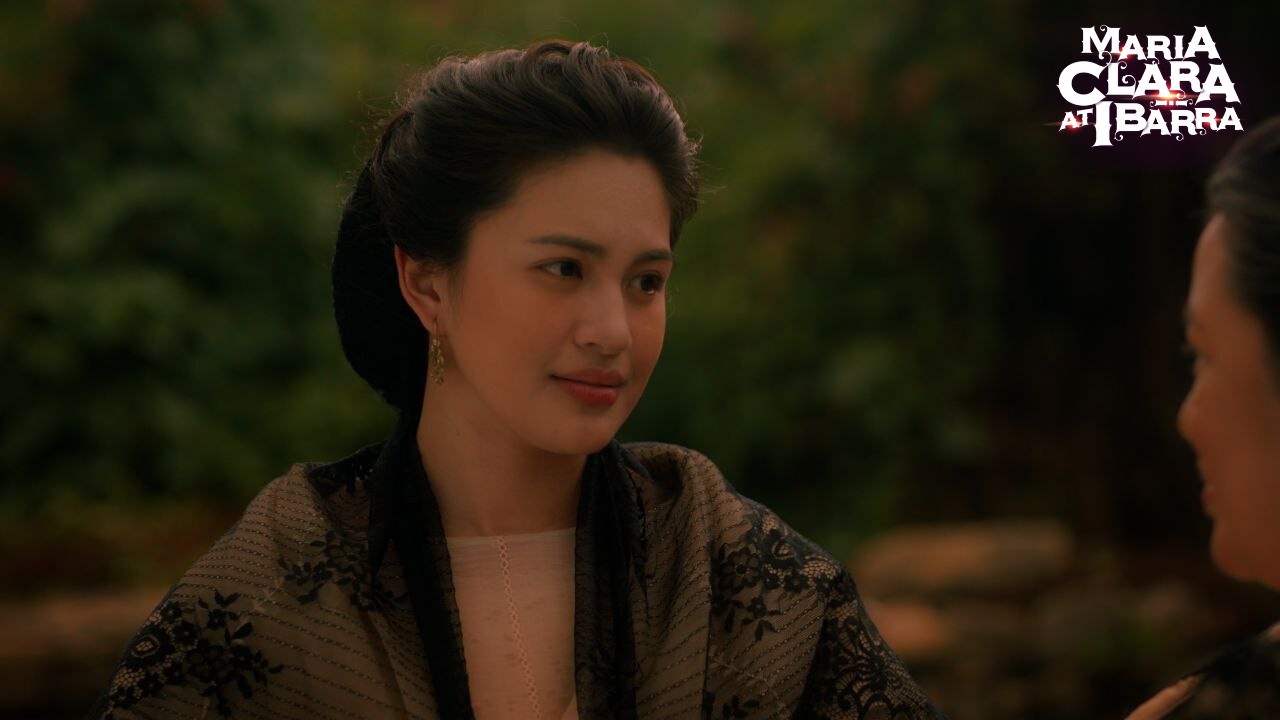
Suzette, whose past works on TV as screenwriter include Encantadia, Amaya, My Husband’s Lover, and Legal Wives, remembered that Julie Anne’s case was different from her co-stars, though.
She recalled, “Si Julie yung nagpadala ng audition tape. Nung ipinadala niya naloka kaming lahat kasi ang ganda nang pagkagawa ni Julie.
“Ito yung eksena na nasa simbahan and nasa tuktok siya, nasa torre siya ng simbahan at nagdadasal siya in Latin at mabigat yung eksena.”
Helen interjected, “Malaking bagay na si Julie Anne kasi may kanta, e.”
Maria Clara in the novel plays the harp and piano, and has a sweet singing voice.
ORIENTATION WITH HISTORIANS
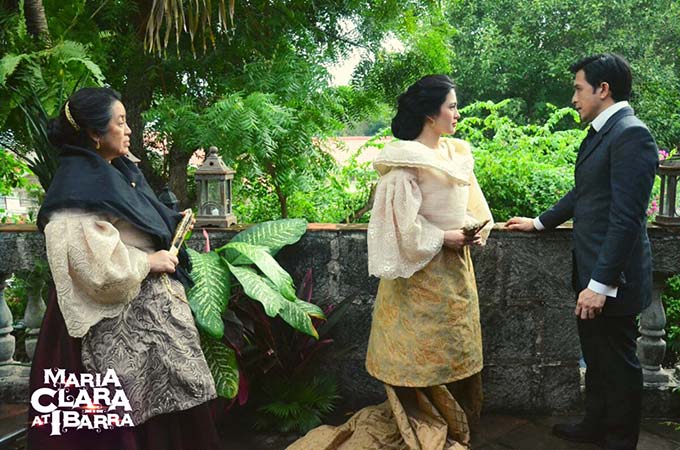
An orientation led by the historians-turned-consultants was organized to give everyone in the team a deeper understanding of the books, the characters, and the culture back in the day.
Zig, who helms Maria Clara at Ibarra together with second unit director, Pam Miras, recalled, “Parang bago magsimula ang lahat, kasama ang production, lahat including the artistas, parang nagkaroon kami ng orientation doon sa kabuuan at kaligiran ng mga nobela ni Rizal at yung katuturan nung buong nobela mismo.
“In that way feeling ko, nakatulong hindi lang doon sa creatives, sa production, kundi sa mga artista mismo kung paano maging sensitive doon sa handling nila o doon sa atake nila doon sa mga bawat characters.
“Maganda yung kinalabasan nung orientation kasi lumalagpas dun sa mga characters yung purpose o kaya yung layunin nung bawat image.
“Kumbaga, nalalaman ng buong grupo, ng buong team na ang ginagawa nila ay hindi lang pagre-represent ng isang specific na character kundi kung paano siya naiiugnay doon sa nobela.
"Alam natin lahat na yung nobela ay may kaugnayan din doon sa history at that time.
"So mas lumalaki yung usapin na feeling ko, nakatulong sa aming lahat na maging malaki yung pagtingin doon sa teleserye."
Zig went on to relate how the actors would intently listen and throw questions during the orientation — a positive sign that they too are heavily invested in the story and their respective characters.
He said, "Ang daming questions din ng mga artista in relation sa mga characters nila, kung paano nade-deconstruct yung mga characters, lalung-lalo na kay Maria Clara, ano yung kaugnayan dito kay Ibarra, kay Elias."
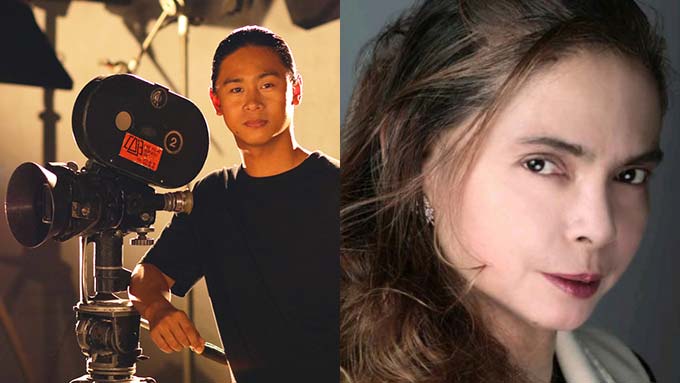
A language coach was also tapped to teach the actors how to properly speak Spanish, including its nuances and intonations.
There's also the need for the cast to deliver lines using old Tagalog, something that the writers of the show took seriously.
Suzette mused, "Dahil nga alam namin na yung audience ay iba-iba, may masa, kung ang gagamitin namin ay yung sinauna talagang Tagalog, mas malalim pa sa napapanood natin,"
"Kaya lang isinasaalang-alang namin na ayaw naming pahirapan yung audience kaya may mixture ng old Tagalog, pero at the same time, maiintindihan.
"Hindi niya kinakailangan maghanap ng diksyunaryo para alamin kung ano yung [ibig sabihin ng mga salita].
"Plus dahil si Fidel at si Ibarra ay nakapag-aral sa ibang bansa, kaya hindi lang Español ang alam nila kundi pati English na marunong naman si Klay kaya ikinagulat nila.
"So, yun yung mga naging pamantayan nila J-mee sa pagsusulat ng Maria Clara at Ibarra."
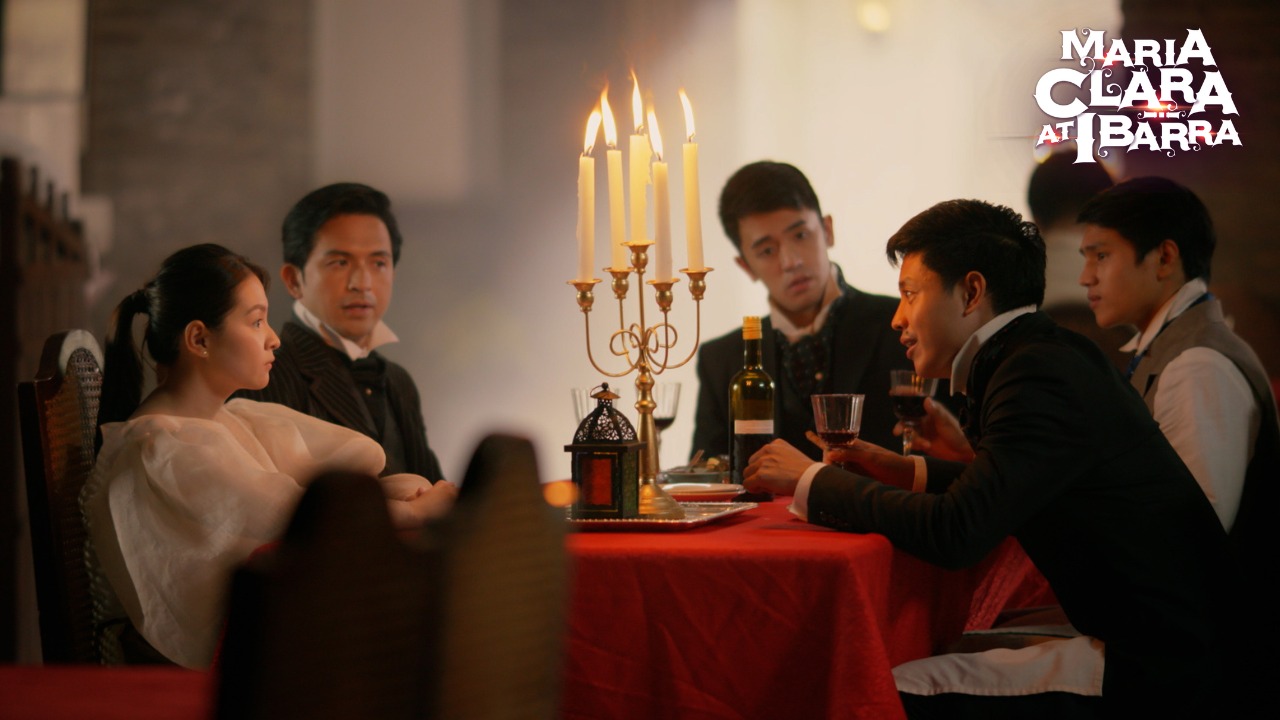
(NOTE: Suzette was referring to a scene where Crisostomo, during a meal with Fidel and their friends, dismissed in jest and in English Klay's opinion on gender equality. They were surprised to learn that Klay is well-versed in speaking and understanding the English language.)
Interestingly, skills training was also provided to help the actors carry out certain scenes required in the story.
Zig commented, "Halimbawa, paano maging kutsero para kay Fidel [David Licauco]. Mahirap din pala yun."
J-mee threw in, "On the spot inaral ni David yung pag kutsero, mag-drive ng kabayo."
Zig continued, "Kailangan mo pala mag-create ng rapport with the horse, ganun pala yun.
"Tapos, yung mga signals na ipapakita, yung konting kalabit mo lang dun sa horse, iba yung signal na darating sa kanya, yung mga ganun. So siyempre aaralin nila yun.
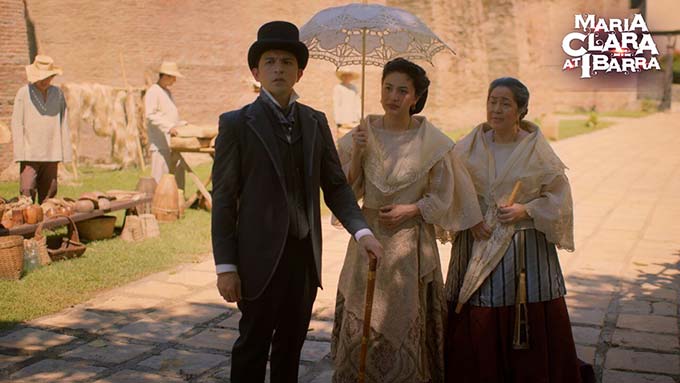
Barbie and Julie Anne, meanwhile, had to learn the art of abaniko, or the traditional hand fan widely used especially by women in the old days.
One amusing episode in the series shows Klay eavesdropping while Maria Clara and her amigas are discussing the role of the abaniko in sending signals to men during courtship.
The part two of Maria Clara at Ibarra: Anatomy of a history serye will delve deeper into the nitty-gritty of production work, including the challenges of putting up an epic teleserye, the show's cultural impact, and how the cast, led by Barbie Forteza, kicks new life into Rizal's literary works.