
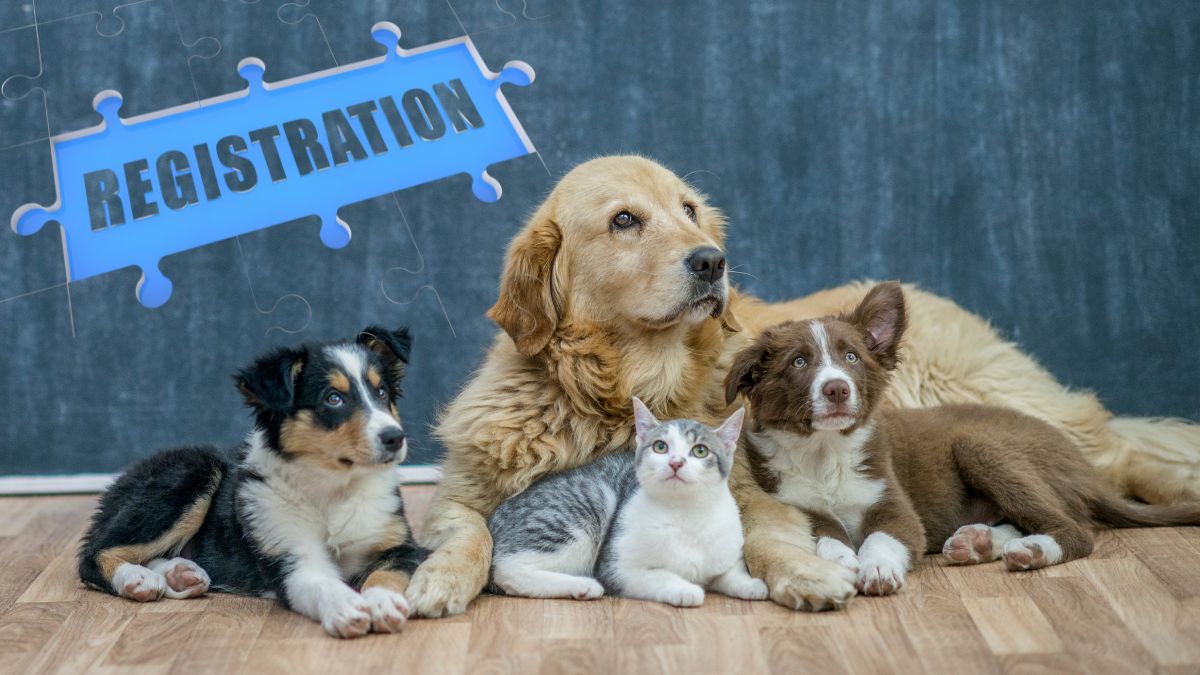

For many Filipinos, dogs and cats aren't just animals, they are indispensable members of the household.
They are often seen as children, siblings, or loyal companions woven deeply into the fabric of daily life.
This emotional bond entails an immense responsibility to ensure their health and safety, much like we care for our human loved ones.
One way to fulfill our commitment to our beloved pets’ well-being is by following animal registration recommendations.
Registering our pets with the city or municipality where we live ensures that they are in tip-top shape—not just for our household, but also for the community.
Here are the facts that you need to know about animal registration in the Philippines:
THE LEGAL BASIS FOR ANIMAL REGISTRATION
Section 7 of The Anti-Rabies Act of 2007 mandates that it is the responsibility of Local Government Units (LGU) to monitor and control dogs in their area.
“LGUs, in their respective localities, shall ensure that all Dogs are properly immunized, registered and issued a corresponding Dog tag for every immunized and registered Dog,” stated the law.
The Anti-Rabies Act also instructs LGUs to enforce dog impounding activities to eliminate stray dogs, order dog owners to confine their pets in their own fenced surroundings, and to allocate funds for their local rabies prevention programs.
After this, many municipalities went ahead and launched their own anti-rabies programs, each with different services and coverage.
High-earning municipalities and cities, for example, offer services for free or at a low cost to all its citizens.
There are also some municipalities that offer more advanced services, like micro-chipping, during animal registration.
WHAT IS ANIMAL REGISTRATION?
Simply put, animal registration is the process of officially recording your dog, or other household animals, with your city or municipality.
Dr. Karen Merilles, the city veterinarian of Mandaue, Cebu, tells PEP.ph (Philippine Entertainment Portal) in an interview via Viber: “This is to encourage responsibility and accountability to their pets.
"Also, this is one way of knowing the number of population that the government needs to allocate yearly anti-rabies vaccine.”
Mandaue City is among the first to implement animal registration.
“The registration is a very old ordinance na ng Mandaue. We maximize it na lang by adding microchips.”
To avail of animal registration services, Mandaue City residents just need to bring their dogs and cats to the City Veterinarian’s Office at the second floor of the Mandaue Public Market during office hours.
The dog or cat must be at least eight months old to be registered.
After showing proof of Mandaue City residency, the resident needs to pay 100 pesos per pet.
The registration fee includes free lifetime anti-rabies vaccine and microchipping.
Microchipping is optional.
“Microchipping is still on its accceptability stage by owners. Most are not aware what microchips are and its advantages,” explains Dr. Merilles.
Read:
Newlyweds divorce over feuding pets
TIPS: How to be a responsible pet owner
WHAT IS MICROCHIPPING?
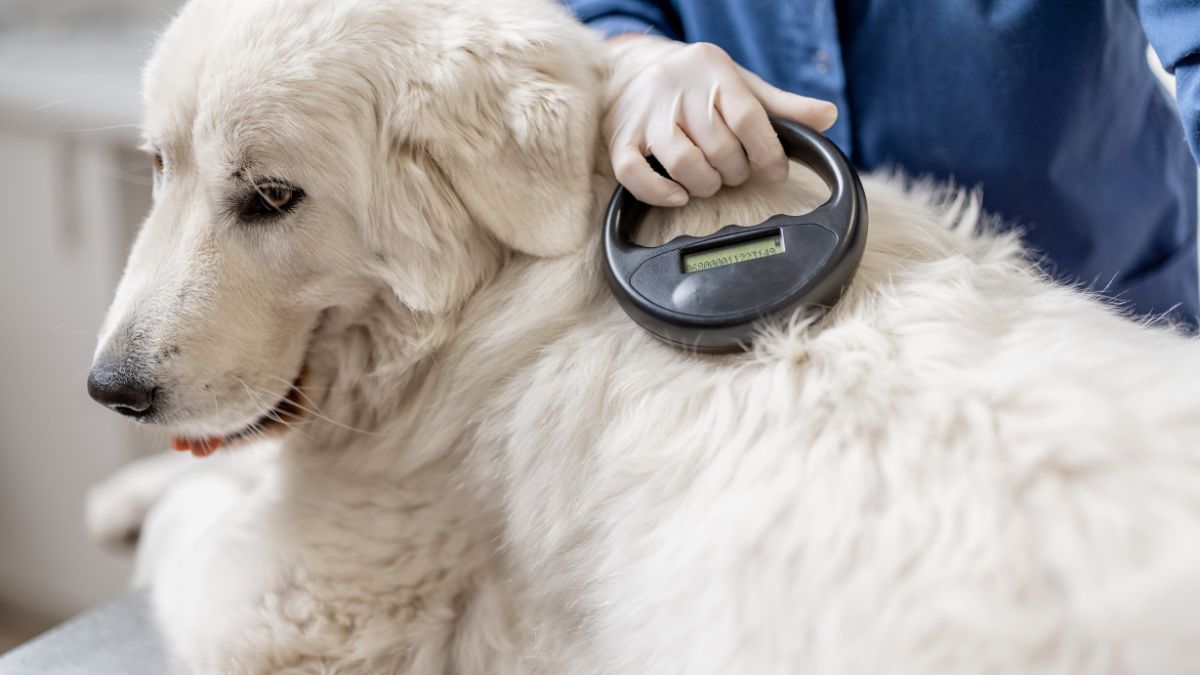
Microchipping is used to add identification details to your dog or cat.
To do this, vets place a grain-sized microchip under the skin of the animal.
According to Jana Sevilla, senior campaigner for PETA Asia in the Philippines, microchipping should be pain-free for the animal.
“Para lang siyang injection,” says Sevilla via a phone interview with PEP.
“Hindi naman siya considered na super painful, so na a-administer naman siya nang maayos.”
Once the microchip is implanted, any vet should be able to use a scanner to read a unique identification number embedded on the microchip.
The vet will then use the identification number to check the details of the animal on a central database, which also bears the vaccination records.
It can also be used to identify ownership, particularly for lost dogs and cats.
Despite the benefits of microchipping, it has not yet reached nationwide adoption.
Many municipal veterinary offices are not yet offering the services because of the cost of implementation.
But the absence of microchipping shouldn’t impede animal registration services for smaller or low-earning municipalities because they can still conduct it the traditional way.
Just bring the dog or cat to the municipal veterinary office, which will issue the physical registration certificate.
Animal owners may also still avail of other services, like anti-rabies vaccination, immunization, and spaying or neutering.
THE COST OF ANIMAL REGISTRATION
Animal registration costs vary from municipality to municipality.
It can be as low as 100 pesos per pet, like in Mandaue City.
It can also be free, like in high-earning municipalities, including Quezon City, Pasig City and Makati City. These cities also offer other services for free, like anti-rabies vaccination, immunization, deworming, grooming, and spaying or neutering.
Section 7 of the Anti-Rabies Act states that it is the LGU that needs to provide funding for animal registration and animal care services.
For lower-income municipalities, animal registration services may come at a cost. Other animal care services may also be more expensive or entirely unavailable.
This is why organizations like PETA Asia partner with local government units (LGUs) to help address gaps in services.
Sevilla adds: “Marami na kaming effort sa ganyan actually, pinupunan na nga namin yung kakulangan dahil, for example, meron kaming libreng kapon every two to three weeks. We go to different barangays.”
Aside from spearheading outreach programs, PETA Asia also works with other animal rights groups to push for better legislation.
For instance, they are working with legislators to improve the Animal Welfare Act.
“In this revision of the Animal Welfare Act, andiyan yung provision for libreng kapon, et cetera. Nationwide iyan."
Sevilla said that animal care services should be fully subsidized by the government.
“Actually, dapat libre talaga iyan, lalo na yung anti-rabies."
In the end, it is still the animal owner’s responsibility to ensure the welfare of the dogs and cats that are under their care.
Interested in supporting animal care programs in the Philippines?
PETA Asia accepts in-kind donations and cash donations via GCash and Lazada. For more information, you may contact Ashley at 0918-669-0829.