
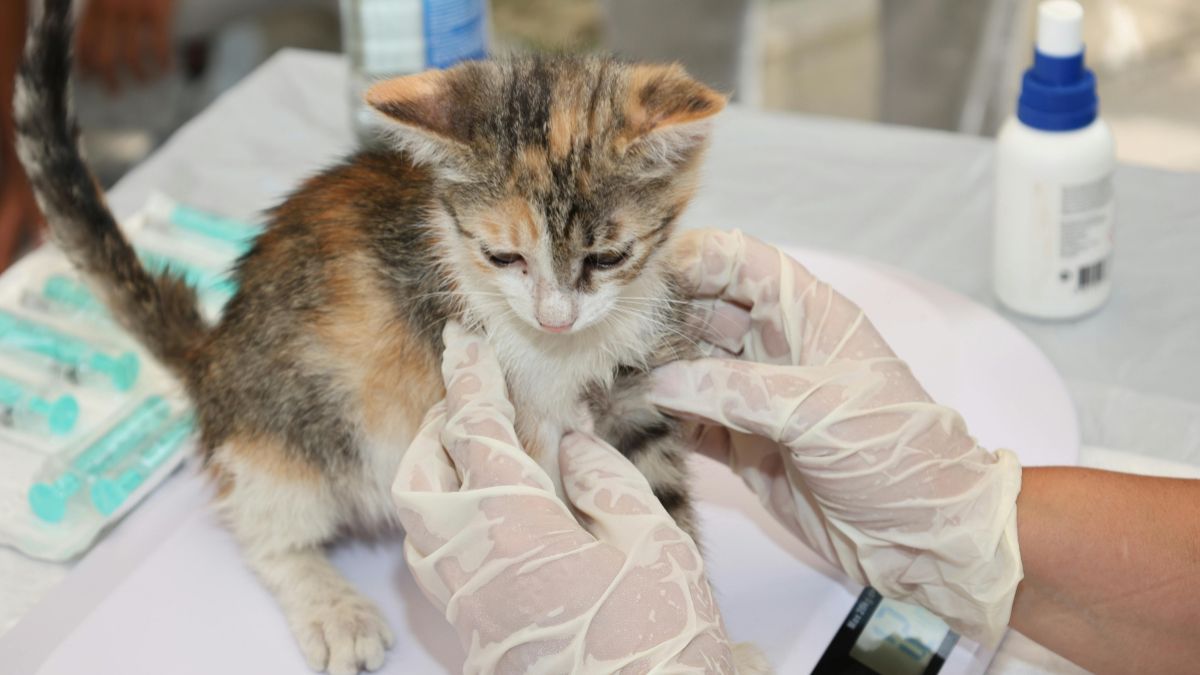

Many pet owners in the Philippines believe that providing food and a loving home is enough to properly care for their dogs and cats.
However, these basics are merely the bare minimum.
True responsible pet ownership must include annual veterinary check-ups, vaccinations, and even surgery, to ensure an animal companion's long-term health and well-being.
According to PETA Asia, many Filipino pet owners often fall behind on these life-saving procedures because of a lack of access to veterinary services.
For many families, especially in underserved communities, private veterinary care is simply too expensive.
When a family is struggling to meet basic needs, the high cost of private surgeries and vaccinations poses a significant barrier to responsible ownership.
This lack of accessibility means that many pets remain unvaccinated and unsterilized, not because of a lack of love from their owners, but because professional veterinary services are often out of financial reach.
This situation is a major cause for concern. Without regular vaccinations, rabies remains a persistent threat to public health.
Every year, 300 to 400 Filipinos die from rabies infections. These deaths are particularly tragic because rabies is a viral disease that attacks the central nervous system and is 100% fatal once clinical symptoms appear, yet it is entirely preventable.
The spread of this virus is further heightened by the country’s animal overpopulation crisis, as a high density of stray animals creates more opportunities for the disease to circulate within communities.
Because strays often lack access to medical care and vaccinations, they serve as a primary reservoir for the virus.
Addressing this requires a commitment to spaying and neutering, which effectively reduces the stray population and, by extension, the frequency of rabies transmission.
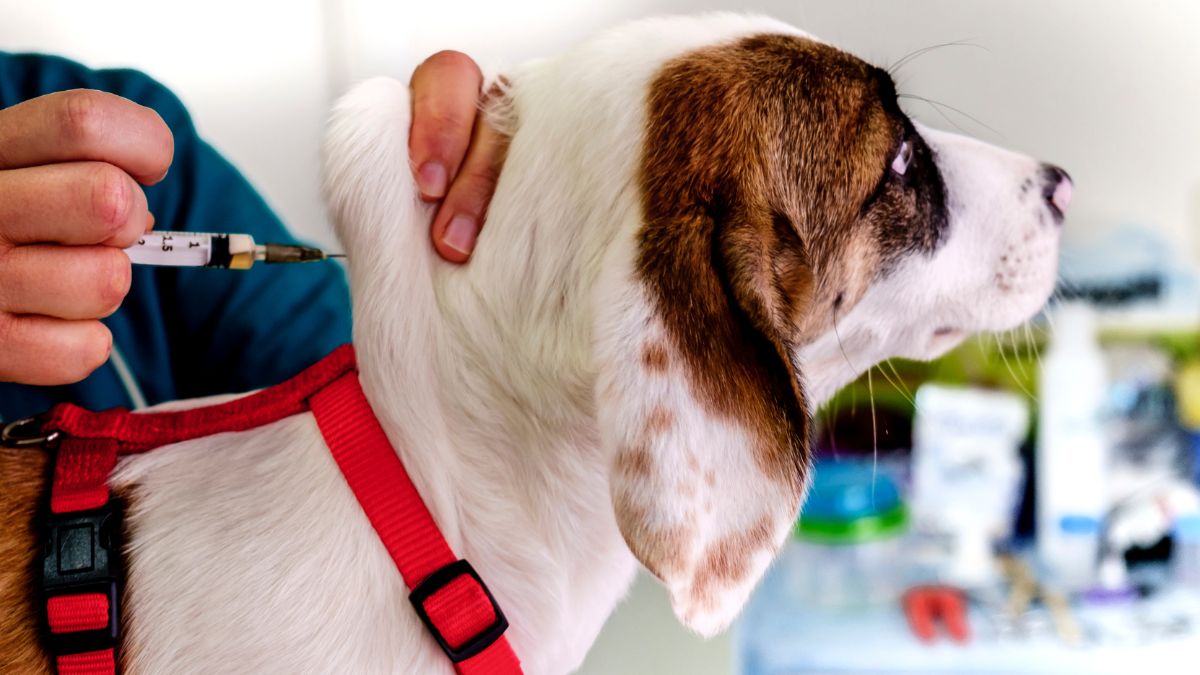
VETERINARY COSTS IN THE PHILIPPINES
Pet owners need to shell out significant funds if they want to avail the services of private veterinary clinics.
On the first visit, there’s typically a one-time registration fee of PHP300 to PHP500 per animal.
Then there are different prices for every service or vaccine:
- Anti-Rabies Vaccine: Usually ranges from PHP200 to PHP500
- 5-in-1 (Dogs) or 3-in-1 (Cats) Vaccines: These protect against deadly threats like distemper and parvo, typically costing between PHP400 and PHP800
- Other vaccines for diseases such as kennel cough and Lyme disease: PHP500 to PHP800
- Deworming: This can be a tablet or an injectable medicine, and it can usually cost from PHP200 to PHP500 per dose.
Then there are more specific services, which can cost a fortune.
This author has experienced three: Emergency caesarean section for a pregnant and overdue dachshund: Around PHP 10,000 pesos, including post-surgery medicine.
Spaying services for an American Bulldog: Around PHP9,000, including post-surgery medicine.
Parvo treatment for two Japanese Spitz puppies: Around PHP12,000, including consultation, medicine, and instructions for at-home treatment.
There are also other services that can break the bank, including laboratory fees and confinement fees for very sick pets.
In clinics in Metro Manila, emergency confinement fees can cost up to PHP3,500 per day.
Read:
Pinay chef wins PHP15M on TV show with lugaw, kaldereta dishes
Brands cut ties with Brandon Espiritu over his "halfies" remark
FREE SERVICES FOR PET OWNERS
Pet owners in highly urbanized areas often benefit from subsidized or free municipal veterinary services.
Check with your City Veterinarinary Department (CVD) or the Provincial Veterinary Office (PVO).
For instance, schedules for veterinary caravans in Quezon City are posted on the Facebook page of its Veterinary Department.
Taguig residents has Office of the City Veterinarian, which offers free check-ups, deworming, and anti-rabies vaccinations.
In Cebu City, the Department of Veterinary Medicine and Fisheries (DVMF) provides free anti-rabies vaccinations and pet registration for cats and dogs. Schedules for its pet drives across barangays are regularly posted on its Facebook page.
Meanwhile, the Davao City Veterinarian’s Office (CVO) conducts rotating barangay missions offering veterinary services to local communities. Details and schedules are available on its Facebook page.
In contrast, those in underserved regions must rely on costly private clinics or forgo essential care entirely.
Organizations like PETA Asia step in to bridge this divide.
Through the Ampon Alaga program, it has been delivering free, essential veterinary services to these communities since 2020.
Ampon Alaga started during the pandemic as a rescue operation for animals trapped in areas affected by the Taal volcanic eruption.
Nowadays, it visits barangays in Metro Manila and other provinces to offer free vaccinations to animals.
Every session serves up to 700 dogs and cats.
Jana Sevilla, a senior campaigner for PETA Asia, notes that the Ampon Alaga program helps alleviate poverty within communities by removing the financial burden of veterinary fees and the risks associated with untreated animal diseases.
But the main goal of the program is to reduce stray animals in the community.
Aside from keeping them up-to-date on their vaccinations, PETA Asia also makes sure they are in tip-top shape to be adopted.
The stray animals get a spa treatment.
“Nililinis din namin yung mga tenga nila, ginugupitan ng kuko, then kung merong ibang health issue yung hayop, binibigyan din ng intervention. For example, kung may galis, binibigyan din ng gamot sa galis,” Sevilla tells the PEP.ph Philippine Entertainment Portal in a phone interview.
The program also provides spaying and neutering services to address the root of the stray animal crisis.
Sevilla observes that the exponential increase in the stray population is often driven by owners who, unable to care for unplanned litters, feel forced to abandon their pets' offspring on the streets.
“Alam din nila na sa kalsada rin ang ending nung mga magiging anak ng mga alaga nila kaya alam na nila, gusto na rin nila talagang ipakapon yung mga alaga nila. Ang problema lang yung availability, yung accessibility, kasi kapag sa private, mahal magpakapon,” she explains.
For barangay visits of Ampon Alaga, click this this LINK.
CHALLENGES AND ROADBLOCKS
Meanwhile, providing free services for hundreds of pet owners is a massive undertaking in terms of both labor and cost.
To sustain these efforts, PETA Asia relies on private donations and strategic partnerships with medical organizations like Biyaya Animal Care.
Beyond the financial aspect, the logistical demands are equally significant, requiring extensive coordination with various entities—such as Local Government Units (LGUs)—to secure viable venues for these large-scale charity events.
Most of the time, the LGU provides venues that are not really conducive to their operations.
Basketball courts or multi-purpose halls, for example, are humid, uncomfortable, and may have problems with utilities.
“At saka yung venue minsan, hindi madali yung access to clean water, walang maayos na public restroom, yun yung mga challenges. At saka sobrang init talaga,” says Sevilla.
Gab Almera is familiar with this issue.
As a popular veterinarian who has more than 350,000 followers on Facebook, he has also encountered venues that are not that conducive to veterinary care.
Doc Gab oversees more than one hundred Low-Cost Kapon drives monthly thru his organization, Pet Partner Philippines, Inc.
The problem, he says, is that the LGU is not really familiar with dealing with regular large-scale animal care operations.
“It’s difficult because when we started, wala talagang protocol ang BAI, ang Bureau of Animal Industry, and even the LGU on how they would partner with group like us na we do it regularly. Kasi sanay sila before na every six months lang, every three months lang. So walang protocol,” explains the 30-year-old influencer in a separate interview with PEP.
Doc Gab began serving communities in 2021, first as a volunteer pro-bono vet for Cats of Manila. A year later, he decided to do it full-time.