


Recent deaths among Filipino comedians have brought renewed attention to the health and welfare of performers in the industry.
These losses raise questions about occupational health risks, access to medical care, and the support available to comedians whose livelihoods depend on entertaining audiences.
For stand-up comedians, making people laugh may be the job, but the demands behind the performance can pose real-life health risks.
With their work often involving late-night schedules, irregular sleep patterns, and exposure to unhealthy habits, how much can their bodies endure before their health begins to suffer?
DECEASED FILIPINO COMEDIANS IN RECENT YEARS
Four comedians—Dax Martin II, Arnell Tamayo, Boobah, and Kirara Kawai—died in October 2026, following the death of Michelle O'Bombshell in April.
Dax Martin II, whose real name was Daxxeno Fowler, died on October 8 at the age of 56.
Before his passing, fellow comedian Atak Araña recalled exchanging messages with him while he was reportedly dealing with an illness and making repeated hospital visits.
However, no specific cause of death was disclosed in the reports available.
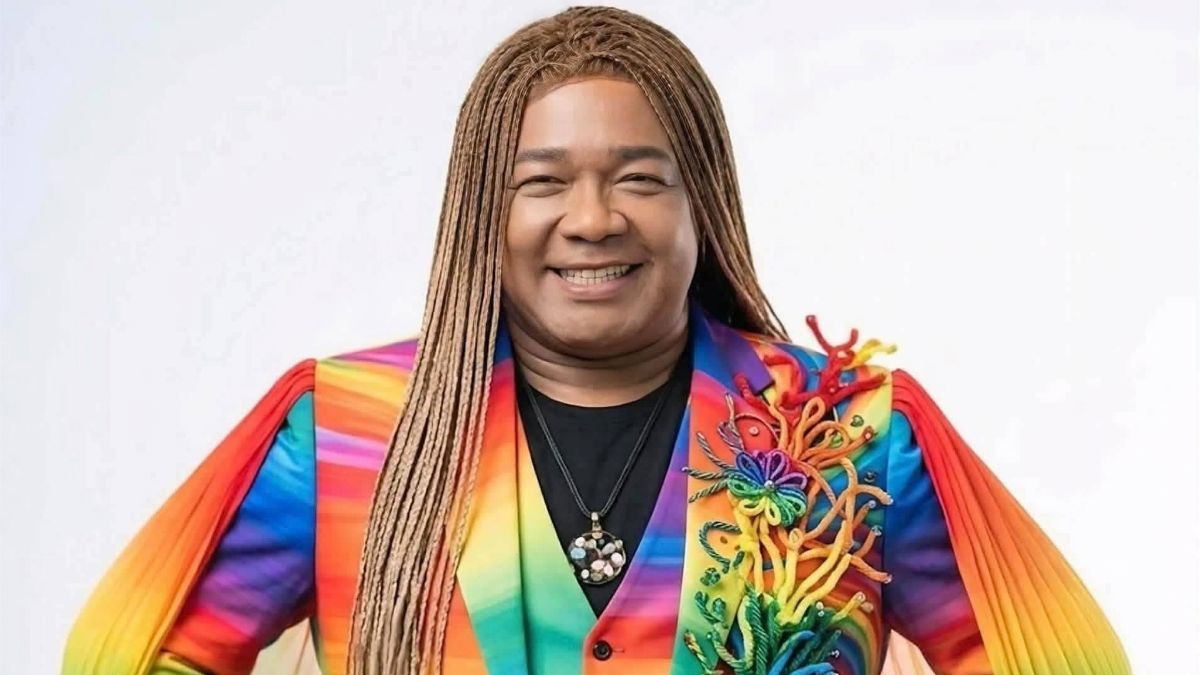
Arnell Tamayo, 61, followed on October 14.
Before his death, the comedian had been confined at the Lung Center of the Philippines, undergone medical examinations and a biopsy, and appealed for blood donors.
His family later announced his passing but did not disclose the cause of death.

Two days later, comedian Noel Montero, popularly known as Boobah, died at 46.
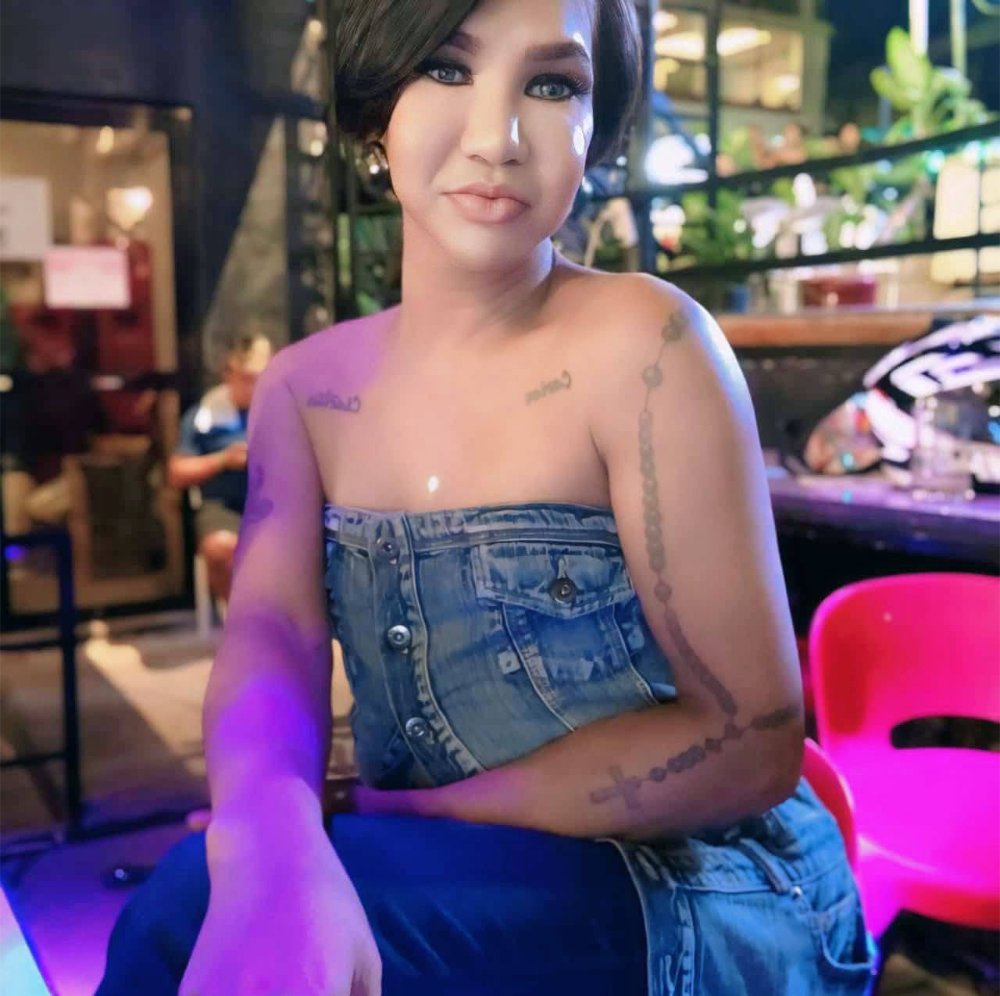
His passing was followed by that of Rodolfo Rausa Jr., better known as Kirara Kawai, who died on October 20 at 47.
Their families announced their respective deaths without publicly identifying the causes.
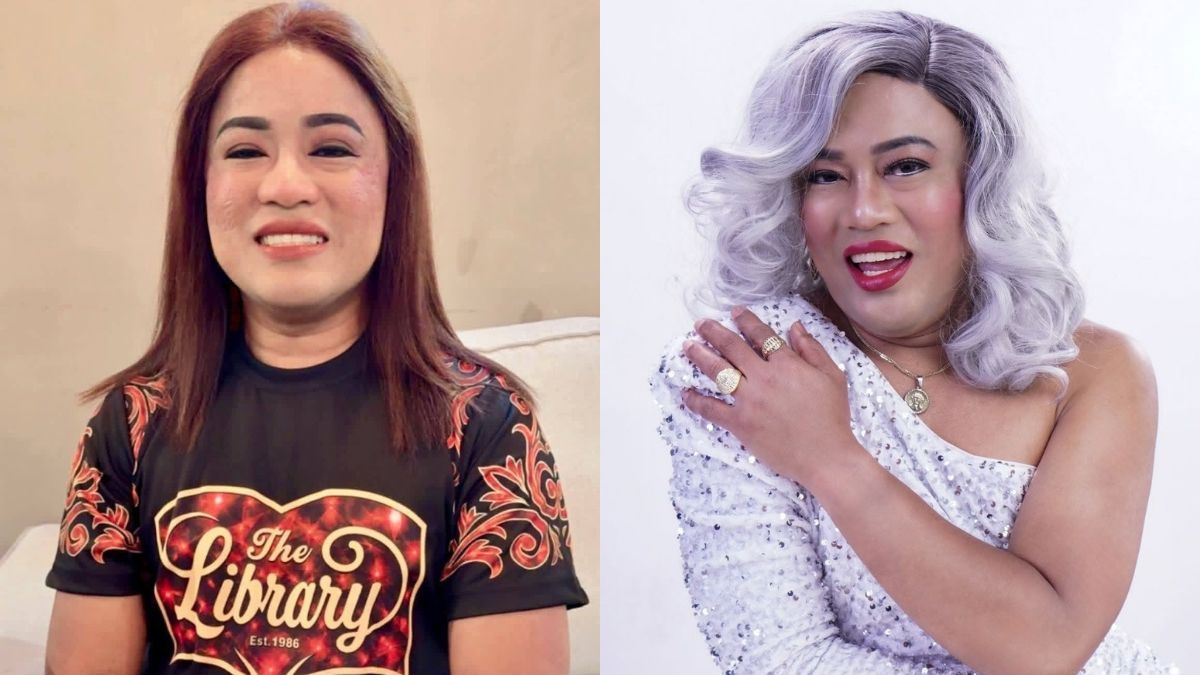
Earlier in the year, impersonator and stand-up comedian Michelle O'Bombshell, whose real name was Roderic "Ador" Cuntapay, also passed away on April 6 at 48.
Her cause of death was not disclosed in the initial reports.

Other losses in the comedy industry include Kim Idol, who died in July 2020 at 41 after suffering a brain hemorrhage associated with an Arteriovenous Malformation (AVM) — a condition involving abnormal connections between blood vessels in the brain.
Before his hospitalization, Kim had spoken publicly about experiencing severe headaches, difficulty walking straight, and problems with his vision.
He was subsequently brought to the hospital after being found unconscious.

Chokoleit, meanwhile, died on March 9, 2019, at 46, after experiencing difficulty breathing following a performance at the Kawayan Festival in Abra.
His attending physician identified pulmonary edema and a heart attack as the causes of his death.

While this string of losses have prompted questions about the demands of the profession, they do not concretely establish that working late nights or other occupational exposures caused the performers’ illnesses or deceases.
HEALTH SCARES AMONG COMEDIANS
Adding to concerns within the comedy community, comedians Ate Gay and Boobay have also faced recent health challenges.
Ate Gay, whose real name is Gil Aducal Morales, was confined in the intensive care unit of Asian Hospital and Medical Center in October amid his ongoing battle with Stage 4 cancer.
According to a medical update released by his family on October 30, the comedian was brought to the hospital's emergency room on October 17 due to difficulty breathing.
His doctors diagnosed him with septic shock and acute respiratory failure secondary to pneumonia.
Amid his hospitalization, Ate Gay also held what was described as a “living funeral,” allowing him to spend time with loved ones and receive their expressions of love and support while he is still alive.
His family has since appealed for financial assistance to help cover his mounting medical expenses as he remains in critical condition.

Boobay, meanwhile, experienced another health scare while in Las Vegas on October 13, 2026, when he reportedly fainted at a hotel.
The incident prompted the producers of his U.S. comedy tour to send him back to the Philippines to rest.
The comedian has previously spoken about his episodes of absence seizures, a condition he said was being managed through medication and regular medical checkups.

Although their medical circumstances differ, these developments have further brought the health and welfare of Filipino comedians into sharper focus.
HEALTH HAZARDS OF THE PROFESSION
For Andrew “Mamu” De Real, the health concerns confronting Filipino comedians are particularly painful because he has spent decades watching the industry grow and mentoring performers who have become part of his extended family.
Mamu, a pillar of the local comedy scene and a long-time mentor to performers at The Library, relates his observations in an exclusive interview with PEP.ph (Philippine Entertainment Portal).
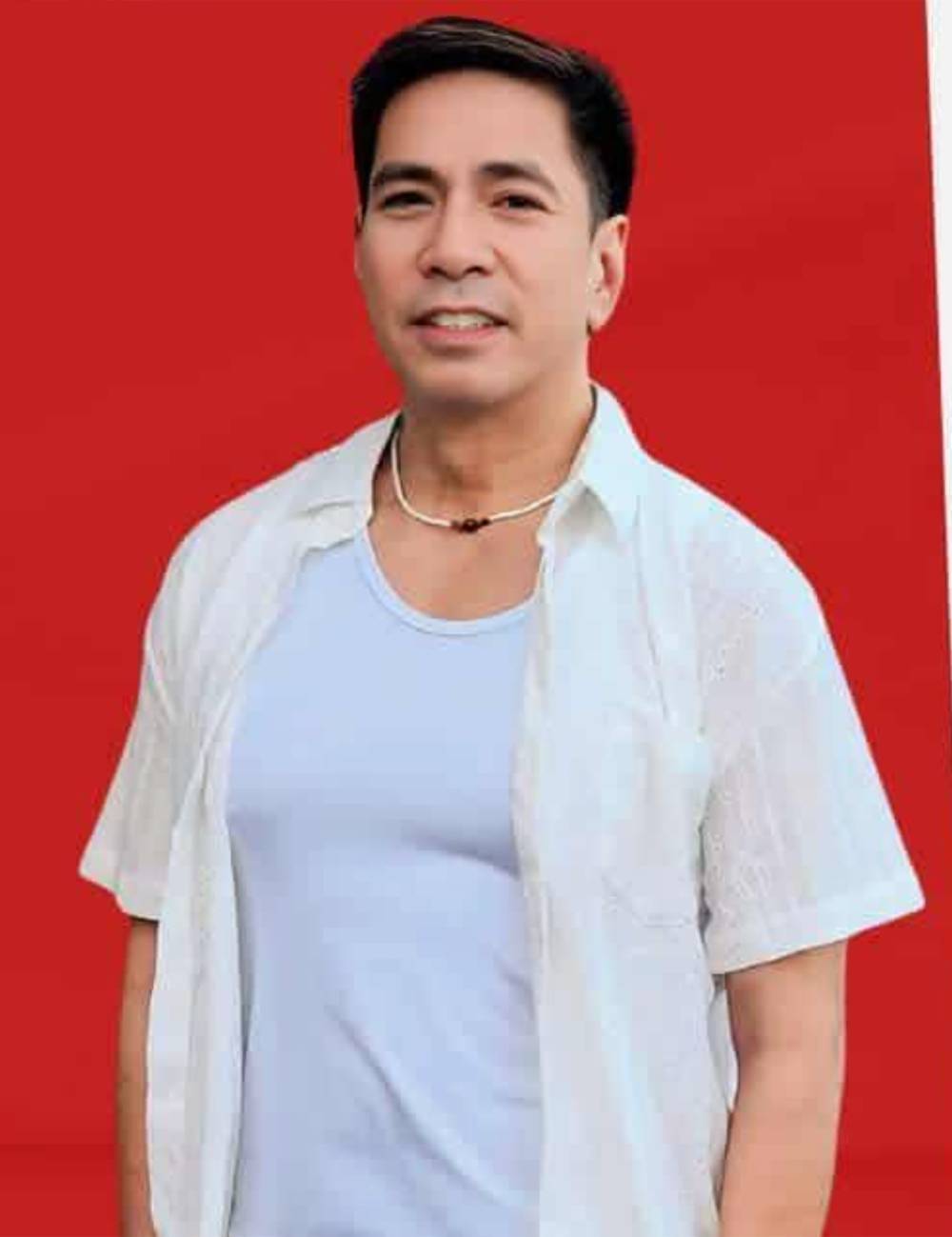
He has witnessed the careers of performers from the earlier generations of stand-up comedy to more recent acts: “Sa apat na dekada ng The Library, nakita at nasubaybayan ko ang paglago ng industriya ng stand-up comedy sa Pilipinas.
“I have also witnessed how they strived to achieve their goals in the field of comedy, magmula kina Arnel Ignacio, Allan K, Ai-Ai hanggang kay Vice Ganda.”
He says the passing of fellow performers has been especially difficult because many of them consider The Library their second home.
“It saddens me and hurts me most kapag may nawawala gaya nila Phillip Lazaro, Wacky Macky, Tomas, Hans Mortel, Chokoleit at iba pa, simply because I am their mentor and The Library is their second home.”
One of the biggest challenges performers face is the schedule.
According to Mamu, comedy-bar shows typically run from 9 P.M. to 3 A.M., although the working conditions have changed over the years.
“Compared before, mas mahirap ang work dahil dalawa lang sa isang gabi ang performers at sila-sila lang, unlike today na marami nang kasama sa entablado at may support system,” he explains.
Mamu says he does not require his performers to work seven days a week. Instead, he encourages them to take at least two days off to recover.
Still, some performers take on additional gigs after their comedy-bar sets to earn more money. Those who also appear on television face longer working hours because of tapings.
“Pero may ilan talaga na lumalagari pa after set for monetary reasons. Most especially yung mga lumalabas sa TV dahil mahaba talaga ang oras pag-taping,” Mamu adds.
Veteran comedian and actor John “Sweet” Lapus, meanwhile, also pointed to late-night schedules, alcohol consumption, and exposure to cigarette smoke as possible concerns for performers.

Sweet, who considers many younger comedians his anak-anakan, last performed at a comedy bar in 2018.
He acknowledges, in a separate interview with PEP, that he could not speak firsthand about how venues have changed since the pandemic, but says the demands he experienced during his years performing remain worth examining.
“One thing I am sure, exposed pa rin sila sa yosi, alak at puyat,” he confirms.
During his time performing, comedy-bar sets usually ran from 9 P.M. to 3 A.M. Sweet recalls that even performers whose sets ended earlier sometimes stayed until morning to socialize with fellow comedians.
Sweet recalls: “Ako nga noon, primetime artist, salang ng 12 to 1 A.M., pero minsan nag-stay pa rin ako until umaga kasi masaya chumika at mag-bonding kasama ang mga bakla ko.”
He compared the performers' schedules to those of people working overnight shifts.
“Para kaming night duty guard, call center agent or pokpok sa Quezon Ave. Umaga na umuuwi pero hapon naman na ang gising.”
He also mentions how some comedy bars allow smoking inside their premises, although he understands that some venues now have designated smoking areas.
Alcohol consumption was another concern, particularly when guests offered drinks to performers.
“Nomu since bar nga iyon. Sometimes ang mga guest kasi nagpapainom,” he says.
For Sweet, the demands of the profession can become more difficult as comedians grow older.
“Ang problema sa mga ibang comedians, they are not getting any younger. Hindi na kinakaya ng edad namin ang usual stuff that we do or exposed to.”
Mamu and Sweet's accounts point to the physical demands associated with late-night entertainment work.
However, the effects of disrupted sleep and other occupational exposures vary from person to person, and the experiences of individual comedians should not be taken as proof that these factors caused their illnesses.
THE COST OF HEALTHCARE
Aside from the demands of the job, financial limitations may also prevent some performers from seeking medical attention.
Sweet explains how some comedians put off medical checkups because their earnings are already allocated to basic expenses and family responsibilities.
“Hindi nagpapacheck-up ang ibang bakla. Hindi rin naman daw kasi kalakihan ang suweldo nila. Sapat na raw pangbayad ng renta at pambili ng pagkain.
“Ang masaklap pa, tumutulong pa sa family.”
He clarifies that some performers continue working despite feeling unwell because they cannot afford a consultation or an emergency room visit. Others are simply afraid to see a doctor.
“May iba lang talaga na hindi sapat ang kinikita para magpacheck-up or pumunta sa ER pag may nararamdaman,” Sweet says.
“Tapos yung iba, dahil gipit nga, nagwo-work pa rin kahit masama na ang pakiramdam. At yung iba naman, takot lang magpa-check-up.”
The former television host adds that comedians also have work-related expenses, including costumes and outfits, which further compete with their personal budgets.
“Kailangan ng pangbayad ng renta, pang-buy ng food, pang-buy ng outfit (essential sa work ang magandang outfit), at pang-abot sa pamilya.
“So, sa suweldo nila, hindi talaga kaya ang pagpa-check up.”
Sweet encourages performers to set aside money for healthcare whenever they receive a bigger paycheck or additional gig.
“Pag may sobrang pera or nakakuha ng raket na medyo malaki, kumuha agad ng health card. Para may yearly check-up at pag may nararamdaman, takbo agad sa ER,” he advises.
He then stresses the importance of looking after oneself, particularly for performers who regularly support their families.
“I always tell my anak-anakan, mahalin muna ang sarili bago magmahal ng iba. Walang masama doon at importante iyon.”
WHAT THE INDUSTRY CAN DO
Mamu believes the recent tragedies should serve as a wake-up call for the industry to strengthen its support for performers.
He reveals that the successive losses prompted him to call a meeting, and, push for medical checkups among performers so that health concerns could be identified and addressed earlier.
“Itong mga huling namayapa ay puro health condition ang cause. Very alarming for the industry dahil sunud-sunod, kaya nagpatawag agad ako ng meeting para i-require sila na magpa-medical checkup para masolusyunan agad.”
He advises performers to obtain health and life insurance, reminding them that the demands of the profession may not be sustainable over the long term: “Hindi pangmatagalan ang ganitong trabaho, and take a leave pag masama ang pakiramdam.”
Mamu states plans for a healing Mass at Music Box, with performers from different comedy bars invited to attend.
The gathering would include an open discussion on addressing health concerns, as well as anxiety and depression among comedians.
Sweet, for his part, believes that access to healthcare should become a shared responsibility among performers and comedy-bar owners.
“Health plan for all comedians. Alagaan dapat sila since sila ang pinupuntahan ng mga tao,” he says.
He suggests that performers contribute through monthly salary deductions to cover their own health insurance, while venue owners who can afford it can shoulder the cost of annual medical examinations.
“Baka puwede kahit salary deduction every month para pinagpaguran din nila ang health card nila. May mga murang plan na may libreng check-up at pa-ER,” Sweet explains.
“Or kung kaya naman ng mga may-ari, sagutin na nila ang yearly check-up ng mga artist nila. Kahit yung basic lang.
“Tapos dapat mandatory ang check-up to ensure na nababantayan ang health nila.”
He emphasizes the importance of looking out for fellow performers as well, particularly when someone shows signs of deteriorating health: “Sa mga anak ko naman, check on each other.
“Kamustahin yung matagal nang may ubo or pumapayat or tumataba. Pagpahingahin yung galing sa puyat tapos segue sa raket. Awatin ang malakas mag-yosi at uminom. Take care of each other.”
As Sweet demonstrates, caring for one's health should not be treated as an afterthought, especially in an industry where performers are expected to bring joy to audiences even when they are struggling themselves.
“Alagaan at mahalin ang sarili. Hindi masama iyon,” he ends.
Mamu sums up the grief felt by the comedy community following the recent losses with a line that captures the contrast between the performers' work and what they are experiencing behind the scenes.
“The industry is crying and the clowns are mourning. Sana nga matapos na kasi anim agad sa loob ng ilang buwan.”