
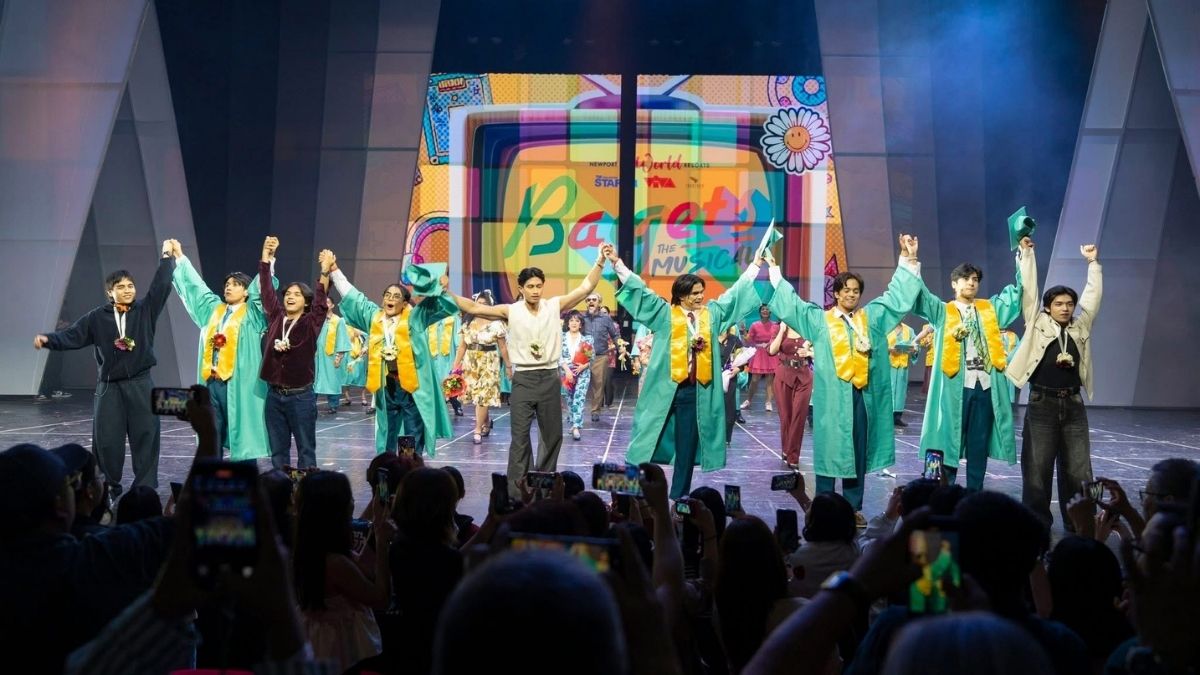


Growing up is the phase where most of the absorbing happens.
Childhood may plant the seeds, but adolescence—punctured by puberty—is where everything is taken in wholesale. As bodies change, so do expectations, restraint, bravado, feelings of desire and shame, and the myths surrounding masculinity and adulthood.
If adulthood is about unlearning harmful habits, then adolescence is often where those patterns first take shape.
Bagets: The Musical seeps in this premise well, even as it places its story squarely within an ‘80s, deeply heteronormative landscape where “manhood” is something boys are pressured to execute before they are ready.
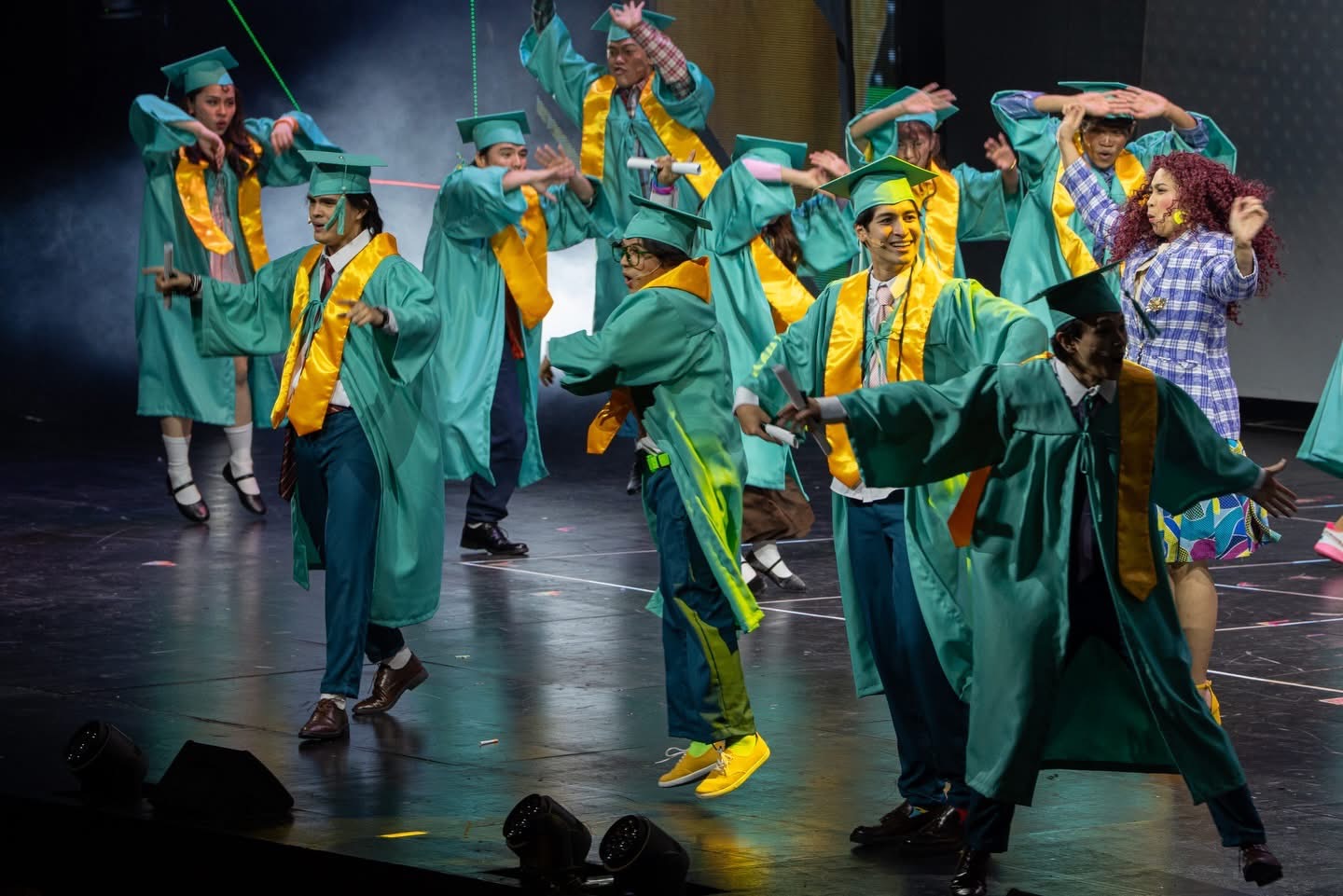
Watching Bagets: The Musical felt like revisiting a collective memory that many Filipinos inherited.
While not all of its elements land, the show’s emotional directness and barkada-driven ensemble work sustain it.
What stays with you after the curtain call is not nostalgia alone, but the realization that many of the pressures faced by the boys onstage remain disturbingly familiar today.
Read: From Screen to Stage: Bagets The Movie vs. Bagets The Musical
The Bagets Boys and the Whims of Boyhood
Early on, the musical introduces its five central characters, each representing a different facet of boyhood in 1984 Philippines.
Tonton, played by Milo Cruz with alternate Migo Valid, is the oldest, having already repeated fourth year high school.
Topee, played by Jeff Moses with alternate Sam Shoaf, channels his mommy issues into martial arts obsession.
Gilbert, played by Tomas Rodriguez with alternate Noel Comia Jr., leans into humor as a survival tactic.
Arnel, played by KD Estrada with alternate Ethan David, is the spoiled rich kid grappling with entitlement and class friction.
Adie, played by Andres Muhlach with alternate Mico Chua, embodies the romantic boy-next-door archetype, complete with a fixation on older women.
Each boy’s storyline illustrates how masculinity is socially enforced.
Tonton drags the group toward a massage parlor experience, pressured by peers and the myth that sexual initiation equals maturity.
Topee’s martial arts fixation echoes pop culture masculinity of the era, recalling The Karate Kid, which also premiered in 1984.
Gilbert’s circumcision storyline becomes one of the most memorable and uncomfortably funny numbers in the show, turning a culturally normalized rite of passage into a spectacle that exposes how pain and shame are often packaged as growth.
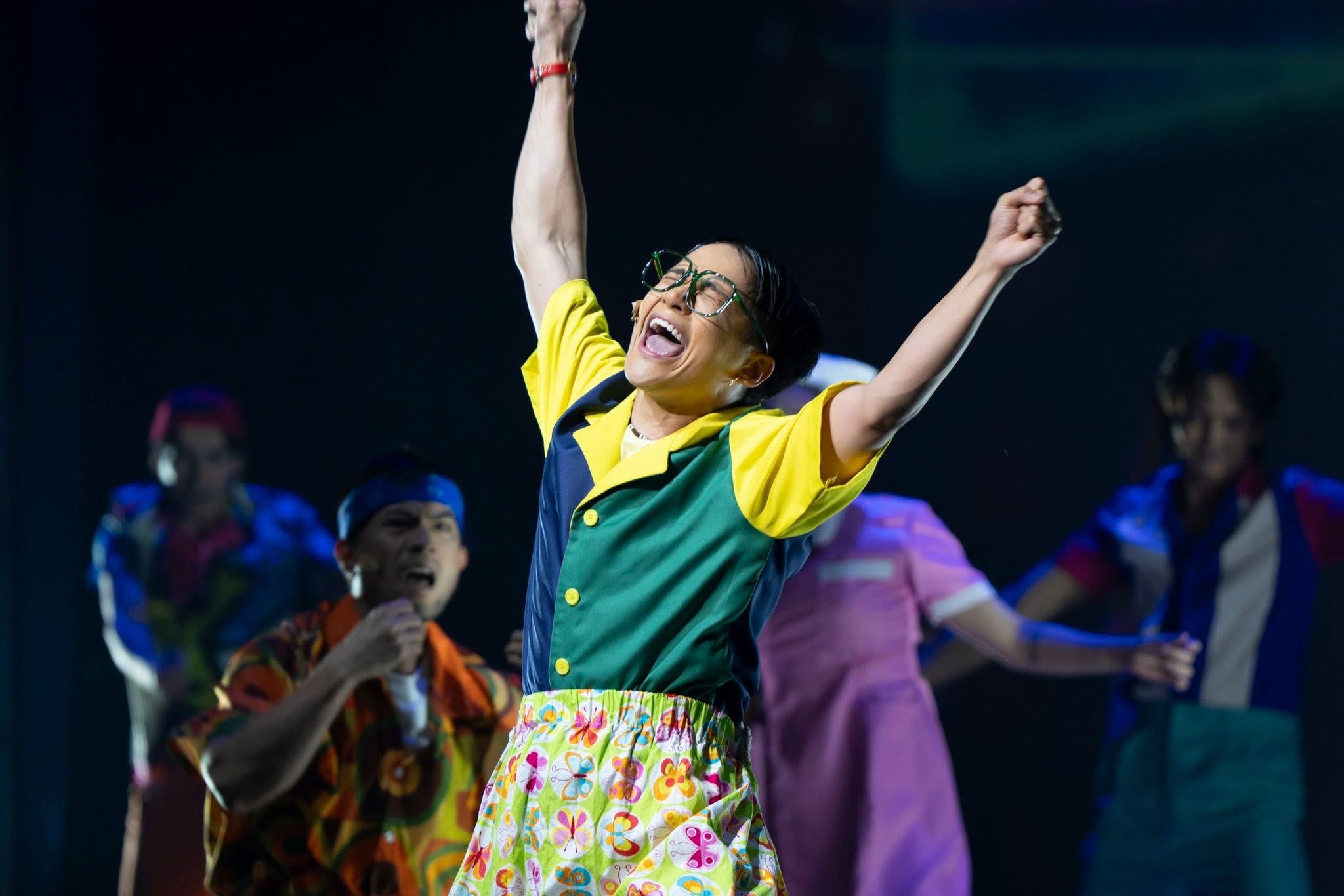
Arnel’s conflict arises from inter-class dating, with his mother’s attempt to “solve” the problem by throwing money at it remaining painfully recognizable.
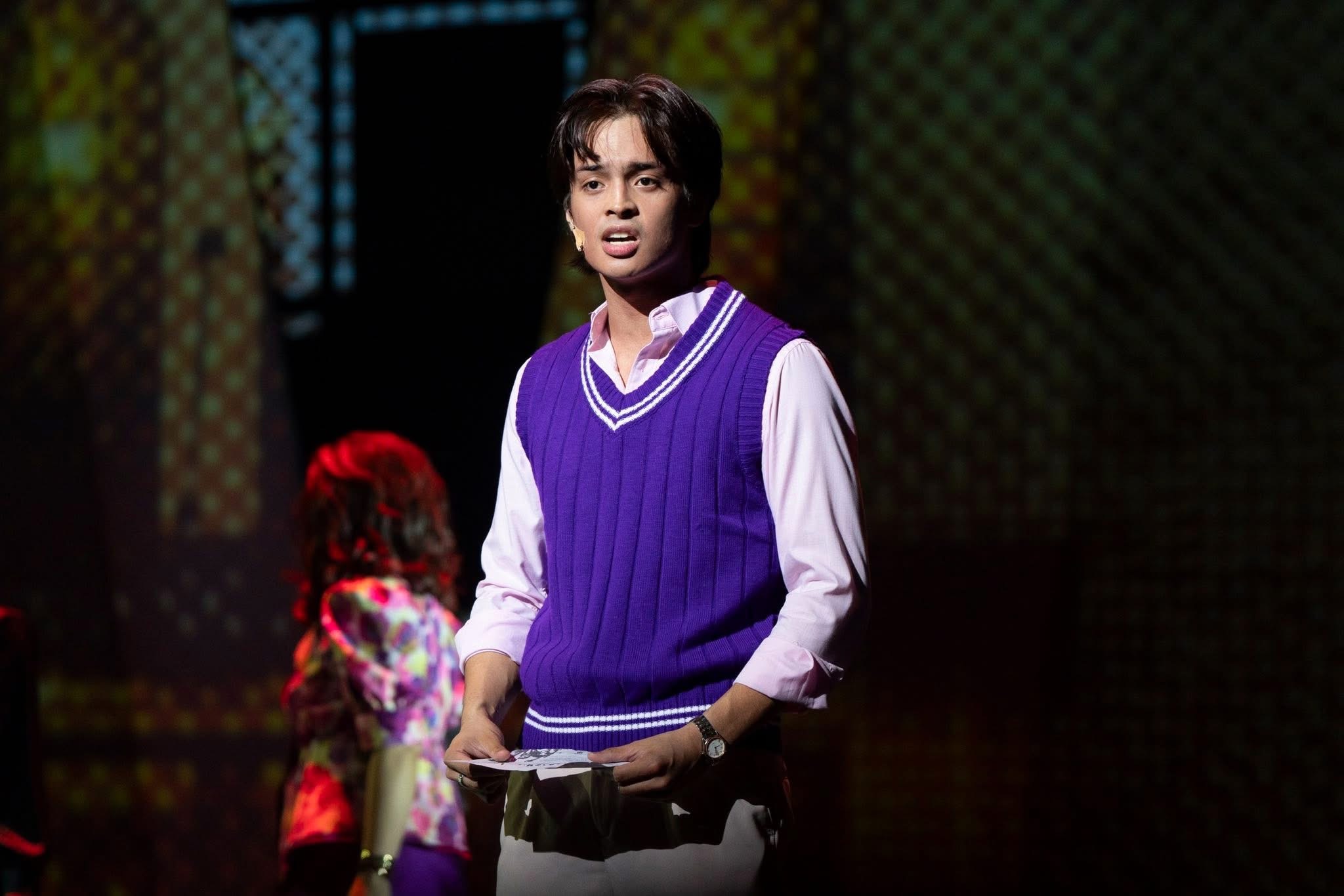
Adie’s infatuation with an older woman highlights how boys are encouraged to sexualize themselves early, while girls are often framed as moral gatekeepers or temptations.
All of them make room for illegal substances, driven by a warped idea of what “cool” is supposed to look like at that age.
These experiences are presented as “canon” moments in boyhood, but the musical smartly veers away from romanticizing them.
Instead, it repeatedly returns to the idea that adults—especially parents—shape how young people interpret these moments.
Communication, or the lack of it, becomes the most critical foundation for how the boys see themselves.
Mothers, Memory, and the Cost of Silence
As an adaptation, Bagets: The Musical knows where it wants to go with its source material.
The character arcs are clear, with each boy facing a distinct hurdle shaped largely by their home lives.
The story is at its strongest when it turns to parent-child relationships, particularly the mothers, whose lives intersect through mahjong sessions that double as informal group therapy.
Watching these conflicts surface and resolve one by one scratched an itch in my heart, with no moment pushed harder than it needed to be.
That said, latter parts of Act 2 feel slightly underdeveloped.
Some resolutions arrive too cleanly, leaving you wanting more space to sit with the consequences of the boys’ actions. The desire for closure rushes past the messiness that made the first act so compelling.
Musically, the score actively moves the story forward, while deepening the overall grip and weight of the momentum.
The number “Farewell” cuts especially close to home, underscoring the idea that recklessness is often mistaken for bravery during youth.
The show acknowledges that mistakes are inevitable, particularly for teenagers still learning the boundaries of their own agency.
Without spelling everything out, the song makes clear how easily recklessness can tip into loss, exposing how quickly a split-second decision can reshape everything that follows.
One of the production’s strengths lies in its licensed music. Classic ‘80s hits are cleverly reworked with new lyrics, grounding the story firmly in its era while keeping it accessible.
Ivy’s garden scene transforms into a whimsical number set to Torch’s 1983 version of “Build Me Up Buttercup,” complete with dancers dressed as flowers.
Songs like A-ha’s “Take On Me,” Madness’ “Our House,” Wham’s “Wake Me Up Before You Go-Go,” Industry’s “State of the Nation,” Ric Segreto’s “Loving You,” and even “Silent Night” are reimagined to serve the narrative.
Gary Valenciano’s “Growing Up” lingered long after the final bow, it gave my mom and I a full-blown case of last-song syndrome on the way home.
Performance-wise, the cast’s greatest strength lies in its sincerity.
The ensemble chemistry feels organic, never overly performative.
Milo Cruz and Jeff Moses impress as first-time theatrical actors, while Kakai Bautista delivers a grounded, affecting turn that challenges expectations shaped by her comedic reputation.
The mothers, collectively, are the emotional backbone of the show.
Delia, played by Kakai Bautista with alternate Natasha Cabrera, is Tonton's mom.
Ana, played by Neomi Gonzalez, is Topee’s mom.
Luz, played by Ring Antonio, raises Gilbert while juggling a buy-and-sell sideline.
Ditas, played by Mayen Cadd, is Arnel’s society matron mother.
Virgie, played by Carla Guevara-Laforteza, is Adie’s busy journalist mom.
Their portrayal resists the urge to idealize motherhood. Instead, the musical acknowledges that there is no parenting playbook; only women doing their best within the constraints of class, marriage, and social expectation.
Bringing Back the '80s
Under the direction of Maribel Legarda, the show moves at a pace that keeps audiences emotionally invested at the Newport Performing Arts Theater.
The storytelling is distinctly Filipino, inviting curiosity at every turn.
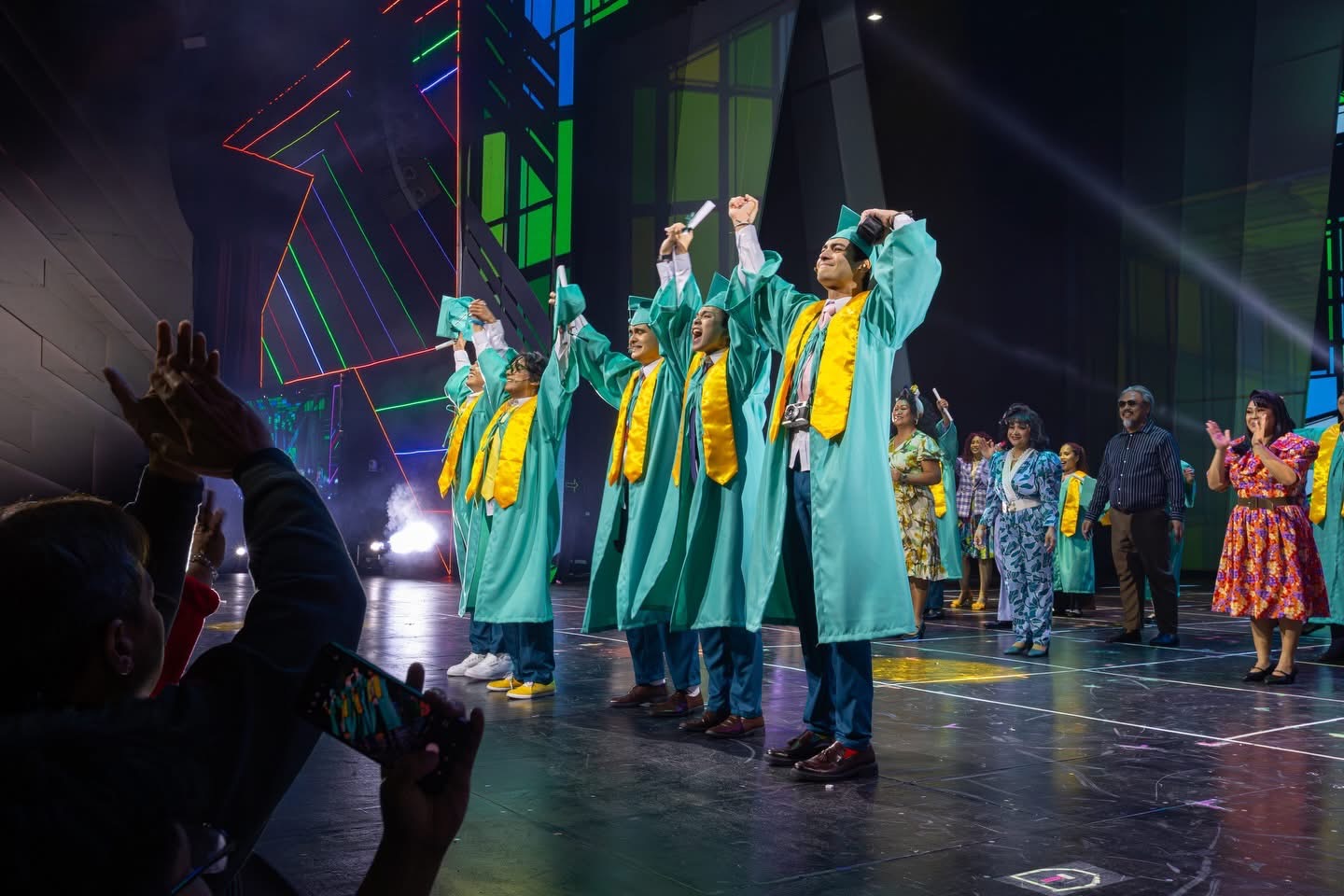
The narrative leaves room for unanswered questions: the fate of the sex education teacher, the looming shadow of the People Power Revolution, Janice’s activism played by Sam Marasigan, and whether these boys will truly unlearn the behaviors they’ve been taught.
Visually, the production relies on Ohm David’s modular set design, anchored by three towering two-storey structures constantly rearranged by an industrious stage crew.
These modules seamlessly transform from homes to discos, aided by Jonjon Villareal’s lighting and Bene Manaois’s video projections.
Two massive sliding panels create a chilling divide between spaces, used to startling effect during the accident scene.
At its core, Bagets: The Musical shows how growing up often means inheriting ideas no one taught you how to question.
It reminds you how early certain lessons are learned, how hard they are to undo, and how rarely the burden of those lessons falls where it should.