
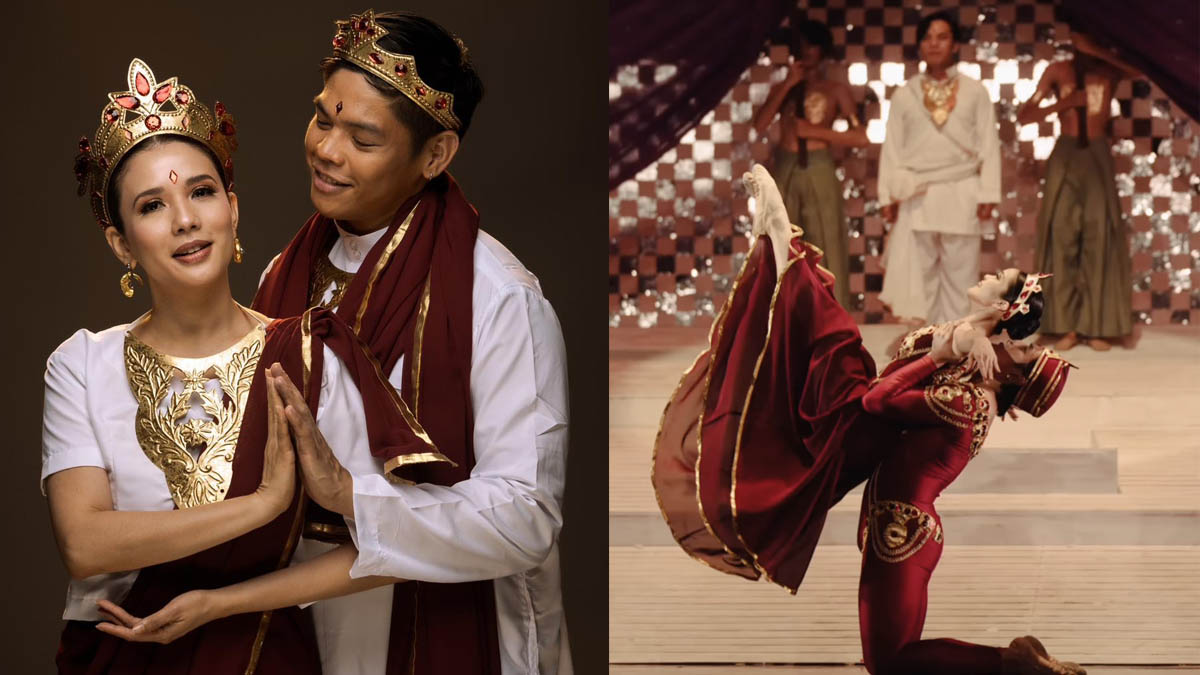

The Rama, Hari rock opera ballet, which was first staged on February 8, 1980, is a blend of Filipino and Indian cultures and holds a special place in Filipino heritage.
I had the privilege of attending the first staging of Rama, Hari, featuring the remarkable talents of Basil Valdez, Kuh Ledesma, and Leo Valdez, held at the CCP Main Theater.
Why Rama, Hari matters in Filipino culture
Universal Values
Rama, Hari's tale of love, duty, loyalty, and the battle between good and evil resonates with Filipinos of all ages.
These values are deeply cherished in Filipino society.
Cultural Education
Rama, Hari educates Filipinos about India's rich heritage and epic stories. It promotes cultural exploration and strengthens understanding between the two nations.
National Artistry
Rama, Hari has produced five National Artists who excel in their respective fields: Myran Etorsa for music, Alice Reyes for dance, Bienvenido Lumbera for literature, Salvador Bernal for theater and design, and Rolando Tinio for theater and literature.
In essence, it is more than just a rock opera ballet, it's a cultural bridge that celebrates shared values, educates, and unites people from different backgrounds.
WHY Rama, Hari is A Theatrical Gem You Can't Miss
Set Design and Costumes
The production has maintained a close connection to its original vision, a fitting tribute to Badong Bernal's sacred work.
The fusion of Indonesian and Malayan-inspired motifs, such as leaves cleverly doubling as trees, vividly emphasizes the ancient reverence for nature in Asian culture.
Additionally, the subtle incorporation of frangipani and hibiscus-like flowers, symbolizing strength in the face of adversity, adds a layer of hidden meaning that enriches the artist's interpretation.
The costumes for both singers and dancers feature basic white Indian-inspired garb, enhanced by intricate gold trimming designs.
The simple yet striking silhouettes are a beautiful contrast to the vibrant shades of red, blue, and green.
They not only add visual allure but also serve as effective visual cues, allowing the audience to easily identify the characters from a considerable distance.
CAST
Rama, Hari’s new cast Karylle, Arman Ferrer, Poppert Bernadas, Audie Gemora, Jon Abella, Miah Canton, Katrine Sunga—together with guest musical director Toma Cayabyab, Opy Orchestra of the Philippine Youth, Alice Reyes Dance PH—is fortunate to step into the shoes of these mythical characters from ancient times.
Read:
Audie Gemora wants to end cycle of making celebrities the selling point of theater plays
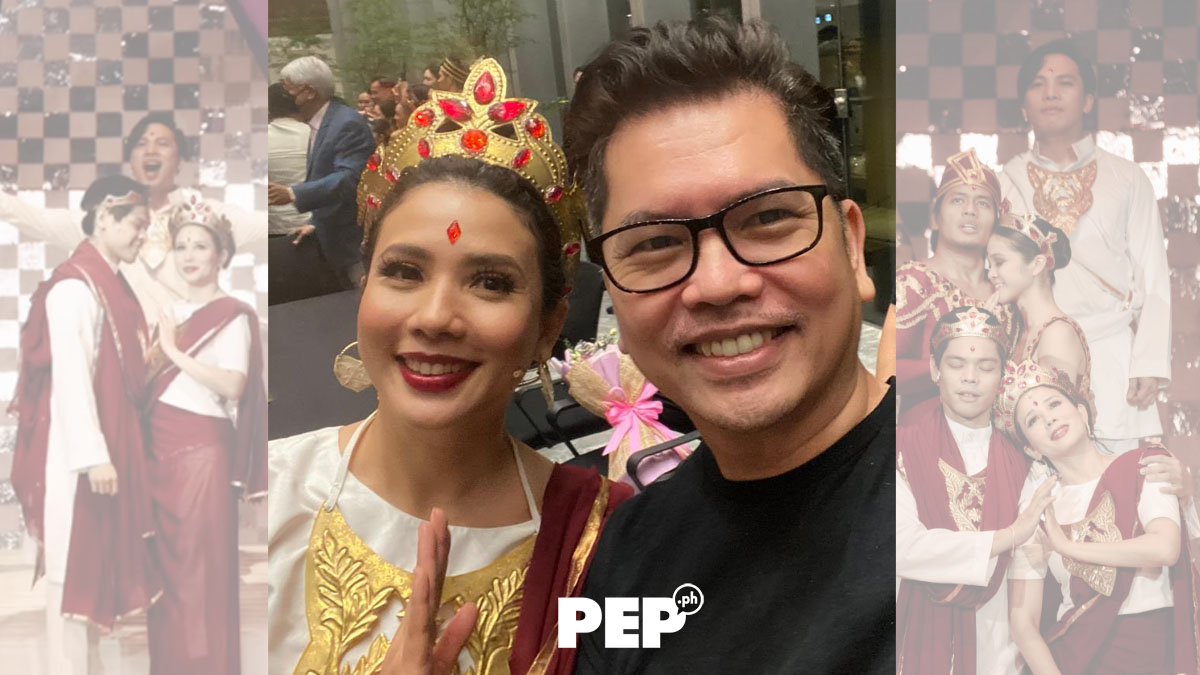
Karylle, who plays Sita, is a standout.
In the poignant moments before her song "Magbalik Ka Na," when she declared, "Kung ayaw kumilos ang lalaking duwag, ako ma'y babae, ako ang haharap," she skillfully and bravely infuses a high note of women's empowerment.
Her performance delicately balances frustration with a willingness to make self-sacrifices for the journey, a moment unlike any I've witnessed in other portrayals of Sita.
Arman Ferrer and Poppert Bernadas are relatively new to the stage, but they both hold immense promise as the future leading lights of Philippine Theater.
Arman's voice is perfectly suited for Rama, and successfully captures the character's emotional highs and lows.
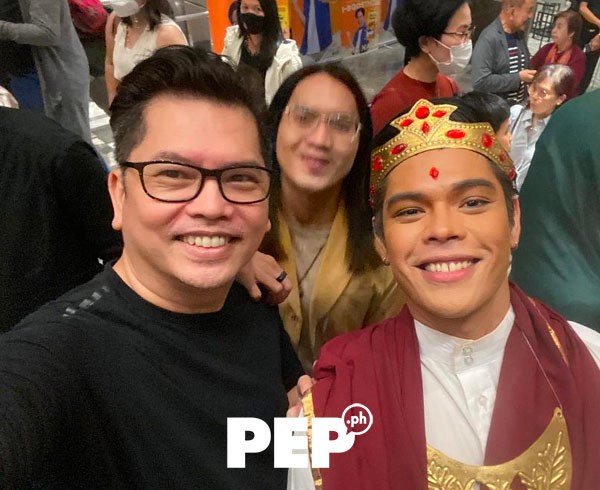
Poppert, who plays demon king Ravana, flawlessly sustains his high notes despite feeling under the weather that evening.
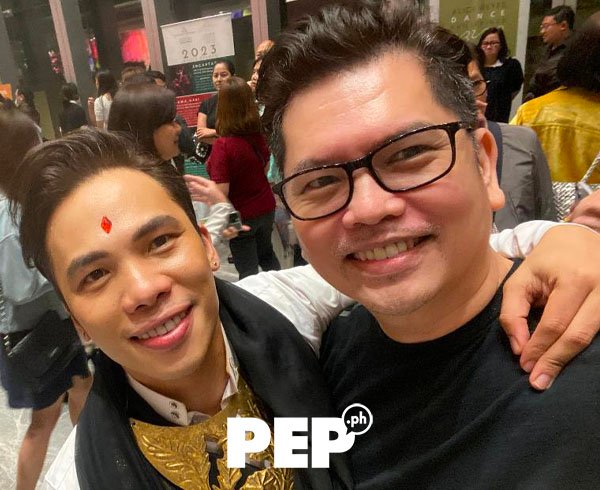
Also worthy of mention are the Alice Reyes Dancers, which brims with unmistakable passion and energy; Toma Cayabyab & The Youth Orchestra, which delivers a swift, lively, and energetic performance.
Overall, blending an aura of antiquity with an irreverent retro ‘70s flair in today’s vocal styles, their performance certainly deserves a standing ovation.
Rama, Sita's staging happens at the Samsung Theater.
According to National Artist for Dance Alice Reyes, there will be a rerun in February 2024.