

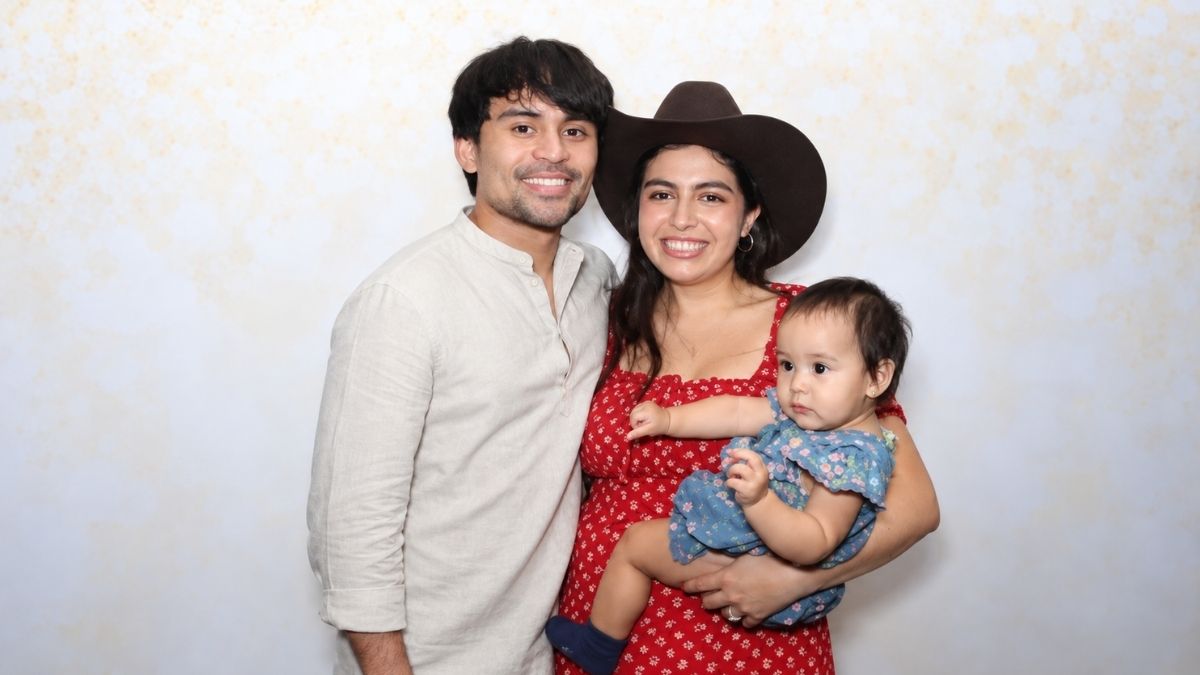


Carolina Pimentel Pacquiao wants her daughter, Clara Pacquiao, to grow up appreciating both her Filipino and Mexican heritage.
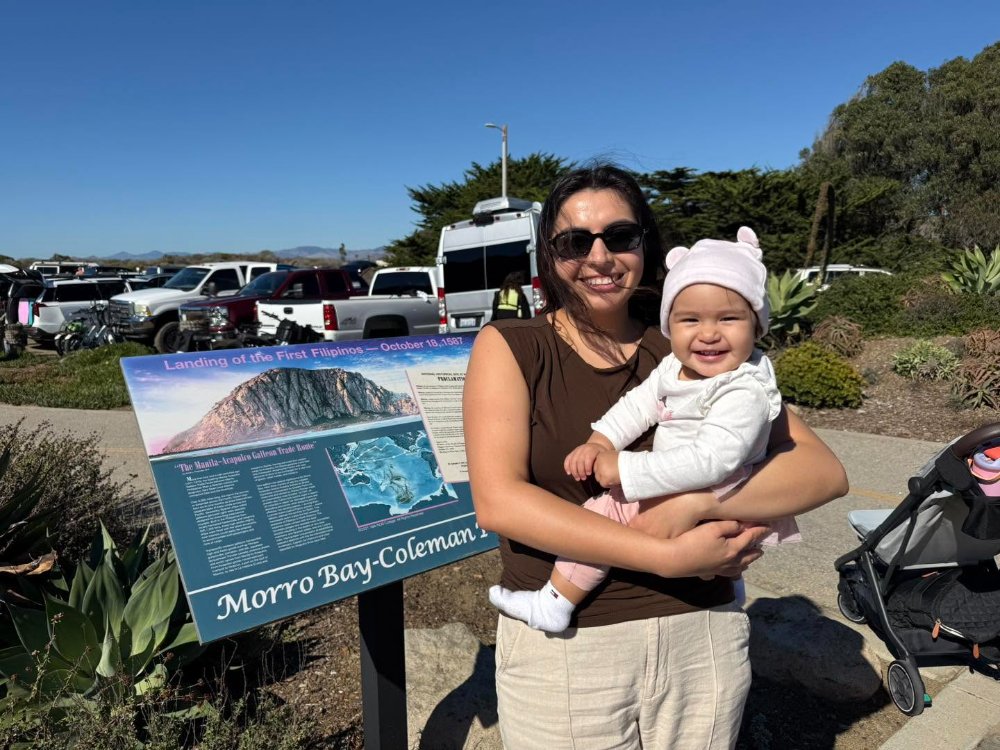
The wife of boxer Jimuel Pacquiao shared this sentiment in an Instagram post on October 26, 2026, featuring photos of herself with Clara at Morro Bay-Coleman Park in California, USA.
Carolina wrote in her caption: "Being the mother to a Mexipina, it is very important to me that she learns the history of both sides of her identity.
"Both cultures have such rich and beautiful stories that have shaped our families and will carry on with her."
The photos showed Carolina holding Clara in front of a historical marker commemorating the recorded presence of Filipinos along California's central coast in 1587.
Read: Jinkee Pacquiao excited to meet grandchild from son Jimuel
Carolina Pimentel Pacquiao visits historical site with daughter Clara
Carolina looked relaxed in a sleeveless brown top paired with beige trousers. She completed her outfit with dark sunglasses as she smiled for the camera while holding Clara in her arms.
Baby Clara, meanwhile, looked cheerful in a white long-sleeved top paired with pink bottoms. She also wore a pale pink hat with bear-like ears and white socks.
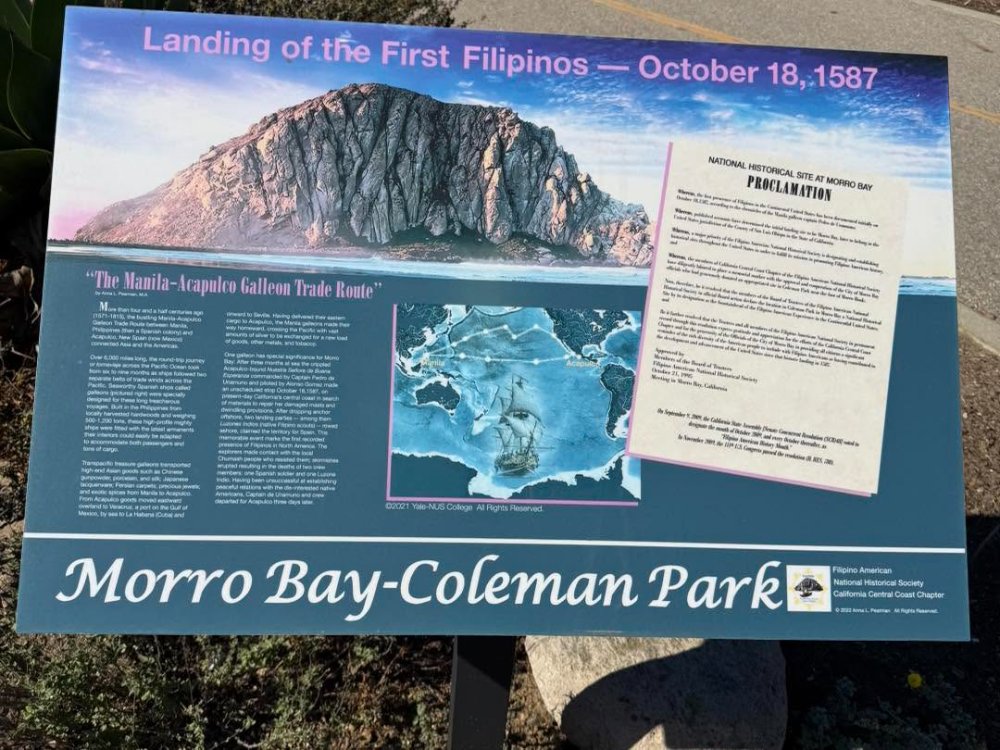
Beside the mother and daughter is a park sign showing an illustration of Morro Rock along with information about the Manila-Acapulco Galleon Trade Route.
In her post, Carolina highlighted her desire to introduce Clara to the history behind her family background as she grows up.
Read: Jimuel Pacquiao welcomes baby with non-celebrity partner
What is the historical significance of Morro Bay-Coleman Park?
The historical marker at Morro Bay-Coleman Park commemorates an event dated October 18, 1587, when a Spanish galleon called Nuestra Señora de Buena Esperanza stopped along California's central coast.
According to the marker, the vessel had sustained damage during its voyage from the Philippines to Acapulco, then part of New Spain.
Captain Pedro de Unamuno commanded the ship, while Alonso Gomez served as its pilot.
After anchoring offshore, two landing parties went ashore to search for supplies and materials needed to repair the vessel.
The marker identifies some members of these parties as Luzones Indios, referring to native Filipinos from Luzon.
It also documented the first recorded presence of Filipinos in North America.
The visit also connects to the history of the Manila-Acapulco Galleon Trade, which linked the Philippines with Mexico for more than two centuries, from 1565 to 1815.
The transpacific trade route facilitated the exchange of goods between Asia and the Americas during Spanish colonial rule.
Coleman Park is a waterfront park in Morro Bay, California, known for its views of Morro Rock and the surrounding bay.
The historical marker offers visitors an opportunity to learn about the Filipino presence in the region.
For Carolina, sharing this history with Clara is part of helping her daughter appreciate the heritage she inherits from both sides of her family.
Read more: