

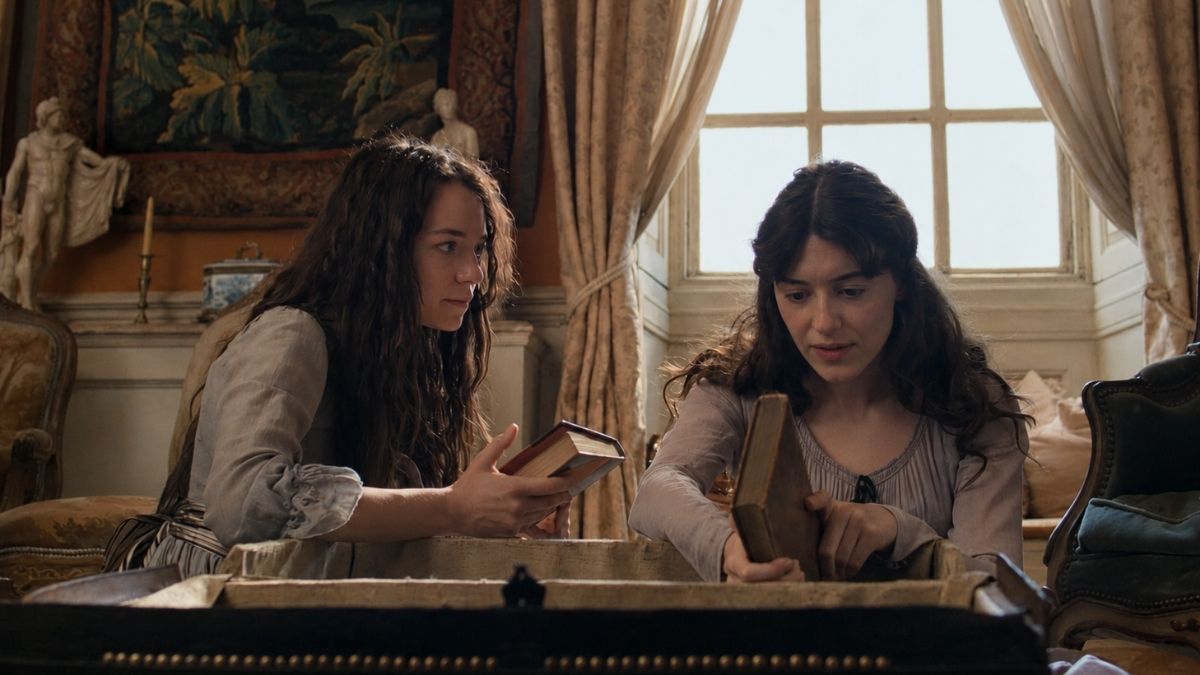


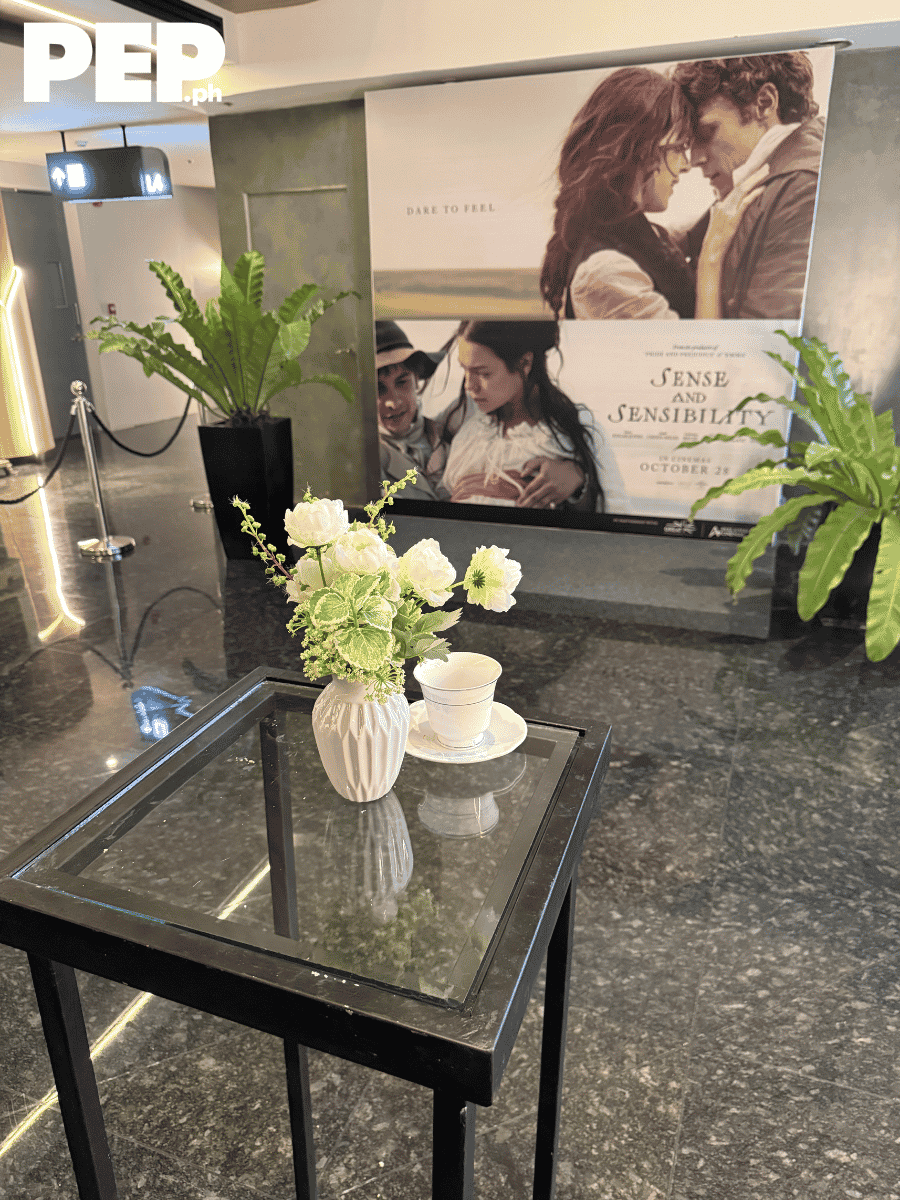
Gentlemen in black suits from the British Embassy Manila mingle around cocktail tables as we wait for the doors to open for an advance screening of Jane Austen's “Sense and Sensibility” on October 20, 2026, at Greenbelt 3 in Makati City.
The occasion is UK-Philippines Friendship Day, marking 80 years of diplomatic relations between the two countries.
One of Britain's brightest literary gifts, as it were, is being shared with us through a new film adaptation of Austen's beloved novel.
Read: PH Embassy cautions Filipinos against false J-1 visa promises by illegal recruiters
I must confess that unlike Chargé d'Affaires Michael Edward Welch, who shared that he studied Pride and Prejudice at 16, I was never one to take a fancy to the romance genre, much less Jane Austen.
I had always regarded her works as products of their time, written before first-wave feminism and shaped by the social conventions that governed women's lives.
True enough, Sense and Sensibility makes those constraints apparent.
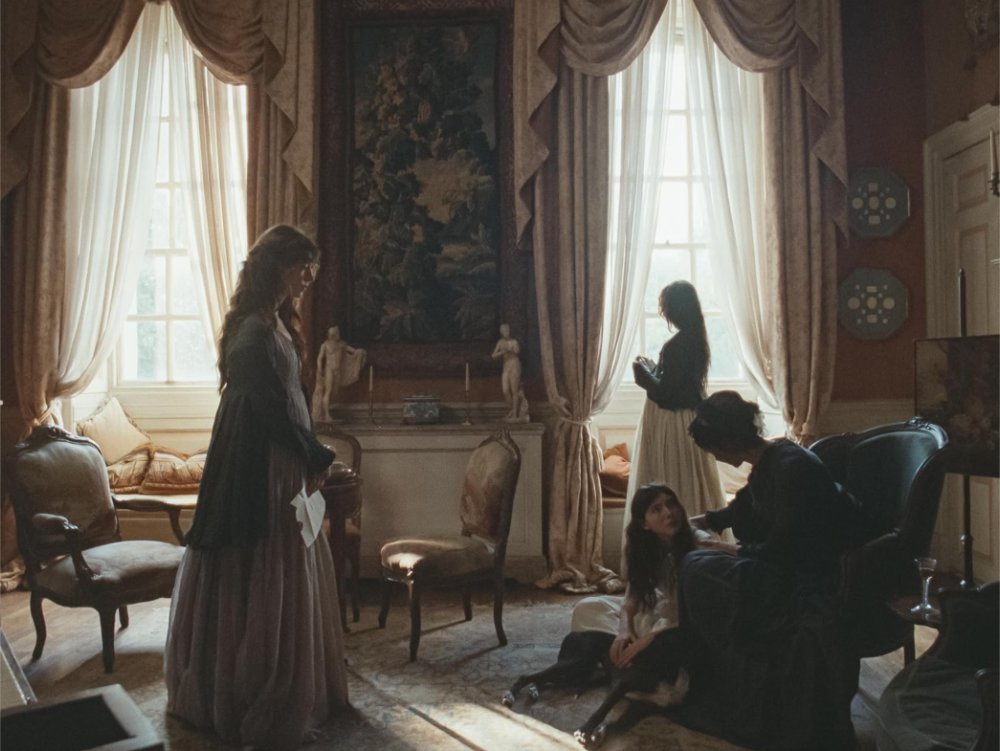
The Dashwood women lose their home and financial security following the death of their patriarch, leaving them dependent on the goodwill of relatives and the prospect of advantageous marriages.
Their circumstances expose the vulnerability of women whose futures are so heavily determined by inheritance, wealth, and the men around them.
What I failed to consider, however, was the might of female solidarity.
It is no secret that it is a rich man's world, if not a man's world altogether.
Watching these women contend with a society that offers them so little control over their own lives made me wonder how our sisters before us endured such circumstances.
How else but through the confidence and company of one another?
The women in Sense and Sensibility revel in one another's courtesies, celebrate one another's triumphs, and share in one another's agonies.
They may not always agree, and their approaches to life may be worlds apart, but they remain a source of comfort and strength for one another.
Read: Royal Milestones: Prince George starts at Eton, Princess Leonor begins university
It made me appreciate more deeply the gift of my own mother and sisters. My crises in life would have been close to unbearable without them.
We do not always approach our problems in the same way, but there is a familiarity in our struggles that makes understanding possible.
Sometimes, we do not even need to agree to know that we are there for one another.
THE DASHWOOD SISTERS
Elinor Dashwood, played by Daisy Edgar-Jones, is a pragmatist who meets uncertainty with reason.
She is the realist who wants to understand what has happened, why it happened, and what can be done about it. I understand her, perhaps a little too much.
I tend to think logically, sometimes to the point that I might be mistaken for being calculating; although I suspect it has less to do with calculation than vigilance.
There is comfort in trusting one's principles, knowing what one stands for, and refusing to abandon those convictions simply because the heart wants something else.
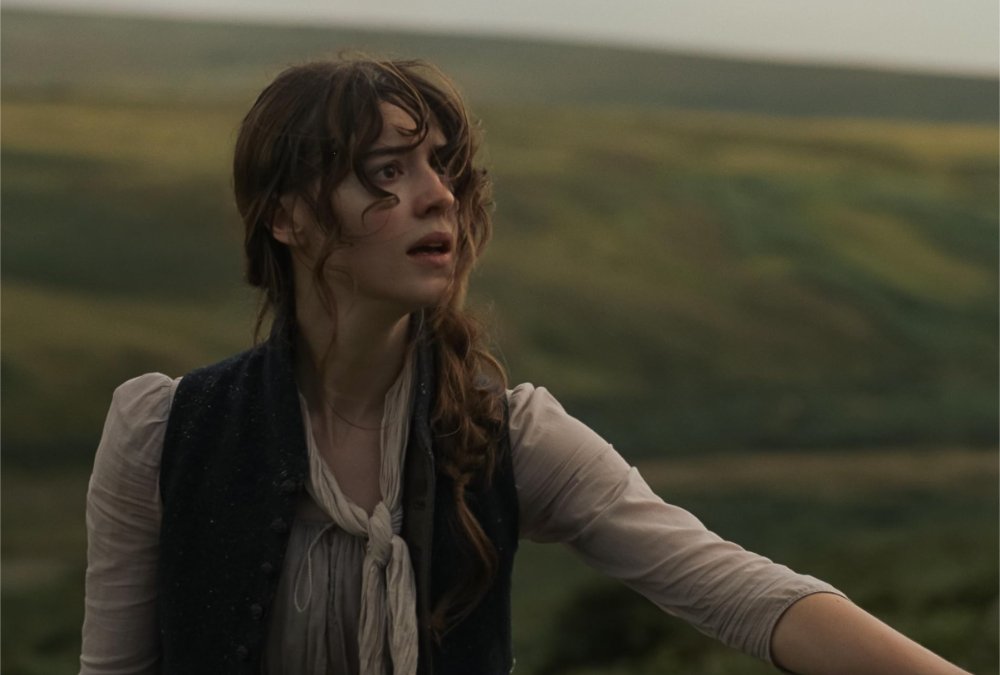
Marianne Dashwood, played by Esmé Creed-Miles, offers a contrasting philosophy.
She is an idealist who embraces life's capacity to surprise us, holding fast to the beauty of passion and the possibility of true love.
Where Elinor seeks security in what she knows, Marianne remains hopeful about what life might yet offer.
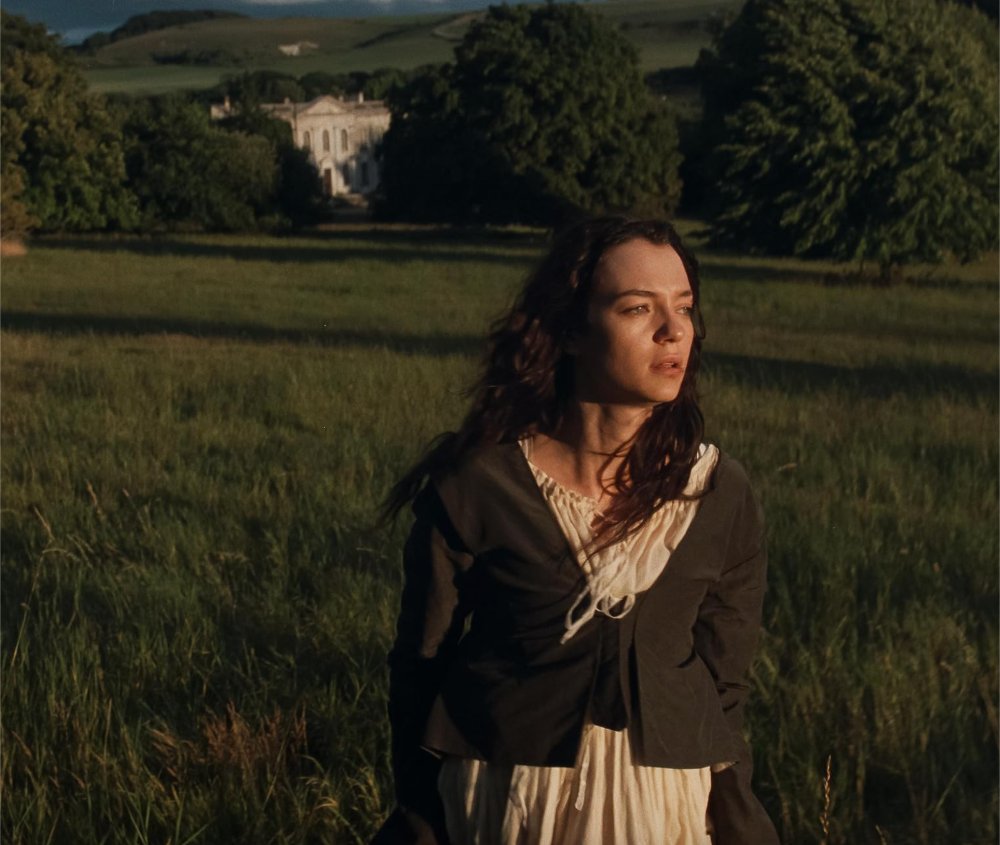
Among Jane Austen’s many appealing qualities comes in how her stories leave room for both women: the one who holds fast to her principles and the one who refuses to surrender her belief in love.
Their happy endings may feel a little too convenient, but that could just be part of the bargain. There is a demand for fiction to reward the things we struggle to preserve in real life.
Read: Love Forecast: What the Fire Horse means for your animal sign
Still, the romance itself did not move me as much as I expected. What stayed with me instead was the women who surrounded the love stories.
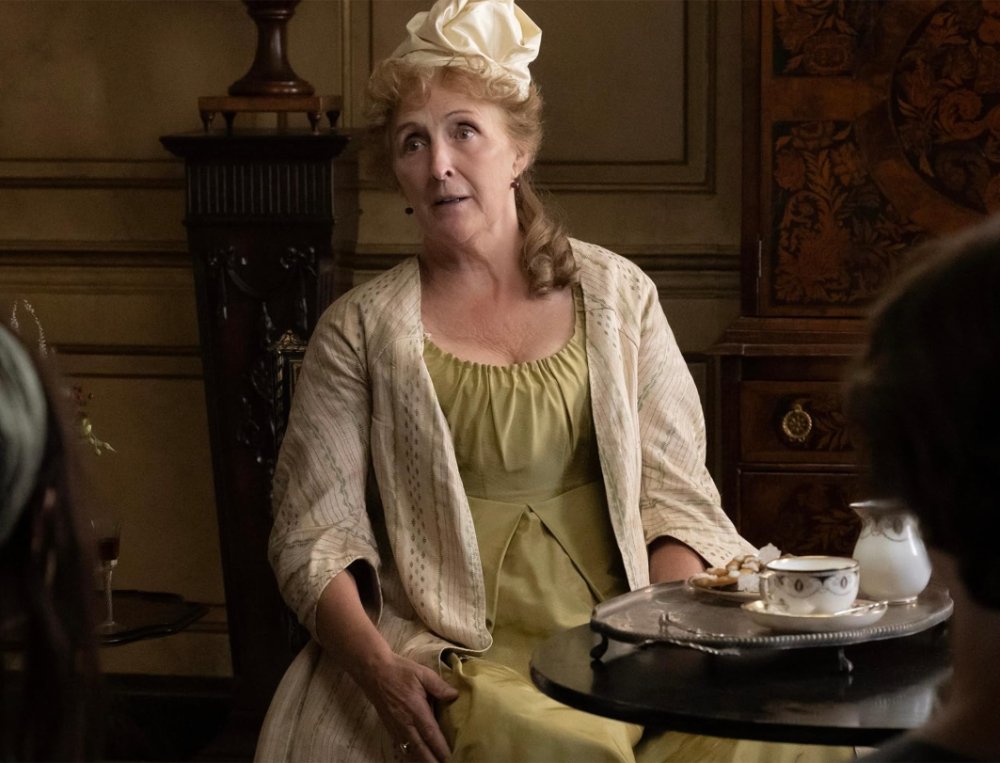
There is Mrs. Jennings, played by Fiona Shaw, an absolute joy of a woman whose wit, generosity, and exuberance make her impossible to dismiss.
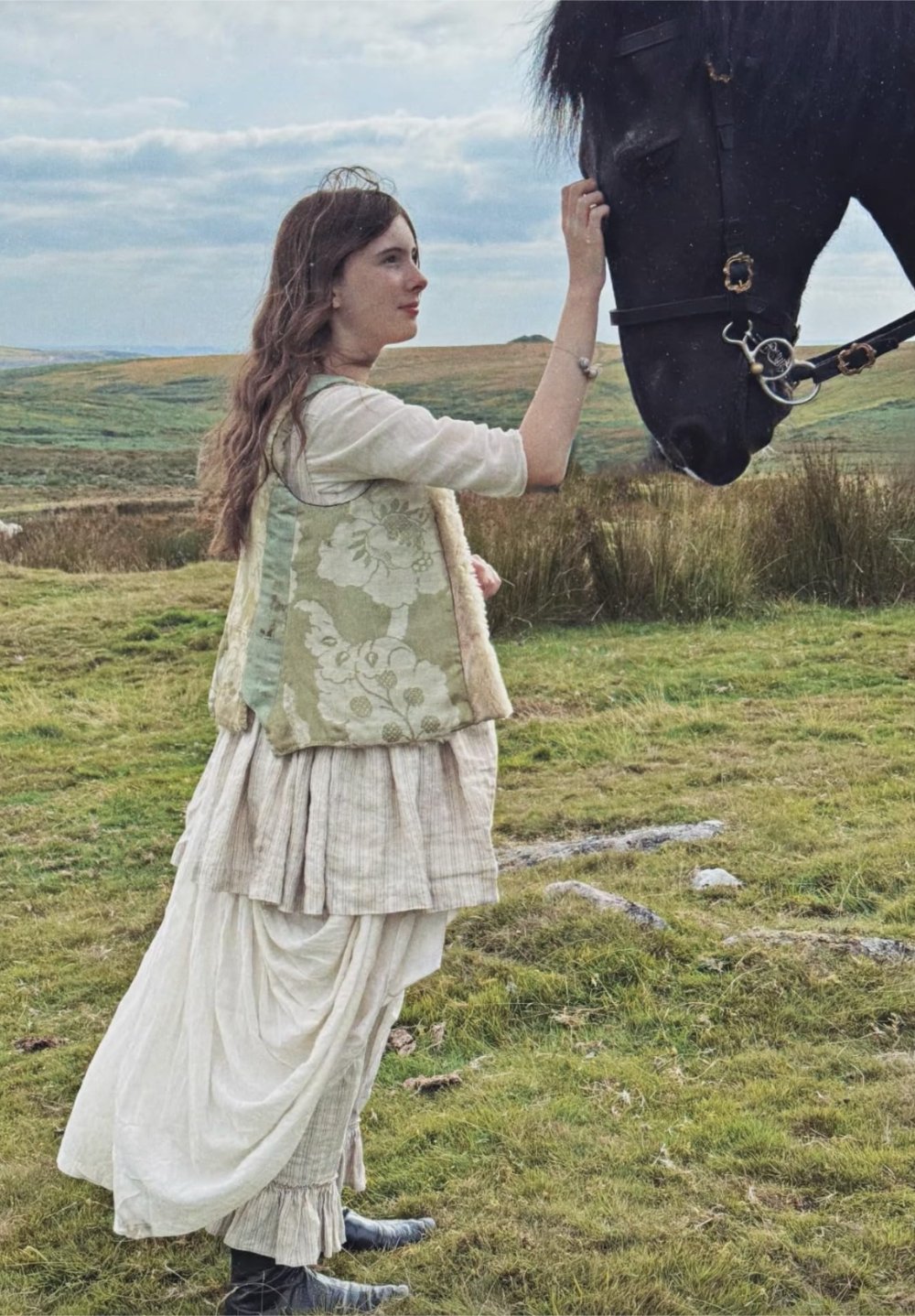
There is the youngest sister Margaret Dashwood—played by Bodhi Rae Breathnach—a firecracker of a girl whose innocence doesn't keep her from being nimble and curious.
Finally, there is Mrs. Dashwood, played by Caitríona Balfe, whose devotion to her daughters holds their family together through uncertainty.
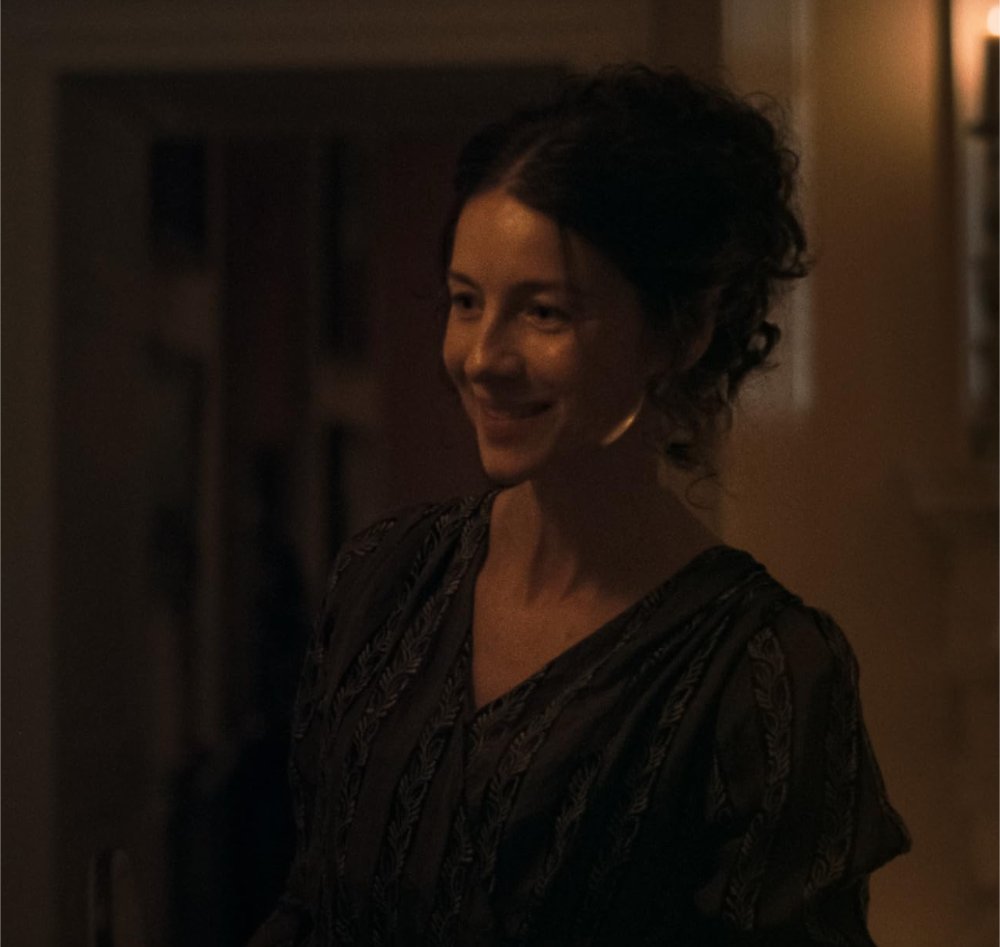
Each woman offers something different, whether it is wisdom, companionship, encouragement, or simply someone willing to listen.
A REFLECTION OF TODAY
Their relationships remind us that solidarity does not require sameness.
We can think differently, love differently, and respond to hardship differently while still recognizing something of ourselves in the women beside us.
The story unfolds in the 1790s, yet the bonds between sisters, mothers and daughters, and women who become friends remain familiar.
We continue to exist within systems that do not always favor us, and continue to lean on the people who understand the struggles we carry.
Who else might recognize our hurts as intimately as those who have endured them alongside us?
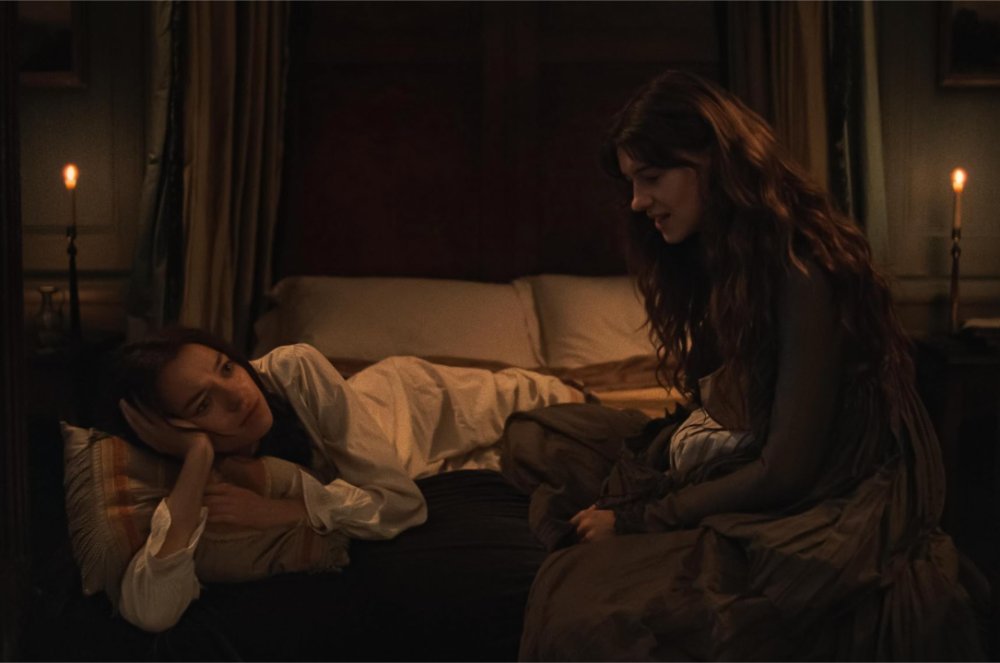
Towards the end, something that struck me the most was how similar dating dynamics can be from all the way back to the 1790s: situationships.
Gen Z may have coined the term, but John Willoughby seems to have perfected the concept centuries before us.
Marianne's line about their supposed engagement, "It was every day implied, but never professedly declared," will haunt me forever.
Read more:
- SKL, Gen Z slang terms you need to know
- Why does Prince William prohibit his kids from having phones?
- Corded landline phone, going obsolete? Wait, Gen Zs go gaga over it
- Charlie and The Chocolate Factory: The New Musical has Gen Z touch
- Gen Z TikToker gets real about challenges of job hunting
- Bagets: The Musical taps into youth, music, and nostalgia
- Homeless Gen Z doesn’t pay rent for being hot and pretty