



Facing decades of the country’s shifting tempers, two-time Senate President Juan Ponce Enrile moved through one national fever pitch after another.
There were moments of galvanic shock that reshaped the state, and there were those that exposed how power tries to cut corners when its grip weakens.
At times, the scale of his influence took on an almost epitaphic weight, hinting at how each era might ultimately judge him.
That long arc has now reached its final phase.
Here are Juan Ponce Enrile’s seven political “lasts.”
Read: The long shadow of Juan Ponce Enrile in Philippine politics
JUAN PONCE ENRILE'S 7 POLITICAL LASTS
Last speech as Senate President
On June 5, 2013, in a privilege speech delivered on the final day of the 15th Congress, Juan Ponce Enrile (JPE) announced his resignation as senate president, framing it as an act of “personal honor and dignity.”
The speech came after months of bruising controversy over alleged misuse of senate funds, internal disputes over office budgets, and public criticism that had weakened both his leadership and his standing with colleagues.
The speech came after months of bruising controversy over the alleged misuse of senate funds, internal disputes over office budgets, and public criticism that had weakened both his leadership and his standing with colleagues.
JPE opened by acknowledging the results of the 2013 midterm elections and the political blowback he believed had affected his son’s failed senate bid.
He accused unnamed senators of deliberately targeting him during the campaign season, saying he had been subjected to “virulent personal attacks” and left to defend the institution alone.
“As your leader, I never shirked from the responsibility to defend my actions and decisions, the honor of the senate and that of my colleagues.
“I carried the whole brunt of the public’s ire over the infamous “one-page certification”- the prevailing system of liquidation of our operating budgets as senators—which was neither my creation nor invention.
“I carried the brunt of four of my colleague’s anger and displeasure over not receiving what they felt they were entitled to as their share of the savings of the senate.
“No one bothered nor cared that I, too, did not receive the same amount that I had approved for the rest.
“I suffered the anger of the public as the media branded all that I had authorized for release to the senators’ offices last December as my personal “CASH GIFTS” no matter how hard I tried to explain the nature of these disbursements from the senate’s coffers and my own office’s savings.
“Senator Lacson, as chairman of the committee on accounts, and I took the position that if we were to be sensitive to the public pulse, and with the agreement of both houses of congress, we should revert to the old system of liquidating and accounting for each centavo of public money entrusted to us.
“Save for a few, my colleagues chose to keep their distance and silence as I was publicly pilloried and crucified.”
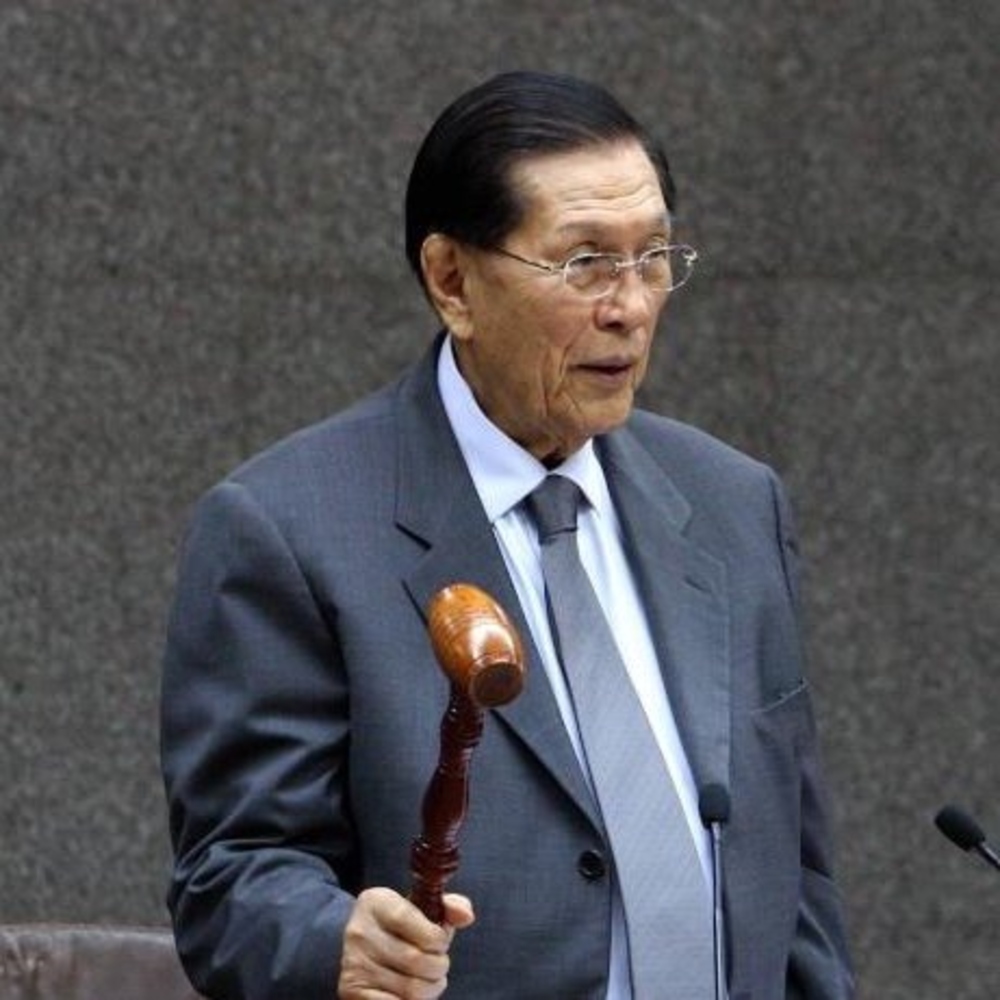
He criticized colleagues who, he said, abandoned him publicly while expressing private worries in caucus, and noted that calls to replace him as senate president had begun even before the votes were fully counted.
He emphasized that he knew when it was time to step aside, declaring, “I can still see and read clearly the handwriting on the wall.”
He rejected the idea of becoming “anyone’s scapegoat and everyone’s whipping boy”.
He refused to “lend [his] hard-earned name as a convenient refuge to those who cannot face the public.”
And, he insisted the senate must uphold its own integrity: “The Senate neither begins nor ends with Juan Ponce Enrile.”
JPE closed by resigning outright: “As a matter of personal honor and dignity, I hereby irrevocably resign as senate president.”
The speech ended with gratitude to the colleagues who stood by him in “rough waters” and a final blessing for the Senate and the country.
Read: Juan Ponce Enrile ipinagluksa ng ilang celebrities kahit buhay pa
Last bill he authored
By the time Juan Ponce Enrile filed his final bill in the Senate, he was already deep into his fifth and last term as senator.
His legislative track record was heavy with landmark laws: Comprehensive Tax Reform Law of 1997, Philippine Competition Act, Human Security Act of 2007.
He presided as well over the passage of major laws during his senate presidency, including the Expanded Senior Citizens Act, CARPER, the Anti-Torture Act, and the Anti-Child Pornography Act.
Against that long legislative résumé, his final bill was focused on historical recall.
On October 15, 2015, during the Third Regular Session of the 16th Congress, Enrile filed Senate Bill No. 2993, classified as a national-scope Senate Bill and logged as Session Sequence No. 34.
It carried the lengthy formal title “An Act Declaring the Department of Education to Integrate the Historical and Analytical Account of the Philippine’s Rescue of Jewish Refugees in the 1930’s as Part of the Coverage of Philippine History Subject Taught to Grade 5 and 6 Students in All National and Regional Schools in the Country and for Other Purposes.”
Its short title distilled that purpose more clearly: “Inclusion of Jewish Rescue Subject in Philippine Curriculum.”
SB 2993 directed the Department of Education—specifically within the scope of curriculum development—to preserve a humanitarian chapter, and to position it within the analytical framework of how the Philippines responded during a global crisis.
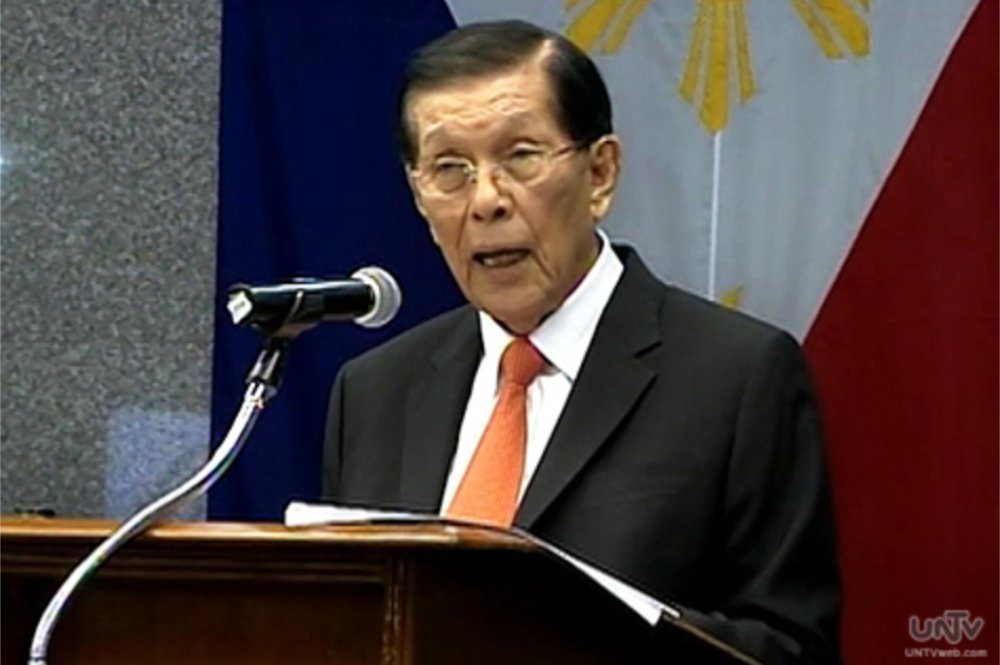
The bill was filed by Enrile himself, with its text uploaded and archived on the senate website under the Legislative Digital Resources system.
Despite its intent to codify this historical narrative into basic education, SB 2993 never progressed past its initial stage.
It was officially marked “Pending in the Committee” as of April 11, 2015, and remained there until the end of the Congress, leaving the proposal untouched, unacted upon, and without committee consolidation.
Read: Juan Ponce Enrile's 100th Birthday Memes Excitement
Last election he ran
After completing his final senate term in 2016, JPE stepped away from electoral politics for a time.
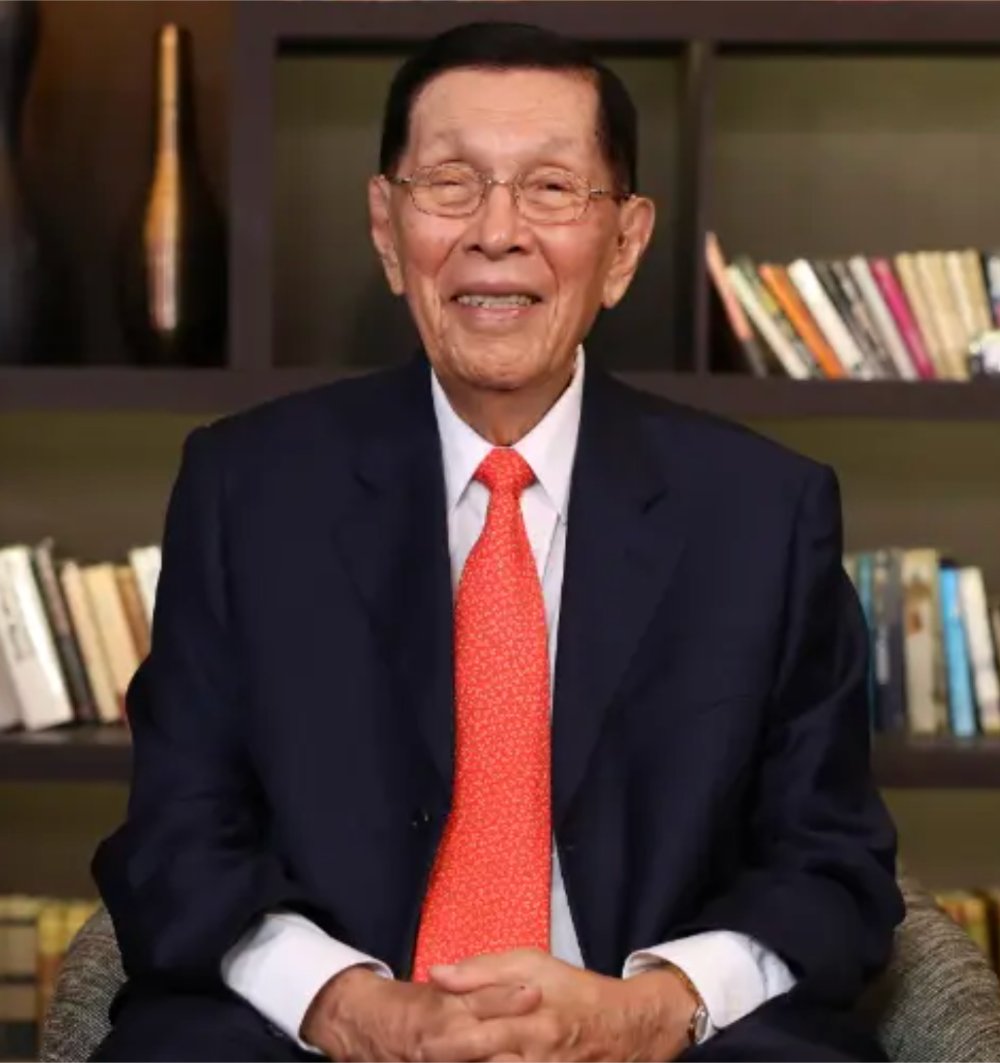
His last attempt to return to the chamber was in 2019, when he ran as an independent candidate in a crowded 62-person senatorial race.
It was a long-shot comeback bid from a figure who had once dominated national politics.
JPE ultimately placed 22nd, far from securing a seat and marking the quiet end of his electoral career.
The 2019 senatorial race stands as the last election he ever ran before his retreat from seeking public office.
Last congressional hearing appearance
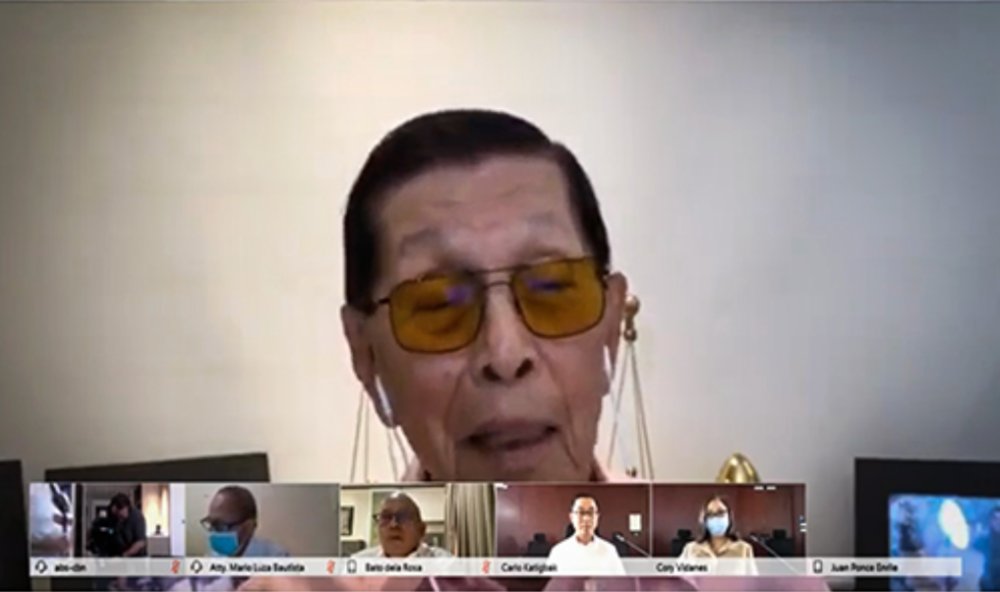
JPE’s final appearance in a congressional hearing came on June 17, 2020, when he joined the house inquiry into ABS-CBN’s bid for a new 25-year franchise.
He attended via video conference as the committees on legislative franchises and good government held their joint session under a hybrid set-up during the COVID-19 pandemic.
Lawmakers invited him as a resource person, with Anakalusugan Representative Michael Defensor arguing that JPE could “shed light on the history of ABS-CBN” because he had first-hand knowledge of the network’s fate under Martial Law.
Defensor noted that JPE, as part of the Marcos administration, had executed the sequestration order that placed ABS-CBN and other broadcasting companies under government control in 1972.
ABS-CBN’s counsel countered that the Lopez family never legally lost ownership, emphasizing that the shutdown did not transfer title to the state.
During the hearing, JPE warned against granting a temporary franchise for the network, saying it risked “emasculating” the Constitution.
He urged lawmakers to deliberate directly on a full 25-year franchise instead, arguing that such grants require “permanence” rather than stopgap measures.
He also pointed to ABS-CBN’s pending case before the Supreme Court, cautioning that an adverse ruling could complicate any legislative action.
Read: Jack Enrile's side of the story on Alfie Anido's death in December 1981
Last political endorsement
JPE’s last recorded endorsement came in 2022, three years before the 2025 midterm elections in which he chose not to back any candidate.
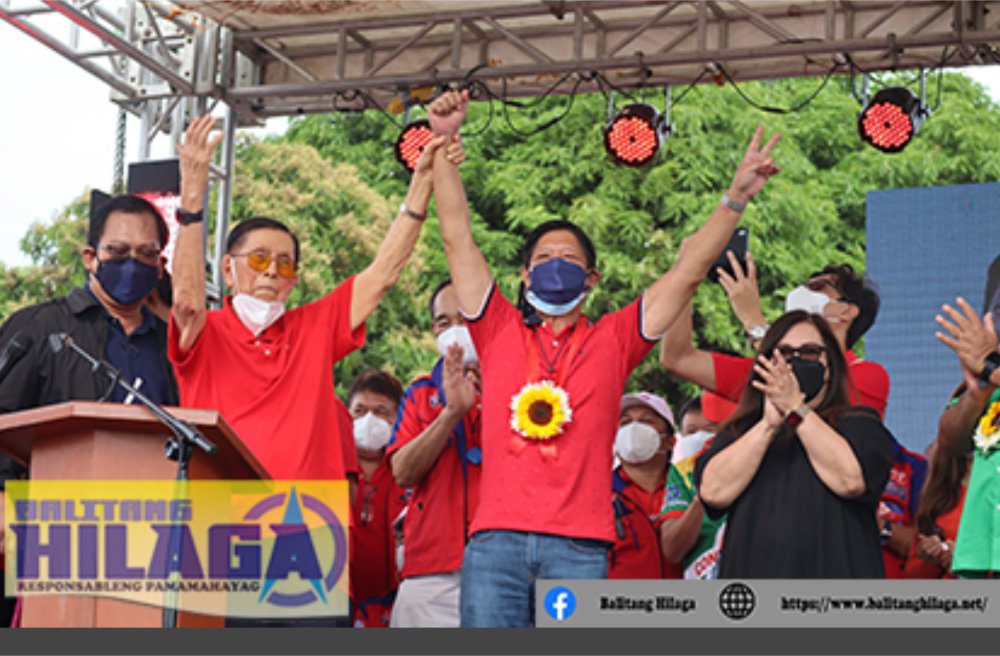
The final time he publicly aligned himself with a political figure was during Bongbong Marcos’s visit to Tuguegarao City on February 14, 2022, which also happened to be his 98th birthday.
At that event, JPE declared his support for Marcos’s presidential run and extended that endorsement to the UniTeam tandem of Ferdinand “Bongbong” Marcos Jr. and Sara Duterte, daughter of then-outgoing president Rodrigo Duterte.
It was a full-circle moment, linking him once again to a Marcos candidacy decades after he served in the elder Marcos’s government.
Last political role he held
After losing his 2019 Senate comeback bid, JPE stayed visible in national affairs.
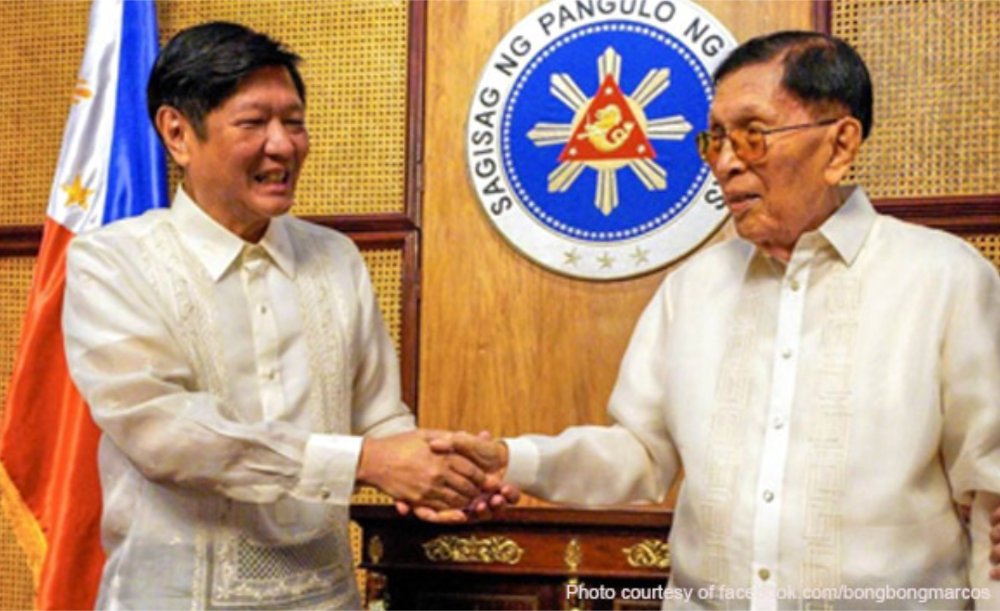
He eventually returned to government in 2022, when President Ferdinand Marcos Jr. named him chief presidential legal counsel.
The post placed him once again inside Malacañang, this time as the administration’s chief legal adviser, drawing on decades of experience in law, national security, and executive power.
JPE would later signal that this appointment would be his last act of public service.
Last court case
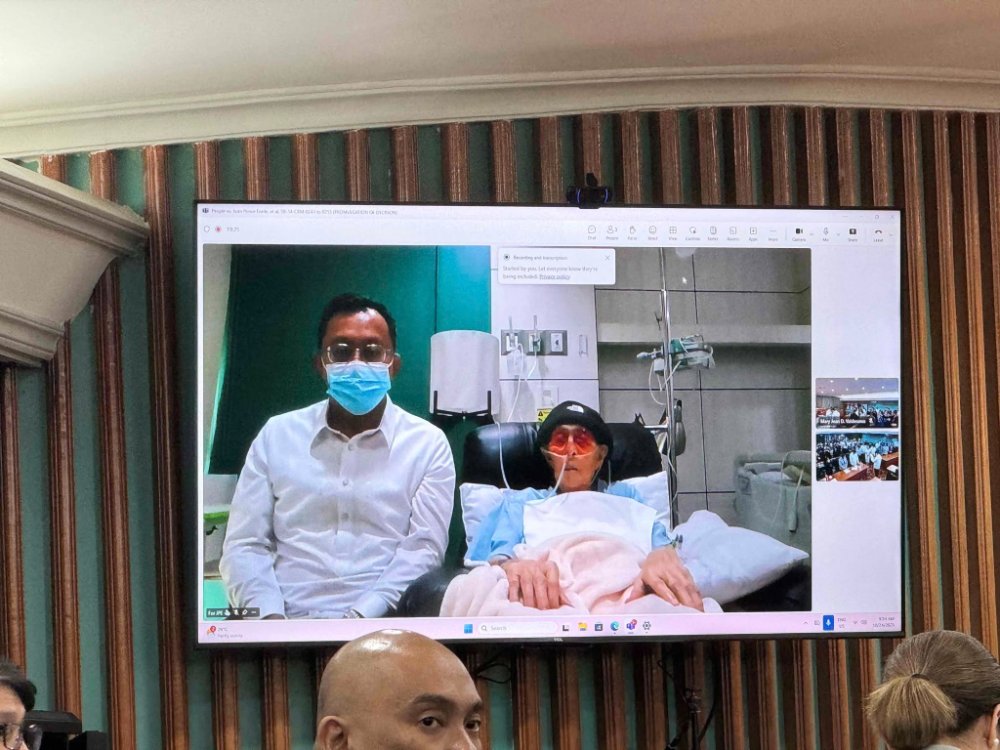
JPE’s final brush with the judiciary concluded on October 24, 2025, less than three weeks before his death.
Too weak to appear in person, he joined the promulgation via Zoom from his hospital room.
The case involved allegations that he had funneled PHP172 million in Priority Development Assistance Fund (PDAF) allocations during his senate tenure.
The Sandiganbayan cleared him of 15 graft charges, ruling that prosecutors failed to establish guilt beyond reasonable doubt.
With that decision, the last corruption case tied to his political life came to a close, ending a legal saga that began a decade earlier.
His former chief of staff Jessica “Gigi” Reyes, deputy chief of staff Jose Antonio Evangelista II, and businesswoman Janet Lim Napoles were also acquitted in the same ruling.
Napoles, however, remained imprisoned because of separate PDAF-related convictions.
Read: Juan Ponce Enrile mistulang Cardo Dalisay sa mundo ng pulitika